Coraline
"Wishes have a way of stitching you in."
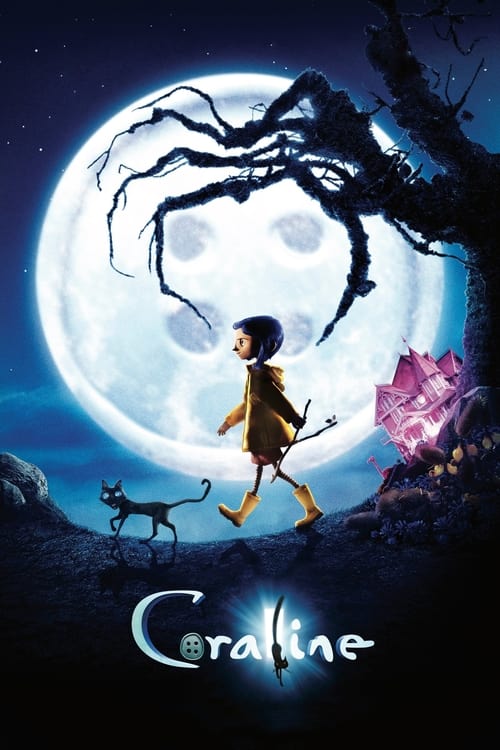
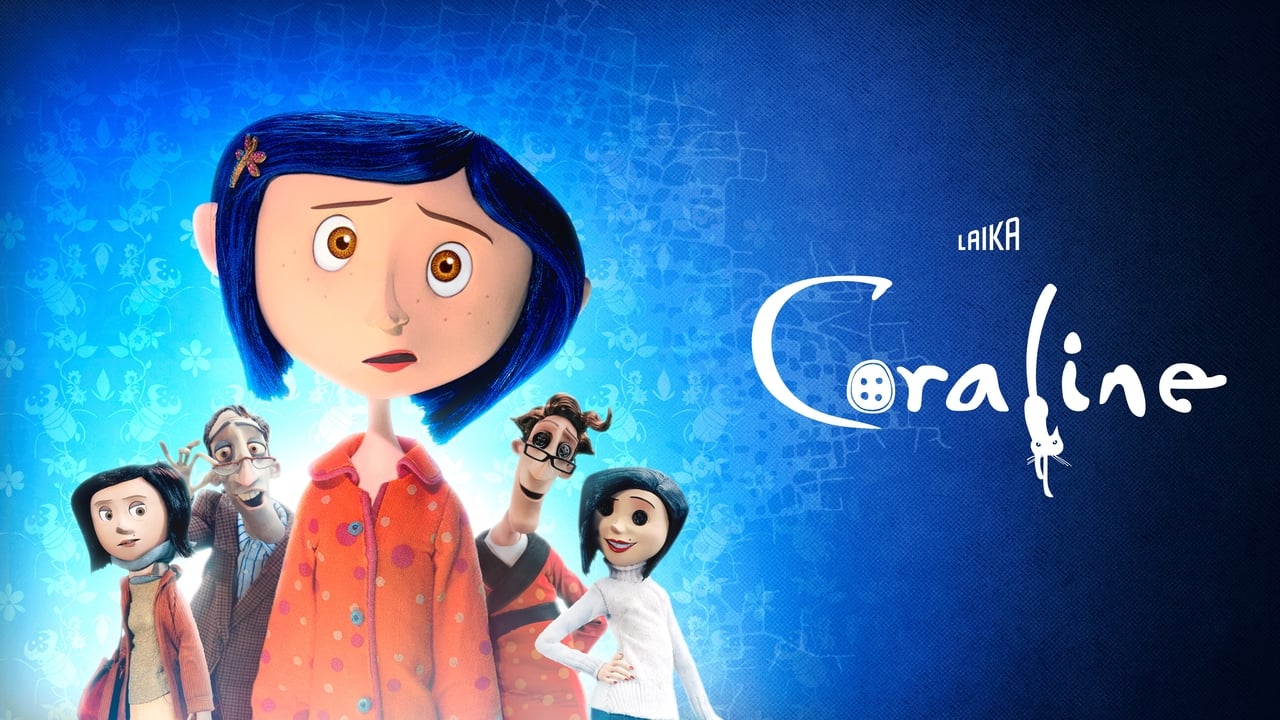
The first time I saw the "Other Mother" reach for a needle and a tray of mismatched black buttons, I felt a phantom ache in my own eyelids. There is something fundamentally upsetting about the geometry of Coraline. It’s a film that understands that children aren't just afraid of monsters under the bed; they are afraid of the people they love becoming subtly, irrevocably wrong.
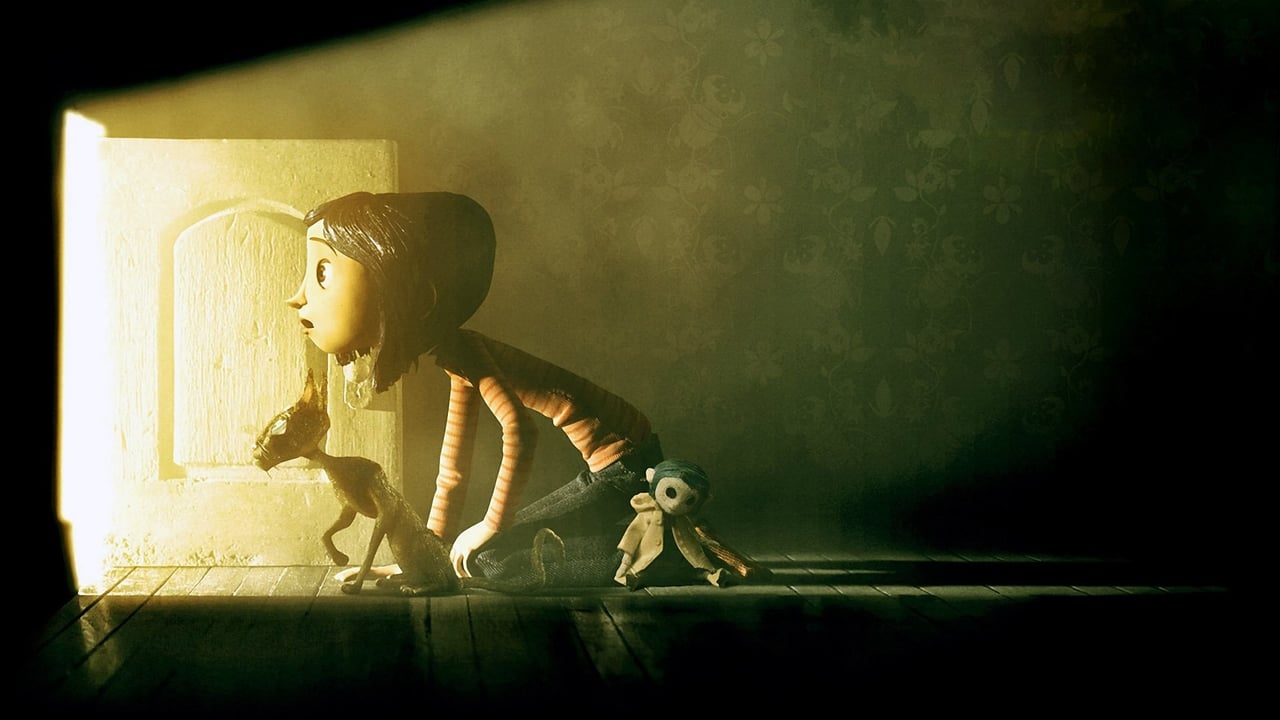
I remember watching this for the first time on a flight to Chicago while the guy next to me was snoring so loudly it practically provided a rhythmic backbeat to the soundtrack. Even with the tinny airplane headphones and the smell of stale pretzels, the atmosphere of the Pink Palace Apartments crawled right under my skin. It’s a rare feat for an animated film to feel this heavy, this tactile, and this uncomfortably intelligent.
The Architecture of an Uncanny Nightmare
Director Henry Selick (the man who actually directed The Nightmare Before Christmas while everyone gave Tim Burton the credit) moved away from the gothic whimsy of his earlier work into something much more psychologically sharp here. Coraline arrived in 2009, right at the peak of the 3D revival. But while every other studio was rushing to vomit CGI particles at the screen, LAIKA went the other way. They used 3D to create depth in a literal, physical world.
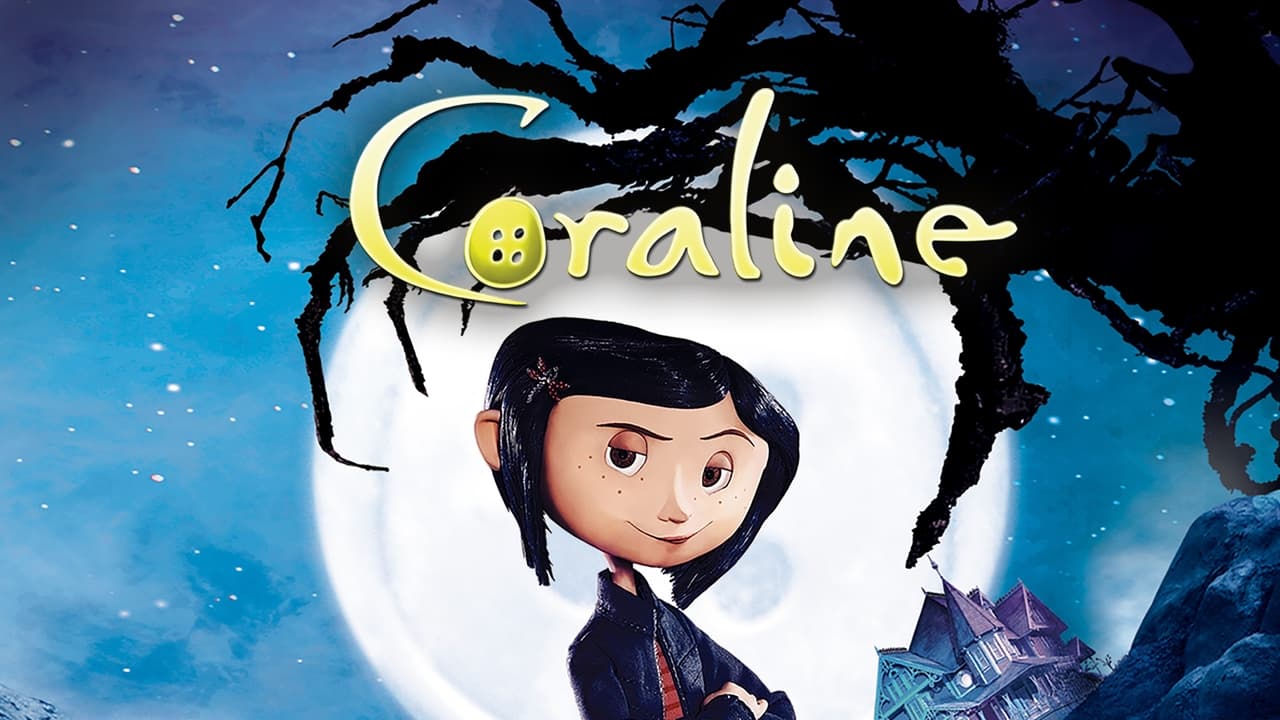
The film follows Coraline Jones (Dakota Fanning), a blue-haired pre-teen who has just been dragged to a rainy, drab house in Oregon. Her parents, voiced with a perfect, distracted exhaustion by Teri Hatcher and John Hodgman, are "writers" (the cinematic shorthand for being perpetually busy and slightly annoyed by their offspring). When Coraline finds a small door that leads to a mirrored version of her life—one where the food is better and the parents are attentive—the trap is set.
The brilliance of the "Other World" isn't that it's scary at first; it's that it's inviting. It’s a critique of the "perfect" family dynamic, suggesting that a parent who says "yes" to everything is just as frightening as one who never listens. Stop-motion is the only way to do true horror because the puppets already look like they’re pretending to be alive. That inherent "un-deadness" of the medium makes the transition of the Other Mother from a doting housewife into a spindly, needle-fingered arachnid feel like a natural progression rather than a sudden jump scare.
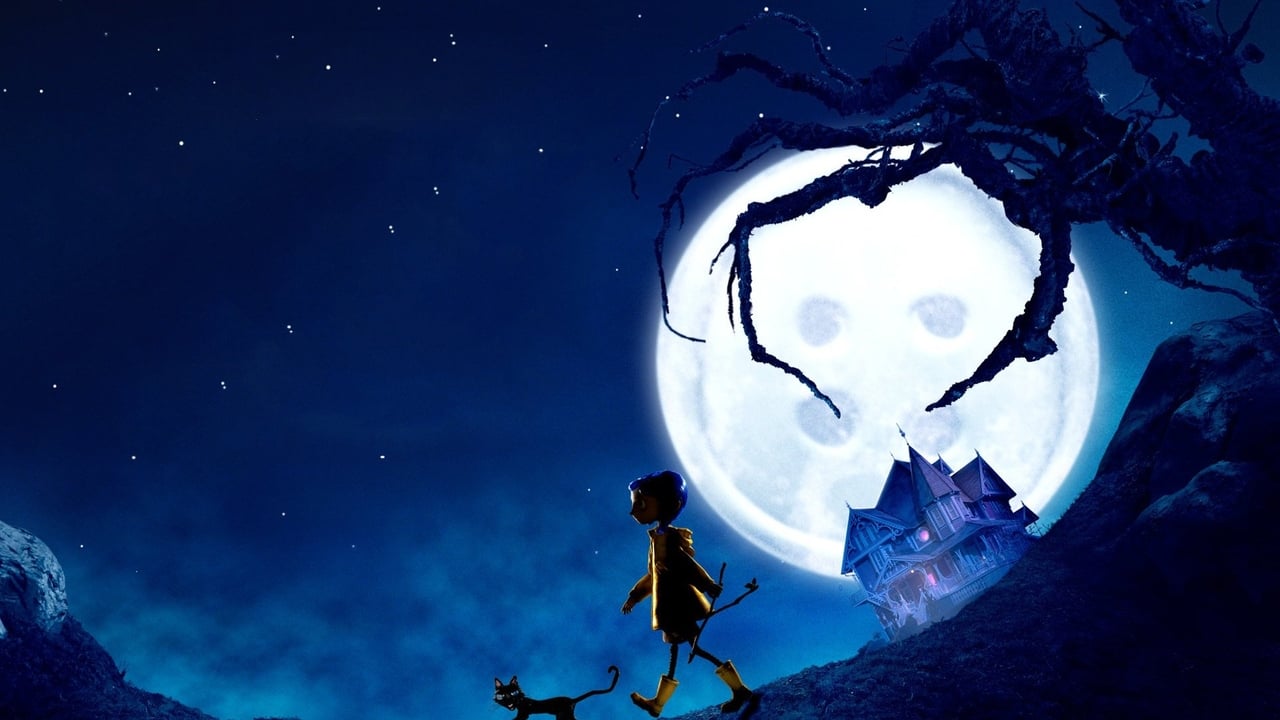
Performances in the Key of Dread
We often overlook voice acting in "Drama" discussions, but Dakota Fanning does some of her best work here. She captures that specific brand of 11-year-old loneliness—that itch to be anywhere else—without making Coraline a brat. You feel her isolation. When she talks to Keith David’s The Cat, there’s a weary pragmatism in her voice that feels earned.
Teri Hatcher deserves an award for the subtle modulation she does between the "Real Mother" and the "Other Mother." The Real Mel Jones is harried and sharp-edged, but the Other Mother starts with a melodic, sugary warmth that slowly curdles. By the third act, her voice is brittle and metallic, mirroring the physical breakdown of her fantasy world. Even the supporting cast, like Jennifer Saunders and Dawn French as the aging, eccentric burlesque stars downstairs, bring a layer of faded-glamour tragedy that adds to the film’s "cerebral" weight. It’s a movie about the decay of dreams and the danger of nostalgia, even for people who haven't lived long enough to have much to be nostalgic for.
The $180 Million Sleeper Hit
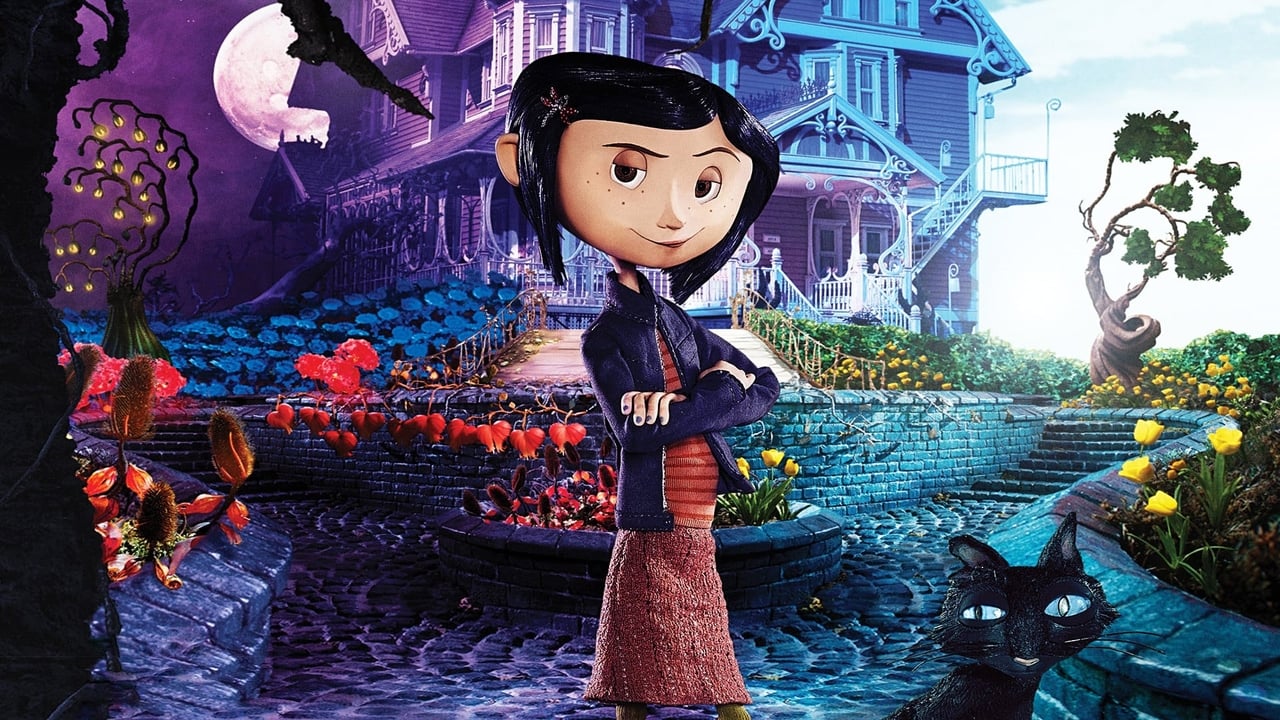
Looking back, it’s a miracle Coraline was the hit it was. With a $60 million budget—huge for an indie stop-motion house—it managed to claw its way to over $185 million worldwide. It wasn't an "instant classic" in the way Pixar films are; it was a slow-burn obsession. It’s the kind of film that kids watched, got traumatized by, and then watched fifty more times.
The production was a monumental feat of "analog-meets-digital." Apparently, the team used 3D printing to create over 6,000 different face masks for Coraline, allowing for thousands of expressions. Yet, for all that tech, the "snow" in the movie was actually baking soda and glue, and the "Other World" garden was filled with hand-painted fabric and wire. That tactile reality is why the film hasn't aged a day. You can feel the thumbprints on the characters; you can sense the physical space they inhabit. In an era where Disney and Dreamworks were moving toward a homogenized, glossy CGI look, Coraline felt like it was made by hand in a basement by someone who might be a genius or might be slightly dangerous.
There's a philosophical question at the heart of the film: what are you willing to trade for a life without friction? The button eyes are a genius metaphor for the loss of perspective. To have the "perfect" life, you have to stop looking at the real one. It’s a high-concept idea wrapped in a "Family" film, and it respects its audience enough not to provide easy answers.
Coraline is the rare film from the late 2000s that feels more relevant now than it did at release. In a world of curated social media "perfection," the Other Mother’s polished, button-eyed trap feels like a warning we all ignored. It’s creepy, it’s beautiful, and it’s one of the most visually inventive films of the 21st century. If you haven't revisited it lately, do so—just maybe keep a sewing kit out of reach while you watch.
Keep Exploring...
-
The Nightmare Before Christmas
1993
-
Shrek 2
2004
-
Ponyo
2008
-
The Secret World of Arrietty
2010
-
Ratatouille
2007
-
How to Train Your Dragon
2010
-
Hotel Transylvania
2012
-

Frozen
2013
-
How to Train Your Dragon 2
2014
-
The Lego Movie
2014
-
Anastasia
1997
-
Treasure Planet
2002
-

The SpongeBob SquarePants Movie
2004
-
The Princess and the Frog
2009
-
Wolf Children
2012
-
Song of the Sea
2014
-
Shrek
2001
-
James and the Giant Peach
1996
-
Beauty and the Beast
1991
-

Aladdin
1992