Crazy Heart
"The bottom of the bottle has a melody."
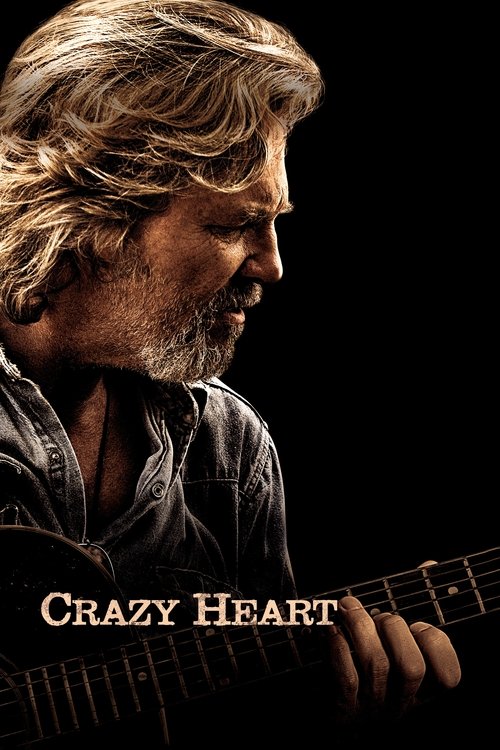
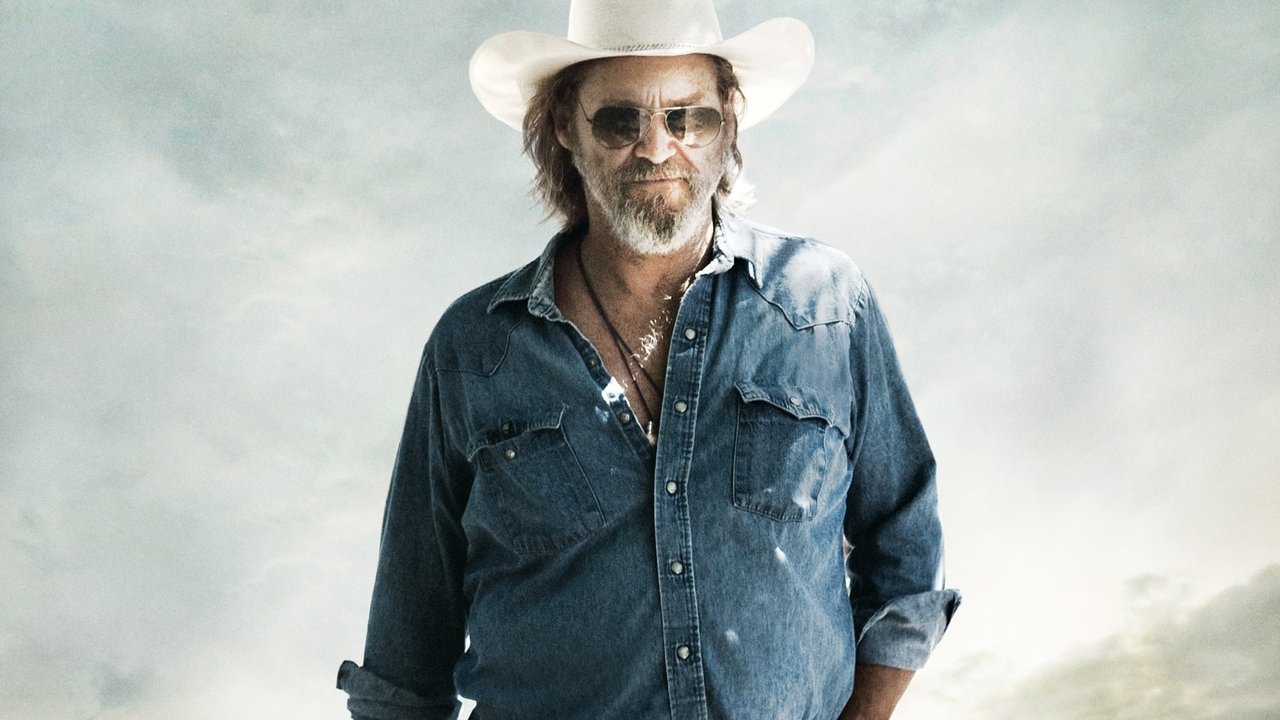
There is a specific kind of sadness that lives in a bowling alley bar at 2:00 PM on a Tuesday. It’s the smell of stale floor wax, industrial-grade disinfectant, and the lingering phantom of last night’s cigarettes. This is where we first meet Bad Blake, a man who has spent so much time at rock bottom that he’s started picking out the upholstery. He’s played with the best, written the hits, and lived the legend, but now he’s emptying a gallon-sized Sparkletts jug full of urine into a parking lot drain before his next gig. It is one of the least glamorous introductions for a protagonist in cinema history, and I absolutely love it for its lack of vanity.

I revisited this one on a rainy Sunday while demolishing a bag of slightly stale pretzel rods, and honestly, the crunch of the salt felt like the perfect sensory companion to the grit on screen. Released in late 2009, Crazy Heart arrived at the tail end of a decade defined by the "indie darling" boom. It was a time when studios like Fox Searchlight could take a $7 million character study about a drunk country singer and turn it into an Oscar-winning cultural touchstone. Looking back, it feels like one of the last great gasps of the mid-budget adult drama before the industry decided that every movie needed to be a part of a ten-year multi-media plan.
The Dude Abides, But The Bad Remains
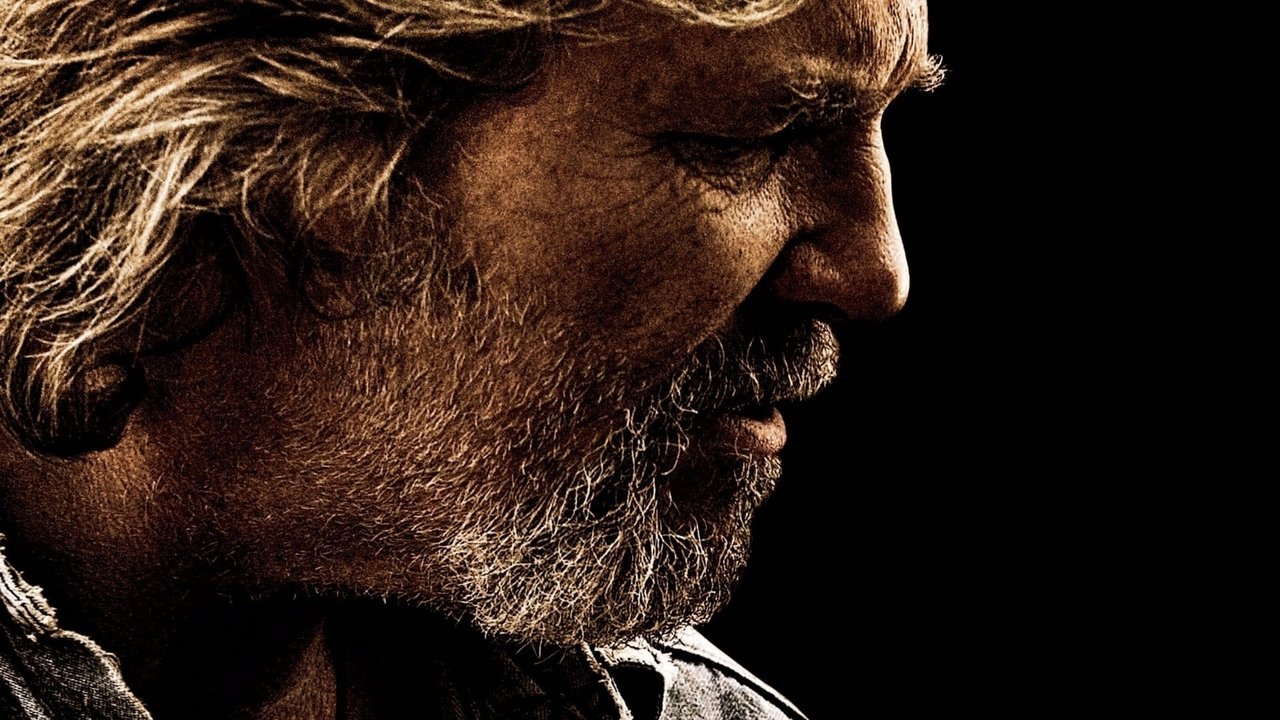
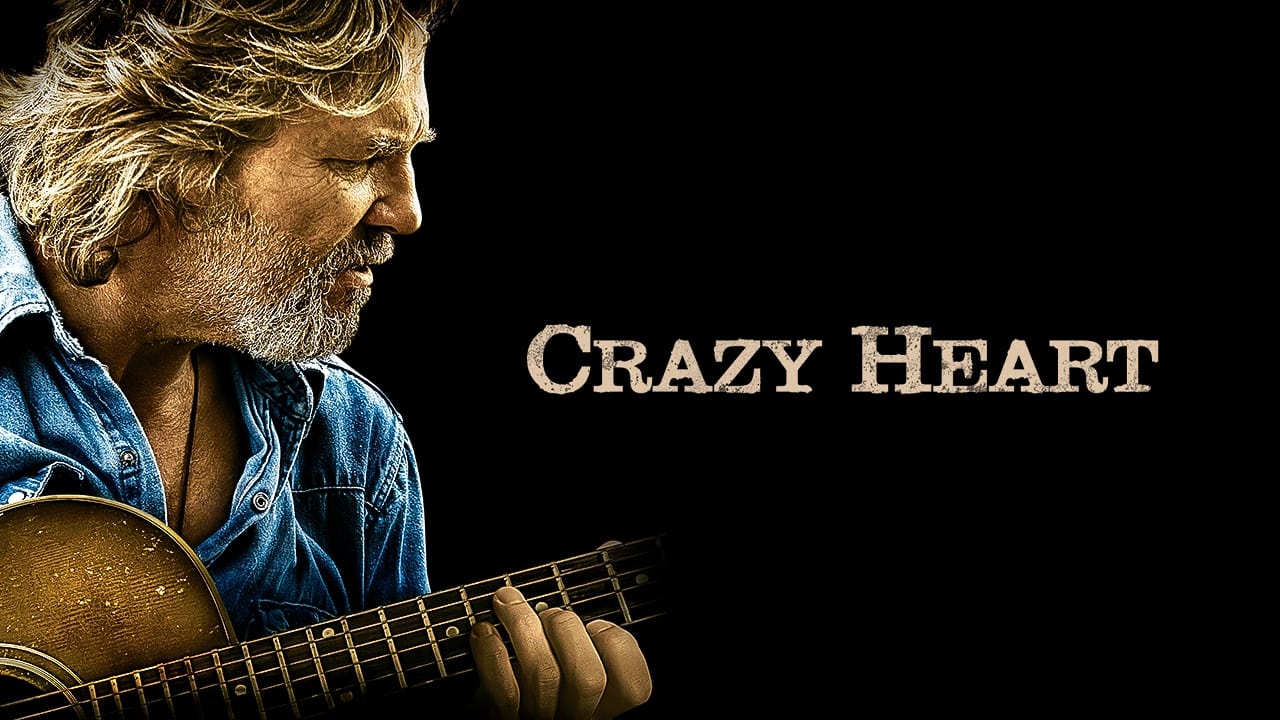
Everything in this movie starts and ends with Jeff Bridges. We often talk about "transformative" performances in terms of prosthetic noses or massive weight gain, but Bridges does something much more difficult here: he changes his internal gravity. As Bad Blake, he carries himself like a man who is permanently braced for a fall. He’s bloated, sweaty, and frequently pathetic, yet he never loses that flickering ember of charm that makes you understand why people still show up to see him play.
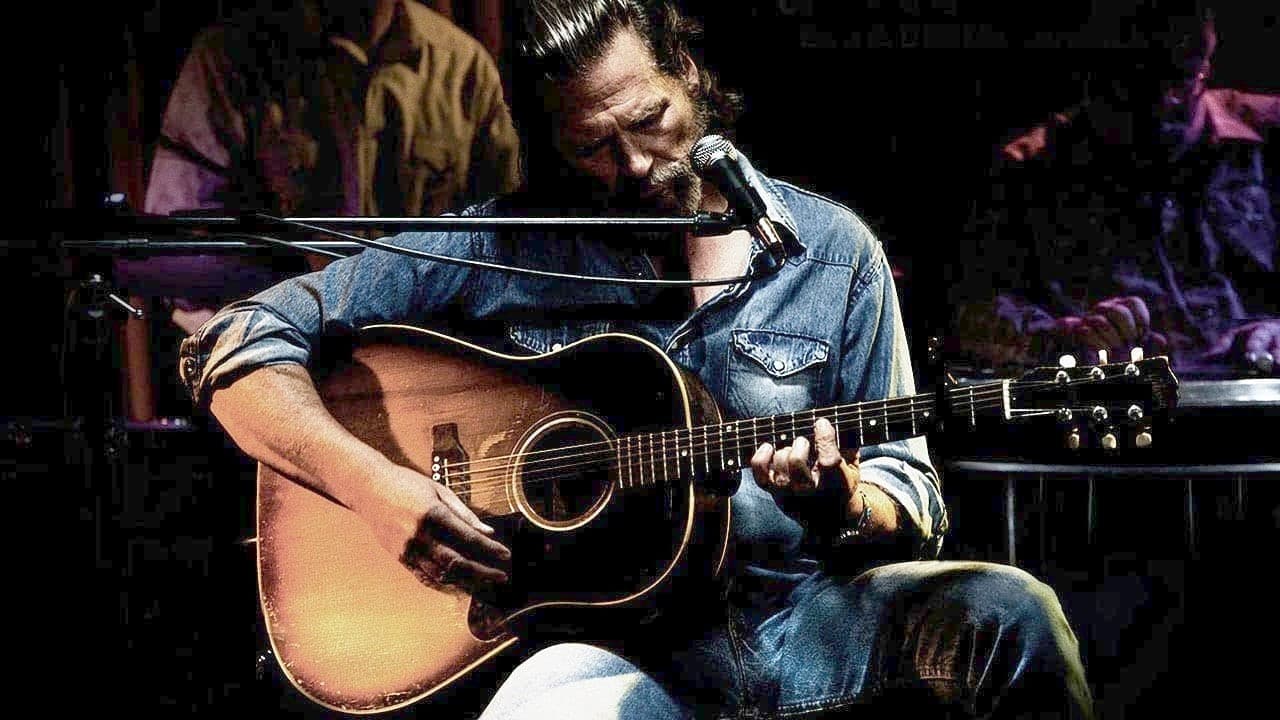
Jeff Bridges famously almost turned the role down because there wasn't a music producer attached yet. He knew that if the songs were "movie country"—that sanitized, plastic version of Nashville—the whole thing would collapse. Once the legendary T Bone Burnett (who also shaped the sound of O Brother, Where Art Thou?) signed on, the film found its pulse. The music isn't just a backdrop; it’s the only part of Blake that isn't rotting. When he sings "The Weary Kind," you aren't watching an actor do karaoke; you’re watching a man try to bargain with his own soul.
The Quiet Power of the Supporting Cast
While the spotlight is rightfully on Bridges, the film would be a much bleaker, less balanced affair without Maggie Gyllenhaal as Jean Craddock. In the hands of a lesser writer or actress, Jean could have been the "magical woman who fixes the broken man" trope. Instead, she’s a flawed, cautious journalist and single mother who sees Blake for exactly what he is. Their chemistry is uncomfortable and electric; I believed their connection because it felt rooted in a mutual need for something honest, even if it was destined to be messy. Gyllenhaal brings a jagged vulnerability that makes the stakes of Blake’s sobriety feel personal to the audience, not just a plot point.
Then there’s Colin Farrell as Tommy Sweet, the former protégé who eclipsed his mentor. In 2009, Farrell was still transitioning from "troubled Hollywood bad boy" to "incredible character actor," and his work here is a revelation. He could have played Tommy as a smug sell-out, but he plays him with genuine, heartbreaking respect for Blake. Tommy Sweet’s ponytail is the only thing in this movie that feels like a crime, but Farrell’s performance is pure grace. He captures that weird, strained dynamic of a student who has outgrown his teacher but still wants his approval.
A Relic of Rural Authenticity
Director Scott Cooper (who also wrote the screenplay) makes some bold choices for a debut filmmaker. He lets the camera linger. He doesn't cut away from the awkward silences or the moments where Blake is just staring into the middle distance, wondering where it all went sideways. The cinematography by Barry Markowitz captures the American Southwest with a dusty, amber-hued realism that feels like a 1970s road movie. It’s a film that understands the geography of loneliness—the long stretches of highway between small-town gigs where the only company you have is a bottle of McClure’s and the radio.
What stands out to me now, years after the initial buzz has faded, is how Bad Blake’s Sparkletts jug is a more compelling supporting character than most CGI monsters we see today. There’s a tactile reality to Crazy Heart. You can practically feel the heat coming off the asphalt and smell the whiskey on Blake’s breath. It’s a film that doesn't offer easy redemptions. It understands that saying "I'm sorry" is the easy part, but living a life that proves you mean it is the real work.
Crazy Heart isn't reinventing the wheel of the "addiction and recovery" drama, but it's arguably the most polished version of that wheel we've ever seen. It’s a soulful, melodic piece of cinema that respects its characters enough to let them fail before they can truly grow. If you haven't seen it in a decade, or if you only know it as "the movie Jeff Bridges finally won for," it’s time to go back. Just make sure you have a good pair of speakers and maybe a fresh bag of pretzels.
Keep Exploring...
-
Nick and Norah's Infinite Playlist
2008
-
Footloose
2011
-
Out of the Furnace
2013
-

Step Up All In
2014
-
That Thing You Do!
1996
-

Honey
2003
-
Raise Your Voice
2004
-
Walk the Line
2005
-
Step Up
2006
-

High School Musical 2
2007
-

High School Musical 3: Senior Year
2008
-
Step Up 2: The Streets
2008
-

Hannah Montana: The Movie
2009
-

Step Up Revolution
2012
-
Begin Again
2014
-

High School Musical
2006
-
Rock of Ages
2012
-
Jersey Girl
2004
-
A Lot Like Love
2005
-
Broken Flowers
2005