District 13: Ultimatum
"Gravity is just a suggestion."
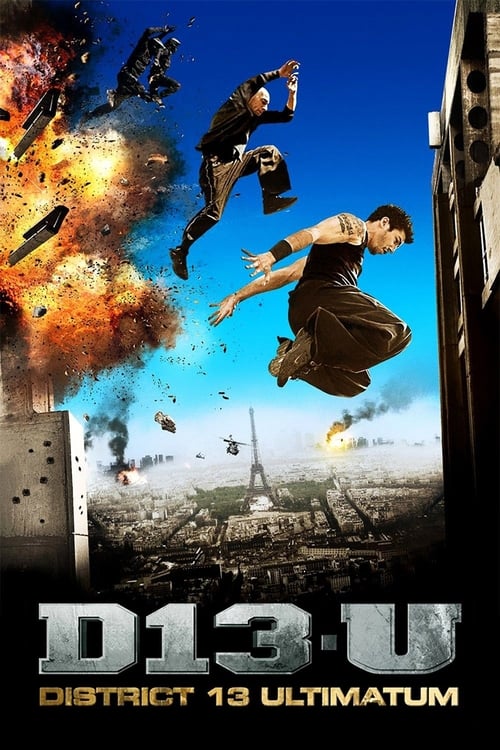
I’ll never forget the first time I saw Cyril Raffaelli fight a room full of thugs while clutching a framed Van Gogh painting like it was a holy relic. I was watching this on a laptop with a dying battery while sitting in a laundromat that smelled like burnt lint and cheap lavender, and even on that tiny, flickering screen, the sheer physical audacity of District 13: Ultimatum made me forget my soggy socks. It’s a film that exists in that sweet spot of 2009—a time when we were transitioning from the grit of the early 2000s into the glossy, digital superhero dominance we live in now. But here, the only superpower is knowing exactly how to bounce off a balcony.
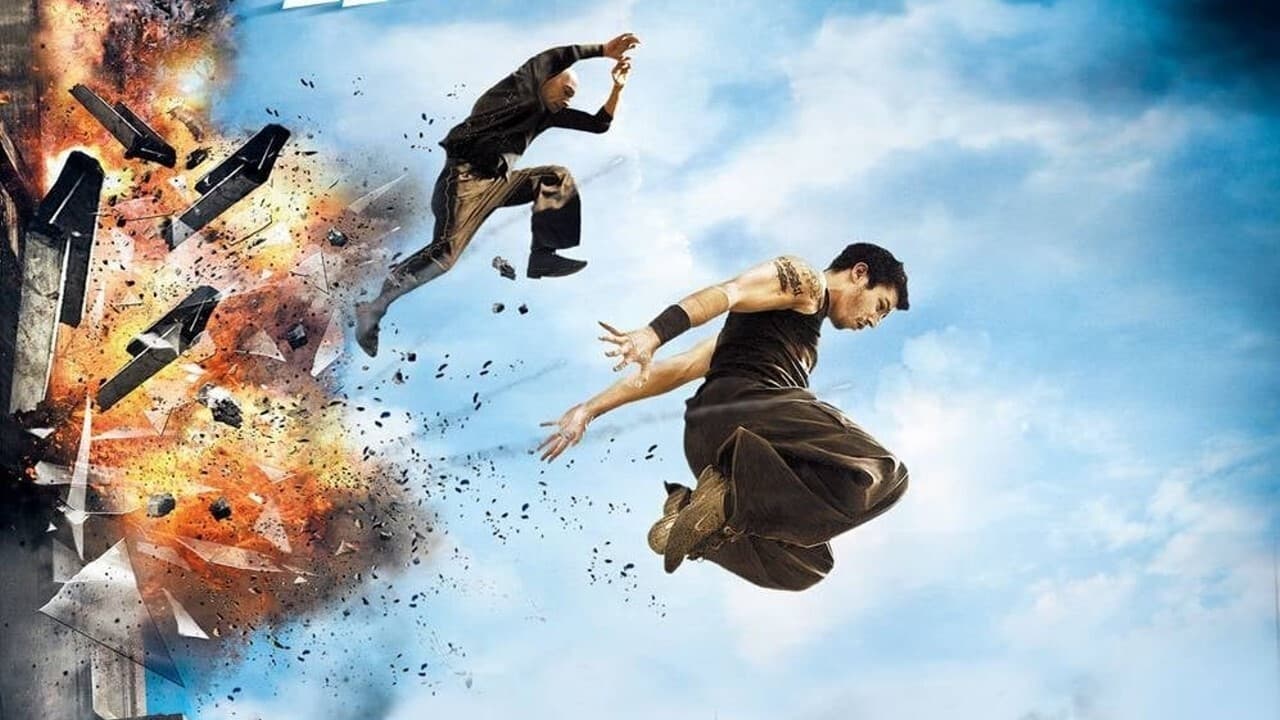
The Art of the Human Pinball
If you haven't seen the original District 13 (or Banlieue 13 for the purists), you might be confused as to why a French action movie feels like a video game directed by a parkour enthusiast on three espressos. Produced and written by Luc Besson (the man behind Léon: The Professional and the Taken series), this sequel doubles down on the "stunt-first, logic-later" philosophy that defined his EuropaCorp output.
The plot is a delightfully thin excuse for mayhem: the walled-off ghetto of District 13 is once again under threat from corrupt government officials and greedy developers who want to level the place. Our heroes—the super-cop Damien (Cyril Raffaelli) and the street-smart Leïto (David Belle)—have to unite five warring gangs to save their home. The plot is essentially a delivery system for grown men treating a city like a jungle gym.
What makes this work, and why I still find myself revisiting it, is the lack of "shaky-cam" that plagued American action films like The Bourne Ultimatum around the same time. Director Patrick Alessandrin knows that when you have David Belle—the actual, literal inventor of Parkour—on set, you don’t need to edit around him. You just press record and let him fly. There is a weight and a terrifying reality to the stunts here that CGI simply cannot replicate. When Leïto jumps through a tiny transom window above a door, you aren't looking at pixels; you're looking at a human being with a very impressive insurance policy.
A Time Capsule of Edgy Optimism
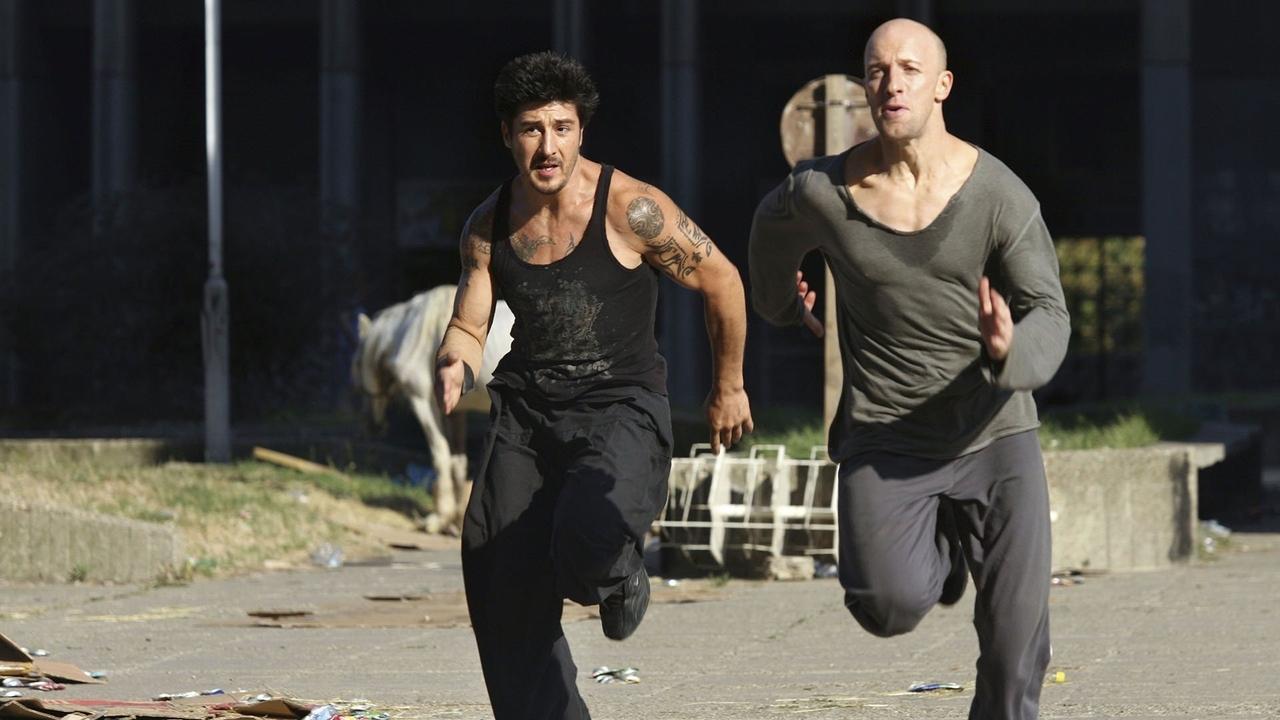
Looking back, Ultimatum feels like a distinct artifact of its era. It captures that post-9/11 urban anxiety where the "scary" parts of the city are walled off, but it filters that fear through a lens of French hip-hop culture and colorful, comic-book energy. It’s less "grimdark" than the Dark Knight era and more "raucous rebellion."
The film also features a pre-Daredevil Élodie Yung as Tao, a gang leader who has a blade braided into her ponytail. It is exactly as ridiculous and awesome as it sounds. Seeing her work here, you can spot the raw charisma that eventually landed her the role of Elektra. The film also leans heavily into the DVD culture of the time; I remember the "Making Of" featurettes being almost as popular as the movie itself, mostly because we all wanted to see if Cyril Raffaelli actually survived that multi-story drop into the trash pile.
Interestingly, this movie didn't quite set the world on fire financially, barely clawing back its $15 million budget. It’s likely because, by 2009, the "extreme sports" novelty of parkour was starting to wane in the public consciousness, and the English-speaking world was getting distracted by the burgeoning MCU. It became one of those titles that thrived on word-of-mouth recommendations between fans of "real" action, eventually being remade (less successfully) as Brick Mansions starring the late Paul Walker.
Why We Shouldn't Forget the Banlieue
While the script by Luc Besson is filled with clichés—the "Le Président" character played by Philippe Torreton is basically a cardboard cutout of nobility—the film’s heart is in the right place. It champions the marginalized and suggests that a cop and a criminal have more in common than they do with the suits in the high-rises.
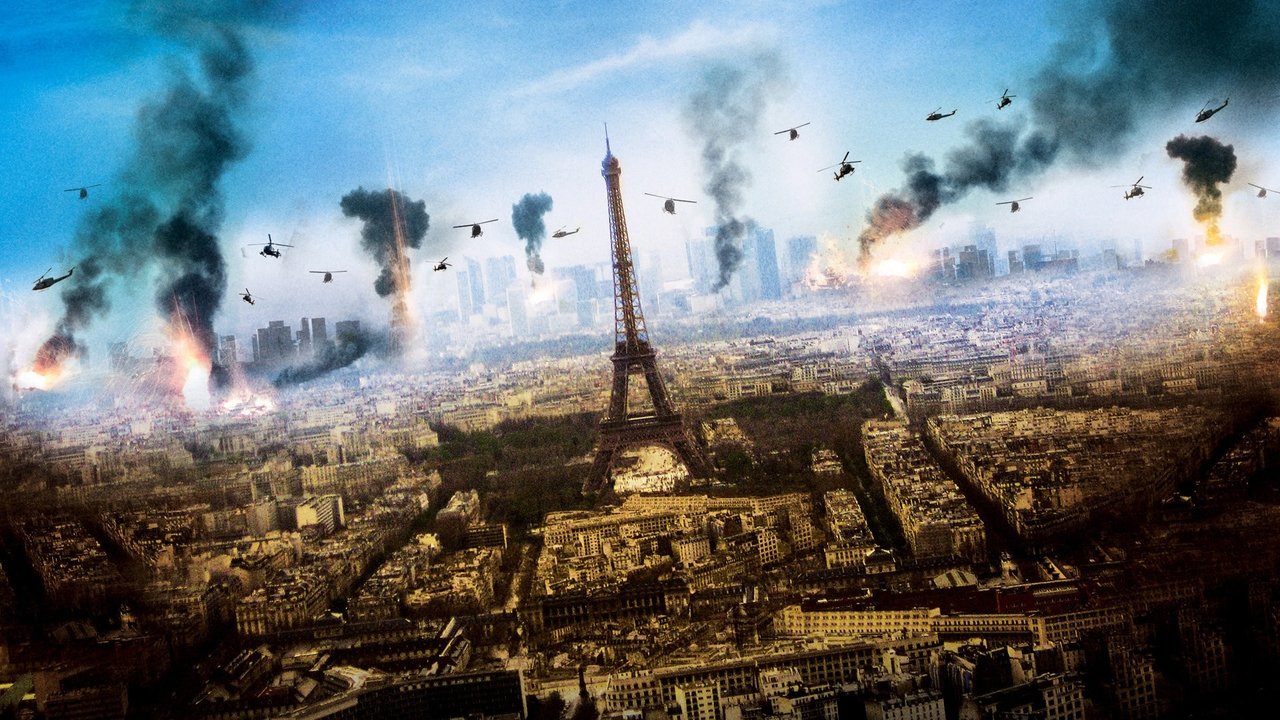
The CGI explosions in the final act look like they were rendered on a toaster, but that’s part of the charm. We aren't here for the digital fire; we're here for the "bone-crunching" choreography. There’s a specific joy in watching Cyril Raffaelli use his background as a world-class martial artist to turn a simple hallway into a masterpiece of movement.
It’s a loud, sweaty, slightly nonsensical film that serves as a reminder of what action looked like before everything was filmed against a green screen in Atlanta. If you can ignore the occasionally clunky dialogue and the "alt-rock" soundtrack that screams 2009, you’re in for one of the most entertaining 101 minutes of the decade.
District 13: Ultimatum is the cinematic equivalent of a high-energy energy drink—it’s not particularly sophisticated, and you might have a bit of a headache afterward, but the rush is undeniable. It’s a testament to physical performance in an era that was just beginning to give up on it. Watch it for the stunts, stay for the ponytail blade, and try not to jump off your roof afterward.
Keep Exploring...
-
District B13
2004
-
Kiss of the Dragon
2001
-
Assault on Precinct 13
2005
-
Transporter 2
2005
-
Smokin' Aces
2006
-
Transporter 3
2008
-
Taken 2
2012
-

Domino
2005
-
The Protector
2005
-
Firewall
2006
-
Running Scared
2006
-
Undisputed II: Last Man Standing
2006
-
United 93
2006
-
Death Sentence
2007
-
Shoot 'Em Up
2007
-
War
2007
-
Mesrine: Killer Instinct
2008
-
Mesrine: Public Enemy #1
2008
-
Street Kings
2008
-
Harry Brown
2009