Dogtooth
"The world ends at the garden fence."
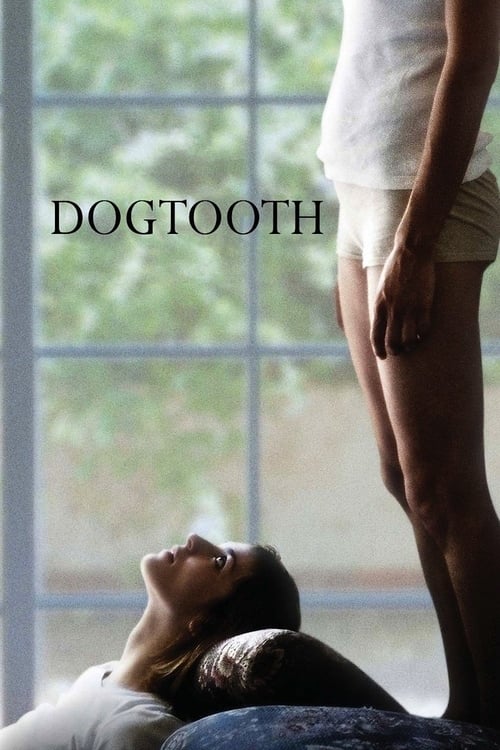
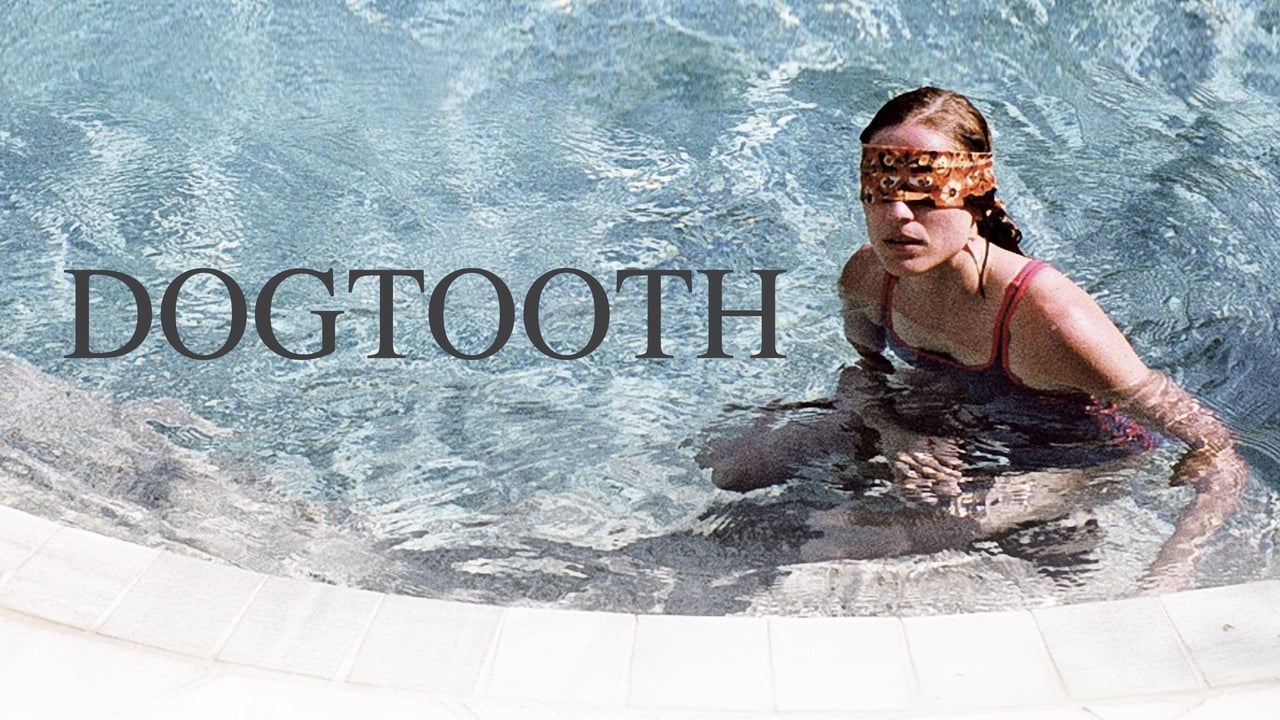
I first watched Dogtooth on a laptop with a hairline crack across the screen, which made the scorched Greek sunlight look like it was bleeding into the actors' foreheads. Looking back, that fractured viewing experience was oddly perfect for a film that feels like a beautiful, expensive vase being shattered in slow motion. It was 2009, a time when the "Greek Weird Wave" was just a murmur in festival hallways, and Yorgos Lanthimos (long before he was the Oscar-darling behind The Favourite and Poor Things) was busy convincing us that a "zombie" is actually a small yellow flower.
A Dictionary for the Damned
The premise is the ultimate "helicopter parent" nightmare taken to a clinical, terrifying extreme. In a sun-drenched villa tucked away from the rest of the world, three teenagers—or young adults, it’s hard to tell because they’ve been stunted into a permanent state of pre-pubescent ignorance—live under the total thumb of their Father (Christos Stergioglou) and Mother (Michele Valley). They aren't allowed to leave the compound until their "dogtooth" falls out, a physical impossibility that ensures they remain prisoners forever.
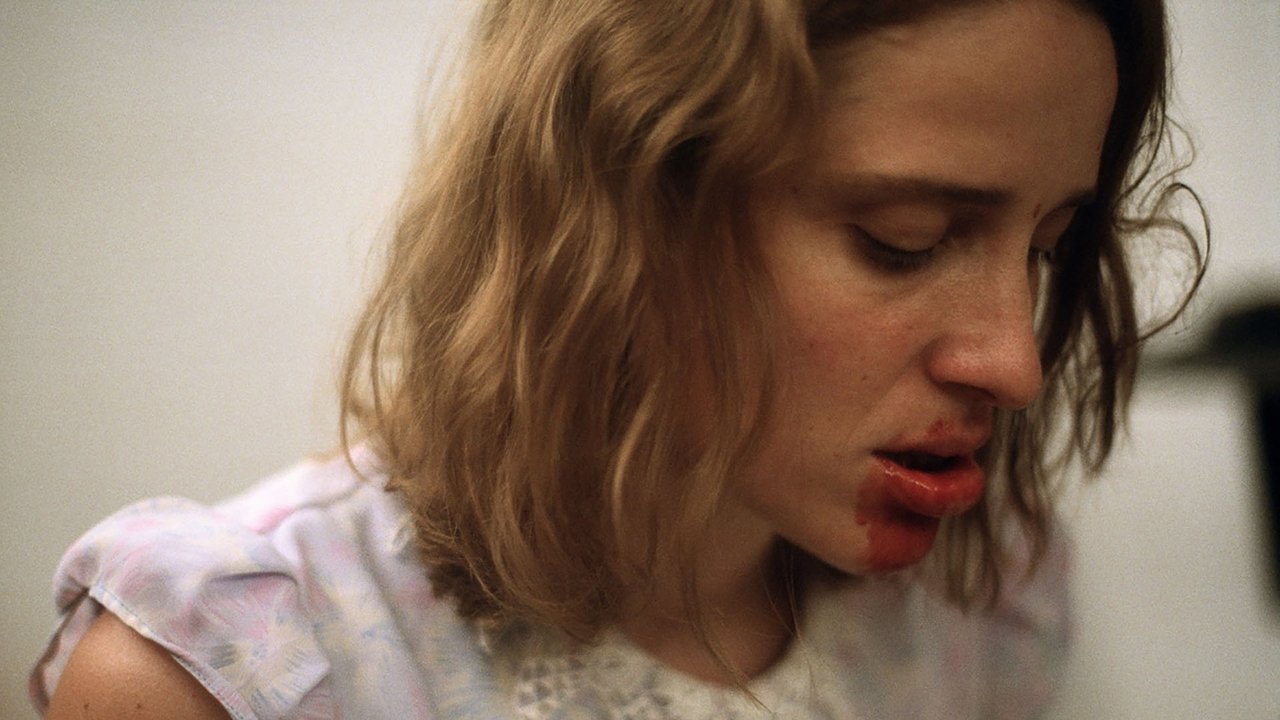
To keep them from getting curious about the outside world, the parents have systematically replaced the meaning of words. A "sea" is a leather armchair; a "highway" is a strong wind. It’s a linguistic prison. I remember pausing the movie twenty minutes in just to process the sheer audacity of the script. Most filmmakers try to build empathy through shared language, but Lanthimos and co-writer Efthymis Filippou use language to alienate us. If you think your parents were strict because they took away your GameBoy, you have no idea what real psychological warfare looks like.
The Art of the Deadpan
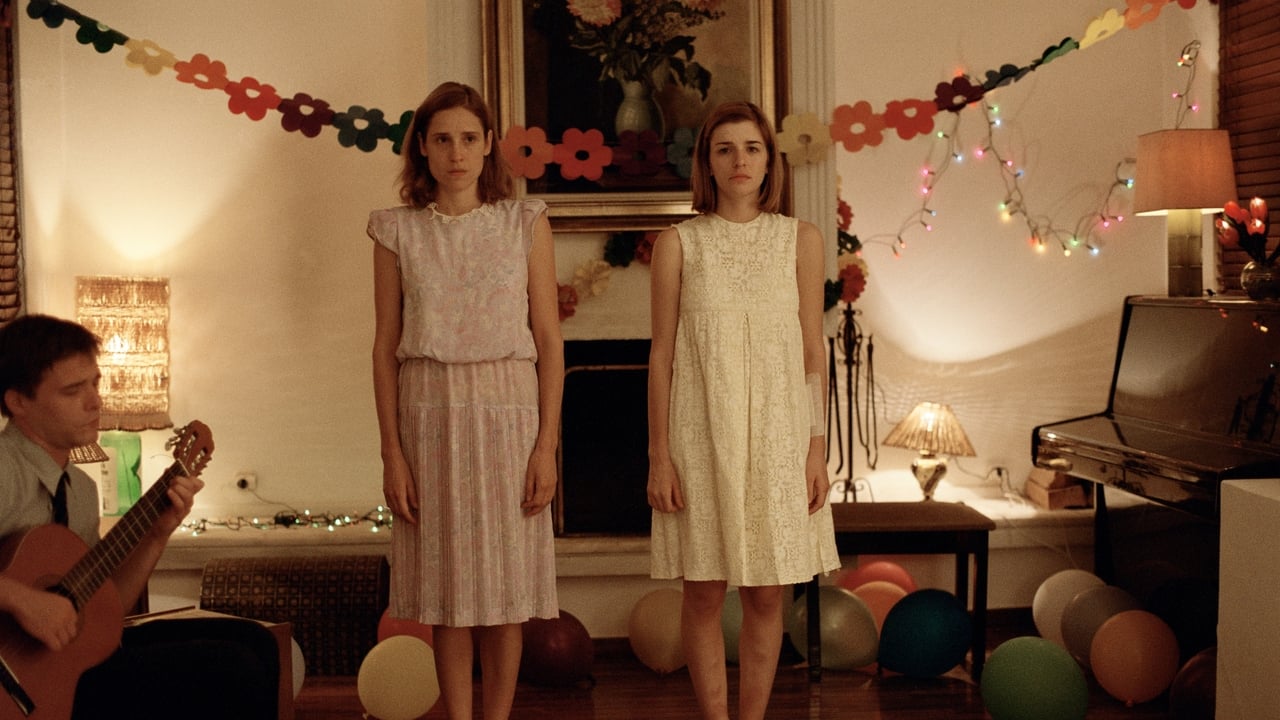
What makes Dogtooth so unnerving isn't just the isolation—it’s the performances. The children—played by Hristos Passalis, Angeliki Papoulia, and Mary Tsoni—act with a flat, robotic affect that is deeply haunting. They move like people who have never seen a movie, never heard a pop song, and never been told "no" by anyone other than their captors. Angeliki Papoulia, in particular, delivers a performance that feels like watching a high-voltage wire dance on wet pavement. She’s the eldest daughter, and the way she begins to internalize the corruption of the outside world through a series of traded VHS tapes is both heartbreaking and grotesque.
The cinematography by Thimios Bakatakis (who also shot Lanthimos's The Lobster) uses that bright, overexposed Mediterranean light to make everything feel way too visible. There are no shadows to hide in here. Every awkward sexual encounter (which the parents facilitate with a clinical lack of emotion) and every act of casual violence is rendered in high-definition clarity. It’s the kind of drama that earns its emotional weight not through soaring scores or tearful monologues, but through the sheer, suffocating silence of a house where no one knows how to express a genuine feeling.
Budgetary Magic and the Indie Hustle
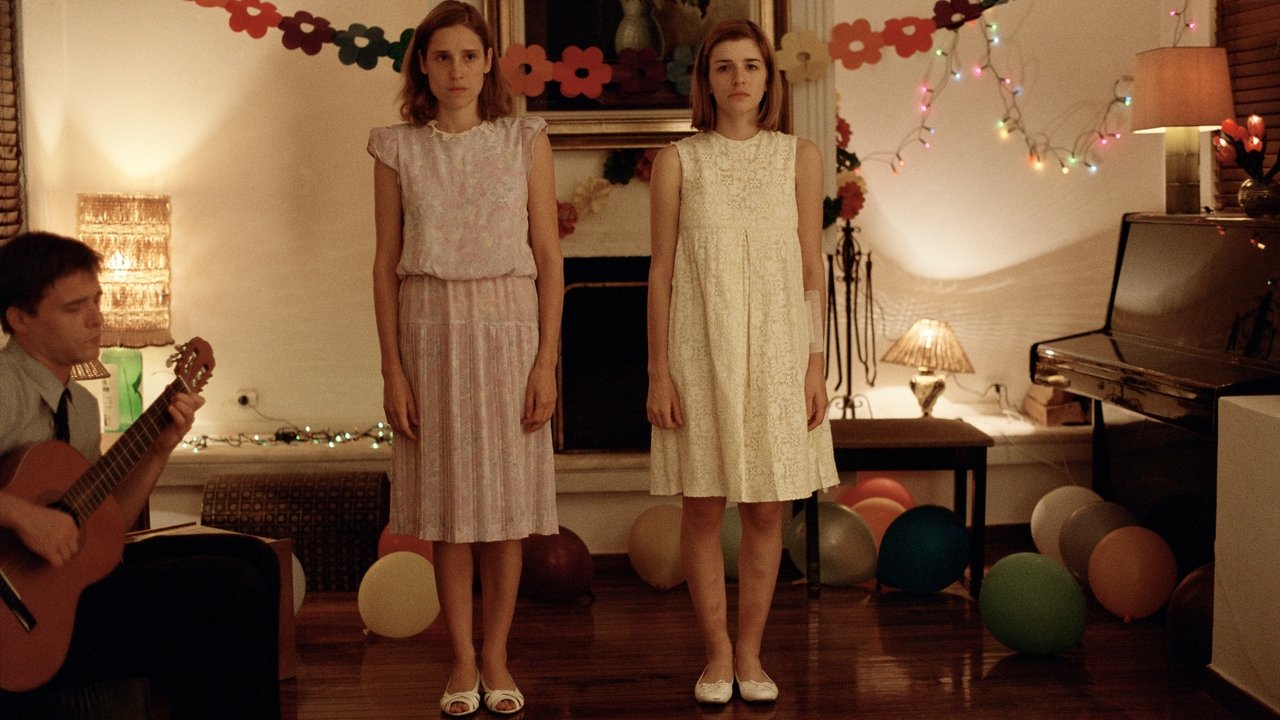
Looking back at the production context, Dogtooth is a masterclass in independent resourcefulness. This wasn't a studio-backed project; it was a scrappy production fueled by the Greek Film Centre and a lot of favors. With a budget of around $275,000—essentially the catering budget for a Marvel movie—Lanthimos turned a single location into a convincing alternate universe. They didn't need CGI to create a dystopian world; they just needed a high wall and a script that treated the "real" world as a fairy tale.
Apparently, the shoot was as intimate as it looks. The cast and crew were basically living the isolation they were filming. The film eventually won the "Un Certain Regard" prize at Cannes, which is usually the "we found something weird and brilliant" category. It was a breakthrough moment that proved you don't need a massive infrastructure to command global attention; you just need a vision so singular that people can't look away, even when they desperately want to. It’s a quintessential 2000s indie success story—the kind of film that thrived on word-of-mouth in the early days of digital film forums and DVD-by-mail services.
The movie isn't "fun" in the traditional sense, but it is deeply rewarding for anyone who likes their cinema with a side of existential dread. It’s a film that stays in your teeth long after the credits roll. It captures that specific late-2000s anxiety about information control and the fragility of the family unit, all while looking like a high-end fashion shoot gone horribly wrong. It’s a weird, beautiful, and utterly singular piece of work that launched one of the most interesting directors of our time.
Keep Exploring...
-

The Lobster
2015
-
The Killing of a Sacred Deer
2017
-
Garden State
2004
-
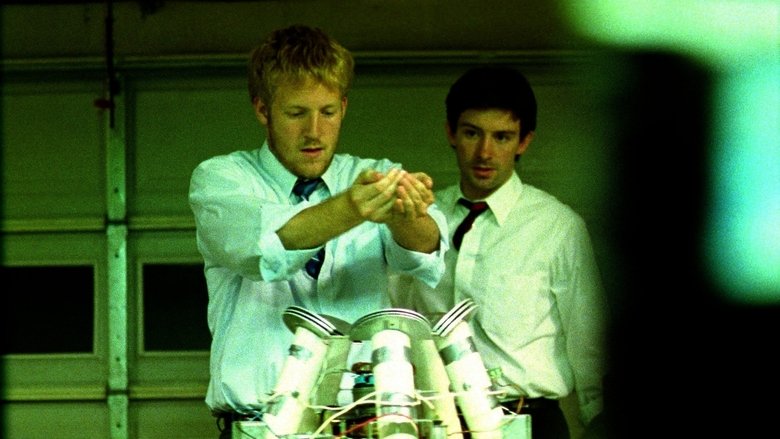
Primer
2004
-
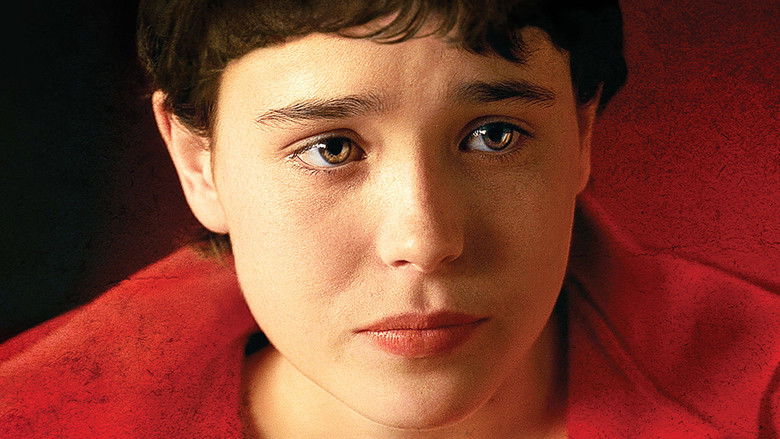
Hard Candy
2005
-

Mysterious Skin
2005
-

The Squid and the Whale
2005
-
Brick
2006
-
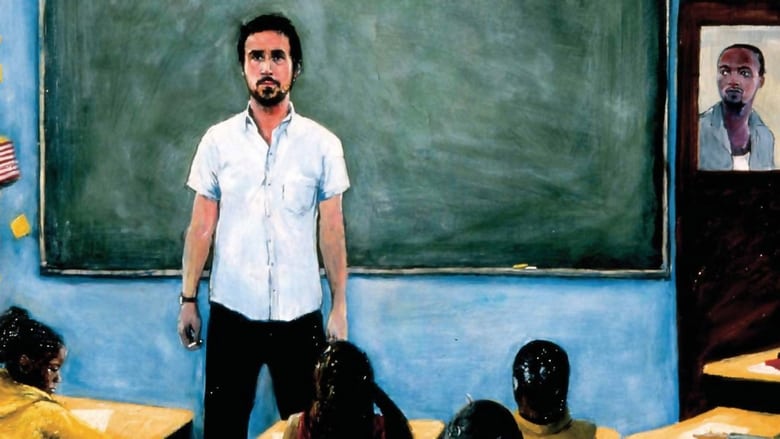
Half Nelson
2006
-
High School Musical
2006
-
Imagine Me & You
2006
-
Like Stars on Earth
2007
-
Once
2007
-
The Man from Earth
2007
-
The Orphanage
2007
-
This Is England
2007
-
Felon
2008
-
Let the Right One In
2008
-

Waltz with Bashir
2008
-

Blood and Bone
2009