Dorian Gray
"Be careful what you wish for. You might just live forever."
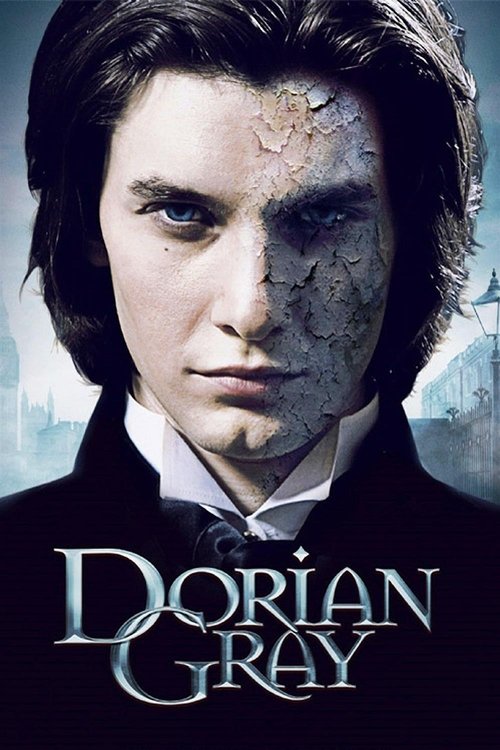
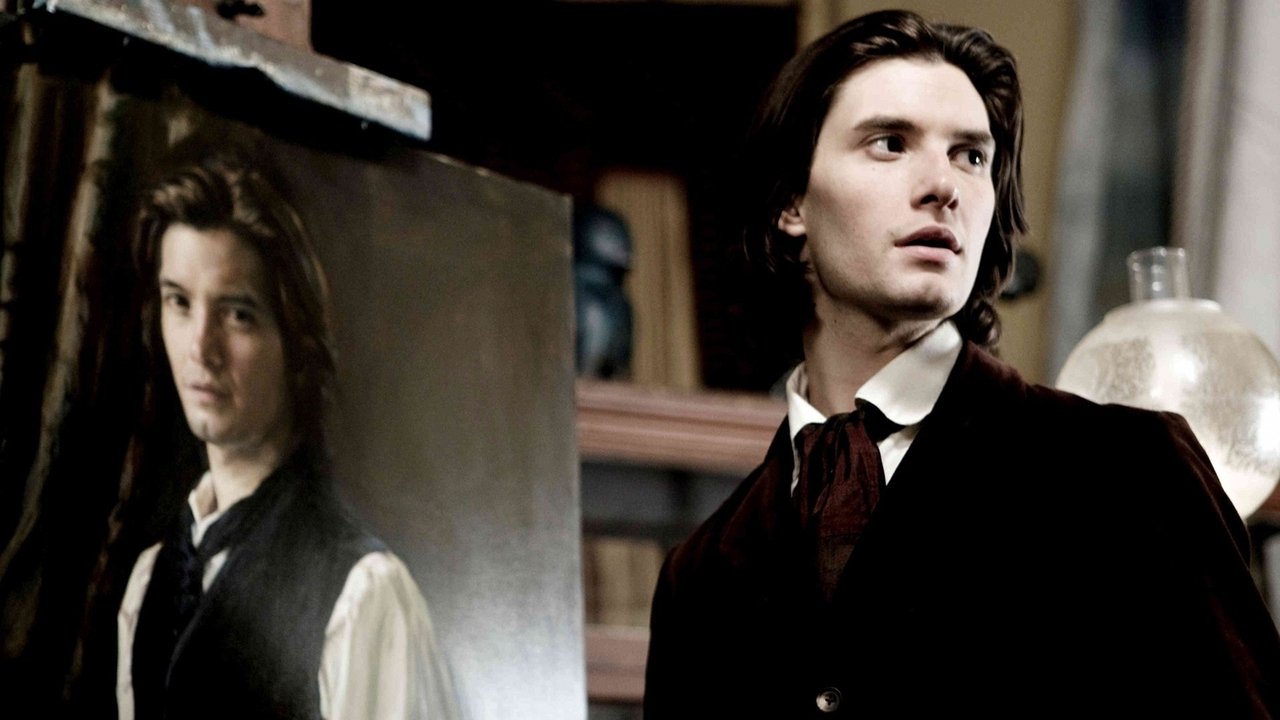
There is a specific kind of 2009-era handsomeness that Ben Barnes possesses—a cheekbone-heavy, slightly pouty look that felt tailor-made for a decade obsessed with brooding immortals. Released right as the Twilight fever was reaching a localized delirium, Oliver Parker’s Dorian Gray attempted to take the original "hot guy who can't die" trope and drench it in R-rated hedonism and early-digital gore. It’s a film that occupies a strange, liminal space in cinema history: it’s too dark for the teen heartthrob crowd of its time, yet too flashy for the literary purists who want their Oscar Wilde served with tea and subtle irony.
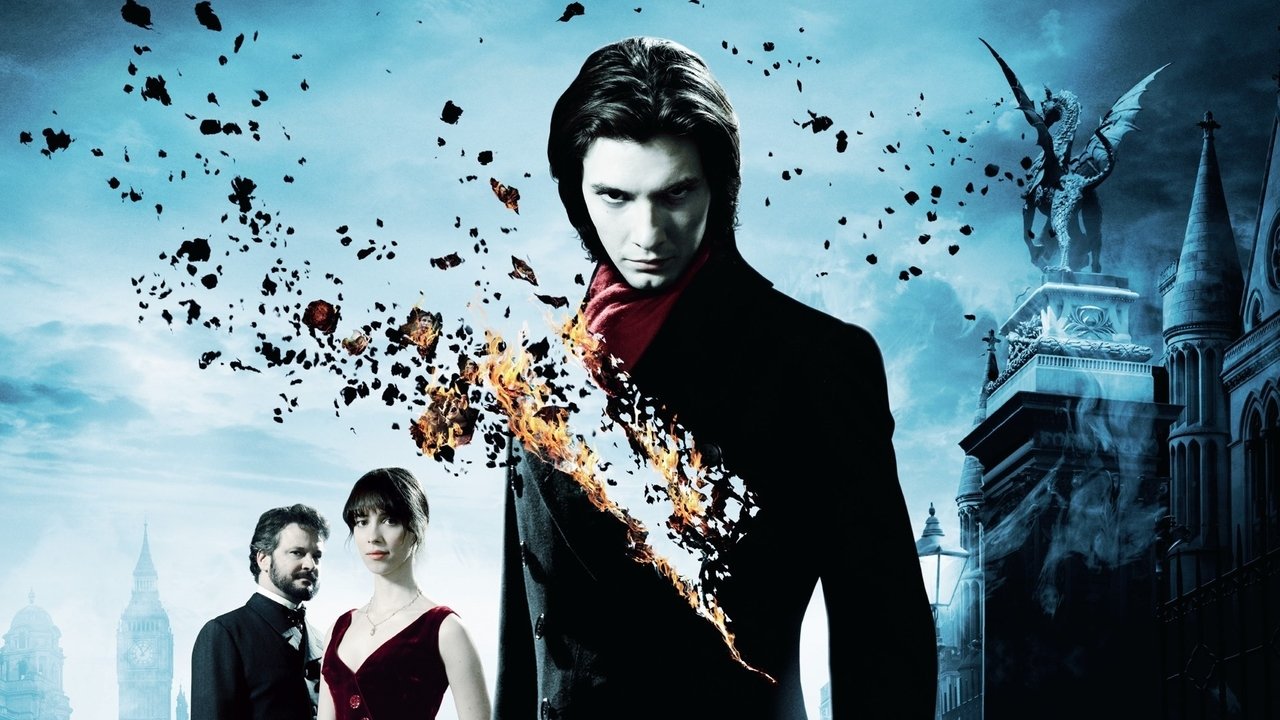
I watched this recently on a laptop with a screen hinge so loose I had to prop it up with a half-eaten bag of pistachios, and honestly, the slight tilt of the screen only added to the film’s dizzying, Dutch-angle energy. It’s a movie that tries very hard to be provocative, and while it doesn’t always stick the landing, it’s a fascinating relic of that era when we were still figuring out how to make classic literature "edgy" for the DVD generation.
The Age of the Dark Reboot
By 2009, the "dark and gritty" reboot was no longer a novelty; it was a mandate. Coming off the back of Christopher Nolan’s The Dark Knight, every studio wanted their protagonists haunted and their color palettes desaturated. Dorian Gray follows this trend to the letter. Director Oliver Parker, who had previously directed more traditional Wilde adaptations like An Ideal Husband (1999) and The Importance of Being Earnest (2002), clearly decided he was done with the polite drawing-room comedies.
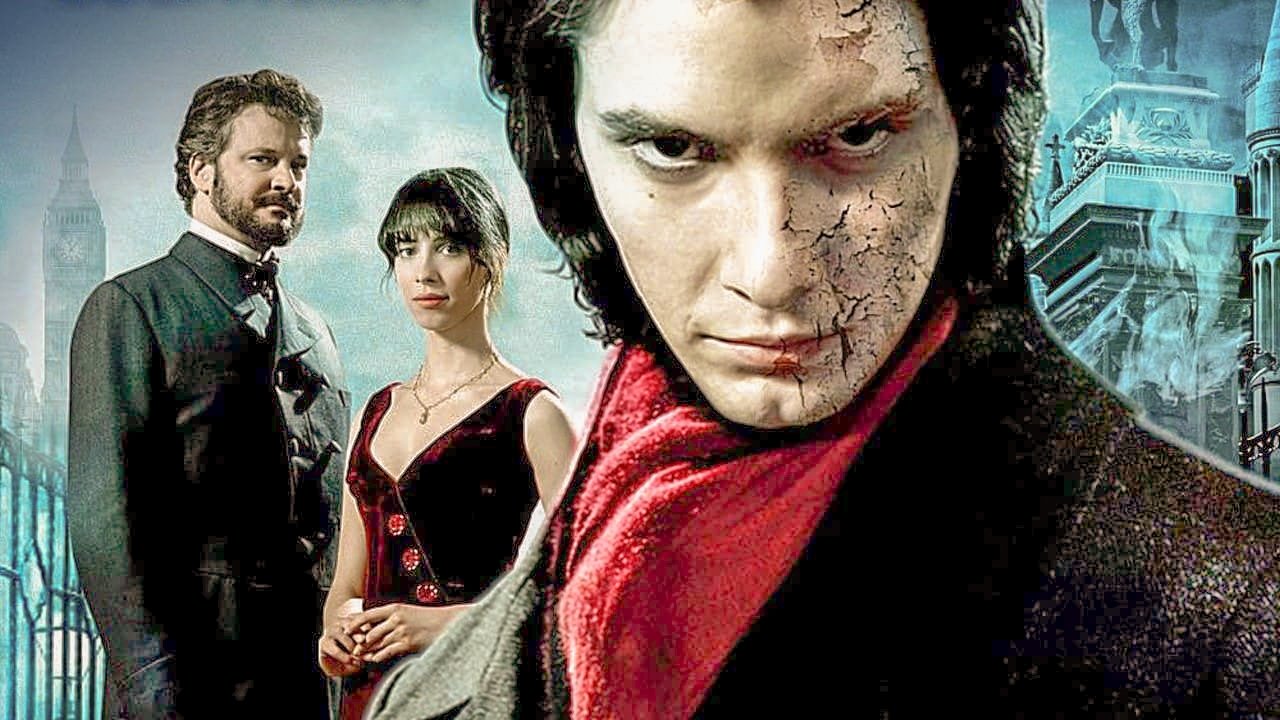
This version of Victorian London isn’t just foggy; it’s a sprawling, CGI-enhanced labyrinth of opium dens and rain-slicked cobblestones. It feels like a precursor to the "elevated horror" of the 2010s, utilizing the technological leaps of the time to show us things Wilde only dared to hint at. The CGI revolution allowed for a portrait that doesn't just age—it rots, it whispers, and it eventually starts looking like a Resident Evil boss that wandered into a Merchant Ivory production. Looking back, the digital effects have a slightly rubbery quality that screams late-2000s ambition, but there’s a tactile grossness to the painting’s transformation that still manages to elicit a genuine "ew."
Lord Henry and the Art of the Bad Influence
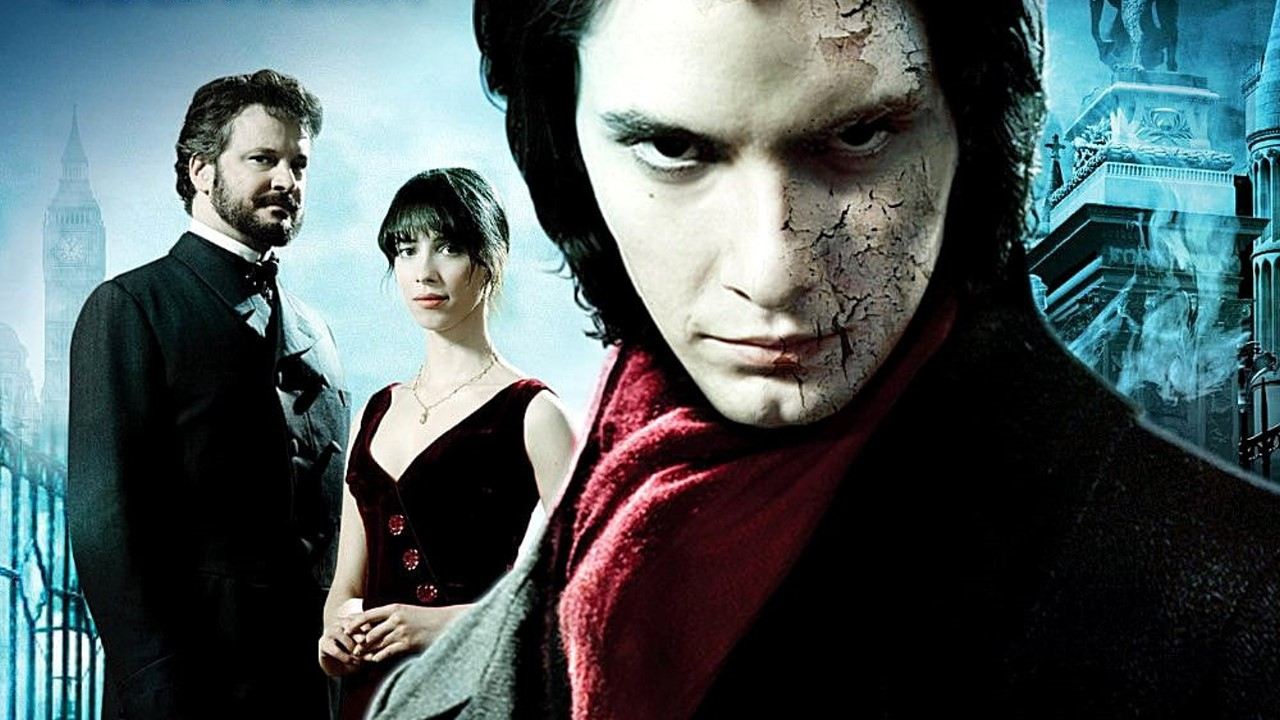
While Ben Barnes is the face on the poster, the movie truly belongs to Colin Firth. Fresh off the 2000s where he was mostly known as the "darling of the rom-com" (shoutout to Bridget Jones’s Diary and Love Actually), Firth takes a delicious turn as Lord Henry Wotton. He plays the role with a predatory, silk-tongued elegance, effectively acting as the devil on Dorian’s shoulder.
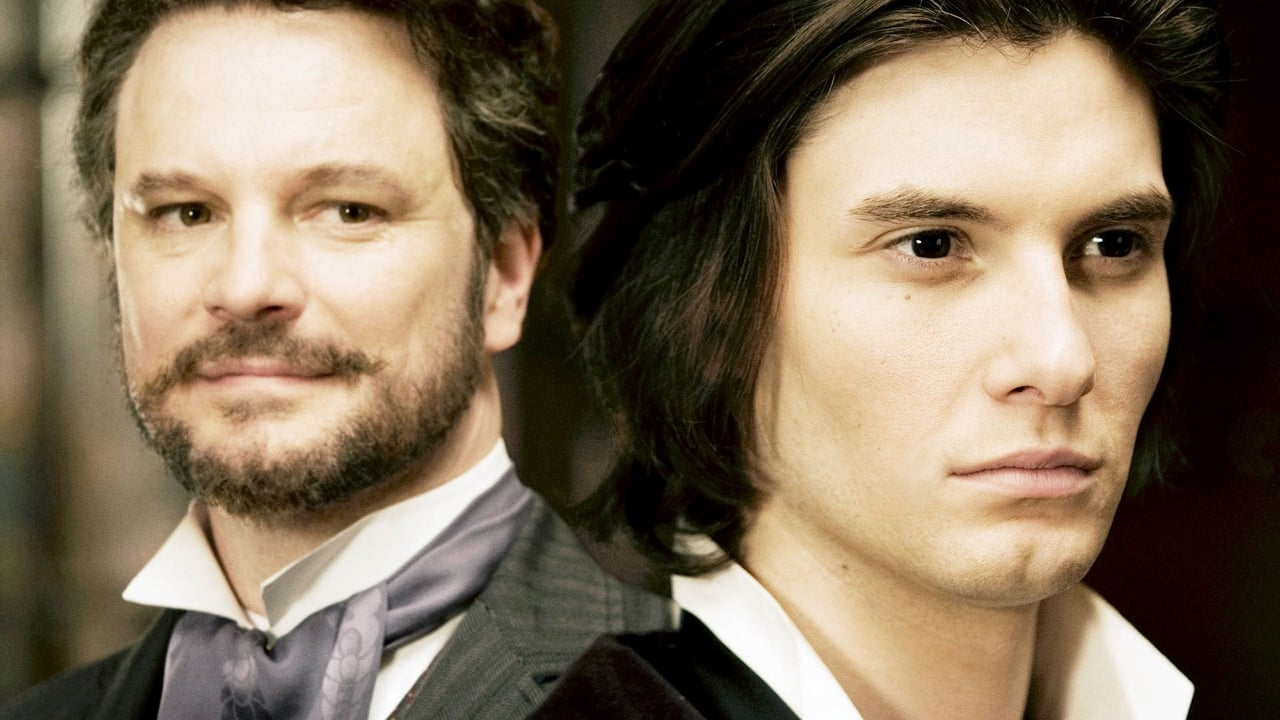
Watching Colin Firth as a Victorian pick-up artist is the primary reason to hit play. He delivers Wilde’s famous paradoxes not as witty banter, but as poisonous advice. It’s a performance that bridges the gap between his earlier "stiff upper lip" roles and the more complex, Oscar-winning work he’d do shortly after in The King’s Speech. The chemistry between him and Barnes is the film’s strongest engine; Firth is the veteran puppeteer, and Barnes is the wide-eyed marionette who slowly discovers he has no strings, only an insatiable hunger for sensation.
The supporting cast is equally stacked. Rebecca Hall brings a much-needed grounding to the third act as Emily Wotton, and Ben Chaplin provides a tragic heart as Basil Hallward, the painter whose obsession starts the whole mess. Basil’s fate in this version is handled with a blunt violence that firmly moves the film from "drama" into "thriller" territory.
The Digital Rot
One of the most interesting things about revisitng Dorian Gray is seeing how it handled the transition from practical sets to digital environments. There are sequences—specifically the montage of Dorian’s decades-long debauchery—that feel like they were edited by someone who had just discovered the "bloom" filter in a 2009 version of After Effects. It’s chaotic, hallucinogenic, and very much a product of its time.
The film doesn't shy away from the source material's subtext, though it often chooses to make it "text" with a capital T. Dorian’s descent involves a lot of shirtless brooding and operatic screaming. At times, Dorian Gray spends half the movie looking like he’s trying to remember if he left the oven on while he’s having an orgy, but Barnes has enough charisma to carry the vanity-fueled madness. He captures the specific tragedy of a man who has everything he ever wanted and finds it utterly hollow.
There’s a great piece of trivia buried in the production: the actual "evil" portrait was a combination of a real oil painting and a 3D digital model that could be manipulated to "breathe" and "leak" on camera. In the era of the DVD, this was the kind of thing that earned a ten-minute featurette that we all watched religiously. It represents that turning point where filmmakers were starting to use CGI not just for monsters, but for psychological manifestations.
Ultimately, Dorian Gray is a film that is better than the sum of its parts, even if those parts are occasionally a bit melodramatic. It’s a gothic thriller that knows exactly what it wants to be: a stylish, slightly shallow, but deeply entertaining look at the high cost of a filtered life. It might not have the enduring legacy of a masterpiece, but as a cult artifact of the late 2000s "dark aesthetic," it’s a trip worth taking. It’s the cinematic equivalent of a velvet jacket that’s a little too tight—it looks great, even if it’s a bit hard to breathe in.
Keep Exploring...
-

Red Riding Hood
2011
-
Horns
2013
-
The Jacket
2005
-
Inland Empire
2006
-
A Christmas Carol
2009
-
Byzantium
2013
-
Transcendence
2014
-

Layer Cake
2004
-
The Brothers Grimm
2005
-
Body of Lies
2008
-
The Bank Job
2008
-

Trance
2013
-
The Illusionist
2006
-
Cellular
2004
-
Just Like Heaven
2005
-
The Skeleton Key
2005
-
Click
2006
-
Poseidon
2006
-

The Fast and the Furious: Tokyo Drift
2006
-
Underworld: Evolution
2006