Drag Me to Hell
"Be careful who you foreclose on."

The first time I saw Drag Me to Hell, I was sitting in a theater that smelled faintly of floor cleaner and stale Nacho Cheese Doritos, which, in retrospect, was the perfect olfactory accompaniment for a film that features more projectile bodily fluids than a pediatric ward during flu season. I remember leaving the cinema feeling like I’d just stepped off a roller coaster that had been built by a madman who thought safety harnesses were "optional."

By 2009, Sam Raimi (the man behind The Evil Dead and the original Spider-Man trilogy) had become a Hollywood titan. He had the keys to the kingdom, and what did he do with all that prestige? He used it to make a movie where an old woman gums a young woman’s chin while a cursed fly crawls into her eye. It’s glorious. It’s a return to the "splatter-stick" roots that made Raimi a legend, but polished with the high-gloss sheen of a $30 million budget.
The Curse of the Corporate Ladder
The plot is a simple, mean-spirited morality play that feels uniquely tied to its era. It’s 2009, the height of the Great Recession, and Alison Lohman plays Christine Brown, a loan officer who’s trying to prove she’s "tough enough" to be an assistant manager. When she denies an extension to a desperate, toothless woman named Mrs. Ganush (Lorna Raver), she isn't doing it because she’s evil; she’s doing it to get a corner office.
This setup is what makes the horror so effective—it’s grounded in the very real, very 21st-century anxiety of losing your home or your soul to a faceless bank. Lorna Raver is the MVP here. Apparently, she had never even seen a horror movie before being cast, but she delivers a performance so terrifyingly grotesque that I’m still wary of anyone wearing a black veil at the grocery store. The parking garage fight between Christine and Mrs. Ganush is a masterwork of choreography involving staplers, car rulers, and a set of dentures that won’t quit. It’s arguably the most violent use of a desk supply in cinematic history.
Splatter-Stick and Sound Design
What I love most about this era of Sam Raimi’s work is how he weaponizes sound. In the late 2000s, sound design was becoming incredibly sophisticated, and Raimi uses every speaker in the room to mess with you. The "Lamia"—the demon hunting Christine—is rarely seen in full, but you hear it. You hear the thudding hooves, the whispers in the wind, and the sickening squelch of whatever disgusting substance is being hurled at Alison Lohman this time.

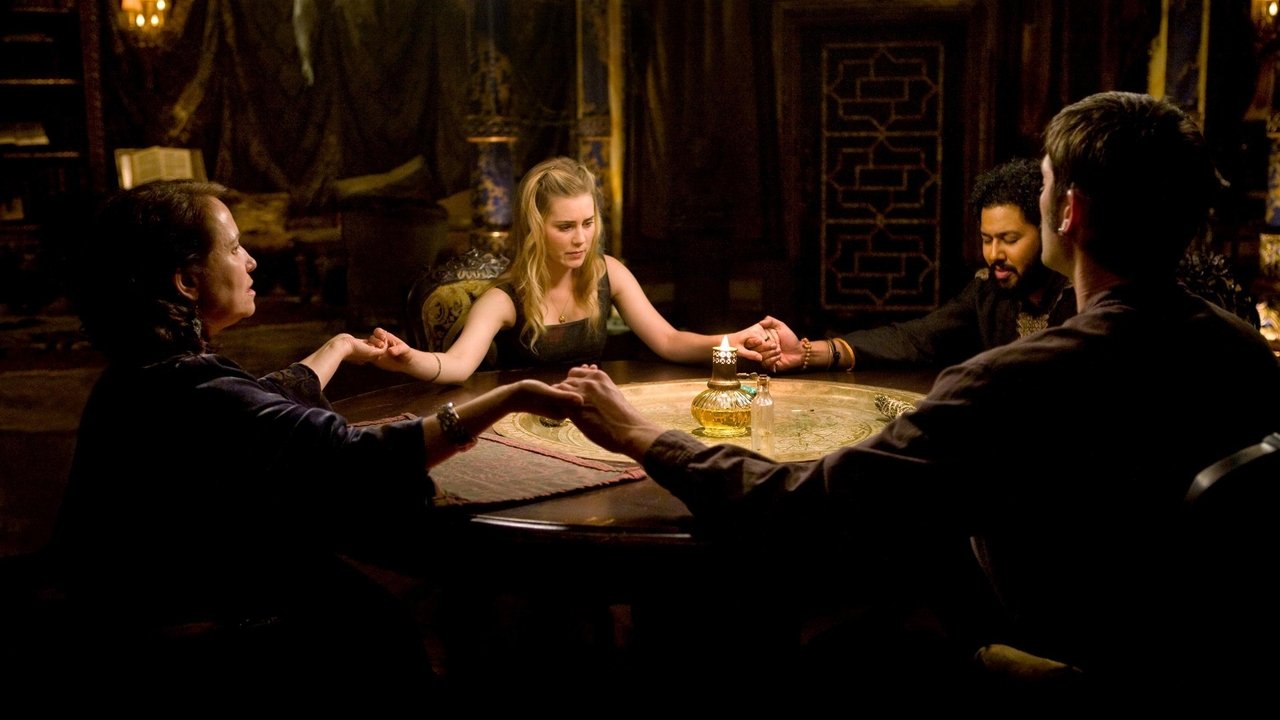
The film strikes a bizarre balance between genuinely terrifying and hilarious. One minute, Christine is being haunted by a demonic shadow, and the next, she’s accidentally spraying a fountain of blood directly into her boss’s face (played with perfect dryness by David Paymer). This is Raimi's "Three Stooges" DNA coming through. He wants you to scream, but he also wants you to laugh at the absurdity of a talking goat at a séance. If you don’t think a talking goat is scary, you haven't lived through the 2000s indie-to-mainstream shift.
Practical Magic in a Digital Age
Looking back, Drag Me to Hell sits at a fascinating crossroads of special effects. We were moving deep into the CGI-everything era, but Raimi—ever the practical effects junkie—kept things tactile. When Christine gets vomited on, that’s real slime. The crew reportedly used various mixtures of methylcellulose and food coloring to get the "viscosity" just right. I read somewhere that Alison Lohman was so dedicated she actually did many of the stunts involving the various "fluids" herself, which is a level of commitment I simply don't possess.
However, the film doesn't shy away from CGI when it needs to go big. The 2009 digital effects for the Lamia and the final "dragged to hell" sequence have aged remarkably well because they lean into a heightened, comic-book aesthetic rather than trying for gritty realism. It helps that the cinematography by Peter Deming (who worked on Mulholland Drive and Evil Dead II) keeps everything feeling vibrant and claustrophobic. This movie is basically a Looney Tunes cartoon directed by a serial killer.
The Meanest Ending in Modern Horror
As a cult classic, Drag Me to Hell has sparked endless debates about whether Christine deserved her fate. She’s a character who tries to do the right thing—she’s a vegetarian, she’s nice to her boyfriend (Justin Long, playing the ultimate "skeptical 2000s boyfriend"), and she’s just trying to survive a predatory job market. But Raimi doesn't care. He treats his protagonist like a punching bag, and that lack of sentimentality is why the film has such a dedicated following.
The trivia surrounding the production is just as fun as the film. For instance, the car Christine drives is a 1973 Oldsmobile Delta 88—the same car (affectionately known as "The Classic") that has appeared in almost every Sam Raimi movie, including the original Evil Dead. Also, the "Lamia" goat was actually a real goat that the actors had to interact with, which Justin Long later joked was the most professional actor on set.
Drag Me to Hell is a reminder of a time when a major studio would give a blank check to a director just to see how much slime he could throw at a rising star. It’s a perfectly paced, 99-minute exercise in tension and release that doesn't overstay its welcome. While some of the 2009-era CGI "look" might remind you of the early days of high-definition home video, the sheer energy of the direction keeps it feeling fresh. It’s mean, it’s gross, and the ending is the ultimate cinematic gut-punch that leaves you grinning even as you're horrified.


Keep Exploring...
-

Army of Darkness
1992
-

The Gift
2000
-
Devil
2010
-
Darkman
1990
-

House of Wax
2005
-

The Skeleton Key
2005
-

The Hills Have Eyes
2006
-

30 Days of Night
2007
-

Planet Terror
2007
-

The Mist
2007
-

Funny Games
2008
-

The Strangers
2008
-

Friday the 13th
2009
-

Orphan
2009
-

Pandorum
2009
-

Saw VI
2009
-

The Rite
2011
-

Stoker
2013
-

As Above, So Below
2014
-

Deliver Us from Evil
2014