Evangelion: 2.0 You Can (Not) Advance
"The script has changed, and the world is burning."
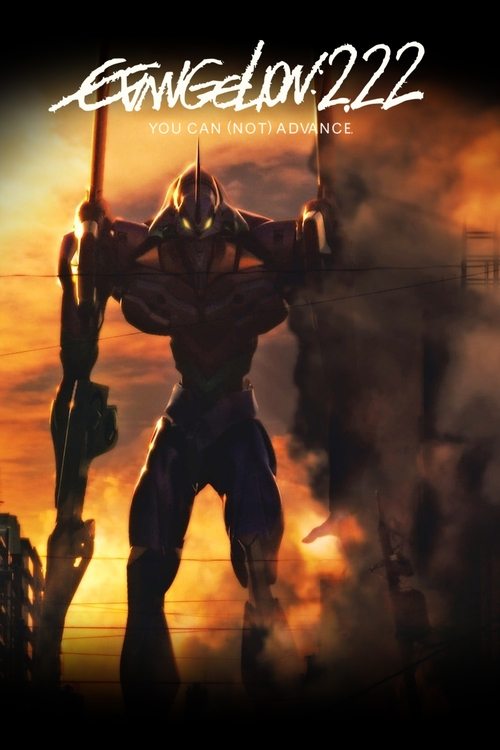
When the first Rebuild of Evangelion movie arrived in 2007, it felt like a polished, high-definition "greatest hits" reel of the original 1995 television series. It was comfortable. It was safe. Then 2009’s Evangelion: 2.0 You Can (Not) Advance hit theaters, and it was as if director Hideaki Anno decided to grab the steering wheel of a nostalgic car ride and veer sharply into a neon-lit canyon.

I first watched this film on a laptop with a hairline fracture across the screen while eating a slice of pizza so cold the cheese had the structural integrity of a floor tile. Even in those subpar conditions, the final twenty minutes of 2.0 left me staring at the credits in a state of genuine shock. This wasn't just a remake; it was an act of cinematic deconstruction.
The Digital Evolution of Despair
Released during that mid-to-late 2000s sweet spot where digital compositing in anime was finally losing its "clunky" adolescence, 2.0 is a technical marvel. The original series was famous for its "beautiful poverty"—stretching tiny budgets by using long, still frames. Here, Studio khara flexes its financial muscles. The Angels, those bizarre, geometric monstrosities threatening Tokyo-3, are no longer just cel-animated drawings; they are shimmering, multidimensional threats that feel alien to the world they inhabit.
The "CGI revolution" of the 2000s often gets a bad rap for looking dated, but Anno and his team used it to emphasize the "otherness" of the invaders. When the Eighth Angel—a massive, lidless eye with a trailing fringe of psychedelic colors—descends from orbit, the scale is staggering. It’s a sequence that demands your attention, proving that digital tools could enhance the hand-drawn grit of the Evas rather than replace it. The film captures that era’s obsession with "more"—more detail, more light, more frames—but it tethers it to a story that is rapidly unraveling.
The Choreography of Chaos
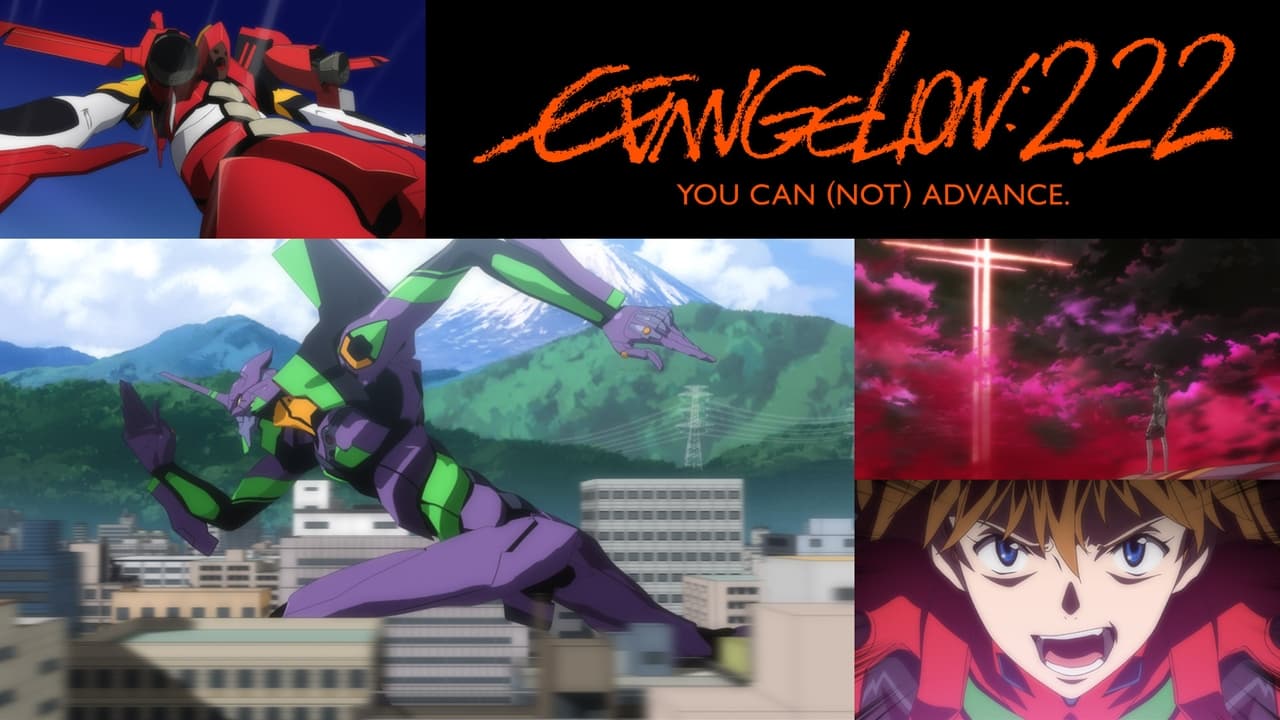
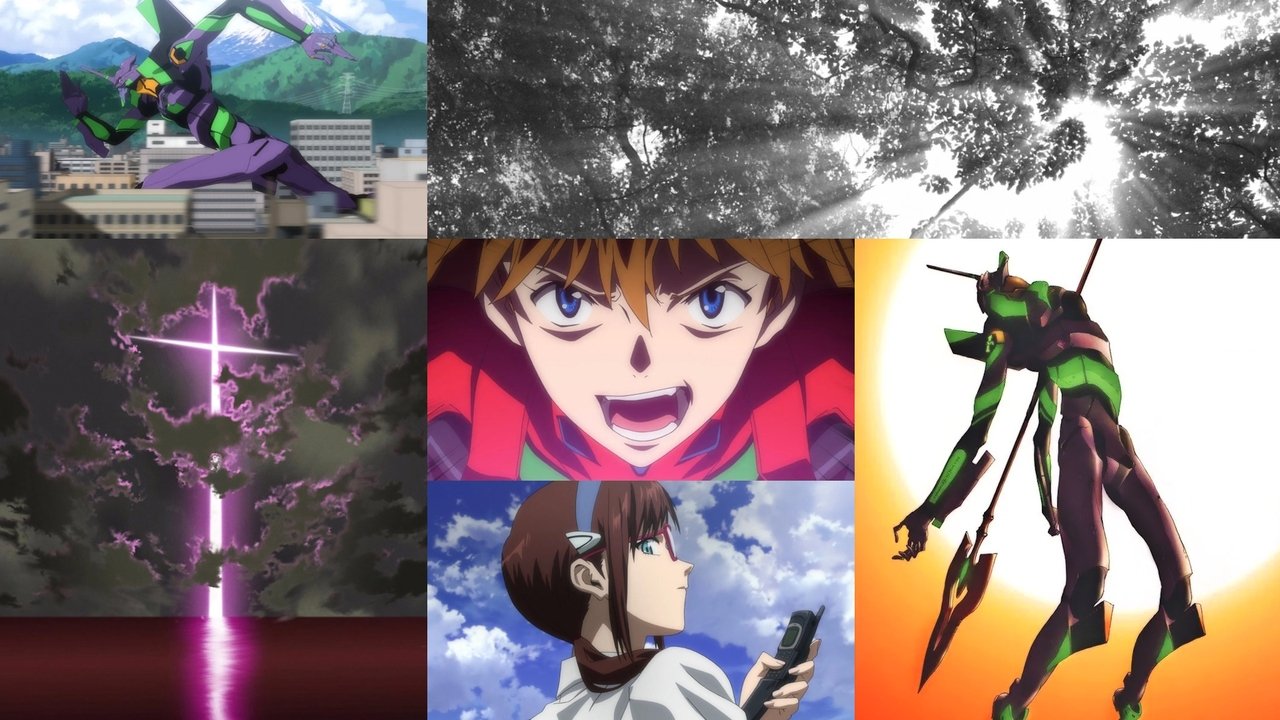
Action in Evangelion has always been less about "cool robots" and more about the traumatic physical cost of pilot and machine being synchronized. 2.0 ups the ante with set pieces that are terrifyingly fast. The introduction of Maaya Sakamoto as Mari Illustrious Makinami—a character who seems to actually enjoy the carnage—injects a chaotic energy that the brooding Megumi Ogata (as Shinji Ikari) desperately needs.
But the real heart of the film is the arrival of Yuko Miyamura as Asuka Shikinami Langley. In the original series, she was a symbol of pride and competition; here, the film moves her through a narrative arc that feels accelerated, like a ticking time bomb. The way the action is staged—particularly the three-man sprint across the city to catch a falling Angel—is a masterclass in momentum. The score by Shiro Sagisu swaps the militaristic drums of the past for soaring, melancholic choral arrangements, making the destruction feel less like a victory and more like a religious ceremony.
Then there is the "subjective weight" of the combat. When an Eva runs, you feel the displacement of air; when it bleeds, it’s not oil, it’s a torrent of crimson that feels disturbingly like a crime scene rather than a cartoon. The physical stakes are high, but they pale in comparison to the psychological ones.
Breaking the Cycle
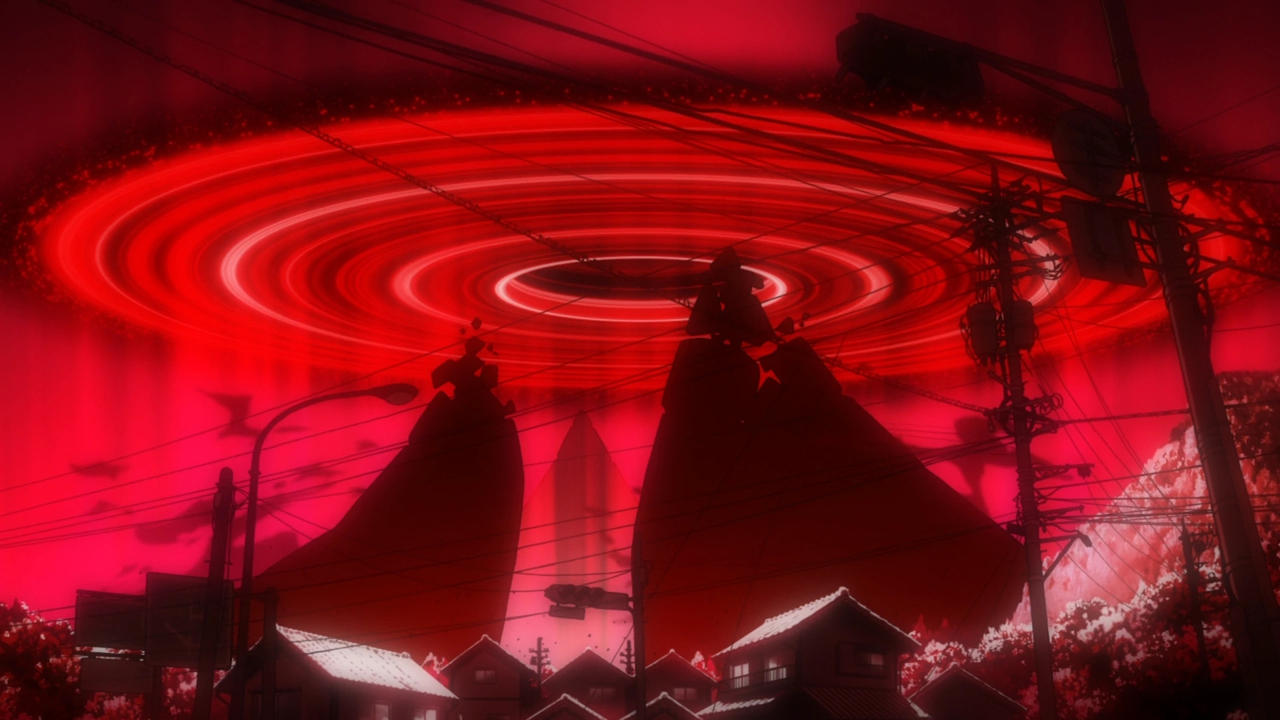
If the first half of the film is a high-octane action blockbuster, the second half is a slow-motion car crash of the soul. Hideaki Anno uses our familiarity with the 1995 plot against us. We expect certain characters to survive or certain events to play out, and when the film diverges, it feels like a betrayal of the "rules."
The climax involves a choice made by Shinji—a boy historically defined by his indecision—that is both heroic and utterly catastrophic. It’s here that the film’s cerebral ambitions take center stage. It asks: What would you sacrifice to save one person? The answer the film provides is messy, bloody, and visually stunning. The use of a cheerful Japanese folk song, "Tsubasa wo Kudasai," over images of an apocalyptic transformation is a stroke of tonal genius that the 2000s era of "edgy" reimagining rarely got right.
Looking back, 2.0 represents a fascinating moment in film history where "fan service" (in the form of new characters and shiny effects) was used as a Trojan horse for a deeply challenging meditation on agency and obsession. It’s a film that basically treats its audience like a stray cat, coaxing it in with treats before throwing it into a cold bath.
Evangelion: 2.0 is the rare sequel that manages to be more exciting than its predecessor while simultaneously being more thoughtful. It bridges the gap between the franchise-building mentality of the late 2000s and the avant-garde experimentalism that made the original series a legend. It’s loud, it’s beautiful, and it’s deeply uncomfortable. If you’ve ever felt like the world was ending because you couldn't find the right words to say to someone, this is the giant robot movie for you.

Keep Exploring...
-

Evangelion: 1.0 You Are (Not) Alone
2007
-

Evangelion: 3.0 You Can (Not) Redo
2012
-

Evangelion: 3.0+1.0 Thrice Upon a Time
2021
-
Neon Genesis Evangelion: The End of Evangelion
1997
-

Cowboy Bebop: The Movie
2001
-
Batman: The Dark Knight Returns, Part 1
2012
-

Batman: The Dark Knight Returns, Part 2
2013
-
Justice League: The Flashpoint Paradox
2013
-
The Girl Who Leapt Through Time
2006
-

Dragon Ball Z: Fusion Reborn
1995
-
Ghost in the Shell 2: Innocence
2004
-
Final Fantasy VII: Advent Children
2005
-
Dragon Ball Z: Battle of Gods
2013
-

Ghost in the Shell
1995
-
From Up on Poppy Hill
2011
-
The Tale of The Princess Kaguya
2013
-
Resident Evil: Damnation
2012
-
Shin Godzilla
2016
-

When Marnie Was There
2014
-
Millennium Actress
2002