Everybody's Fine
"The truth is a detour worth taking."
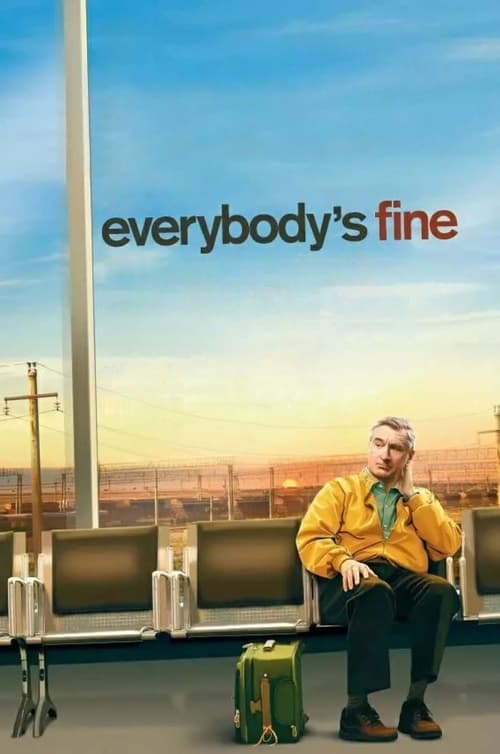
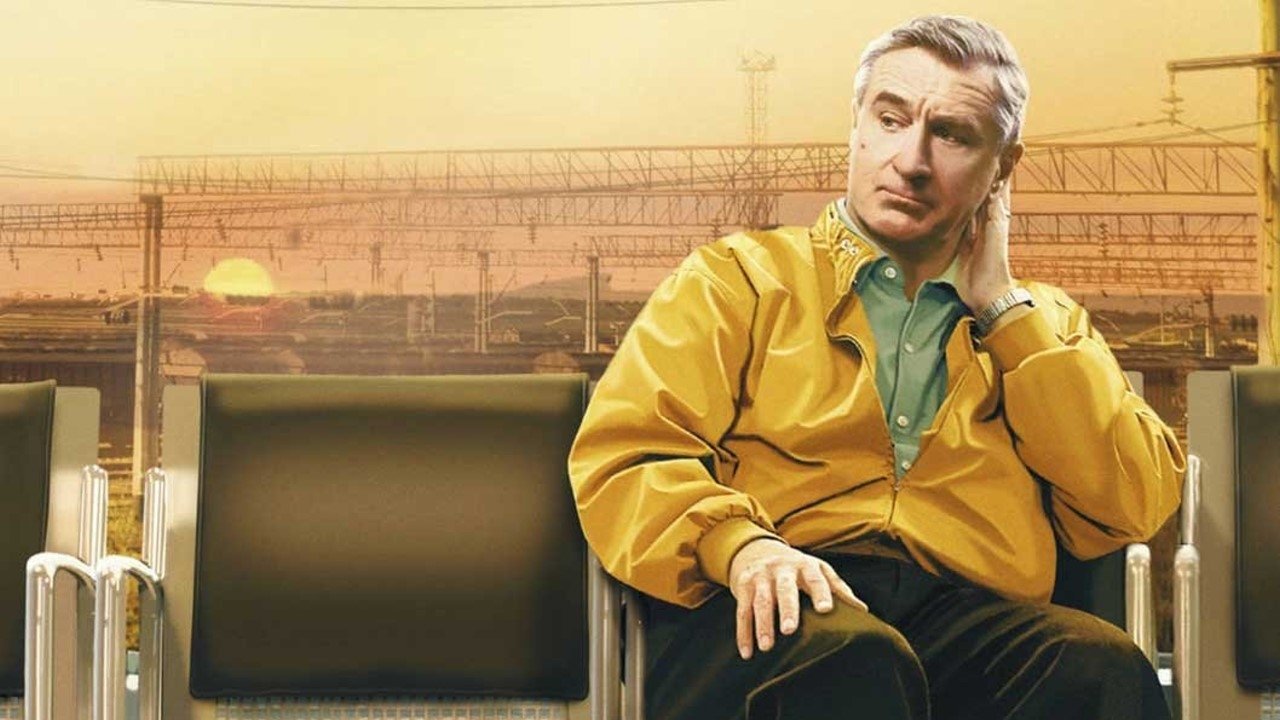
There is a specific, heavy silence that occupies a house once the kids have grown up and moved out—a silence only broken by the hum of a refrigerator and the self-inflicted pressure of a parent trying to be "the glue." In the opening moments of Everybody’s Fine, Robert De Niro is obsessed with this glue. As Frank Goode, a retired factory worker who spent decades coating telephone wires in PVC to protect the lines of communication, he is ironically the most disconnected man in America. He’s prepping the backyard, buying the expensive steaks, and even splurging on a fancy new grill because his four adult children are coming home.
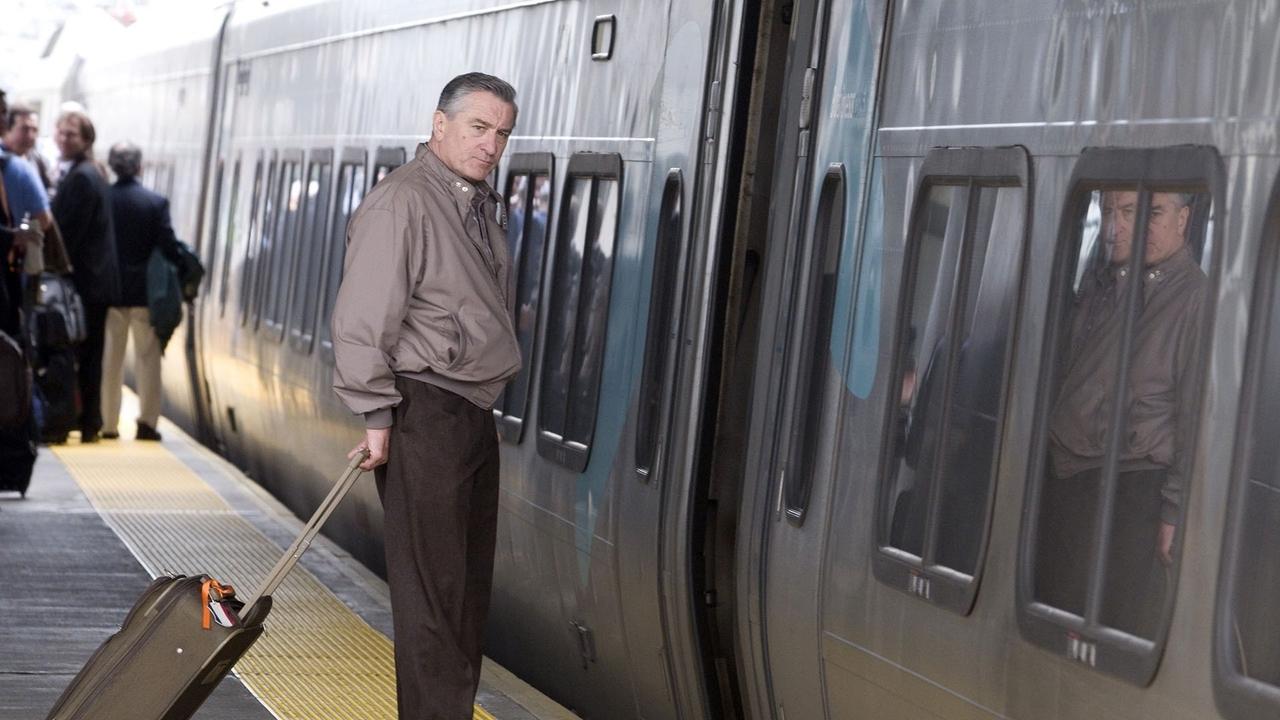
When they all cancel at the last minute via a series of awkward phone calls, Frank decides if they won't come to the mountain, the mountain—equipped with a suitcase and a doctor-defying heart condition—will go to them. It’s a simple premise, a remake of Giuseppe Tornatore’s 1990 Italian film Stanno tutti bene, but in the hands of director Kirk Jones (who gave us the whimsical Waking Ned Devine), it becomes a quintessential "mid-budget 2000s drama" that somehow slipped through the cracks of cinema history.
I watched this on a rainy Tuesday while eating a slightly over-microwaved burrito, and honestly, the sheer "dad-energy" radiating from the screen made me want to call my own father just to apologize for being a disappointment in my twenties.
The Man Who Isn't Raging Anymore
By 2009, we were well into the "Late Period" of Robert De Niro’s career. He had pivoted hard into self-parody with the Meet the Parents franchise and was beginning a long run of paycheck-vibe thrillers. That’s why Everybody’s Fine feels like such a strange, gentle anomaly. There’s no tough-guy posturing here; Frank is a man who is perpetually squinting at the world, trying to see the "success" he demanded from his children.
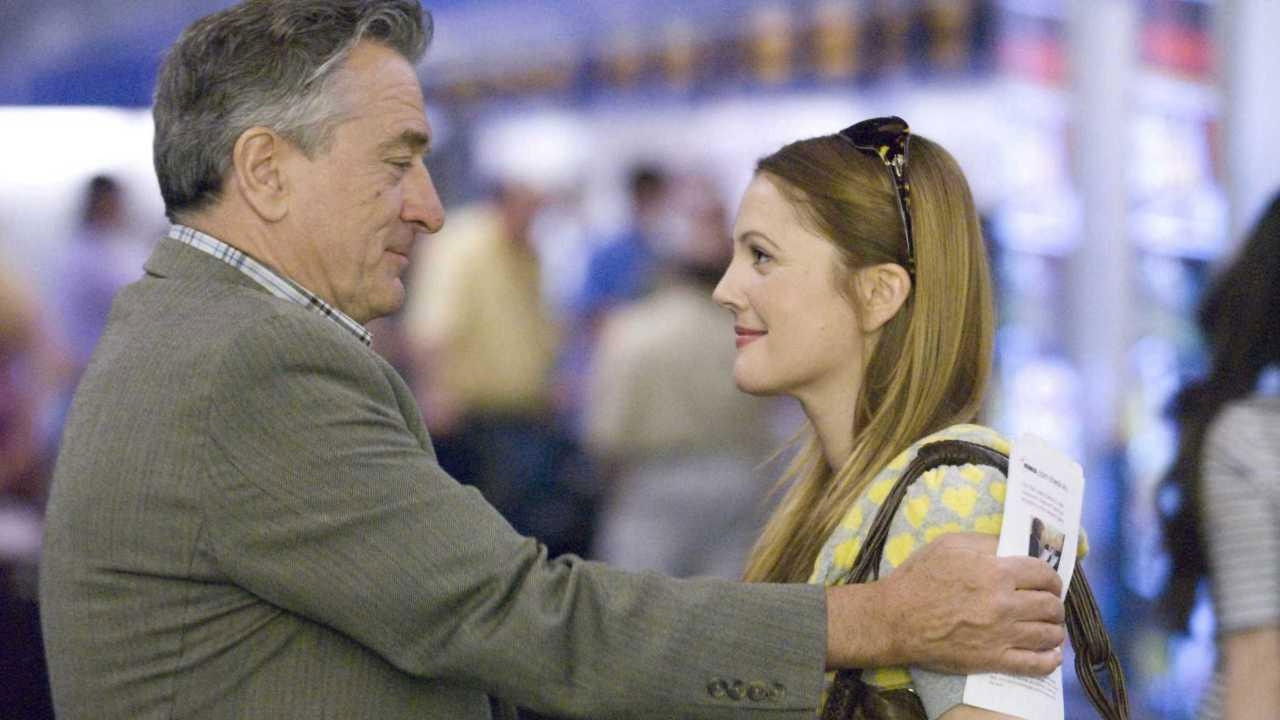
As he hops on buses and trains—avoiding planes because of his ticker—he visits his brood one by one. There’s Amy (Kate Beckinsale, fresh off her Underworld action-heroine peak) in Chicago, looking like a high-powered ad exec; Robert (Sam Rockwell, who can make any role feel lived-in) in Denver, supposedly conducting an orchestra; and Rosie (Drew Barrymore) in Vegas, living the high life.
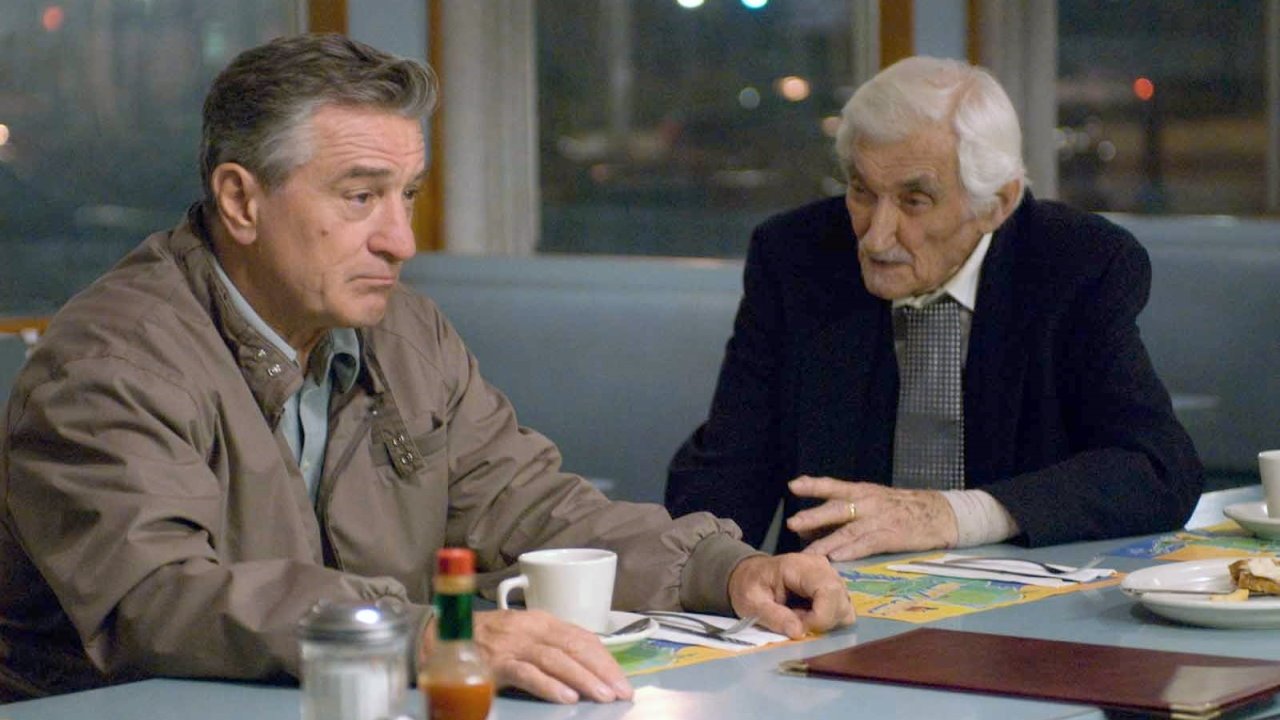
But here’s the kicker: Frank is low-key a nightmare of a father and the kids are right to be terrified of his expectations. The film handles this with a light touch, but the subtext is heavy. Frank was the "enforcer" while his late wife was the "confidante." Now that she’s gone, the kids don’t know how to speak to him without a filter. They lie to him about their jobs, their relationships, and their happiness because they can't bear to see the "Goode Luck" fade from his face. It’s a heartbreakingly relatable dynamic for anyone who has ever rehearsed a "safe" version of their life before a holiday dinner.
A Relic of a Vanishing Era
Looking back at 2009, this movie feels like a postcard from a different Hollywood. This was the tail end of the Miramax era, where "prestige dramas" for grown-ups still got a decent theatrical push. However, Everybody's Fine had the misfortune of opening the same month as James Cameron’s Avatar. It was a David vs. Goliath situation, except David was an elderly man in a beige jacket and Goliath was a ten-foot-tall blue alien on a dragon. It’s no wonder the film vanished into the "bargain bin" category.
The cinematography by Henry Braham (Guardians of the Galaxy Vol. 2) captures a very specific, chilly American landscape. The grey bus stations and the sterile suburban homes reflect Frank’s internal isolation. There’s a recurring visual motif of telephone wires stretching across the horizon—a nod to Frank’s life work—reminding us that while the wires are fine, the messages traveling through them are all scrambled.
Interestingly, the film captures the pre-smartphone transition. Frank carries a disposable camera and waits for actual payphones. It’s a technological snapshot of a time when you could still "disappear" for a few days on a road trip without a GPS tracker in your pocket. This tech-gap adds to Frank’s displacement; he’s a man of analog wires in a digital world he doesn't quite trust.
Stuff You Might Have Missed

The production has some gems hidden in the credits. Paul McCartney reportedly wrote the original song "(I Want to) Come Home" specifically for the film after seeing a rough cut and relating to the father-child disconnect. It’s a soulful track that actually earned a Golden Globe nomination, proving that even if the box office was cold, the industry respected the attempt.
Another fun detail: Robert De Niro actually insisted on traveling by train and bus for parts of the production to get into Frank’s weary, transit-focused mindset. He also spent time with actual line workers to understand the physical toll of the job Frank retired from. It’s that old-school Method prep applied to a character who is fundamentally ordinary.
The film also features a brief, pre-stardom appearance by Melissa Leo as a truck driver who gives Frank a lift. It’s a small, grounded scene that reminds you how much talent was packed into this "forgotten" movie. It wasn't trying to change the world; it was just trying to tell a story about why we lie to the people we love the most.
Everybody's Fine isn't a life-altering masterpiece, but it’s a deeply felt, quiet drama that deserves a second look. It’s a film about the "curated self" we present to our families—a theme that has only become more relevant in the age of Instagram. If you can handle a few moments of heavy-handed sentimentality, you’ll find a surprisingly nuanced performance from a legendary actor who finally decided to stop being the "Godfather" and start being a human being. It’s a perfect "Sunday afternoon" movie for when you’re feeling a little contemplative and slightly guilty about not returning your dad's last three texts.
Keep Exploring...
-

What to Expect When You're Expecting
2012
-
Mary Shelley's Frankenstein
1994
-
Frost/Nixon
2008
-

Whip It
2009
-

Laggies
2014
-
This Boy's Life
1993
-

Edge of Darkness
2010
-
First Daughter
2004
-
Flight of the Phoenix
2004
-
Jersey Girl
2004
-

Raise Your Voice
2004
-
The Forgotten
2004
-
Walking Tall
2004
-

A Lot Like Love
2005
-
Broken Flowers
2005
-

Casanova
2005
-
Derailed
2005
-

Get Rich or Die Tryin'
2005
-
Good Night, and Good Luck.
2005
-

Ice Princess
2005