Fast & Furious
"The original crew returns to shift the franchise's gears."
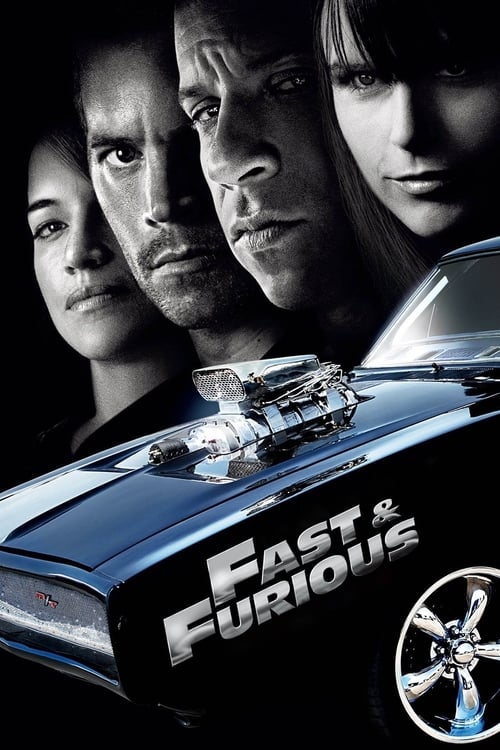
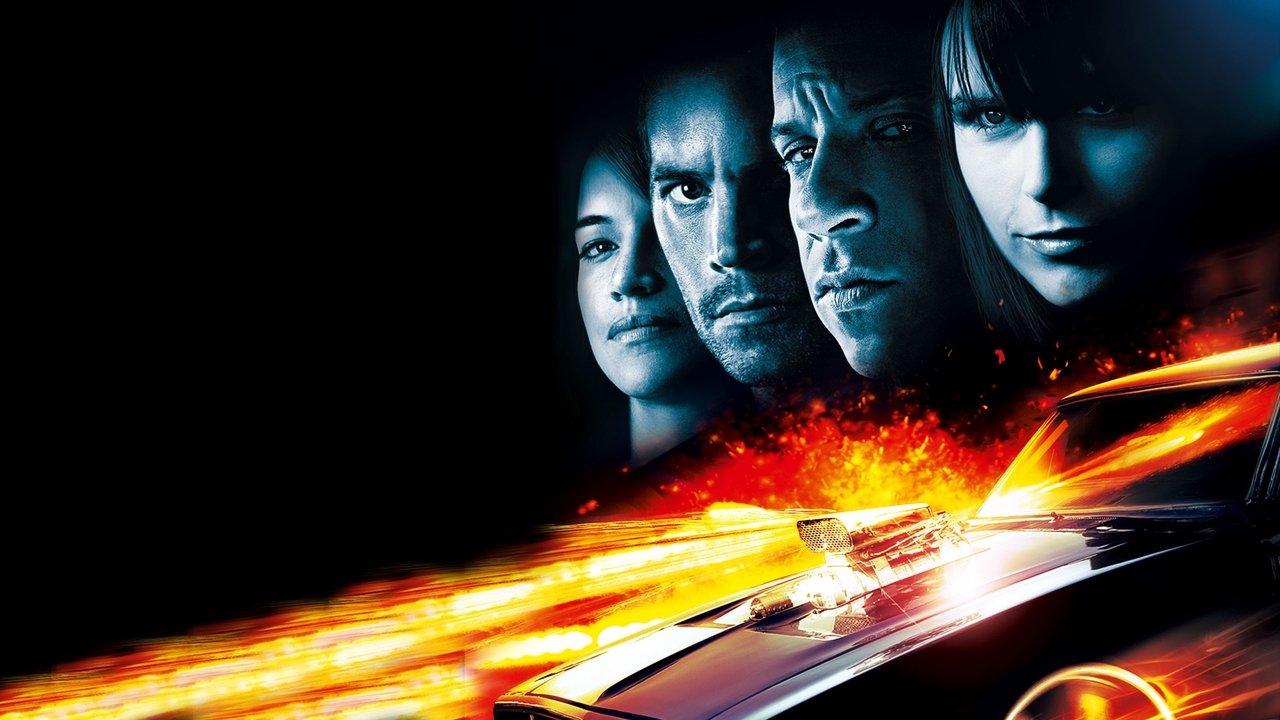
The low-frequency thrum of a 1970 Dodge Charger isn’t just a sound; it’s a vibration that settles in your teeth. I remember sitting in a theater in 2009, surrounded by the smell of overpriced popcorn and the faint scent of someone’s heavy-duty vanilla body spray, and realizing within the first five minutes that the Fast & Furious franchise had finally decided what it wanted to be when it grew up. It wasn't just about under-glow neon and illegal street races anymore; it was about to become a heist-fueled soap opera with a nitrous tank strapped to its back.
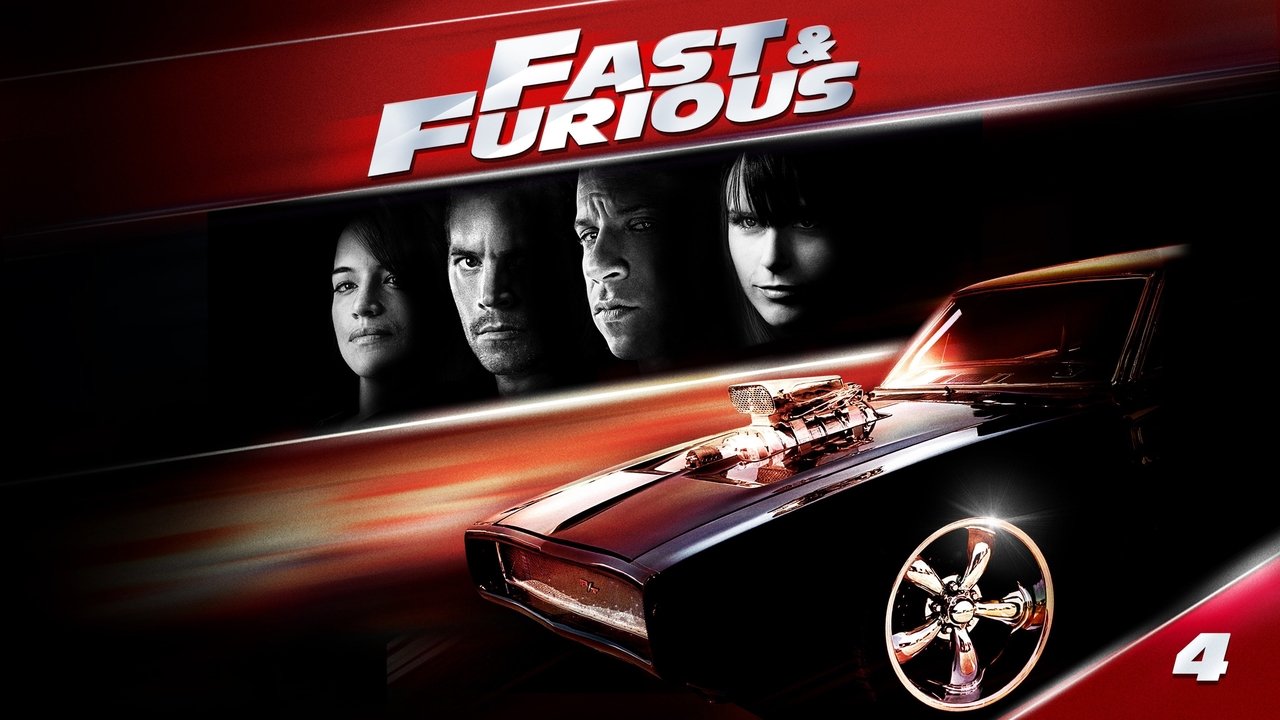
Before this fourth entry, the series was effectively on life support. Tokyo Drift had been a fun, sideways diversion, but it lacked the star power that made the 2001 original a cultural touchstone. I remember a guy in my college dorm trying to convince me that the series should have died with Paul Walker’s frosted tips in 2 Fast 2 Furious. But then Justin Lin, coming off the cult success of Better Luck Tomorrow and the technical exercise of Drift, teamed up with Vin Diesel to bring the "family" back together. The result was a film that felt like a high-school reunion where everyone had grown up, gotten a little more cynical, and started carrying bigger guns.
The Great Pivot: From Tuners to Heists
Looking back from our current era of "superhero" Dom Toretto, Fast & Furious (2009) is a fascinating middle ground. It’s the "soft reboot" that saved the brand. The opening sequence—a high-stakes fuel tanker heist in the Dominican Republic—is a masterclass in escalating tension. Seeing Vin Diesel’s Dom and Michelle Rodriguez’s Letty timing a drive under a bouncing, flaming oil drum is pure 2000s action cinema. It has that gritty, tactile weight that the later, more CGI-heavy entries started to lose.
However, once the action shifts back to Los Angeles, you can see the era’s fingerprints all over the production. We were right in the thick of the "gritty reboot" phase of Hollywood, influenced by the success of The Dark Knight and Casino Royale. Everything is a bit desaturated, the stakes are life-and-death, and Paul Walker’s Brian O'Conner has traded his surf-bro vibe for a crisp FBI suit. I once tried to shift gears with the same intense, jaw-clenched precision as Dom while driving my old 2005 Honda Civic into a Taco Bell drive-thru, and I nearly stalled it in front of a very confused teenager. That’s the kind of misguided "cool" this movie radiates.
Digital Tunnels and Practical Steel
One of the most interesting things about revisiting this film is seeing the CGI revolution in its awkward teenage years. Justin Lin and cinematographer Amir Mokri (who worked on Bad Boys II) do a great job with the practical car chases, but the climactic sequence through the underground smuggling tunnels is where the digital seams show. In 2009, those "rubber" cars weaving through the dark felt cutting-edge; today, they look a bit like a high-end PlayStation 3 game.
But that’s part of the charm. This was a transition period where filmmakers were still figuring out how to blend real stunt work with digital environments. The film’s stunt coordinator, Terry Leonard (the legend who did the truck drag in Raiders of the Lost Ark), ensures the physical hits feel painful. When a car flips here, it feels like several tons of steel meeting the pavement, not a weightless digital asset. The film’s budget of $85 million shows up in the sheer amount of crumpled metal, and it’s a testament to the production's scale that it looks more "real" than many $200 million blockbusters released ten years later.
A Box Office Juggernaut
The cultural impact of this specific entry can’t be overstated. It didn't just perform well; it shattered the glass ceiling for April releases. At the time, an $70 million opening weekend in April was unheard of. It proved that audiences weren't just nostalgic for the cars; they were nostalgic for the chemistry between Vin Diesel and Paul Walker. Their "grudging brothers" dynamic is the engine of the film. While the plot—involving a drug kingpin named Braga (played with a nice layer of slime by John Ortiz)—is fairly standard crime thriller fare, the way Dom and Brian orbit each other is what keeps you watching.
I genuinely believe the franchise's obsession with "family" was actually a survival tactic that started right here. By bringing back Jordana Brewster and Michelle Rodriguez, the film signaled to the audience that these characters mattered more than the vehicles they drove. It turned a series of car movies into a serialized drama. It’s also the film that introduced Gal Gadot to the world as Gisele, long before she became Wonder Woman. It’s a snapshot of a franchise gathering its strength before the leap into the stratosphere that would happen with Fast Five.
This isn't the best entry in the series—that’s a toss-up between Fast Five and the original—but it is arguably the most important one. It’s the bridge between the neon-soaked street racing of the early 2000s and the global espionage spectacle we have now. It’s a bit too self-serious at times, and the CG tunnels haven't aged gracefully, but the core chemistry is undeniable. If you’re looking for a slice of 2009 action that knows exactly how to get your pulse racing, this is the one that proved "original parts" were still the best way to build a machine.
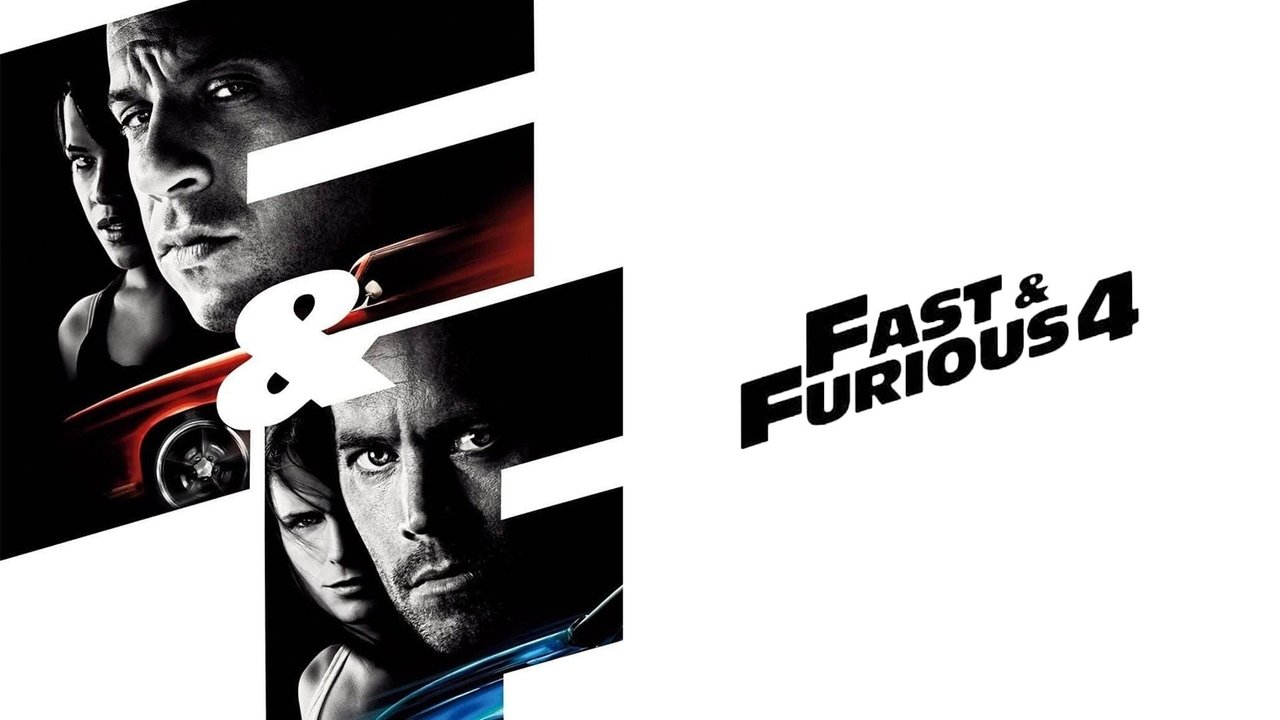
Keep Exploring...
-
Fast & Furious 6
2013
-
Fast Five
2011
-

The Fast and the Furious: Tokyo Drift
2006
-
Furious 7
2015
-
F9
2021
-
The Fate of the Furious
2017
-
The Fast and the Furious
2001
-
2 Fast 2 Furious
2003
-
Fast X
2023
-
xXx
2002
-
Jack Reacher
2012
-
Need for Speed
2014
-
Cellular
2004
-
Vantage Point
2008
-

Wanted
2008
-
Takers
2010
-
Patriot Games
1992
-
In the Line of Fire
1993
-
The Net
1995
-
Gangster Squad
2013