Fish Tank
"Escape is just a dance move away."
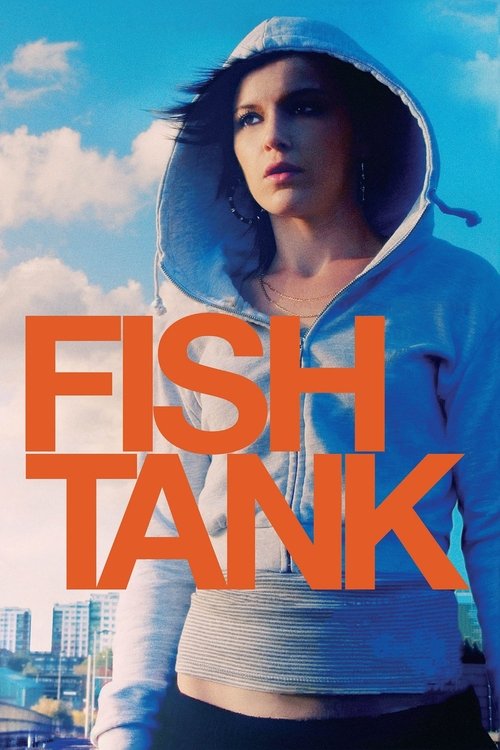
The first thing you notice about Fish Tank isn't the gray sky of an Essex housing estate or the aggressive shouting matches between a mother and daughter. It’s the shape of the screen. Director Andrea Arnold shoots the whole thing in a 4:3 aspect ratio—that nearly square box we all grew up with on tube TVs. In an era where 2009 cinema was pushing for wider, more "cinematic" digital spectacles, Arnold uses this box to trap us. It makes the world feel small, cramped, and breathless. It’s a cage, and our protagonist, 15-year-old Mia, is the bird constantly beating her wings against the wire.
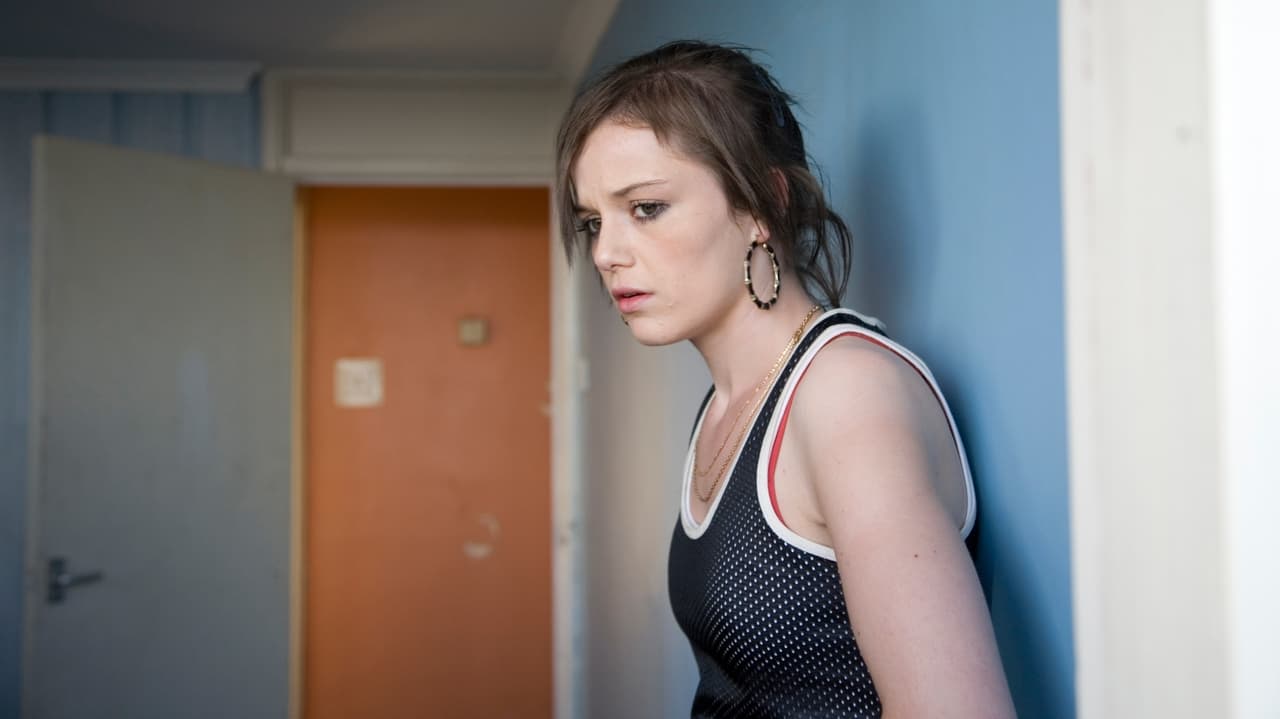
I remember watching this for the first time on a rainy Tuesday afternoon while nursing a lukewarm cup of peppermint tea that I’d forgotten to actually steep. There’s something about the British kitchen-sink drama that pairs perfectly with a gloomy day and a sense of mild disappointment. But Fish Tank isn't just another "miserablist" UK indie; it has a heartbeat that pulses with a strange, dangerous electricity.
The Girl at the Train Station
The story of how this movie even exists is the stuff of indie legend. Andrea Arnold didn’t find her lead at an elite acting school or through a posh talent agency. A casting assistant literally spotted Katie Jarvis arguing with her boyfriend at the Tilbury Town railway station. Jarvis had zero acting experience, and that lack of polish is exactly why the movie works.
As Mia, Jarvis is a revelation of scowls and hidden vulnerability. She’s been kicked out of school, she’s at war with her "party-girl" mother, and her only outlet is practicing hip-hop routines in an abandoned flat. If this were a Hollywood movie, she’d win a dance competition and get a scholarship to Juilliard. But this is an Andrea Arnold film—it’s the best movie about a teenager that isn’t actually for teenagers. There are no easy victories here, only the raw, messy reality of trying to find a sense of self when your environment is trying to swallow you whole.
The Fassbender Factor
Then there’s Connor. Enter Michael Fassbender, right as he was transitioning from "that guy in 300" to a legitimate powerhouse (this was the same year he showed up in Quentin Tarantino’s Inglourious Basterds). Connor is the new boyfriend of Mia’s mother, Joanne (Kierston Wareing). He’s charming, he listens to Mia, and he encourages her dancing. For a girl who has spent her life being told she’s a "f***ing nightmare," Connor feels like a lifeline.

Fassbender plays the role with a terrifyingly subtle magnetism. He doesn't come across as a villain initially; he’s the "cool" guy who brings a camcorder into the house and takes the family on a trip to the countryside. But as the boundary between "father figure" and "something else" begins to blur, the tension becomes almost unbearable. Looking back, this performance is a masterclass in how to play a predator who genuinely thinks he’s a nice guy. The chemistry between Jarvis and Fassbender is electric but deeply uncomfortable—you want her to be seen, but you dread the cost of that attention.
Poetry in the Projects
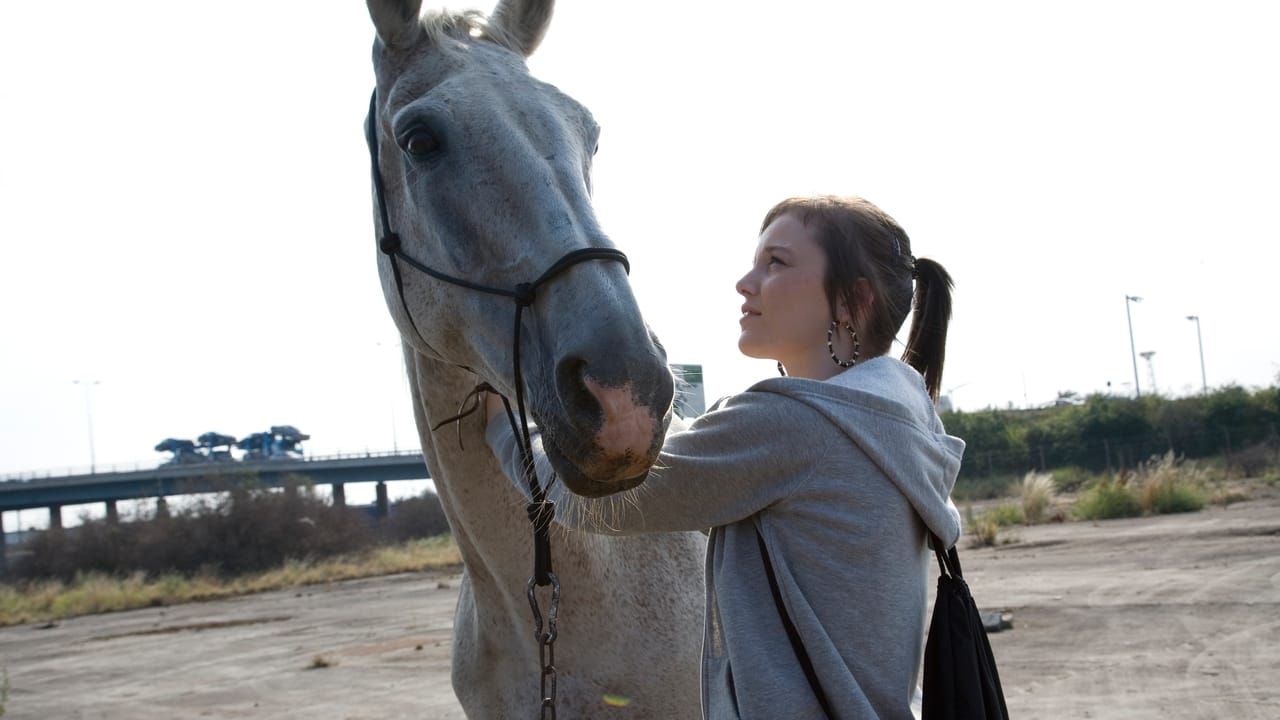
What separates Fish Tank from the pack is the cinematography of Robbie Ryan (who later lensed The Favourite and Poor Things). Even though the setting is bleak, the film is visually stunning. Ryan captures the way light hits a chain-link fence or the golden hour over a wasteland in a way that feels poetic rather than voyeuristic. He shoots with a handheld intimacy that makes you feel like you're standing three feet away from the characters, catching every flicker of doubt on their faces.
The film also benefits from a "no-score" approach, relying instead on the music playing in the world of the characters. Whether it’s the booming bass of a car stereo or the haunting soul of Bobby Womack’s "California Dreamin’," the music is a character in itself. It’s the bridge between Mia’s grim reality and the freedom she’s trying to dance her way into.
Interestingly, Arnold filmed the movie in chronological order and didn't give the actors the full script in advance. Jarvis and the rest of the cast often only knew what was happening on the day of shooting. You can feel that uncertainty in the performances; the shocks feel like real shocks because, in a way, they were.
A Modern Indie Landmark
Looking back at the 2000s, Fish Tank represents a peak for the "British New Wave." It was a time when digital cameras were starting to allow for a more nomadic, fly-on-the-wall style of filmmaking, yet Arnold chose to shoot on 35mm film to keep that rich, grainy texture. It feels like a bridge between the analog past and the digital future.
The movie doesn't offer a tidy ending with a bow on top. It offers a moment of catharsis—a dance in a kitchen—that feels more earned than any blockbuster finale. It’s about the realization that the "fish tank" you’re trapped in might be small, but you’re the one who decides whether to keep swimming or stop.
Fish Tank is a tough, beautiful, and occasionally heartbreaking watch that cements Andrea Arnold as a vital voice in cinema. It’s a film that demands your attention and stays in your head long after the credits roll. If you can handle the emotional weight, it’s a journey worth taking. Just maybe don't watch it with your mom’s new boyfriend.

Keep Exploring...
-

American Honey
2016
-
Garden State
2004
-
Primer
2004
-
Hard Candy
2005
-

Mysterious Skin
2005
-

The Squid and the Whale
2005
-
Brick
2006
-
Half Nelson
2006
-

High School Musical
2006
-
Imagine Me & You
2006
-
Once
2007
-

The Man from Earth
2007
-
The Orphanage
2007
-
This Is England
2007
-
Felon
2008
-
Let the Right One In
2008
-

Waltz with Bashir
2008
-

Blood and Bone
2009
-
Bronson
2009
-

Dogtooth
2009