Hachi: A Dog's Tale
"Loyalty has no expiration date."
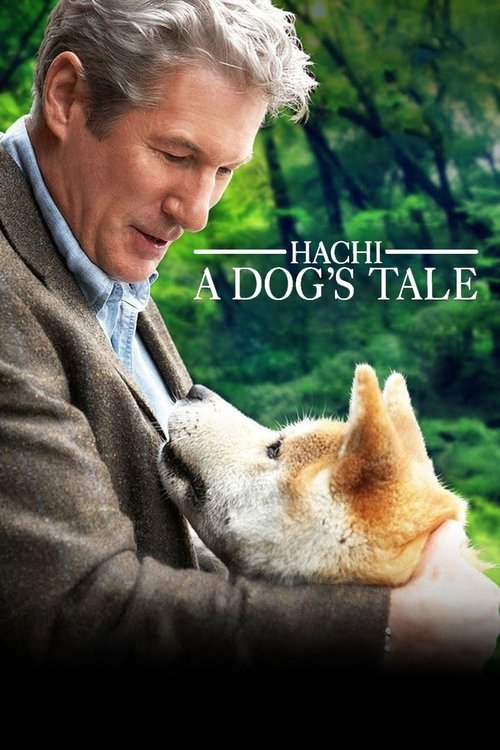
There is a specific kind of silence that only exists at a train station after the last commuter has hurried home. It’s a hollow, ringing quiet, punctuated only by the hum of the vending machines and the wind whistling through the tracks. I find myself thinking about that silence every time I revisit Hachi: A Dog’s Tale. In 2009, while the rest of the cinematic world was busy being blinded by the neon blue of Avatar or the frantic metal-crunching of Transformers: Revenge of the Fallen, this little film slipped into the cultural consciousness like a soft, persistent rain. It didn’t need 3D glasses; it just needed you to have a pulse and, perhaps, a very absorbent box of tissues.
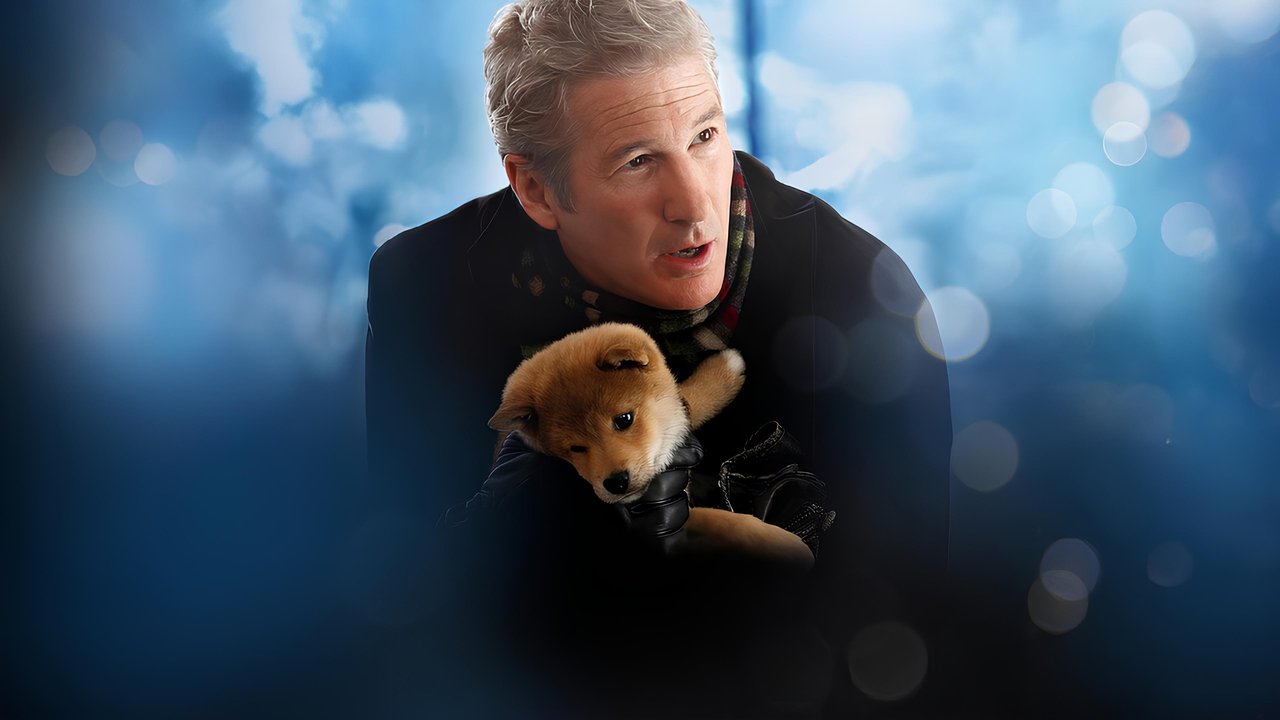
I first watched this on a Tuesday evening while nursing a cup of coffee that had gone Stone Age cold because I’d forgotten I was holding it. That’s the "Hachi effect." It’s a film that demands a certain stillness from the viewer, a willingness to step out of the hyper-kinetic pace of modern life and enter the slow, rhythmic world of a New England professor and his Akita.
The Architecture of a Devoted Bond
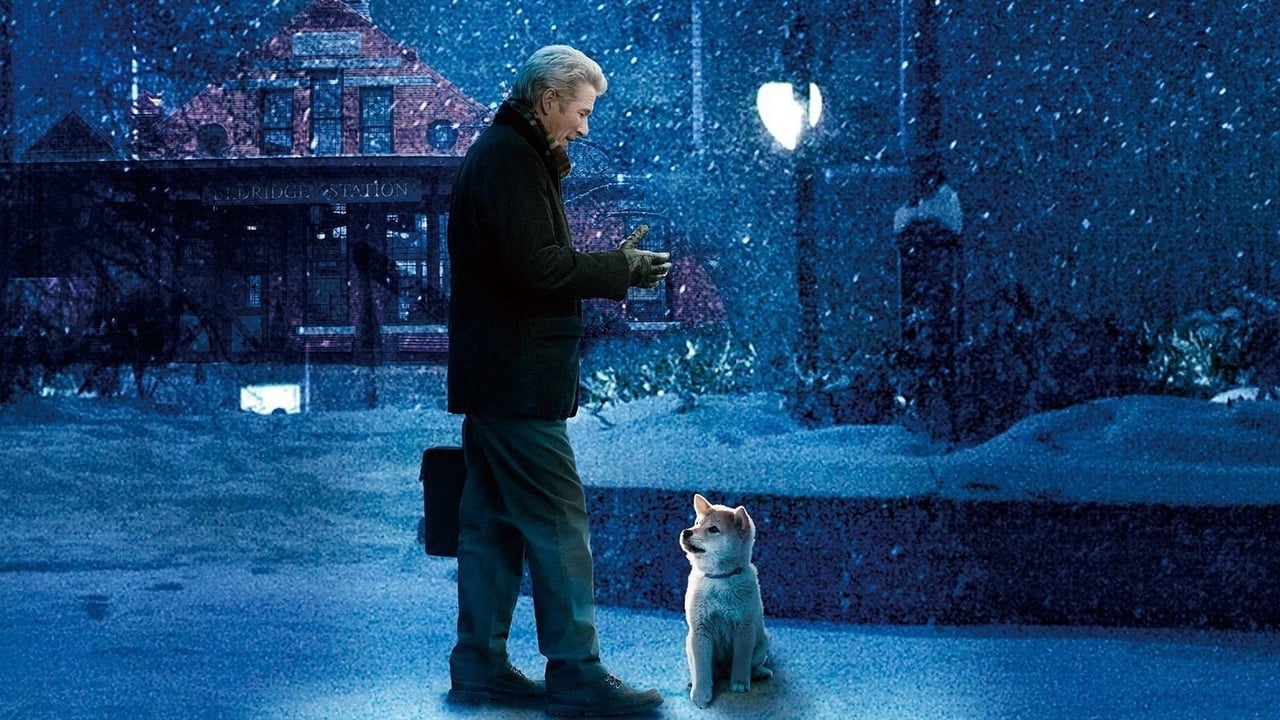
On paper, the premise sounds like a recipe for a saccharine Disaster with a capital D. A college professor finds a lost puppy, takes him home, and they become best friends. But under the direction of Lasse Hallström, a man who practically holds a PhD in cinematic sentiment (having directed The Cider House Rules and Chocolat), the film avoids the "talking dog" tropes of the early 2000s. There are no wacky hijinks or CGI-assisted facial expressions here.
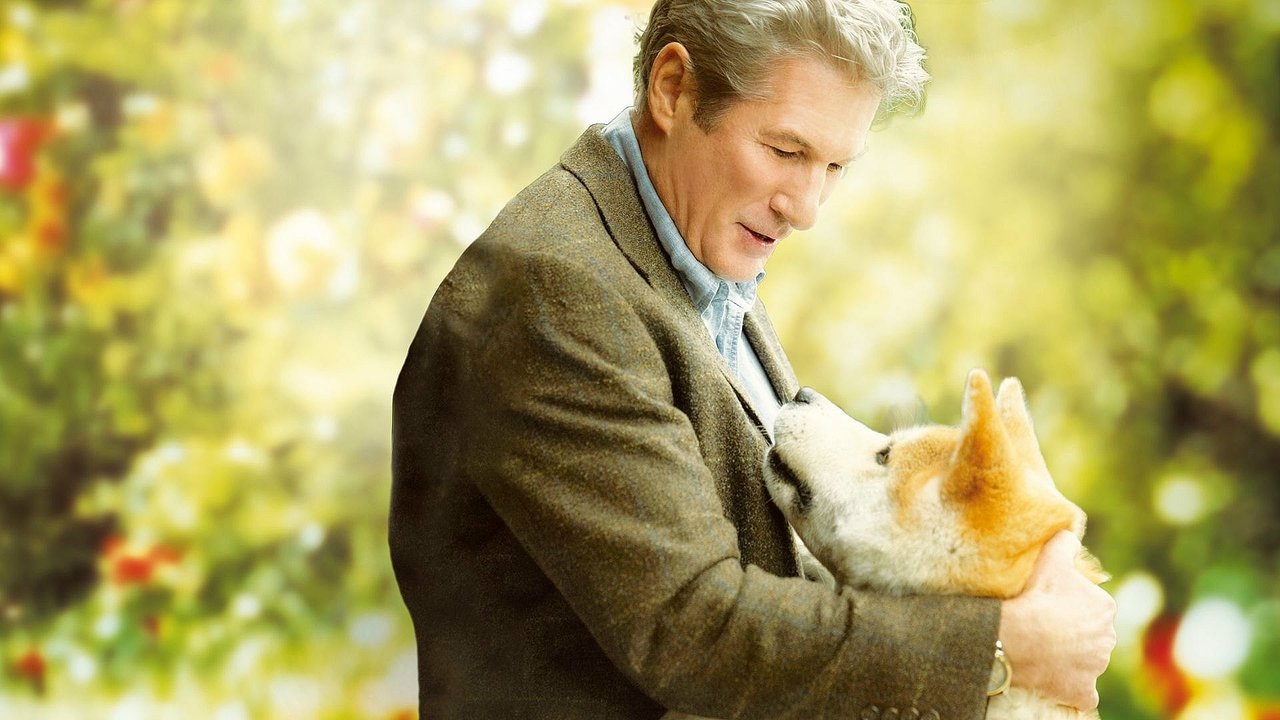
Instead, we get Richard Gere in what I consider to be one of his most soulful, "Zen-era" performances. Playing Parker Wilson, Gere exudes a warmth that feels entirely unforced. You can tell he actually spent time with these dogs. The chemistry isn't manufactured in an edit suite; it’s in the way he rolls on the floor trying to teach Hachi to fetch—a task the dog famously refuses to do because, as his friend Ken (Cary-Hiroyuki Tagawa) explains, Akitas don't perform for treats. They only "fetch" when there is a profound emotional reason. The dog isn't just a pet; he’s a four-legged philosopher testing the boundaries of human patience.
The Philosophy of the Platform
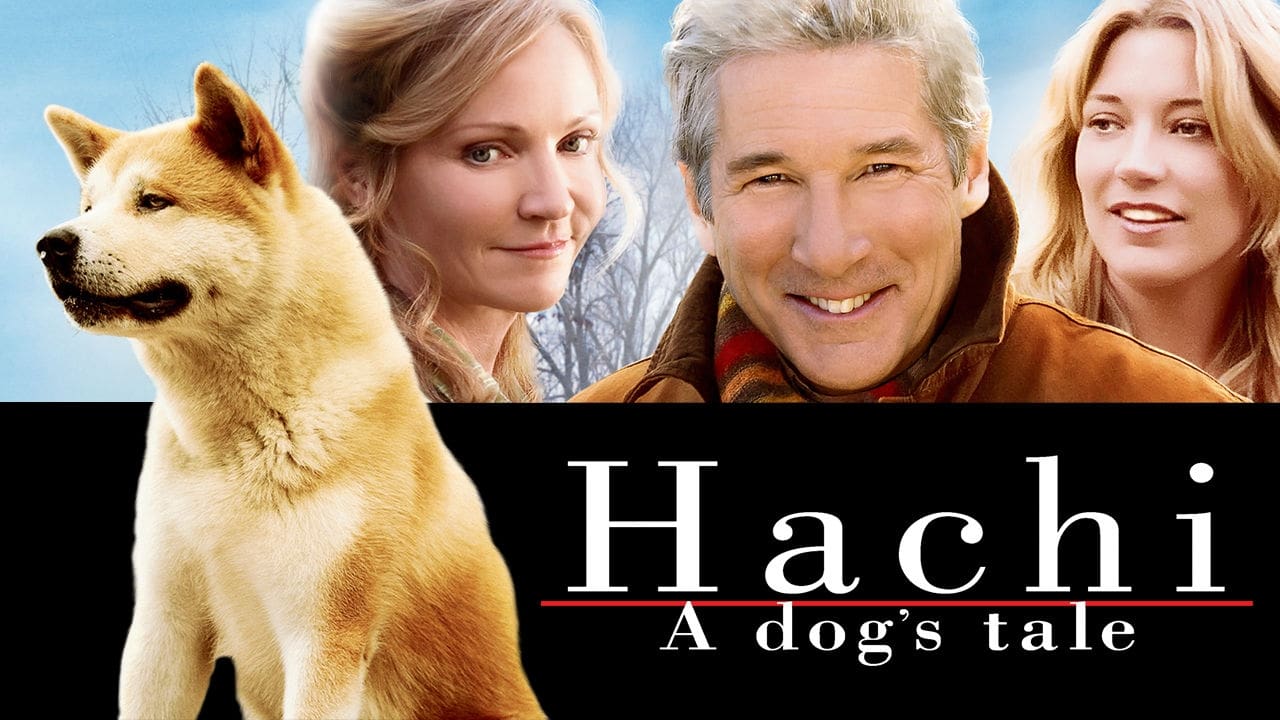
The middle act of the film shifts into something much more cerebral than your standard family drama. It becomes a meditation on the concept of "The Wait." After a sudden tragedy—which the film handles with a grace that is almost startling for a 2000s tear-jerker—the narrative focuses on Hachi’s daily ritual of meeting the 5:05 PM train.
This is where the movie earns its prestige. It asks a deeply human question through a non-human lens: What is the nature of loyalty when the object of that loyalty is gone? For Hachi, time ceases to be linear. He becomes a permanent fixture of the landscape, a living statue that challenges the transience of the commuters rushing past him. Joan Allen, playing Parker’s widow Cate, delivers a masterclass in restrained grief. When she returns years later and sees Hachi still sitting there, her reaction isn't a Hollywood "big cry." It’s a moment of profound, quiet recognition. She realizes that while the humans have moved on, Hachi has chosen to live in a perpetual state of devotion.
Crafting a Modern Folk Tale
Technically, the film is a fascinating bridge between the analog sentimentality of the 90s and the digital polish of the 2010s. The score by Jan A. P. Kaczmarek (who won an Oscar for Finding Neverland) is the film's secret weapon. It’s a recurring piano motif that feels like the ticking of a clock or the steady beat of a heart. It never tells you how to feel; it just keeps time.
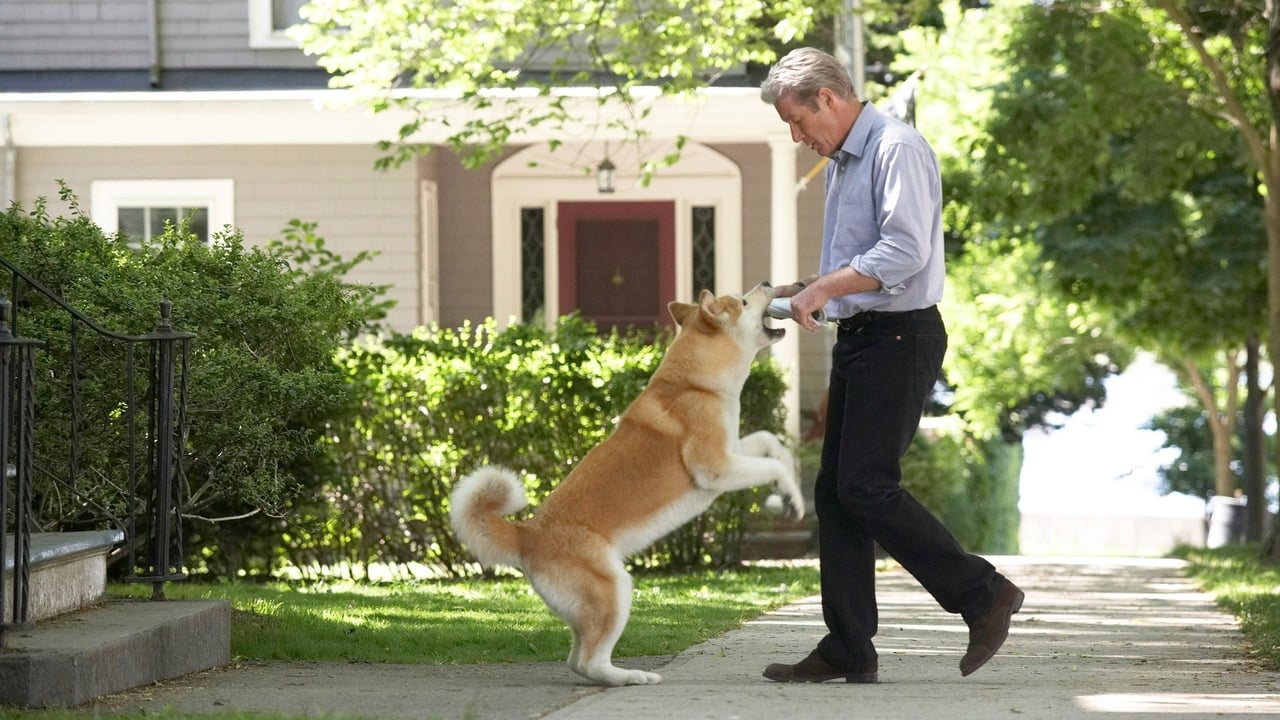
There are a few bits of trivia that make the production even more endearing. While the story is set in Rhode Island, it is, of course, a remake of the 1987 Japanese film Hachikō Monogatari, based on the real-life dog who waited at Shibuya Station in the 1920s. To get the performance right, three different Akitas—Leyla, Chico, and Forrest—were used to portray Hachi at different ages. Apparently, Richard Gere was so committed to the authenticity of the bond that he refused to use a stunt double for the scenes where he had to wrestle with the dogs in the mud.
Looking back, Hachi feels like a "prestige" film that didn't need the awards circuit to prove its worth. It skipped a major US theatrical release, going straight to cable and DVD, yet it has a higher audience rating on many platforms than the Best Picture winners of its era. It’s a movie that relies on the power of the "gaze"—the way a dog looks at a man, and the way a community looks at a dog. It manages to be heartbreaking without being manipulative, which is the hardest trick in the cinematic book.
Ultimately, Hachi: A Dog’s Tale is a rare specimen: a family film that respects the intellect and emotional maturity of its audience. It doesn't use the dog to pull a fast one on your heartstrings; it uses the dog to explore the very nature of love and the passage of time. It’s a quiet masterpiece of the "Modern Cinema" era that reminds us that some stories don't need explosions or complex lore to be epic. Sometimes, all you need is a train station, a piano, and a very good boy.
Keep Exploring...
-

What's Eating Gilbert Grape
1993
-
The Iron Giant
1999
-

Pride & Prejudice
2005
-

About Time
2013
-
The Hundred-Foot Journey
2014
-
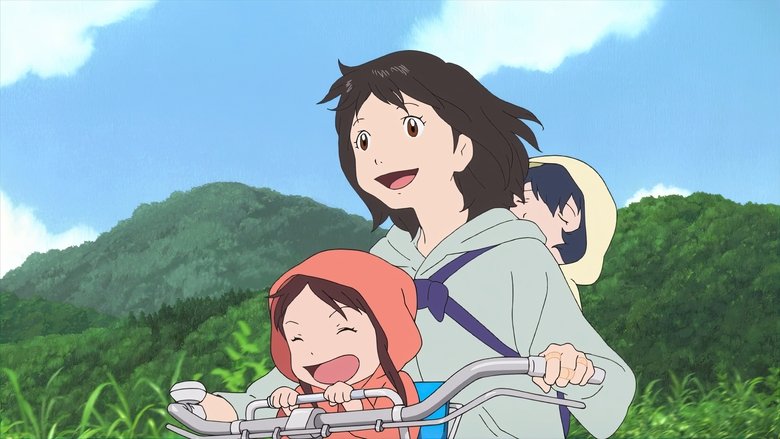
Wolf Children
2012
-

When Marnie Was There
2014
-
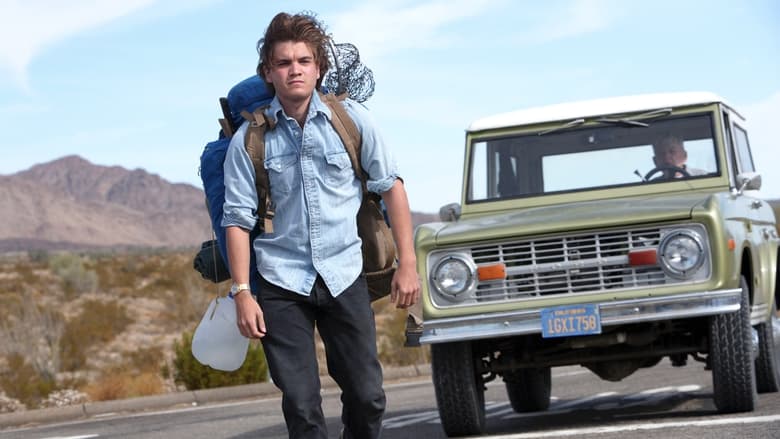
Into the Wild
2007
-
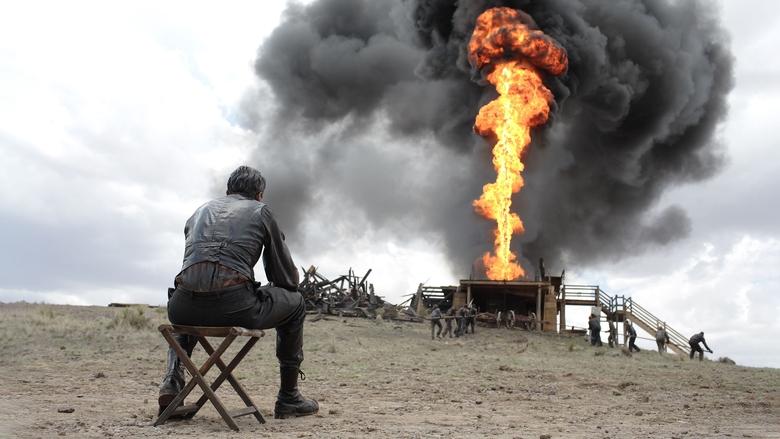
There Will Be Blood
2007
-

Mr. Nobody
2009
-

Flipped
2010
-
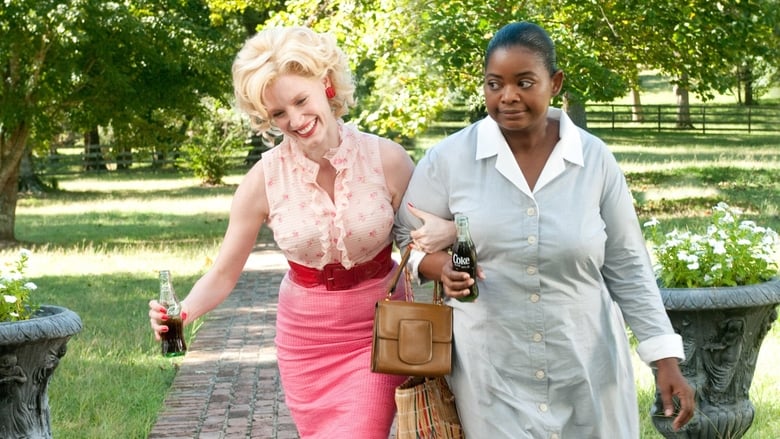
The Help
2011
-

Warrior
2011
-
Dallas Buyers Club
2013
-
A Little Princess
1995
-
Dances with Wolves
1990
-
The Lion King
1994
-
The Cider House Rules
1999
-

Before Sunset
2004
-
The Hunt
2012