Hannah Montana: The Movie
"The wig comes off, but the stardom stays."
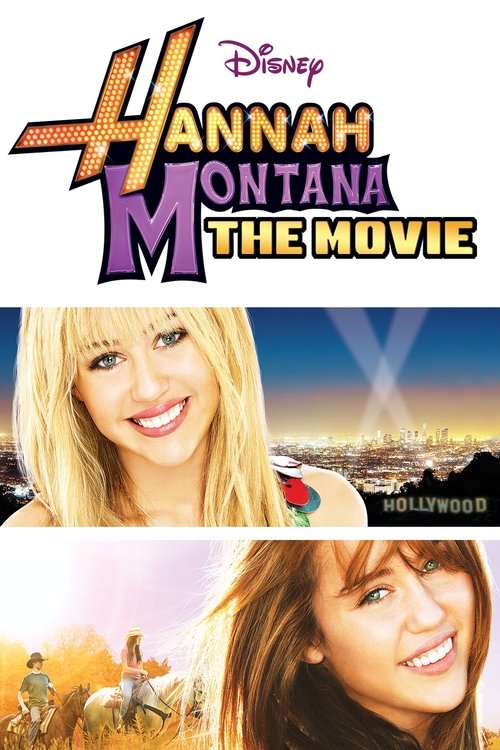
I remember sitting in a theater in April 2009, clutching a lukewarm Sprite that had lost its fizz somewhere during the trailers, wearing a purple hoodie that smelled faintly of pool chlorine. I wasn't exactly the target demographic for a Disney Channel crossover event, but there was an undeniable electric charge in the air. This wasn't just another TV episode stretched to ninety minutes; this was the moment the Disney machine decided to see if Miley Cyrus could carry a genuine cinematic feature. Looking back, Hannah Montana: The Movie is a fascinating artifact of the late-2000s star-making factory—a film that’s surprisingly earnest even when it’s being calculation-heavy.

From Soundstages to Tennessee Soil
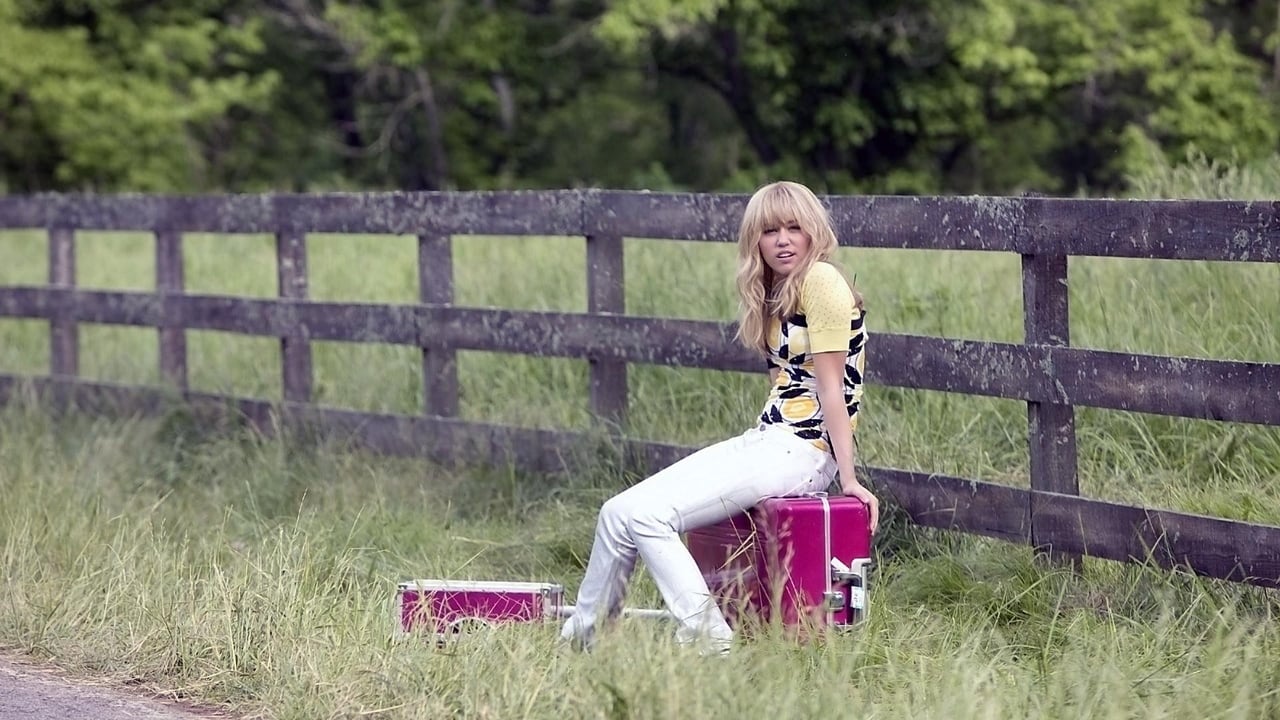
The film kicks off with a high-octane shoe fight between Hannah and Tyra Banks, a sequence that firmly establishes the "Hollywood has ruined her" stakes. To fix his daughter’s ego, Billy Ray Cyrus (as Robby Ray Stewart) tricks Miley into flying to Crowley Corners, Tennessee, instead of New York. It’s a classic fish-out-of-water trope, but director Peter Chelsom—the man behind Serendipity (2001)—gives the film a visual texture that the sitcom never possessed.
Instead of the flat, brightly lit multi-cam sets of the show, we get the sweeping, sun-drenched cinematography of David Hennings. Tennessee looks like a dream of Americana, all rolling hills and golden-hour hayrides. The shift in scale is palpable. The drama relies heavily on the "secret identity" tension, which, let’s be honest, requires a level of suspension of disbelief that would make a superhero movie blush. But Miley Cyrus sells it with genuine charm. Even then, you could see she had a screen presence that far outpaced the material. She has this raspy, Southern-fried charisma that makes the more emotional beats feel earned rather than manufactured.
The Power of "The Climb"
While the romance with the blonde-locked farm boy Travis (played by Lucas Till) is sweet in a "first summer crush" kind of way, the real heart of the film is the drama of self-reconciliation. The movie wants us to care about Miley’s struggle to find her "authentic" self, and it uses music to bridge that gap. We have to talk about "The Climb." In 2009, you couldn't go to a grocery store or a gas station without hearing those opening piano chords.

In the context of the film, the performance of "The Climb" serves as the emotional climax where the artifice of the pop star finally cracks. It’s a surprisingly vulnerable moment for a "tween" movie. Behind the scenes, the song was actually passed over by several other artists before Miley Cyrus claimed it, and it ultimately became one of the biggest power ballads of the decade. It anchored the film's "Drama" credentials, proving that the franchise could handle more than just slapstick and "Sweet Niblets!" catchphrases. The Hoedown Throwdown, conversely, is the most aggressive attempt to manufacture a cultural dance craze since the Macarena, and yet, I still remember every single move.
A Box Office Juggernaut
We often forget just how massive this moment was for the industry. Released during the height of "Miley-mania," the film pulled in a staggering $32 million on its opening weekend, eventually grossing over $155 million worldwide. To put that in perspective, it out-earned several major action blockbusters that year. This was the era where Disney realized they could turn their television stars into theatrical brands—a strategy they had just perfected with High School Musical 3: Senior Year (2008).
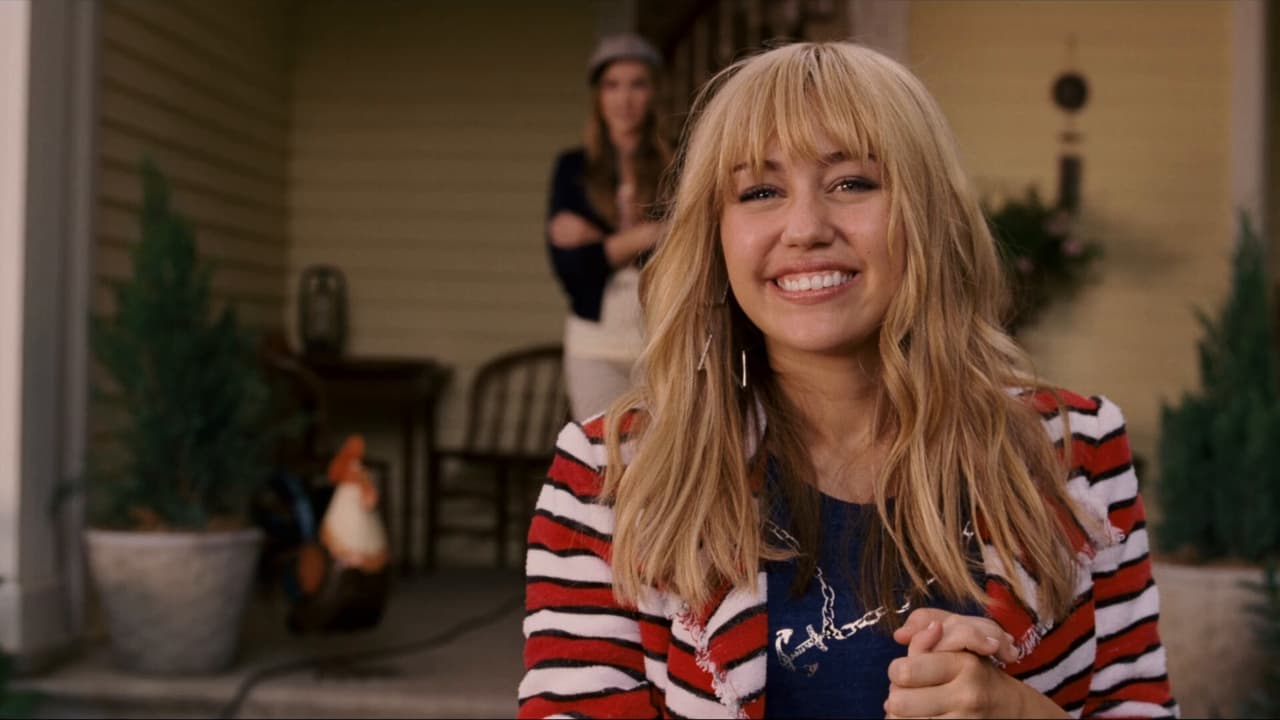
The supporting cast also brings a weirdly high pedigree to the table. You’ve got Margo Martindale, a future Emmy winner for Justified, playing Grandma Ruby with a warmth that grounds the whole "Hollywood vs. Heartbeat" theme. Then there’s Peter Gunn as the villainous paparazzi Oswald Granger, a character who feels like he wandered in from a different, zanier British comedy. It’s a tonal hodgepodge that somehow stays on the rails because the central father-daughter chemistry between the real-life Cyruses is so tangible. The movie treats Crowley Corners like a mystical land where cell service goes to die and everyone is a secret philosopher, but in the world of 2009 Disney, that felt like home.
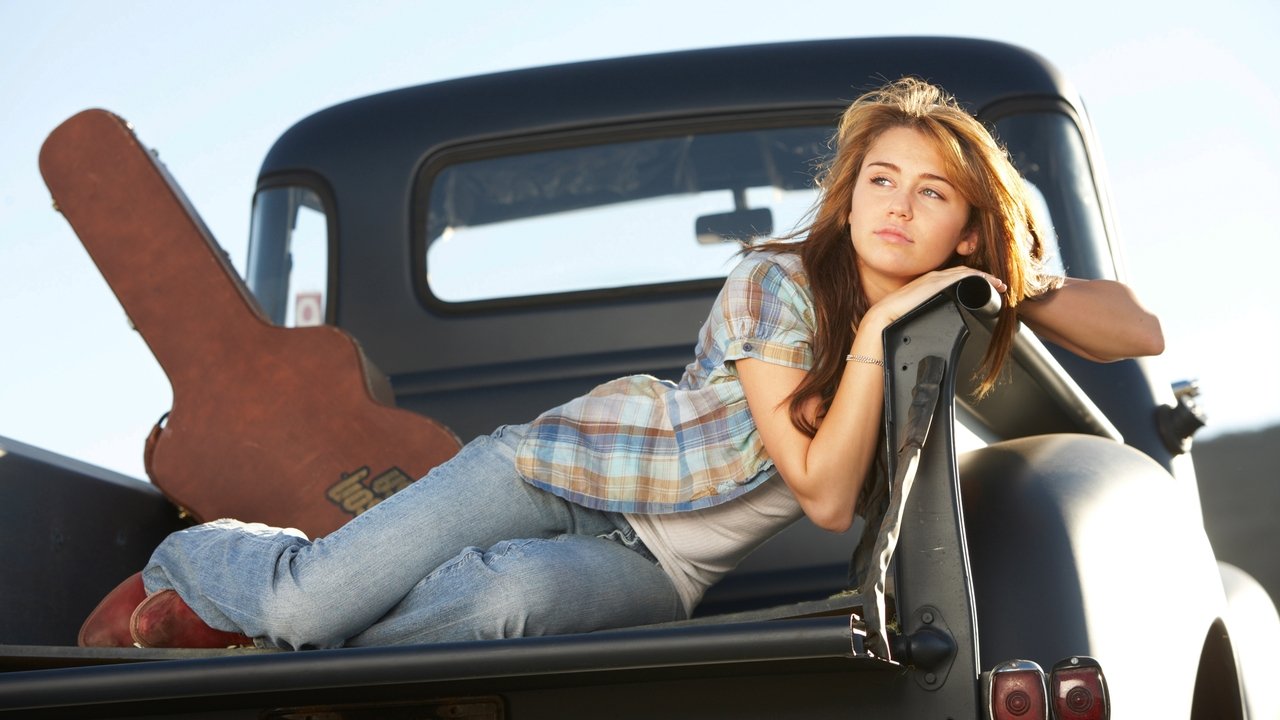
Looking back with fifteen years of hindsight, Hannah Montana: The Movie is better than it probably needed to be. It’s a time capsule of a very specific moment in the "Modern Cinema" era, just before the MCU took over the world and when the Disney Channel was the undisputed king of teen culture. It captures a young star on the cusp of a much more complicated adulthood, wrapped in a story about choosing the simple life.
The film doesn't reinvent the wheel, and the "secret identity" reveal at the end is handled with the subtlety of a sledgehammer. However, for a 5-minute distraction or a nostalgic deep-dive, it delivers exactly what it promised: a bit of heart, a lot of hairspray, and a catchy-as-hell soundtrack. It’s a reminder of when "going to the movies" felt like a shared cultural event for an entire generation of kids who just wanted to know if Miley could really have the best of both worlds.
Keep Exploring...
-

High School Musical 3: Senior Year
2008
-
Shall We Dance?
2004
-

High School Musical 2
2007
-

High School Musical
2006
-
The Princess Diaries 2: Royal Engagement
2004
-

Camp Rock
2008
-
Save the Last Dance
2001
-
First Daughter
2004
-

Raise Your Voice
2004
-
Just My Luck
2006
-
Nick and Norah's Infinite Playlist
2008
-

Begin Again
2014
-

The Last Song
2010
-

LOL
2012
-
Another Cinderella Story
2008
-

A Cinderella Story: Once Upon a Song
2011
-
Rock of Ages
2012
-
Walk the Line
2005
-
Step Up
2006
-
Juno
2007