Harry Brown
"Old age is a different kind of war."
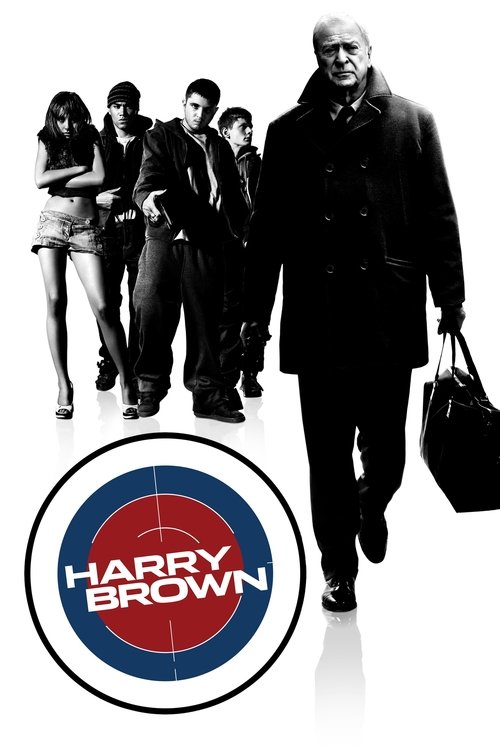
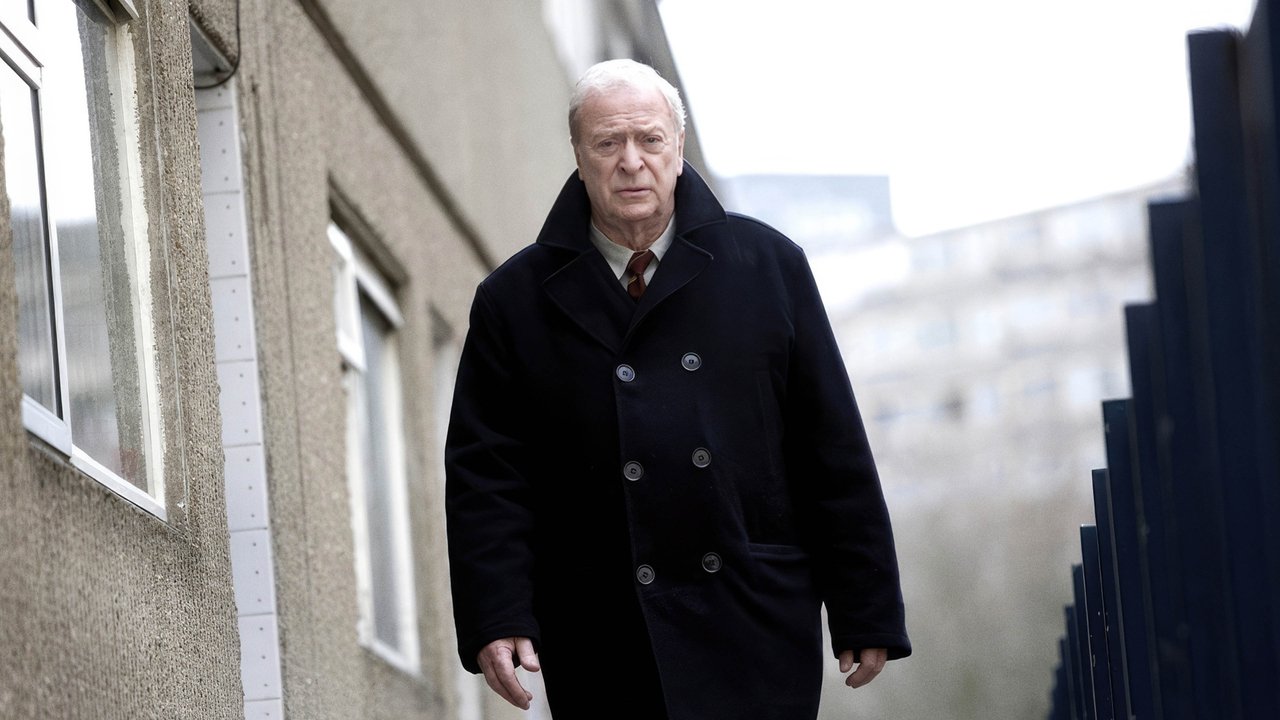
The first thing you notice in Harry Brown isn’t the violence or the grime of an East London council estate; it’s the silence of a tea kettle. Michael Caine (the man who defined 60s cool in Alfie and gritty 70s vengeance in Get Carter) spends the opening minutes of this film just being old. He wakes up, he navigates a cramped flat, he visits his dying wife, and he plays chess with his only friend, Leonard. The lines on Caine’s face do more heavy lifting than most scripts manage in three acts. It’s a slow, agonizing buildup that makes the eventual explosion of violence feel less like a "cool" action beat and more like a weary necessity.
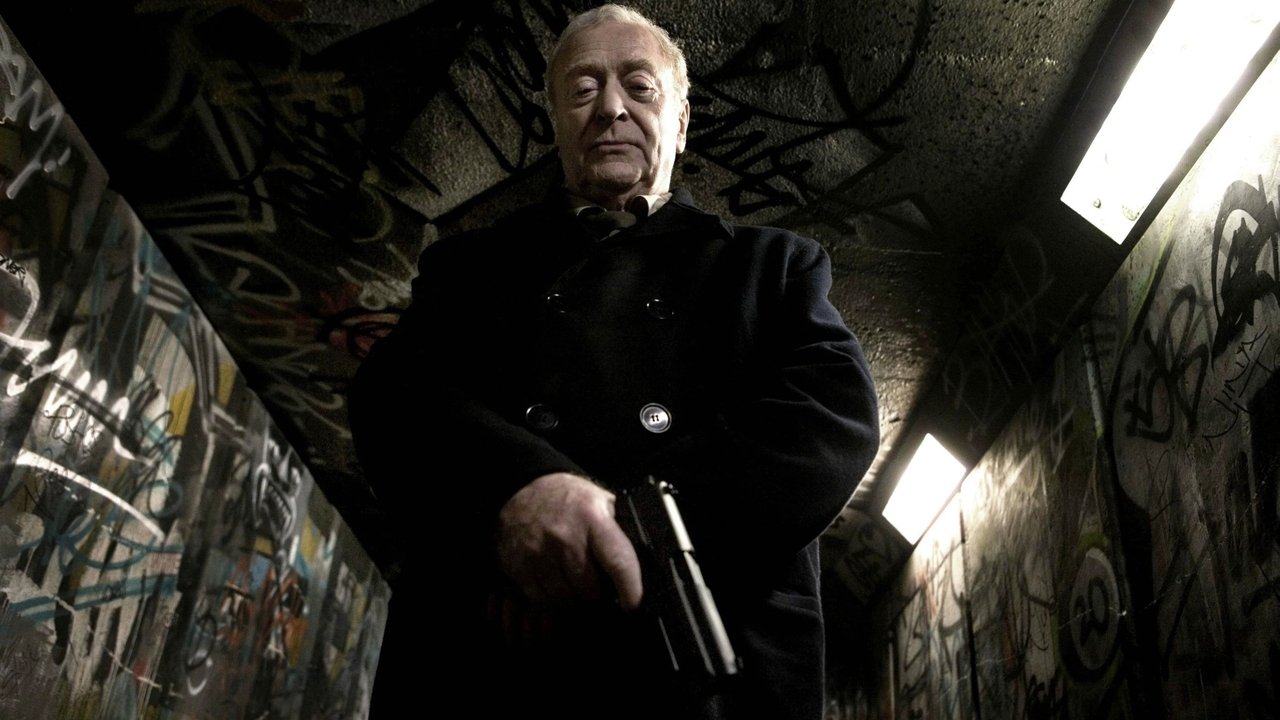
I watched this on a rainy Tuesday while nursing a lukewarm cup of Earl Grey that had a single, lonely biscuit crumb floating in it, and honestly, the gloom outside my window couldn't compete with the oppressive atmosphere Daniel Barber conjures on screen. This isn’t the glossy London of Richard Curtis rom-coms or the heist-heavy East End of Guy Ritchie. This is the "Broken Britain" of the late 2000s—a specific window of cinematic history where the UK was obsessed with the perceived lawlessness of its "feral" youth.
The Elephant and the Castle
While Taken was busy turning Liam Neeson into a superhero across the English Channel, Harry Brown was doing something much more grounded and significantly more depressing. Harry is a retired Royal Marine, but he’s also a man who has to take a deep breath before climbing a flight of stairs. When his friend Leonard is murdered by a gang of local thugs, and the police (led by a frustrated Emily Mortimer as DI Alice Frampton) are hamstrung by red tape, Harry decides to remind the local vermin why you don't mess with the old guard.
The film serves as a fascinating time capsule of 2009 anxieties. It sits right in that pocket of "hoodie horror" like Eden Lake or The Disappeared, reflecting a pre-social media era where the tabloid fear of the "ASBO" generation was at its peak. Looking back, the "youths" in this movie are essentially Tolkien orcs in tracksuits, stripped of almost any humanity to make Harry’s eventual rampage feel morally palatable. It’s a blunt instrument of a movie, but as a piece of genre craftsmanship, it’s incredibly effective.
Grime, Grain, and Gunpowder
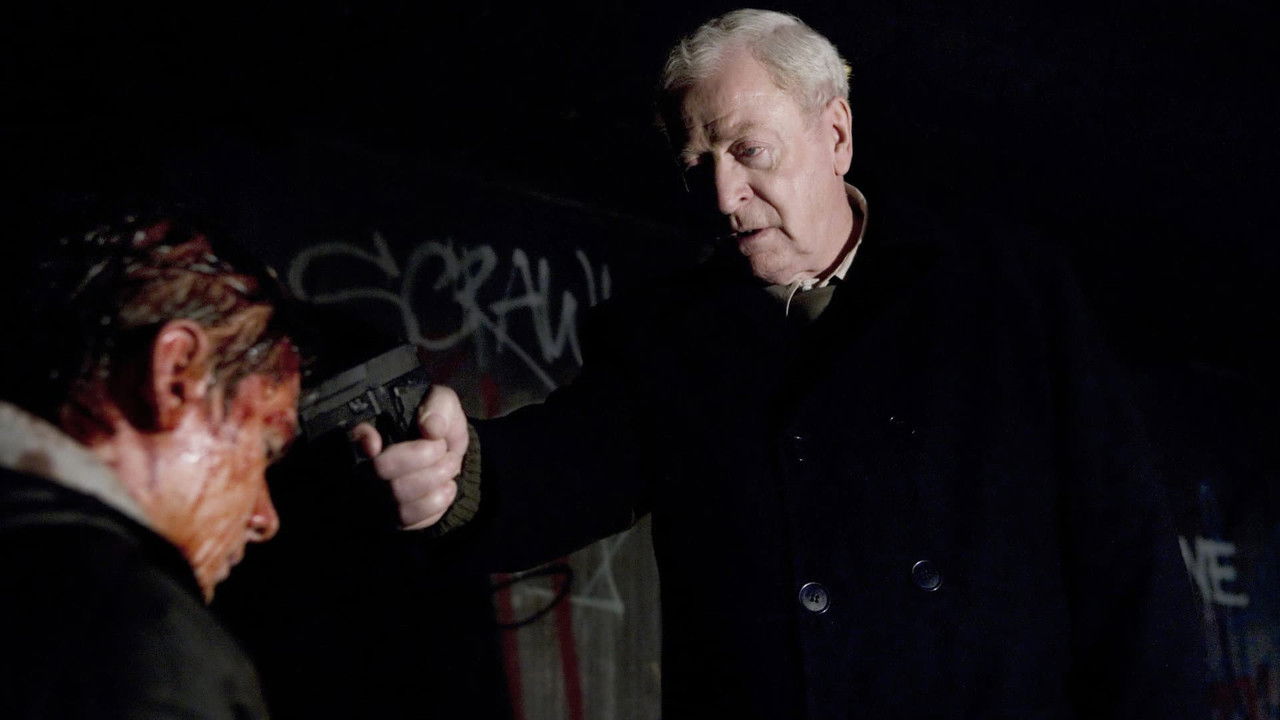
The action choreography here is a far cry from the "shaky-cam" chaos that dominated the post-Bourne era. Daniel Barber and cinematographer Martin Ruhe (The American, Control) opt for a desaturated, almost monochromatic palette. The violence is clumsy and terrifying. When Harry finally decides to buy a gun—from a pair of drug dealers played with skin-crawling intensity by Sean Harris and Lee Oakes—the sequence is played for pure tension rather than thrill. Sean Harris is particularly haunting as Stretch; he’s a twitchy, sweating manifestation of urban decay. That scene in the drug den, illuminated by the flickering glow of a television and the haze of smoke, is one of the most uncomfortable sequences in 2000s thriller cinema.
Harry doesn't do "Gun-Fu." He uses his environment, his military training, and the fact that most people underestimate an old man with a limp. The sound design plays a huge role here—the metallic clack of a magazine being seated or the heavy, wet thud of a falling body. It makes the violence feel permanent and heavy. There’s a scene involving a pedestrian tunnel that is staged with the kind of dread usually reserved for slasher films, reminding us that for the elderly living in these areas, a trip to the shops can feel like a trek through enemy territory.
Stuff You Didn't Notice
It’s worth noting that Michael Caine didn't have to look far for inspiration. He actually grew up in the Elephant and Castle area where the film is set, and he’s gone on record saying the film was a "cry for help" regarding the state of neglected urban areas. You can feel that personal connection; this isn't a Hollywood star playing "poor" for an Oscar. He looks genuinely tired of the world.

The film was also a rare success for Marv Films, the production company founded by Matthew Vaughn (Kick-Ass, Kingsman). While Vaughn usually goes for hyper-stylized, colorful mayhem, Harry Brown showed a darker, more restrained side of his production slate. It managed to turn a $7 million budget into a modest box office success, though it has since slid into that category of "movies you see on a shelf and remember liking but haven't touched in a decade."
The movie isn't without its flaws—the third act tips over into a slightly far-fetched riot sequence that feels like it belongs in a different, more "Hollywood" film, and the police characters are mostly there to look concerned and get in the way. However, Michael Caine is an absolute titan here. He provides a masterclass in stillness, proving that you don’t need a cape or a multimillion-dollar CGI suit to be a compelling force of nature. It’s a grimy, unapologetic piece of modern British noir that deserves a spot on your "grumpy old man" watchlist alongside Gran Torino. Just make sure you have a stiff drink ready for when the credits roll.

Keep Exploring...
-
The Protector
2005
-
Running Scared
2006
-
Undisputed II: Last Man Standing
2006
-
United 93
2006
-
Death Sentence
2007
-
Mesrine: Killer Instinct
2008
-
Mesrine: Public Enemy #1
2008
-
Street Kings
2008
-
Takers
2010
-

Get the Gringo
2012
-
Dead Man Down
2013
-

Domino
2005
-
Batman: Year One
2011
-

Double Impact
1991
-

Hackers
1995
-
Breakdown
1997
-
'71
2014
-
Backdraft
1991
-
The Siege
1998
-
Payback
1999