Harry Potter and the Half-Blood Prince
"A haunting, golden-hued journey through teenage heartbreak and the terrifying dawn of war."
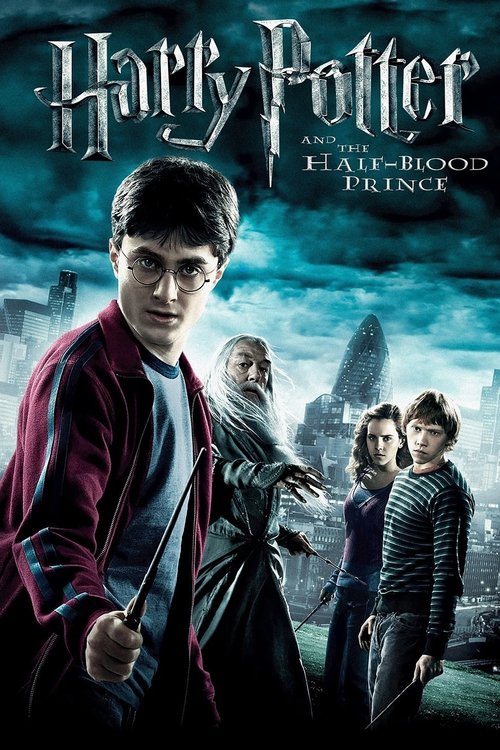
I remember seeing Harry Potter and the Half-Blood Prince on a humid Tuesday afternoon in 2009, sitting in a theater where the air conditioning was cranked so high I had to buy a second, overpriced sweatshirt just to stop shivering. Looking back, that chill was actually the perfect preparation for what David Yates was about to do to the Wizarding World. By the time the credits rolled, I wasn't just cold; I was genuinely rattled.
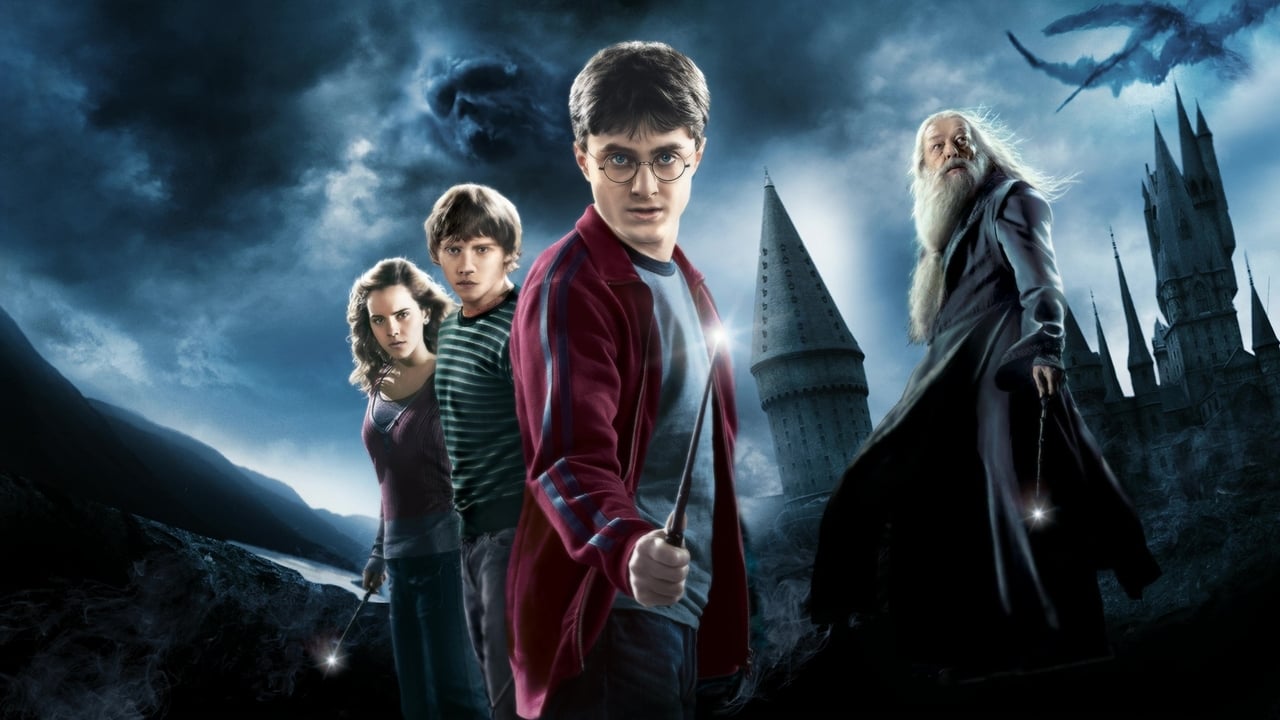
This is the "mood" entry of the franchise. While the earlier films felt like postcards from a magical vacation, Half-Blood Prince feels like a fever dream filtered through a jar of murky pond water. It’s easily the most visually distinct of the eight films, and for my money, it’s the most sophisticated.
The Golden Hue of Gloom
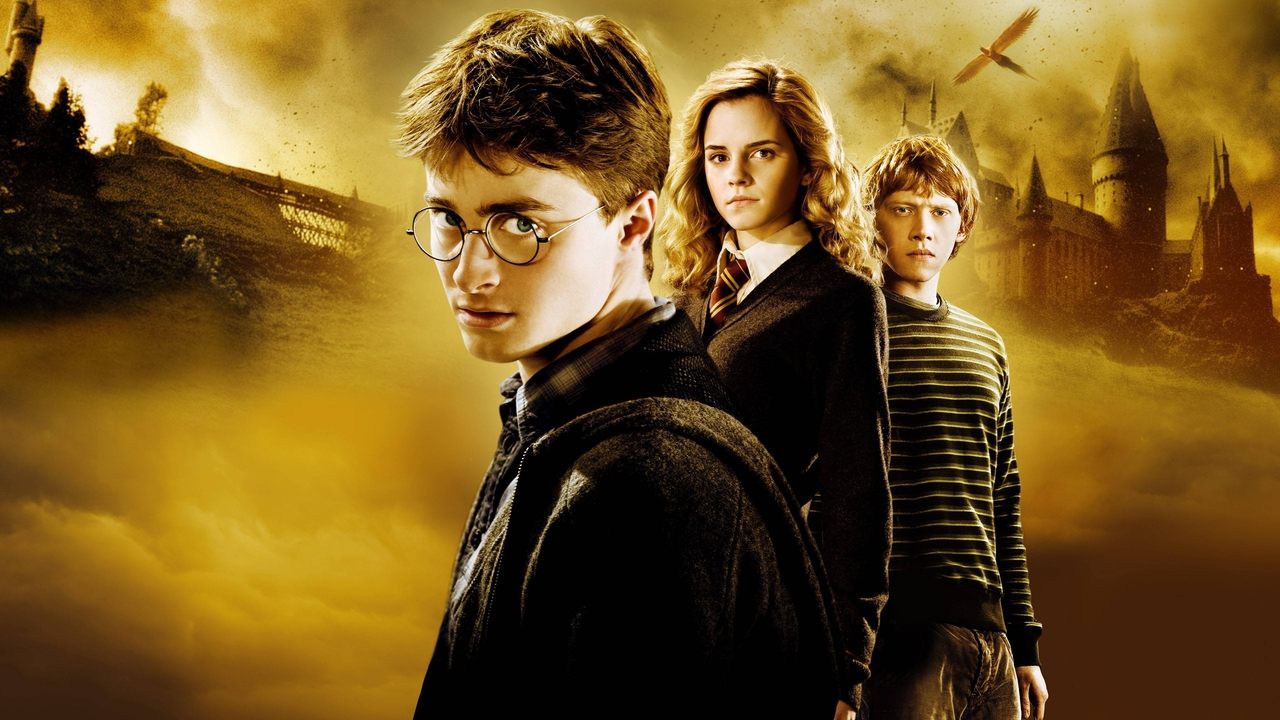
The first thing you notice—the thing I still obsess over—is the cinematography by Bruno Delbonnel (who did the whimsical Amélie and later the gritty Inside Llewyn Davis). He chose a desaturated, sepia-toned palette that makes Hogwarts look like a decaying Victorian estate. It was a bold move that actually earned the film its only Oscar nomination for Cinematography. Apparently, Warner Bros. executives were initially worried the film looked "too dark," but Yates stood his ground.
That darkness isn't just for show. It captures that specific 2009-era cinematic shift where blockbusters were moving away from the shiny CGI gloss of the early 2000s and into something more textured and "prestige." The film opens with a bridge collapse in London that feels uncomfortably grounded in real-world disaster imagery—a haunting reminder of the post-9/11 anxieties that seeped into so many "Modern Cinema" franchises.
Hormones and Horcruxes
What makes this movie so uniquely watchable, though, is the whiplash between impending doom and the utter chaos of teenage puberty. One minute we’re discussing soul-splitting murder; the next, we’re watching Rupert Grint’s Ron Weasley accidentally ingest a powerful love potion. Grint is the secret weapon here, providing a physical comedy that keeps the movie from sinking into total depression.
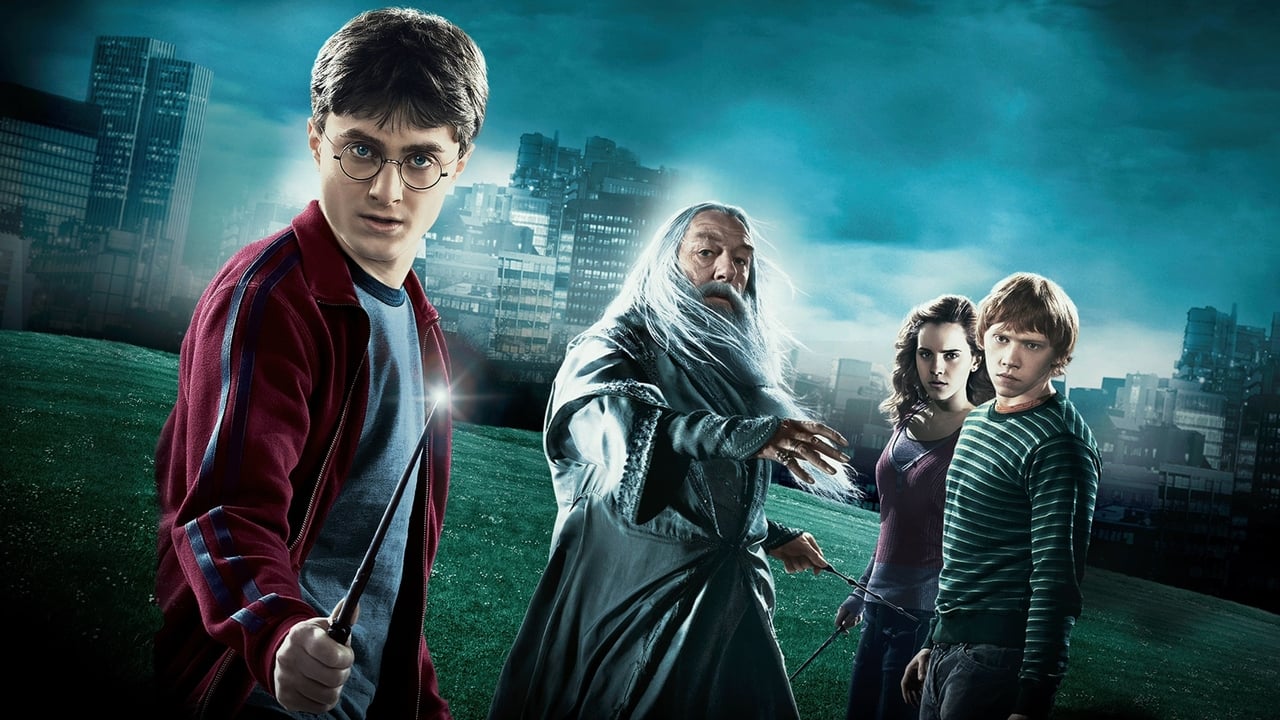
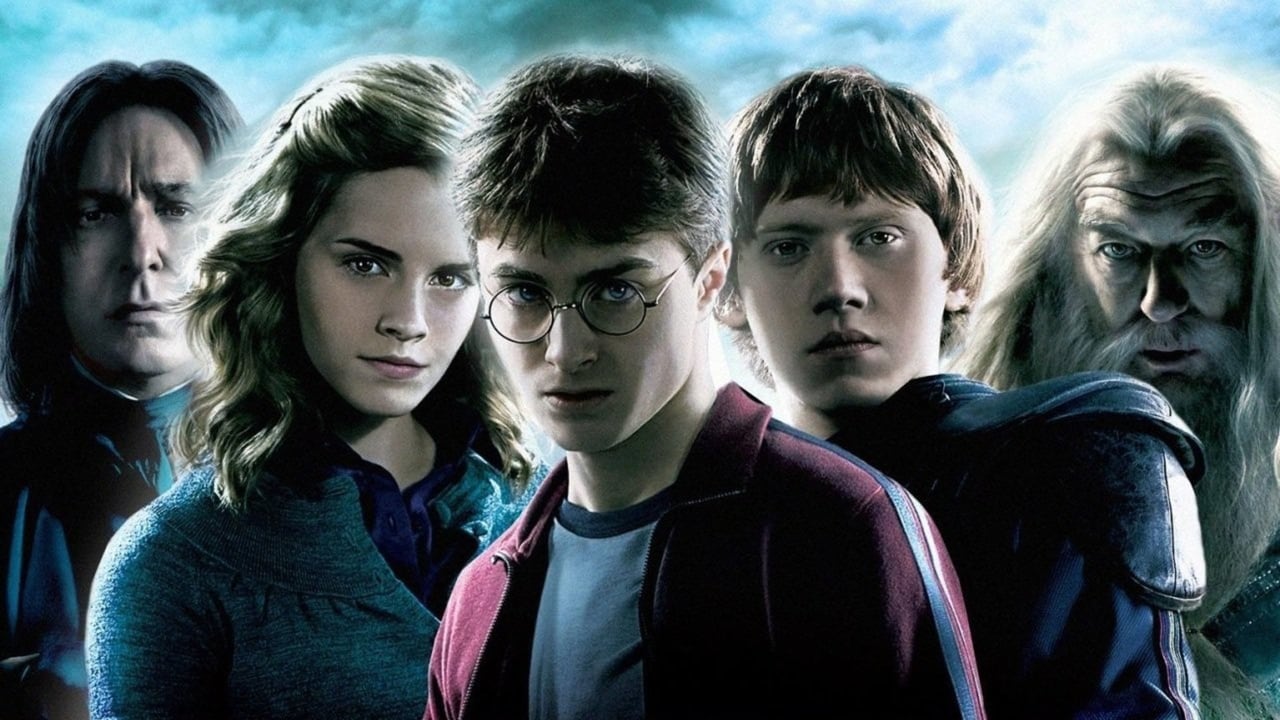
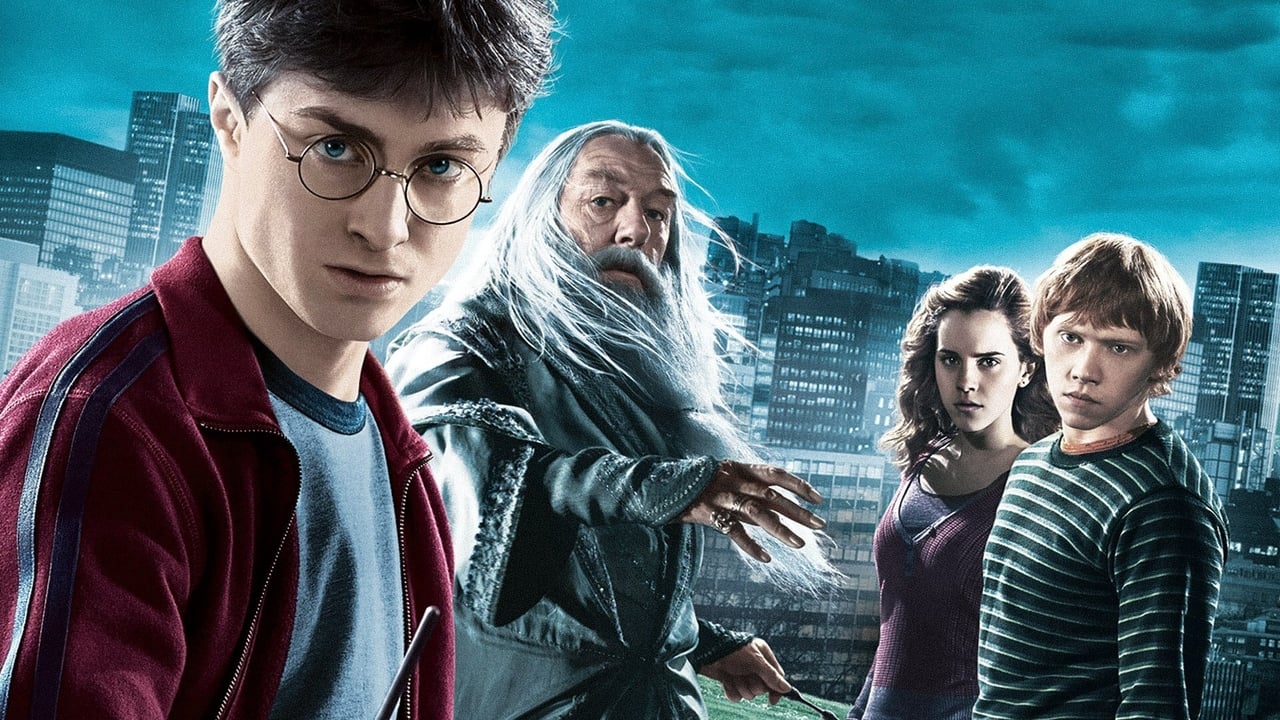
The chemistry between the "Big Three"—Daniel Radcliffe, Rupert Grint, and Emma Watson—had reached a peak by this point. They’d spent nearly a decade in these skins, and it shows. Watson’s portrayal of Hermione’s heartbreak over "Won-Won" feels surprisingly raw for a movie about wizards. Meanwhile, Daniel Radcliffe delivers his funniest performance in the series after Harry drinks the Felix Felicis (Liquid Luck). His "pincers" gesture at Aragog’s funeral is the peak of comedic timing in a series that is often far too serious for its own good.
The Tragedy of Draco Malfoy
While the trio is busy with Quidditch and dating, Tom Felton is doing the heavy lifting in the background. His Draco Malfoy is no longer the schoolyard bully; he’s a terrified boy forced into a suicide mission. The scenes of him in the Room of Requirement, staring at that vanishing cabinet, are some of the most effective "show, don't tell" moments in the franchise. Felton brings a gaunt, sickly energy to the role that makes you pity him, even as he’s planning Dumbledore’s demise.
And then there’s the addition of Jim Broadbent as Horace Slughorn. He’s brilliant. He doesn't play Slughorn as a villain, but as a man whose vanity and small-scale elitism led to a catastrophic mistake. His memory-sharing scenes with Michael Gambon’s Dumbledore feel like a high-stakes chess match played in a library.
A $250 Million Art House Film?
It’s easy to forget that this was one of the most expensive movies ever made at the time. With a budget of $250,000,000, it sits in that rare category where the money actually shows up on screen in ways that aren't just "explosions." The cave sequence near the end, where Harry and Dumbledore face the Inferi, is a masterclass in digital effects. The production team intentionally avoided "zombie" tropes, instead making the Inferi look like translucent, water-logged corpses to heighten the eerie, ethereal horror.
Interestingly, the film was originally slated for a November 2008 release but was famously pushed back eight months to July 2009. Fans were livid (myself included), but the delay turned it into a massive summer blockbuster that raked in over $933 million. It proved that the Harry Potter brand didn't need the Christmas "magic" window to dominate the culture.
Half-Blood Prince is the bridge between the adventure of childhood and the grim reality of adulthood. I watched this on a DVD years later that had a weird scratch on the disc, causing the screen to freeze for exactly three seconds every time the Half-Blood Prince's textbook appeared on screen, which actually added a strange, unintended tension to the mystery. It remains the most atmospheric entry in the series, trading the typical "hero’s journey" beats for a slow-burn character study that culminates in the franchise's most devastating loss.
Even knowing the ending, the sight of those wands being raised in the air outside the Astronomy Tower still gets me every time. It’s a film that respects the emotional intelligence of its audience, understanding that the end of a childhood is just as scary as a Dark Lord. It isn't just a sequel; it’s the moment the series grew up for good.
Keep Exploring...
-
Harry Potter and the Deathly Hallows: Part 2
2011
-
Harry Potter and the Deathly Hallows: Part 1
2010
-
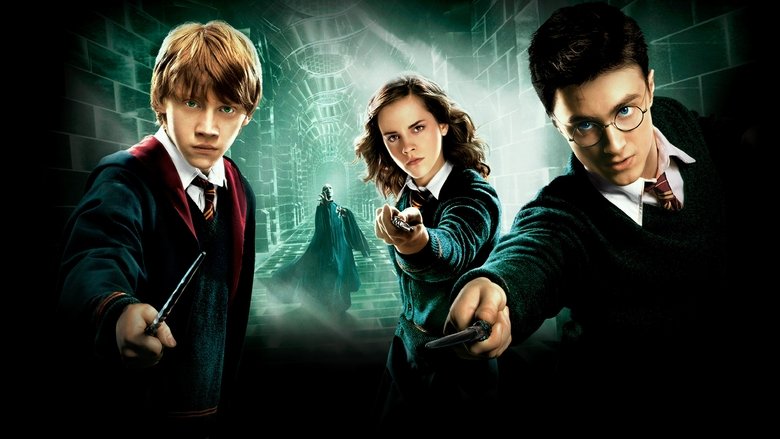
Harry Potter and the Order of the Phoenix
2007
-
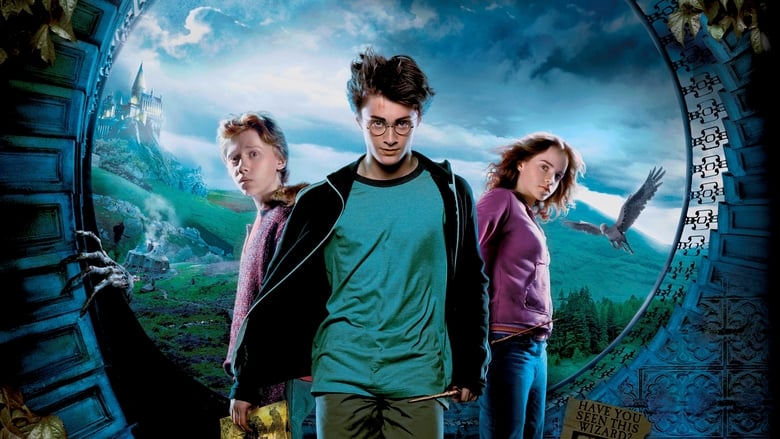
Harry Potter and the Prisoner of Azkaban
2004
-
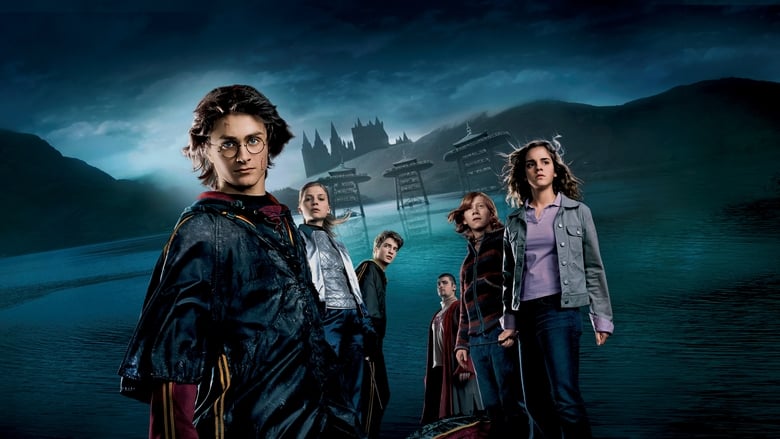
Harry Potter and the Goblet of Fire
2005
-
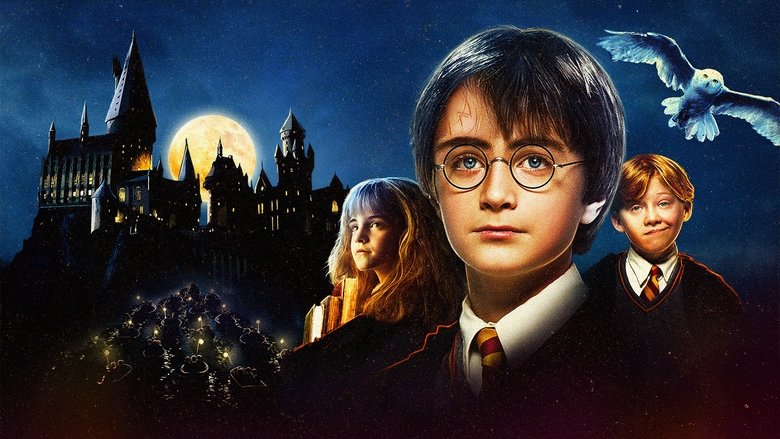
Harry Potter and the Philosopher's Stone
2001
-
Harry Potter and the Chamber of Secrets
2002
-
The Chronicles of Narnia: The Lion, the Witch and the Wardrobe
2005
-
Fantastic Beasts and Where to Find Them
2016
-
Shrek 2
2004
-
Charlie and the Chocolate Factory
2005
-

Pirates of the Caribbean: Dead Man's Chest
2006
-
Pirates of the Caribbean: At World's End
2007
-
Avatar
2009
-
How to Train Your Dragon
2010
-
The Hobbit: An Unexpected Journey
2012
-

Frozen
2013
-

The Hobbit: The Desolation of Smaug
2013
-
How to Train Your Dragon 2
2014
-
Maleficent
2014