I Killed My Mother
"Growing up is a bloody business."
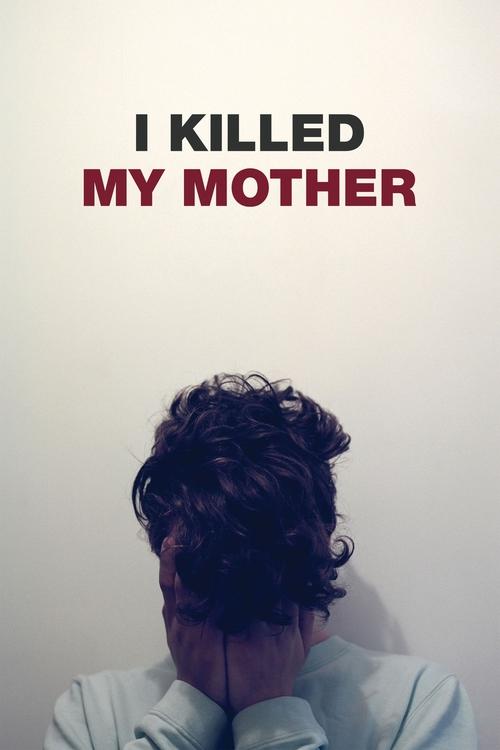
Imagine being nineteen years old. Most of us at that age were busy failing introductory psychology or figuring out how to use a communal washing machine without shrinking our favorite sweaters. Xavier Dolan, however, was at the Cannes Film Festival, receiving an eight-minute standing ovation for a movie he wrote when he was sixteen and directed before he could legally rent a car in the States. The title, I Killed My Mother, sounds like a lurid mid-century noir or a slash-and-dash horror flick, but the reality is much more terrifying: it’s a high-decibel, hyper-stylized autopsy of the suburban mother-son relationship.
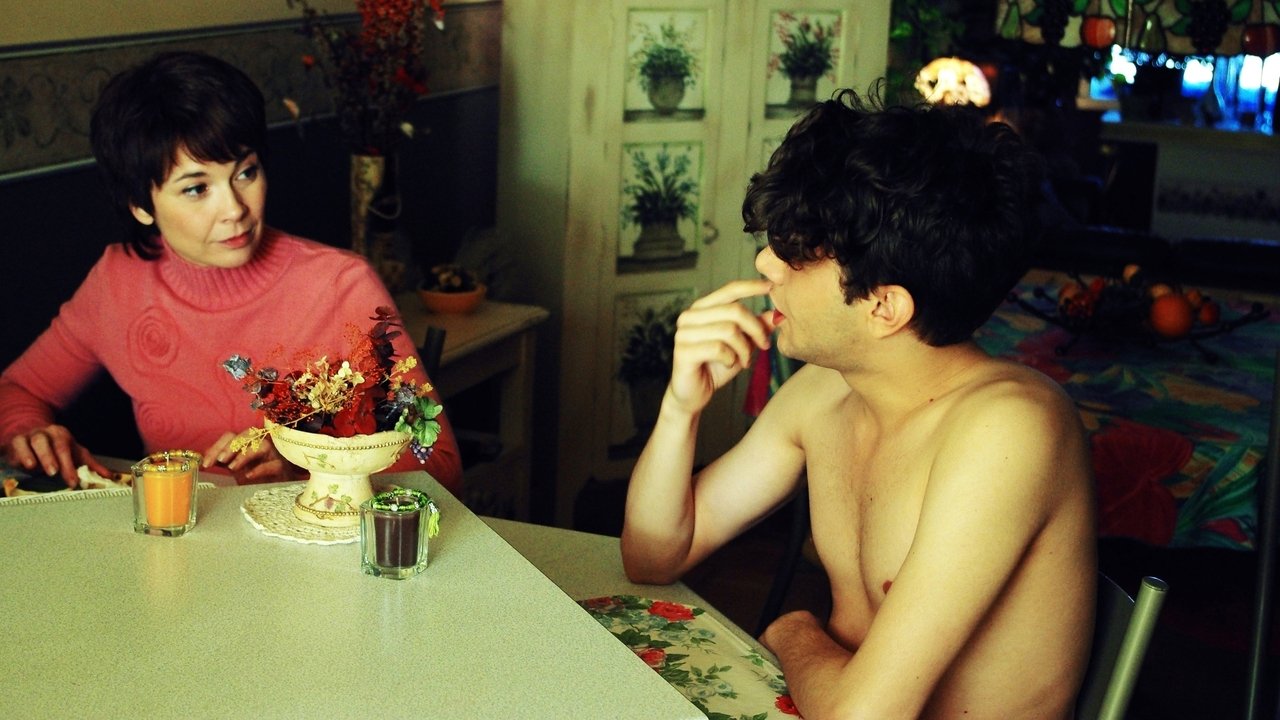
I actually watched this for the first time on a flight where the woman in the middle seat kept peering over my shoulder, looking increasingly concerned as she watched Xavier Dolan shriek about bread rolls and cardigan choices. It felt strangely appropriate; watching this movie is like eavesdropping on a neighbor's most embarrassing domestic meltdown through a very thin wall.
The Enfant Terrible’s Grand Entrance
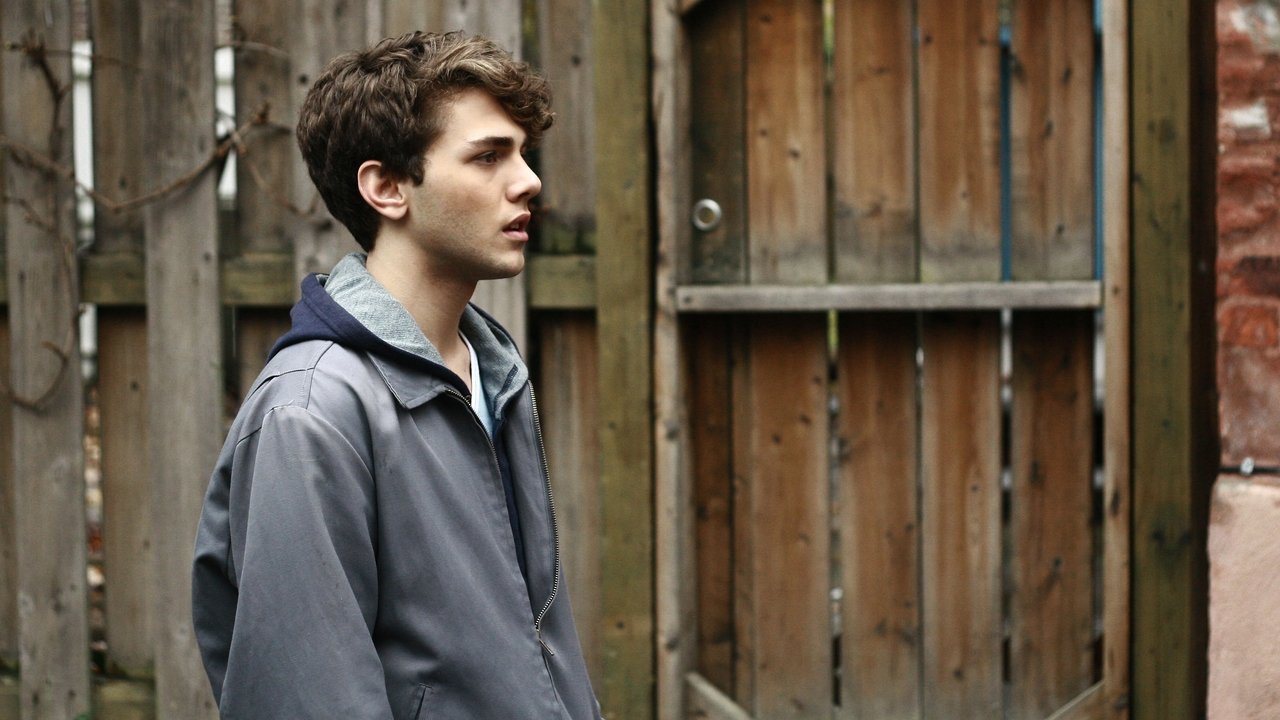
In the late 2000s, the indie film world was shifting. We were moving away from the gritty, handheld realism of the 90s and into something more self-aware and visually lush. I Killed My Mother (or J’ai tué ma mère) is the bridge between those eras. It’s messy, arrogant, and undeniably brilliant. Xavier Dolan stars as Hubert, a teenager who finds his mother, Chantale, played by the monumental Anne Dorval, fundamentally repulsive. He hates the way she eats, the way she dresses, and the way she breathes.
It’s a "Modern Cinema" artifact that captures that specific 2009 transition—the rise of the digital-native filmmaker who grew up on a diet of Wong Kar-wai (seen in the lush, saturated colors) and Jean-Luc Godard (seen in the jump cuts and fourth-wall breaks). Dolan basically weaponized his own puberty, turning the hormonal volatility of adolescence into a cinematic language. While some critics at the time called it pretentious, I’d argue it’s just honest. Being seventeen is inherently pretentious; you think your heartbreak and your annoyance are the most significant events in human history. Dolan just had the camera equipment to prove it.
The Art of the Screaming Match
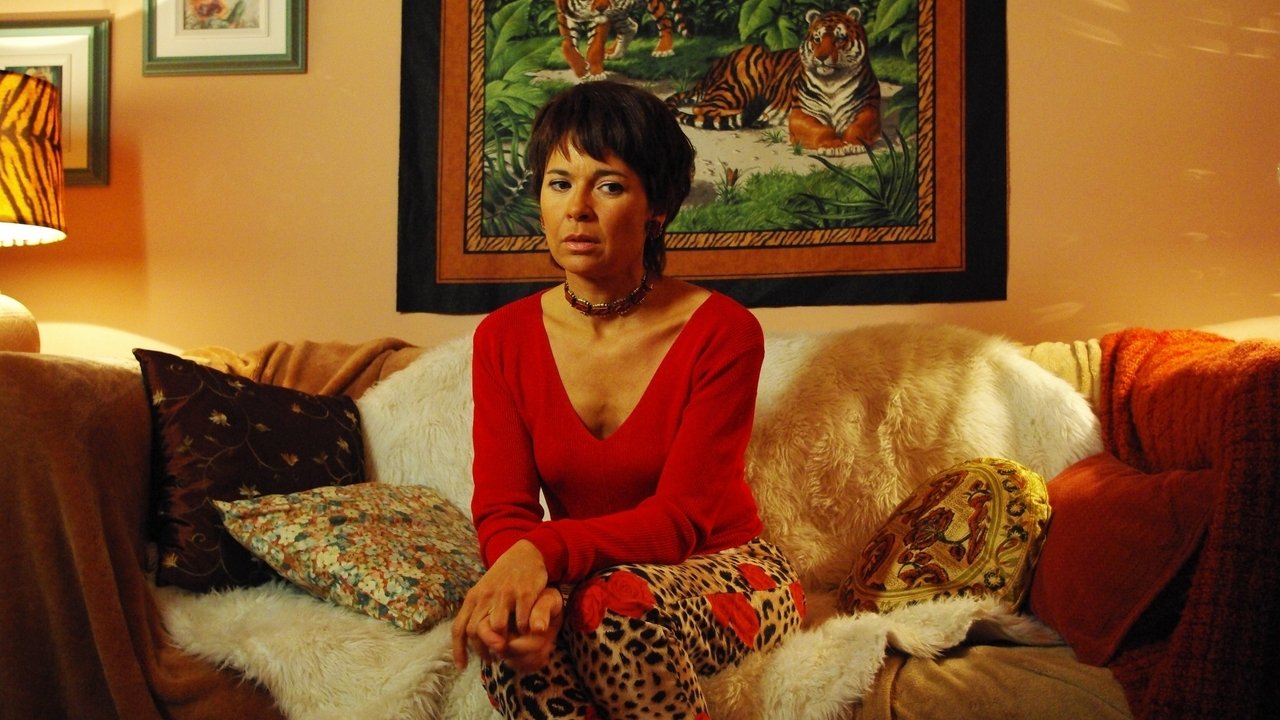
The heart of the film isn't the plot—which involves Hubert being sent to boarding school and trying to navigate a secret relationship with his boyfriend, Antonin (played by a young François Arnaud, who later starred in The Borgias)—it’s the chemistry between Dolan and Anne Dorval.
Anne Dorval is a revelation here. She doesn't play the "long-suffering mother" as a saint. She’s tacky, she’s stubborn, and she’s just as petty as her son. Their arguments aren't about grand philosophical differences; they are about the crumbs on her face or her inability to listen. It’s a performance of nuance and exhaustion. When she finally has her own "breakdown" scene later in the film, it’s one of the most satisfying moments of maternal rage ever put to film. You realize that she is the movie’s secret weapon, grounding Hubert’s teenage theatrics in a very recognizable, middle-aged reality.
We also get great supporting turns from Suzanne Clément (who would go on to star in Dolan’s later masterpiece, Mommy) as a sympathetic teacher. The film thrives on these interactions, showing how Hubert treats everyone else with a poetic sensitivity while reserving his most jagged, ugly edges for the woman who gave him life.
Style as a Survival Tactic

Looking back, I Killed My Mother feels like the cinematic equivalent of a Tumblr mood board that actually has a soul. There are slow-motion sequences set to melancholic music and experimental "video diary" segments where Hubert talks directly to the camera in grainy black-and-white. In the hands of a lesser director, this would be insufferable. But Dolan has a knack for "The Moment." He knows exactly when to let a scene breathe and when to suffocate the viewer with a close-up.
There’s a specific "indie renaissance" energy here. This was a film made on a shoestring budget—Dolan reportedly used his own savings from his days as a child actor to fund it—and that scrappiness shows. It’s a reminder of a time before the "A24" aesthetic became a standardized brand, where "indie" meant a kid from Quebec could scream his way into the global spotlight by sheer force of will. The film’s original tagline, "Sons forget their mothers can die," adds a layer of retrospective tragedy to the bratty behavior on screen. It’s not just a drama; it’s a mourning period for a childhood that was never particularly peaceful to begin with.
I Killed My Mother is a loud, colorful, and occasionally exhausting experience, but it’s one that feels increasingly rare in today’s more polished landscape. It captures the exact moment a major voice in world cinema cleared his throat and shouted for attention. It’s a film that understands that the people we love the most are often the ones we can’t stand to be in the same room with for more than ten minutes. If you’ve ever wanted to scream at a parent over something trivial, this movie will feel like a warm, albeit very loud, hug.
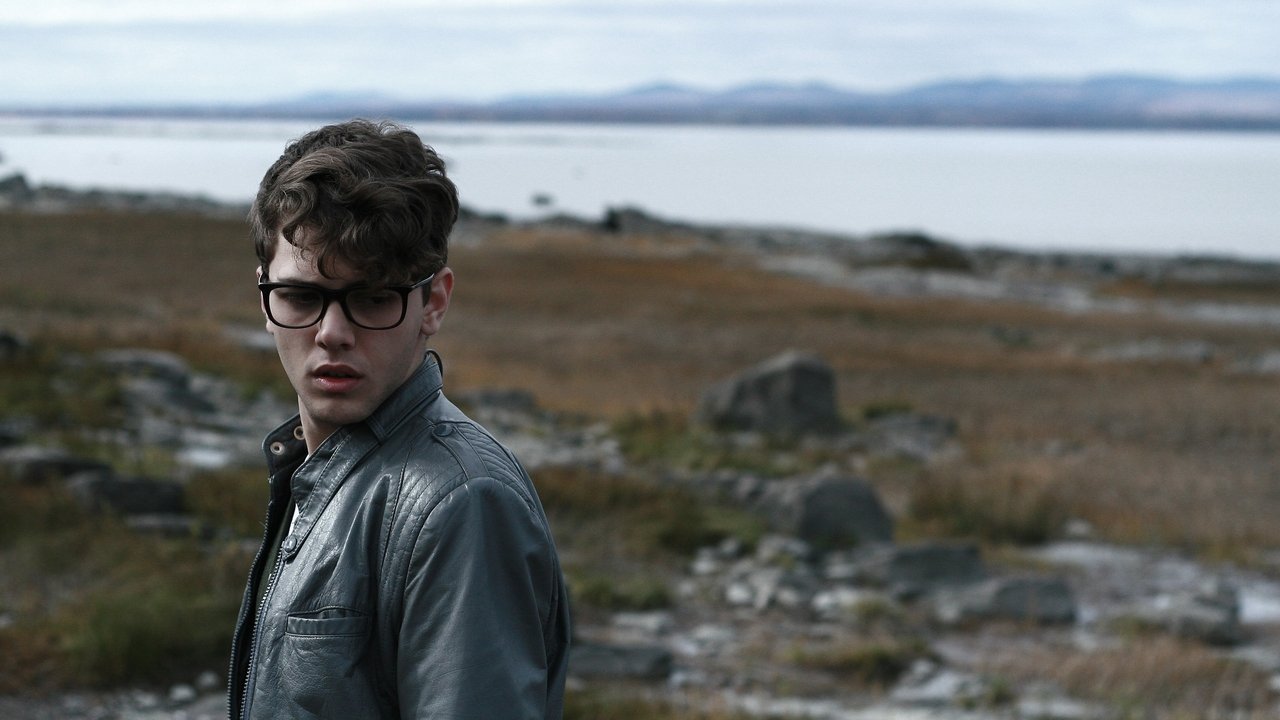
Keep Exploring...
-
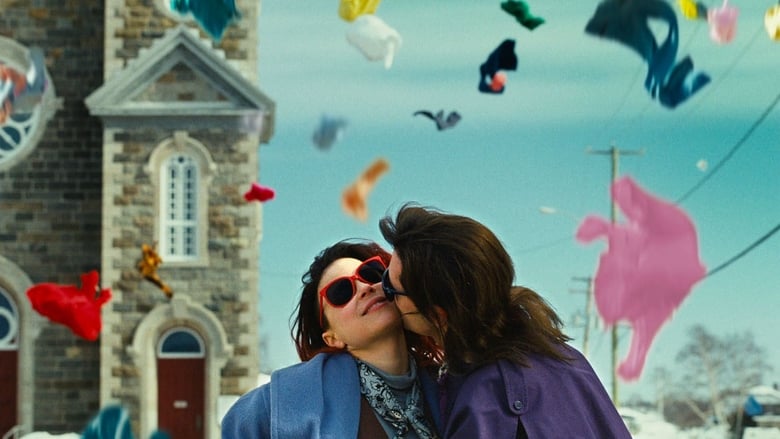
Laurence Anyways
2012
-

Heartbeats
2010
-
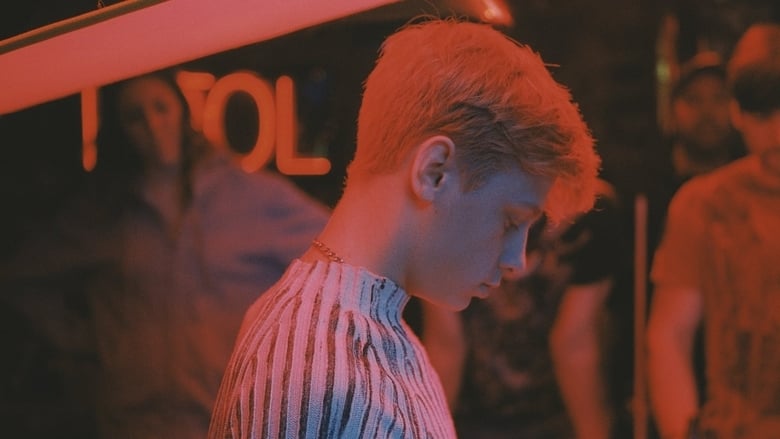
Mommy
2014
-
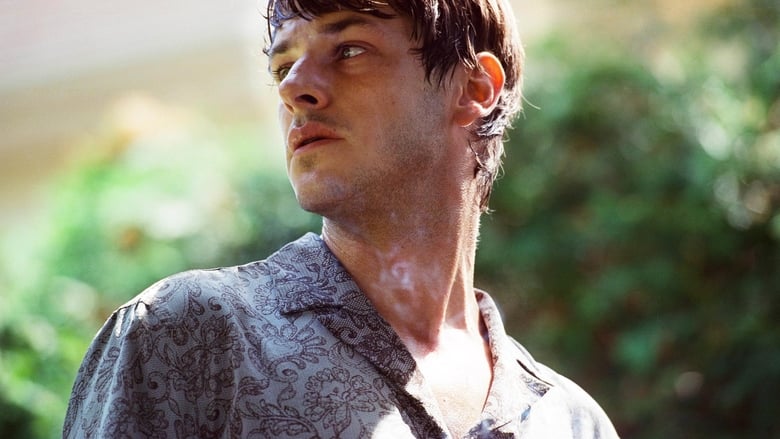
It's Only the End of the World
2016
-
Capote
2005
-

The Painted Veil
2006
-
Blindness
2008
-
Mesrine: Killer Instinct
2008
-
Mesrine: Public Enemy #1
2008
-
The Young and Prodigious T.S. Spivet
2013
-
2046
2004
-
3-Iron
2004
-

A Very Long Engagement
2004
-
Bad Education
2004
-
Coffee and Cigarettes
2004
-
Ghost in the Shell 2: Innocence
2004
-

House of Flying Daggers
2004
-
The Consequences of Love
2004
-

The Manchurian Candidate
2004
-
The Motorcycle Diaries
2004