Inglourious Basterds
"Cinema becomes the ultimate weapon of vengeance in Tarantino's audacious rewrite of history."
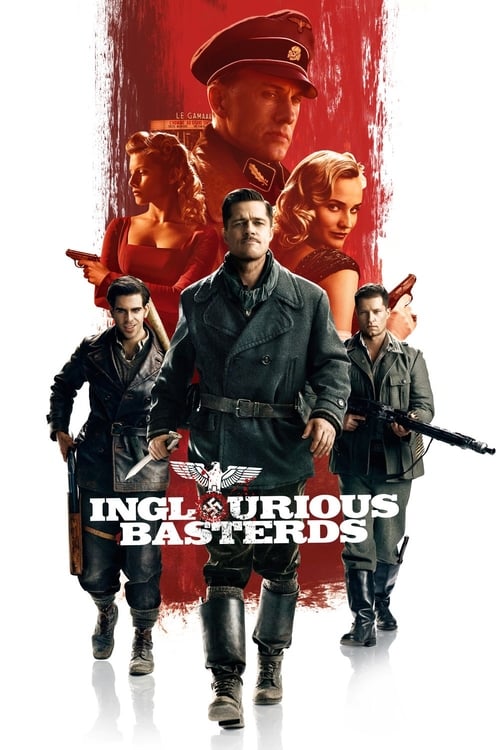
I remember watching the opening scene of Inglourious Basterds for the first time on a laptop in my college dorm, sitting on a chair so uncomfortable it felt like a medieval torture device. Even with the tinny speakers and the cramped seat, I didn't move for fifteen minutes. That first chapter, "Once Upon a Time in Nazi-Occupied France," is a masterclass in how to use silence and a pipe to suffocate an audience with dread. It was the moment I realized that Quentin Tarantino wasn't just the guy who made cool crime movies in the 90s; he had evolved into a filmmaker who could weaponize history itself.
The Language of Terror
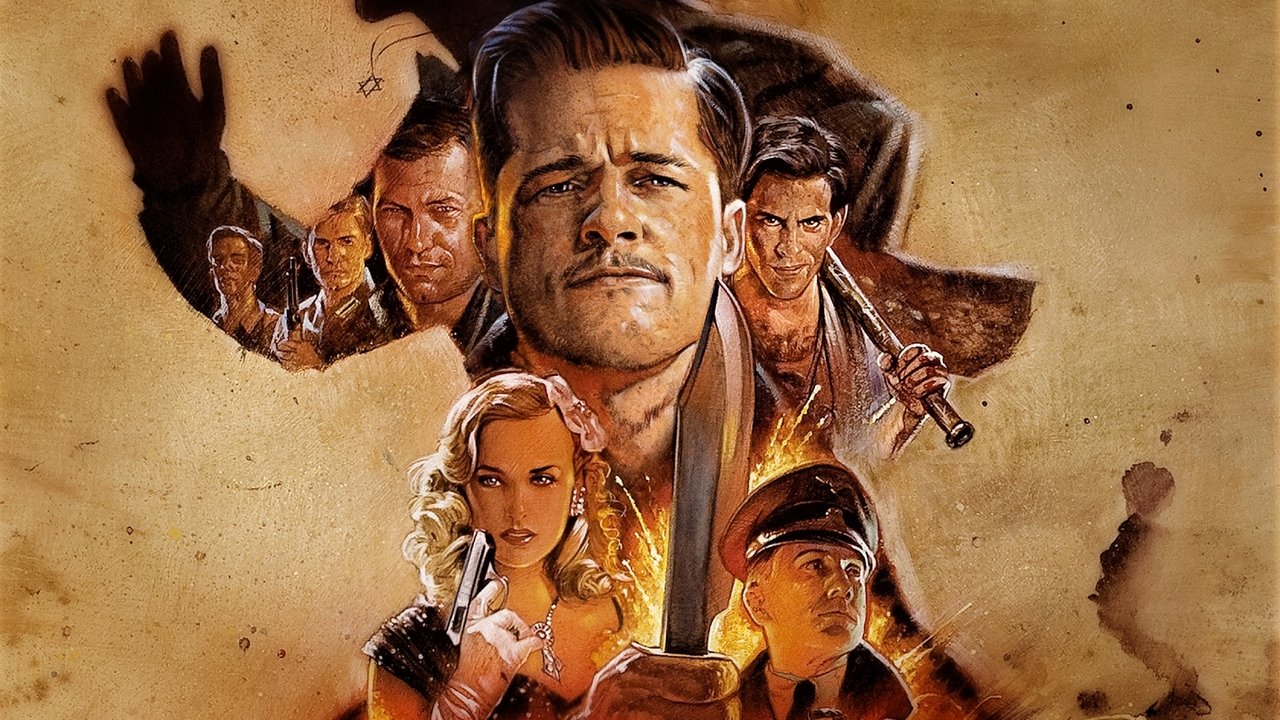
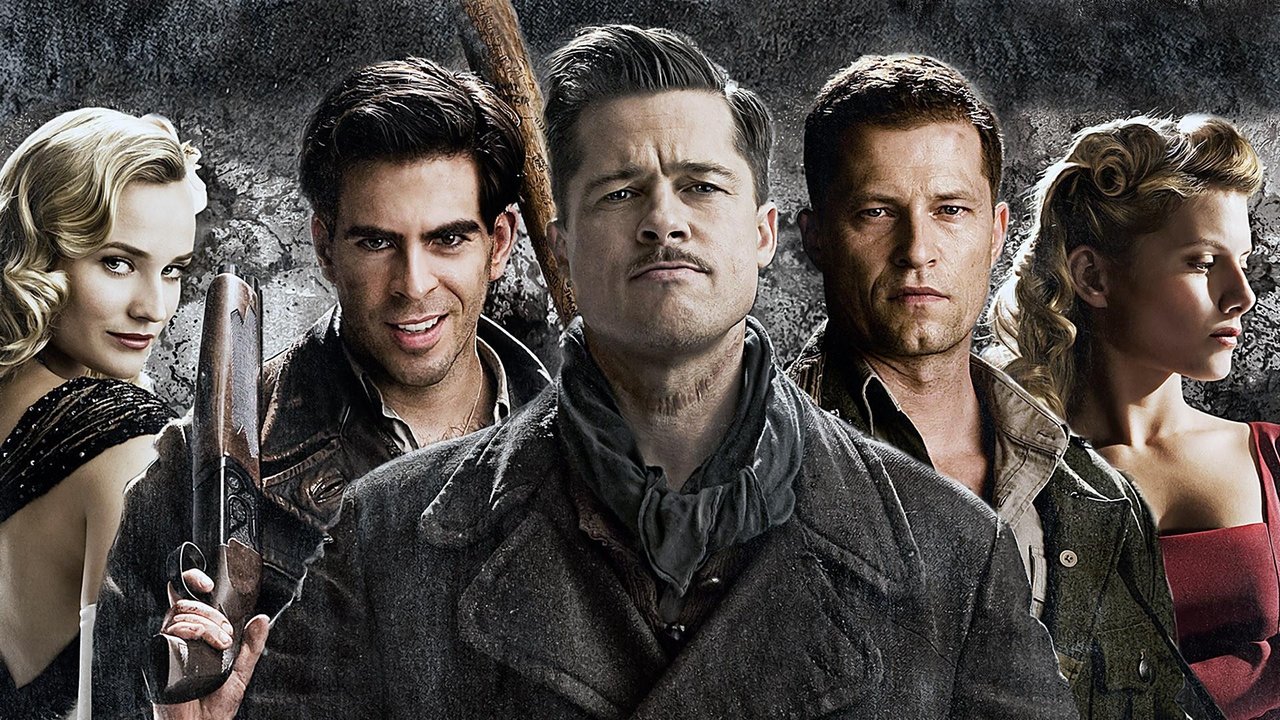
While the marketing for this film sold it as a rowdy "men on a mission" action flick—think The Dirty Dozen with more scalping—the actual experience is a remarkably tense drama about the power of performance. Much of the film’s weight rests on the shoulders of Christoph Waltz as Colonel Hans Landa. Looking back, it's hard to believe we didn't know who Waltz was before 2009. He arrived fully formed, playing Landa with a terrifying, polite charm that feels like a razor blade hidden in a silk glove.
I’ve always felt that the film’s most intense moments aren't the gunfights, but the dinner tables. Whether it’s Landa interrogating a farmer over a glass of milk or ordering a strudel for Mélanie Laurent's Shosanna, the stakes feel life-or-death in every syllable. Tarantino uses the "Modern Cinema" era’s penchant for long, uninterrupted takes to let these performances breathe, creating a pressure cooker environment that most war films trade for shaky-cam explosions.
A Revisionist Bloodbath
The "Basterds" themselves, led by Brad Pitt as Lt. Aldo Raine, provide the dark, ironic humor that prevents the film from collapsing under its own gravity. Pitt is clearly having the time of his life, leaning into a cartoonish Tennessee drawl that makes it feel like he wandered in from a different, funnier movie. To me, Brad Pitt’s Italian accent in the final act is a glorious crime against linguistics that somehow manages to be the funniest thing he’s ever done.
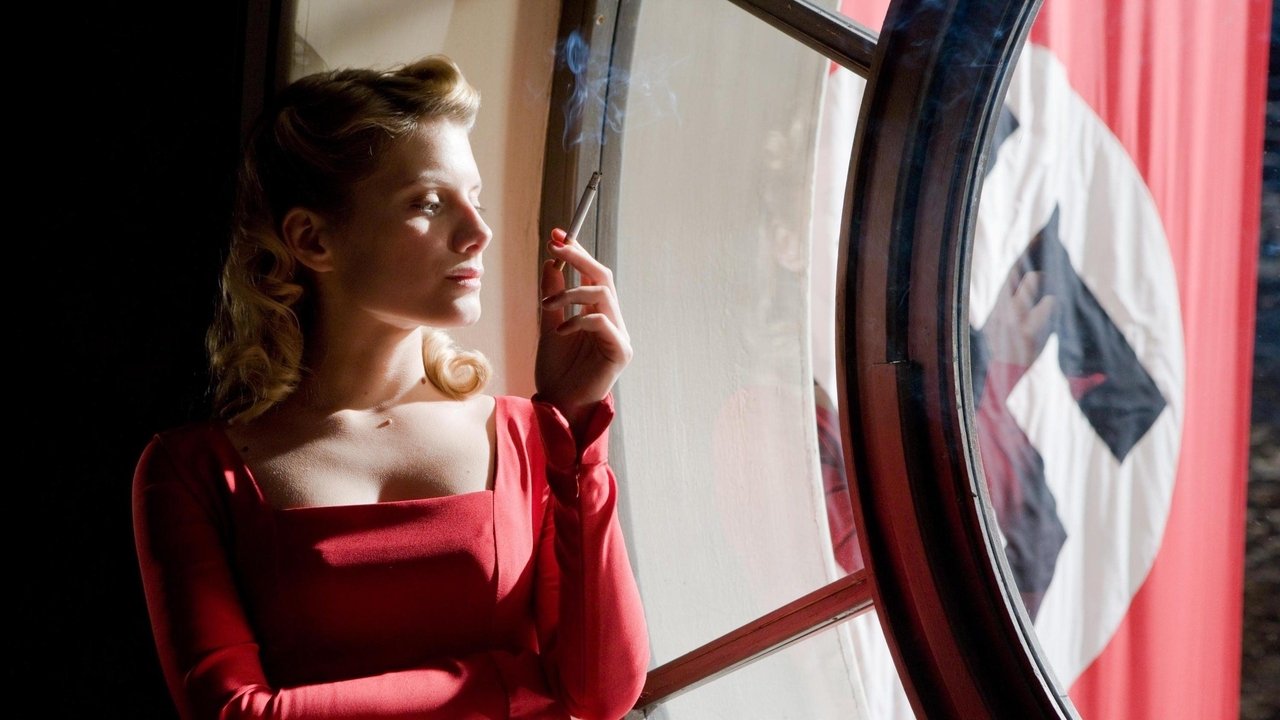
However, the heart of the drama belongs to Shosanna. Mélanie Laurent carries the film's genuine trauma. While the Basterds are playing a high-stakes game of "hunt the Nazi," Shosanna is living a ghost story. Her arc, culminating in that haunting image of her face projected onto smoke, is where the film finds its prestige soul. It’s a story about the marginalized using the very tools of their oppressors—propaganda and cinema—to burn the house down.

The Craft of the Kill
Technically, this film feels like a bridge between the analog 90s and the digital polish of the 2010s. Cinematographer Robert Richardson (who also lensed JFK and Casino) gives the film a lush, vibrant look that rejects the "de-saturated grey" look that plagued so many 2000s war movies. It looks like a classic Hollywood epic, even when people are getting their heads bashed in with a Louisville Slugger by Eli Roth.
Interestingly, this was a film that nearly didn't happen. Tarantino famously struggled with the script for over a decade, at one point considering it for a miniseries. You can see the remnants of that "DVD culture" era in the way the film is structured into chapters; it feels like a collection of perfectly polished short stories that collide in a Parisian theater. Apparently, Tarantino almost pulled the plug on the entire production because he feared the role of Landa was "unplayable" until Waltz walked into the audition room and saved the project.
Beyond the Scalps
Looking back through a post-9/11 lens, there’s an interesting undercurrent to the violence. By 2009, audiences were accustomed to "gritty" realism, but Tarantino chose a different path: cathartic fantasy. He treats the history of WWII not as a sacred text to be followed, but as a playground for moral retribution. It’s dark, yes, but it’s an intentional darkness. The film asks us to enjoy the brutality dealt to the Basterds’ victims, then pivots to the quiet, shaking hands of Diane Kruger as Bridget von Hammersmark, reminding us of the human cost of espionage.
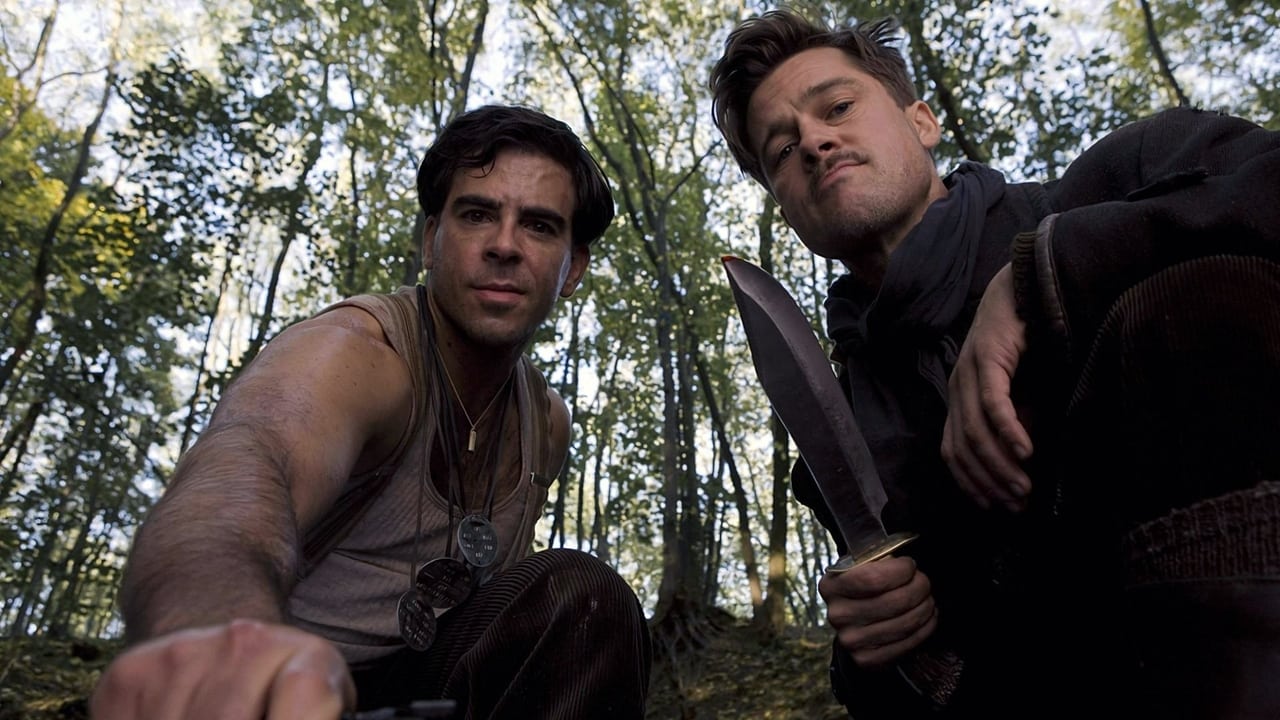
One element that has always stuck with me is the tavern scene. Michael Fassbender (in a breakout role before X-Men: First Class) delivers a performance defined by a single gesture. The "three fingers" mistake is one of those tiny, brilliant script details that rewards a viewer's attention. It’s the kind of high-stakes drama that doesn't require a single bullet to make your heart race. My only real gripe? The Bear Jew’s intro is basically a high-budget pro-wrestling promo that feels slightly too campy for the scenes surrounding it, but in the world of Tarantino, "too much" is usually the point.
Inglourious Basterds remains the peak of Tarantino’s "Revisionist History" phase because it balances his love for B-movie schlock with a genuine, prestigious weight. It’s a film that respects the power of the medium, suggesting that while art might not be able to change the past, it can certainly provide the ending we deserved. It’s loud, it’s violent, and it’s one of the few three-hour movies that I wish lasted another hour just so I could see Landa and Aldo Raine trade more barbs.
The final image of the film—a literal mark of shame carved into a forehead—is a bold mission statement for this era of filmmaking. It’s a reminder that cinema has the power to leave a lasting scar on our cultural memory. Even years later, the tension of that basement tavern and the glow of Shosanna’s red dress stay with you. It’s a masterpiece of tension that earns every drop of its explosive finale.
Keep Exploring...
-

Jackie Brown
1997
-
Django Unchained
2012
-

The Imitation Game
2014
-

Kill Bill: Vol. 2
2004
-

Fury
2014
-
The Hurt Locker
2008
-

Brothers
2009
-
Reservoir Dogs
1992
-
The Departed
2006
-
The Dark Knight
2008
-
Shutter Island
2010
-

Gone Girl
2014
-
Once Upon a Time... in Hollywood
2019
-
Black Book
2006
-
Prisoners
2013
-

Kill Bill: The Whole Bloody Affair
2011
-

Braveheart
1995
-
Saving Private Ryan
1998
-
Fight Club
1999
-

Legends of the Fall
1994