Invictus
"One team, one nation, one impossible goal."
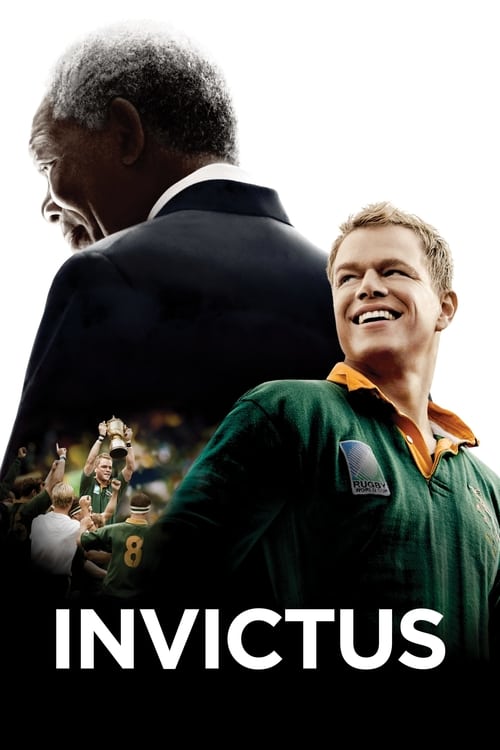
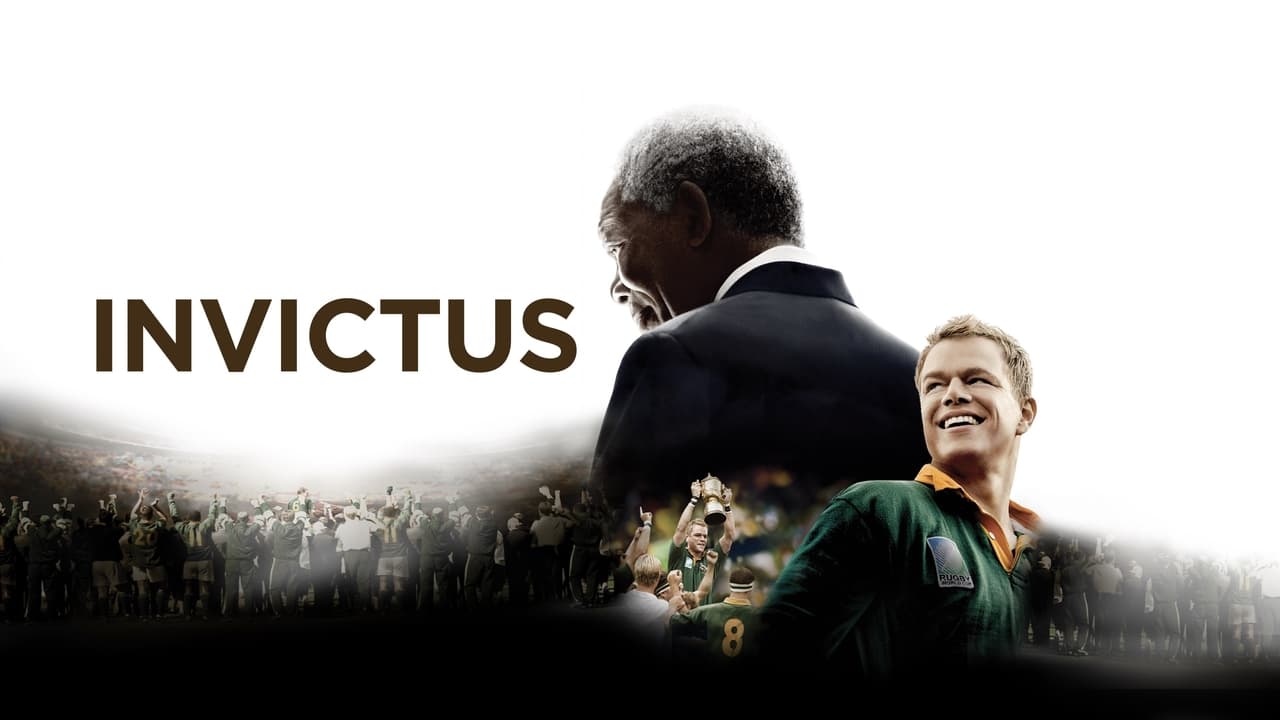
If you were to poll a thousand people in the mid-2000s and ask who should play Nelson Mandela in a biopic, approximately 999 of them would have said Morgan Freeman. It’s one of those cosmic inevitabilities, like gravity or the fact that I will always burn the roof of my mouth on a microwave burrito. Even Mandela himself reportedly said that Freeman was the only actor who could do him justice. By the time Clint Eastwood got around to directing Invictus in 2009, it didn't feel like a casting choice; it felt like a prophecy being fulfilled.
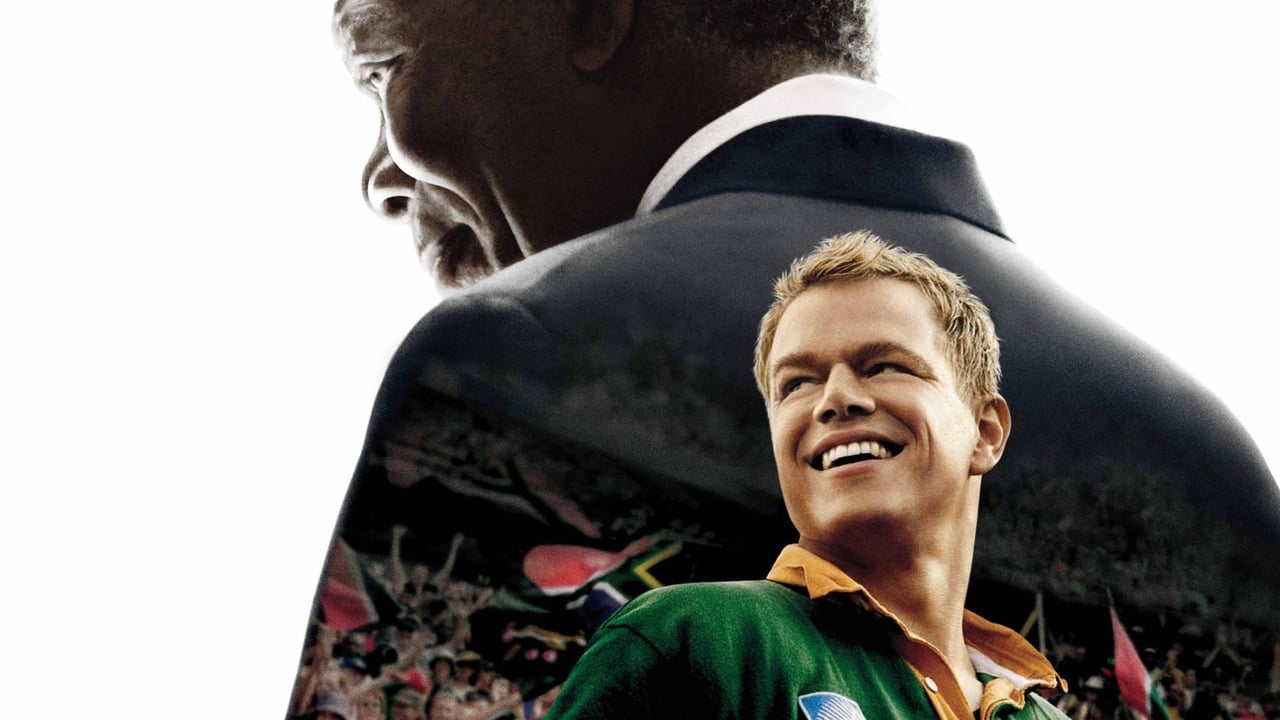
I remember watching this for the first time on a flight to London, crammed into a middle seat next to a guy who was reading a very dense manual on industrial plumbing. There’s something about the "Dad Movie" energy of an Eastwood production that makes it the perfect airborne companion. It’s steady, it’s earnest, and it doesn't try to reinvent the wheel—it just wants to make sure the wheel is perfectly balanced and rolling in the right direction.
The Man and the Mouthpiece
The film kicks off right at the fragile dawn of post-apartheid South Africa. Mandela is newly elected, the atmosphere is electric with both hope and terrifying tension, and the racial divide is a canyon that looks impossible to bridge. Instead of focusing on sweeping legislative battles, the script—penned by Anthony Peckham—zeroes in on a singular, almost absurdly optimistic gamble: using the Springboks, the national rugby team and a hated symbol of white supremacy, to unite the country during the 1995 World Cup.
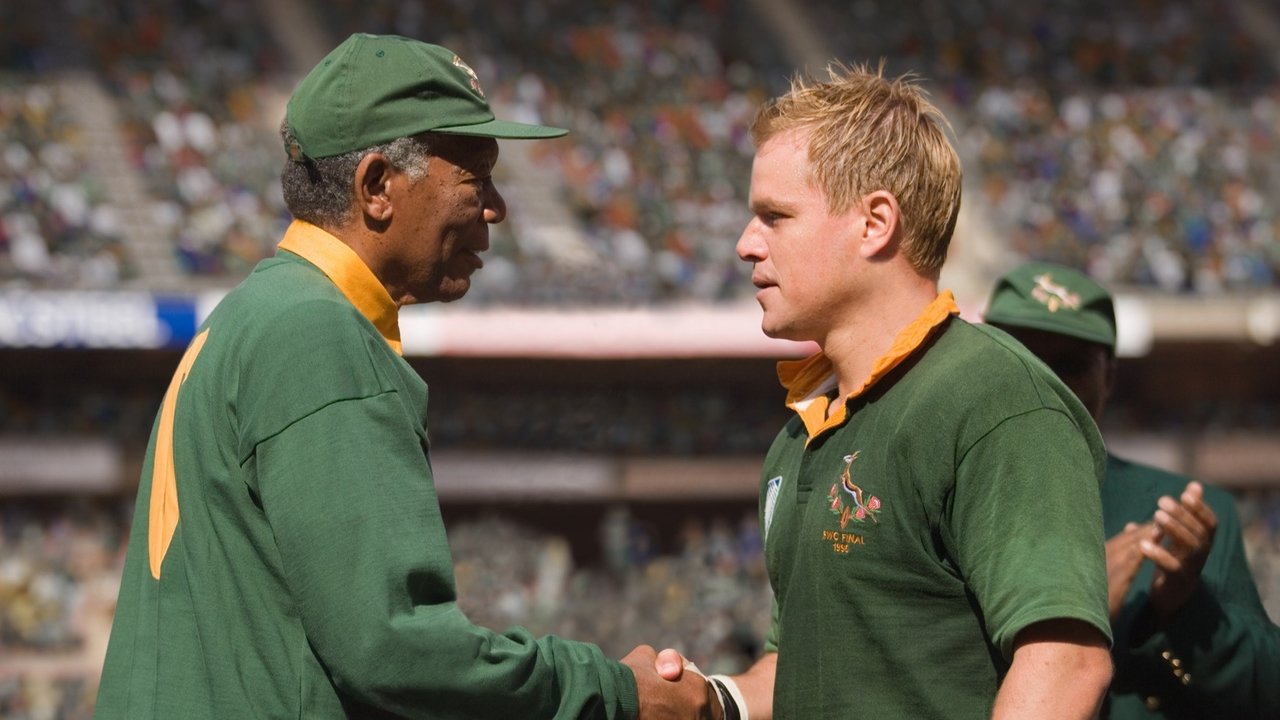
Morgan Freeman doesn't just "do" Mandela; he inhabits the stillness of the man. It’s a performance built on small gestures—the way he holds a teacup, the deliberate pace of his walk, that rhythmic, melodic voice that could make a grocery list sound like a sermon. Opposite him is Matt Damon as Francois Pienaar, the Springbok captain. Damon went full "Method Lite" for this, bulking up and mastering a Transvaal accent that is surprisingly sturdy. He plays Pienaar with a quiet, blue-collar stoicism that works as a perfect foil to Freeman’s statesman-like grace. The chemistry between them feels like a polite business meeting that accidentally turns into a deep friendship.
The "One Take" Eastwood Aesthetic
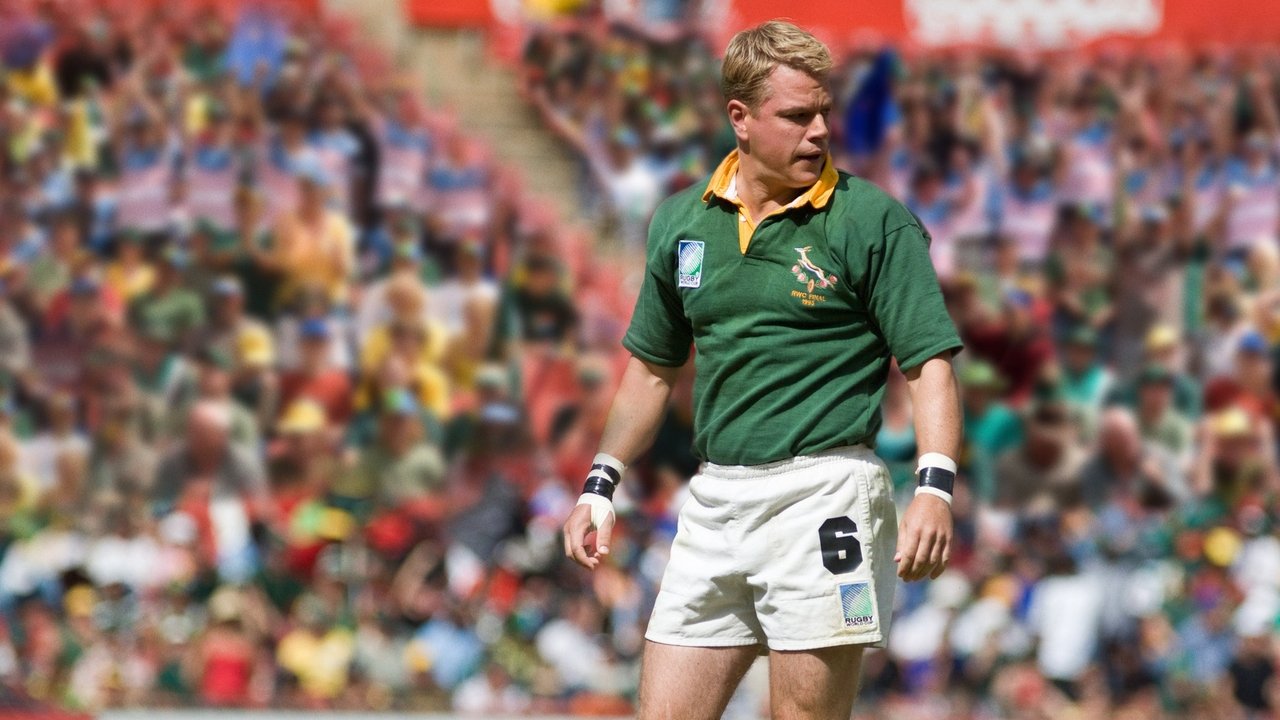
There’s a specific flavor to an Clint Eastwood film from this era. This was his prolific "prestige" period, following Million Dollar Baby and Gran Torino, where he was famously known for his "one and done" directing style. He doesn't like to over-rehearse, and he certainly doesn't like to waste daylight. You can feel that efficiency on screen. The cinematography by Tom Stern avoids the flashy, saturated palettes of modern sports flicks, opting instead for a sun-bleached, naturalistic look that makes 1995 South Africa feel lived-in and dusty.
However, that efficiency is a double-edged sword. While the political drama is taut and fascinating—especially the subplot involving Mandela’s integrated security detail featuring Tony Kgoroge and Patrick Mofokeng—the sports sequences are... well, they’re fine. Eastwood captures the brutality of rugby, the thud of the tackles, and the sweat, but it lacks the kinetic frenzy of a dedicated sports movie. The rugby scenes are filmed like a nature documentary about very large, sweating men. It’s less Rocky and more a historical reenactment. That’s not necessarily a bad thing, but if you’re coming for the "big game" thrills, you might find the pacing a bit stately.
Behind the Scrum
What really elevates Invictus for me are the "stuff-you-didn't-notice" details. For instance, the production actually filmed at Ellis Park Stadium, the site of the real 1995 final. They even managed to recreate the famous low-altitude Boeing 747 flyover that occurred before the match. In 2009, we were right in that sweet spot where CGI was becoming a standard tool for crowd duplication, but it still felt like the filmmakers were trying to keep one foot in the world of practical effects.
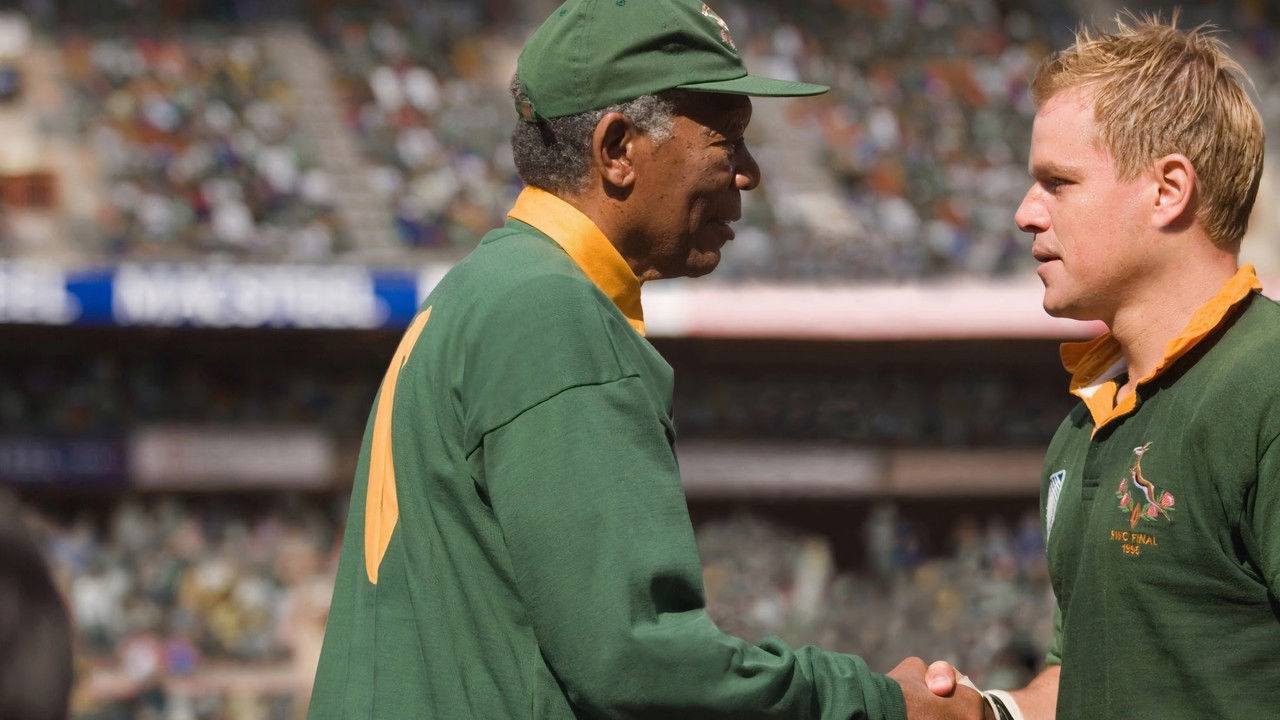
The film also captures a very specific moment in the DVD culture of the late 2000s. I recall the special features on the disc being quite extensive, detailing how Matt Damon spent time with the real Francois Pienaar to learn the nuances of the game. It’s the kind of mid-budget, adult-skewing drama that thrived on home video before everything became a superhero franchise. It’s a film that respects the audience’s intelligence enough to spend ten minutes talking about the political significance of a jersey color.
There is, of course, the score by Kyle Eastwood. It leans heavily on South African choral music and "9,000 Days," a song that is admittedly a bit on the nose. It’s the kind of song that plays in the lobby of a bank that just foreclosed on your house but wants you to feel "empowered" about it. It’s a minor gripe in a film that otherwise handles its sentimentality with a fair amount of restraint.
Invictus is a "gentle giant" of a movie. It doesn't have the grit of Eastwood’s later, more cynical work, but it possesses a genuine warmth that is rare in political biopics. It’s a testament to the idea that symbols matter—that a game can actually change the temperature of a nation. Is it a bit simplified? Sure. Is the rugby a little slow? Occasionally. But watching Morgan Freeman tip his cap to a stadium of 60,000 people is the kind of cinematic comfort food that reminds me why I love the movies in the first place.
Keep Exploring...
-
J. Edgar
2011
-
Flags of Our Fathers
2006
-

Changeling
2008
-
Letters from Iwo Jima
2006
-
King Arthur
2004
-

Cinderella Man
2005
-
Kingdom of Heaven
2005
-

Memoirs of a Geisha
2005
-
Munich
2005
-
Public Enemies
2009
-
Hotel Rwanda
2004
-
Million Dollar Baby
2004
-
Coach Carter
2005
-

Marie Antoinette
2006
-

Gran Torino
2008
-

Milk
2008
-

The Other Boleyn Girl
2008
-
Selma
2014
-
Richard Jewell
2019
-
Absolute Power
1997