Julie & Julia
"Passion, butter, and the art of starting over."
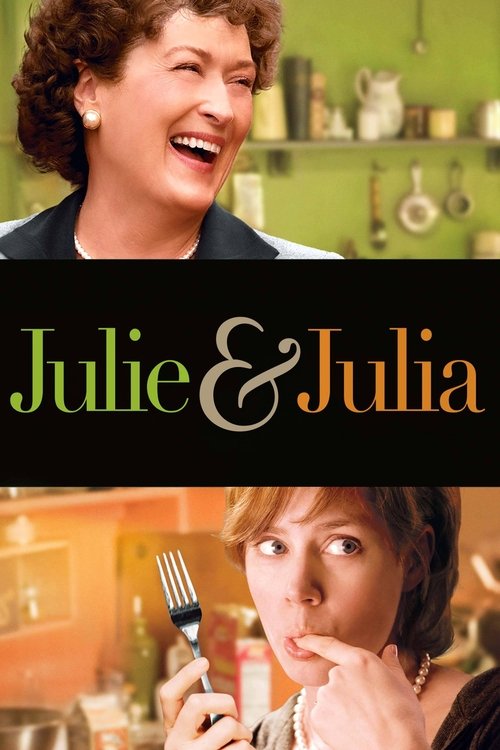
There is a specific sound a knob of butter makes when it hits a hot Le Creuset pan—a cheerful, frantic sizzle that promises everything is going to be alright. In Nora Ephron’s Julie & Julia, that sound is the heartbeat of the film. I watched this on a humid Tuesday while my neighbor was loudly practicing the tuba, and somehow the chaotic brass notes paired perfectly with the exuberant shrieking of Meryl Streep. It’s a movie that smells like shallots and red wine, even through a screen, and it serves as a bittersweet swan song for Ephron, who redefined the "smart" romantic comedy for a whole generation.
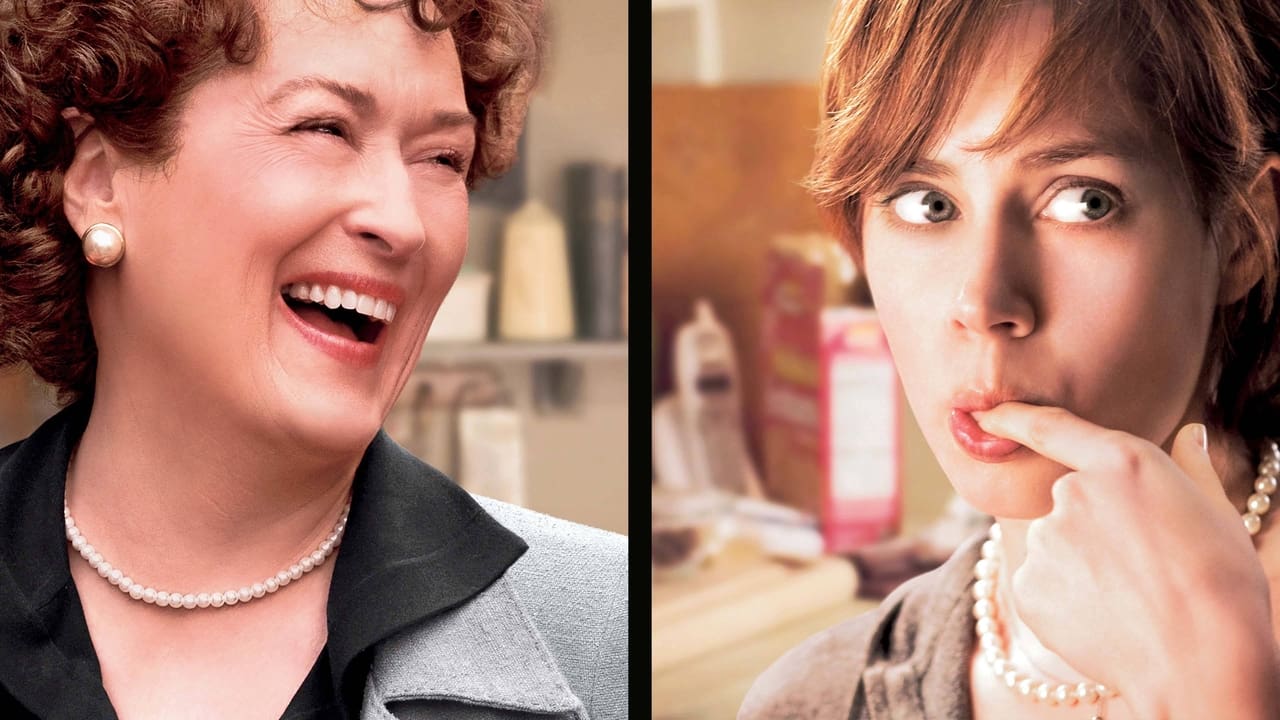
Looking back from the vantage point of our current social media saturated world, Julie & Julia feels like a fascinating time capsule of the "Modern Cinema" era’s transition. Released in 2009, it arrived right as the blogosphere was beginning to morph into the influencer economy. It’s a period piece twice over: once for the lush, post-war Paris of the 1950s, and once for the clunky, dial-up-adjacent New York City of 2002.
The High-Waisted Magic of 1950s Paris
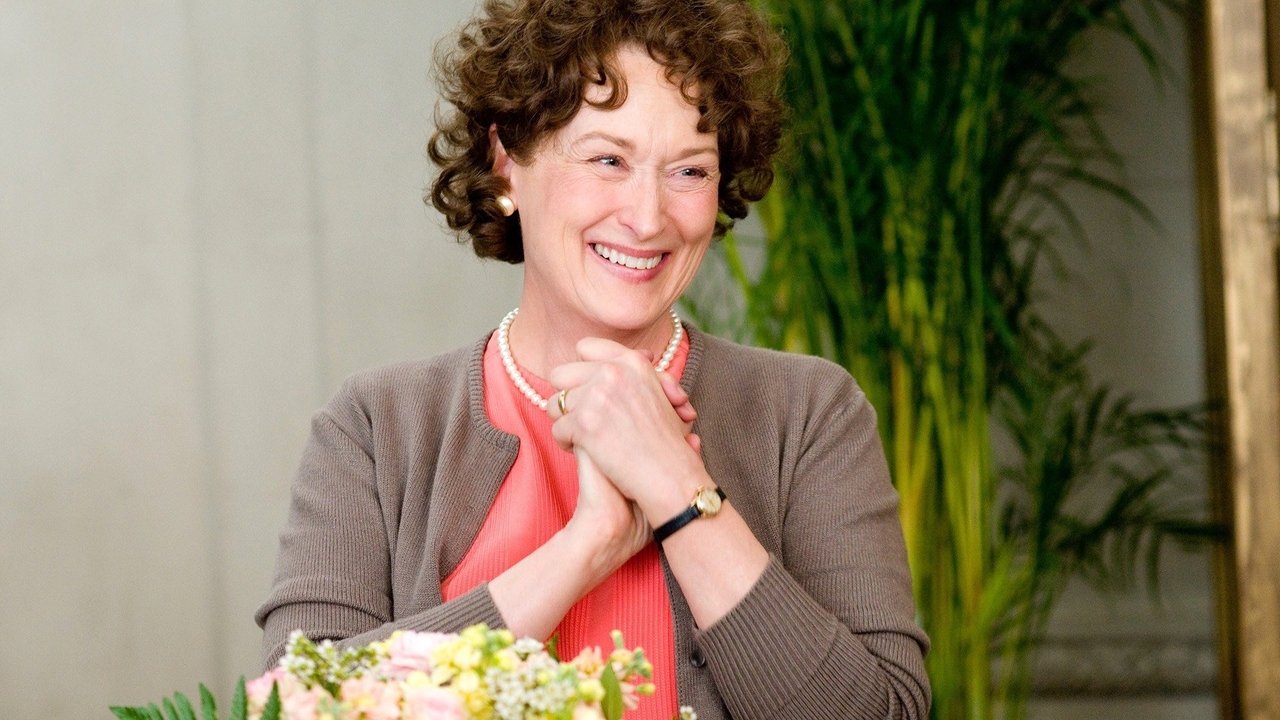
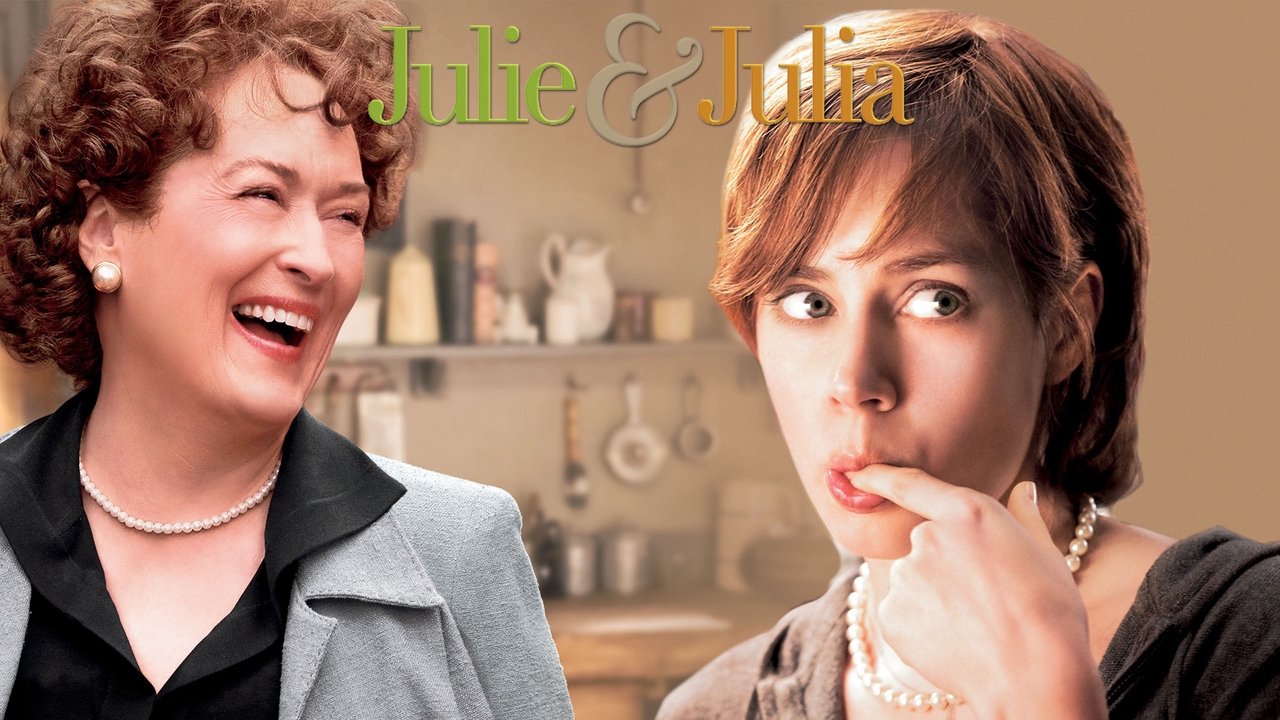
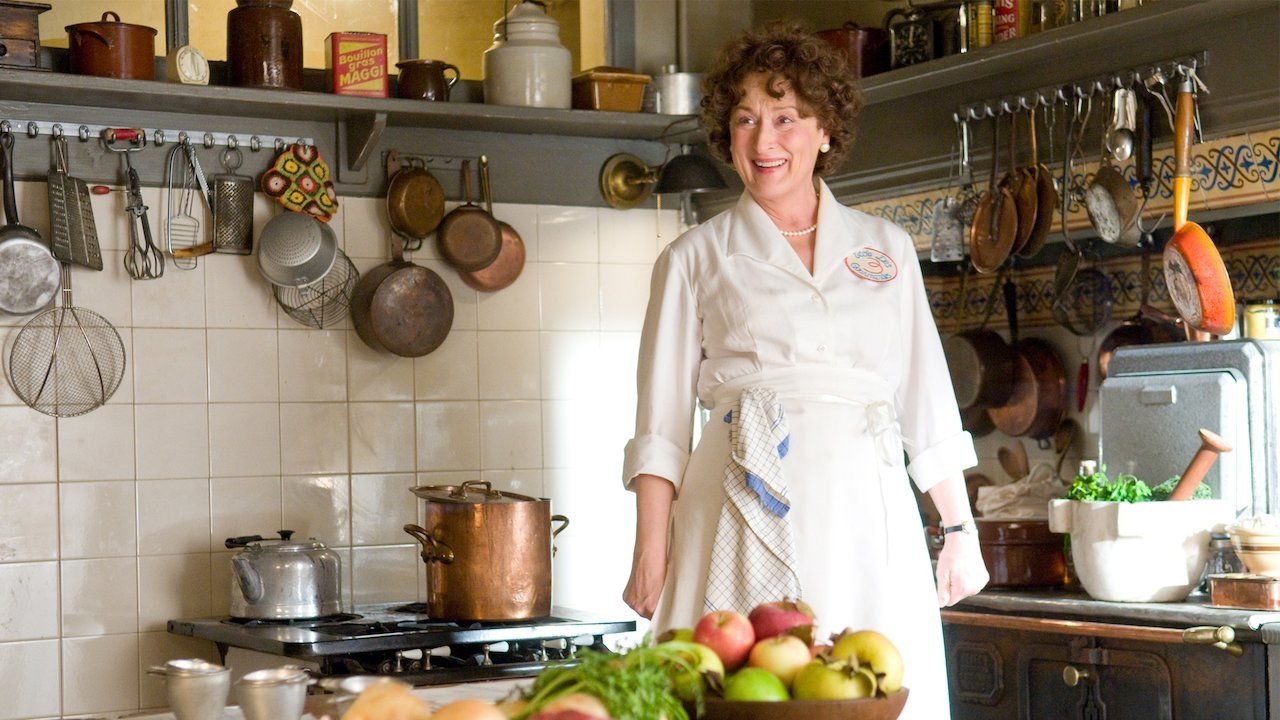
The film’s greatest strength is its split personality. On one side of the Atlantic, we have Julia Child (Meryl Streep), a woman who is "too much" for almost everyone except her husband, Paul (Stanley Tucci, who gave us The Devil Wears Prada and here plays the ultimate supportive spouse). Streep doesn’t just play Julia Child; she inhabits her with a joy that feels radioactive. She’s tall, she’s loud, and she’s utterly uninterested in the stifling expectations of 1950s womanhood.
The Paris sequences are shot with a warmth that makes you want to crawl into the frame and live in a boulangerie. Watching Streep attack a mountain of onions with a chef's knife is one of those cinematic moments that feels more "action-packed" than half the superhero movies of the late 2000s. It’s a masterclass in—wait, I promised no "masterclasses." Let’s call it a delightful display of physical comedy. Streep and Tucci have a chemistry that feels lived-in and genuinely sexy, proving that a drama doesn't need a cheating scandal to be compelling. Sometimes, the most radical thing you can show on screen is two people who actually like each other.
The 2002 Blogosphere: A Prehistoric Artifact
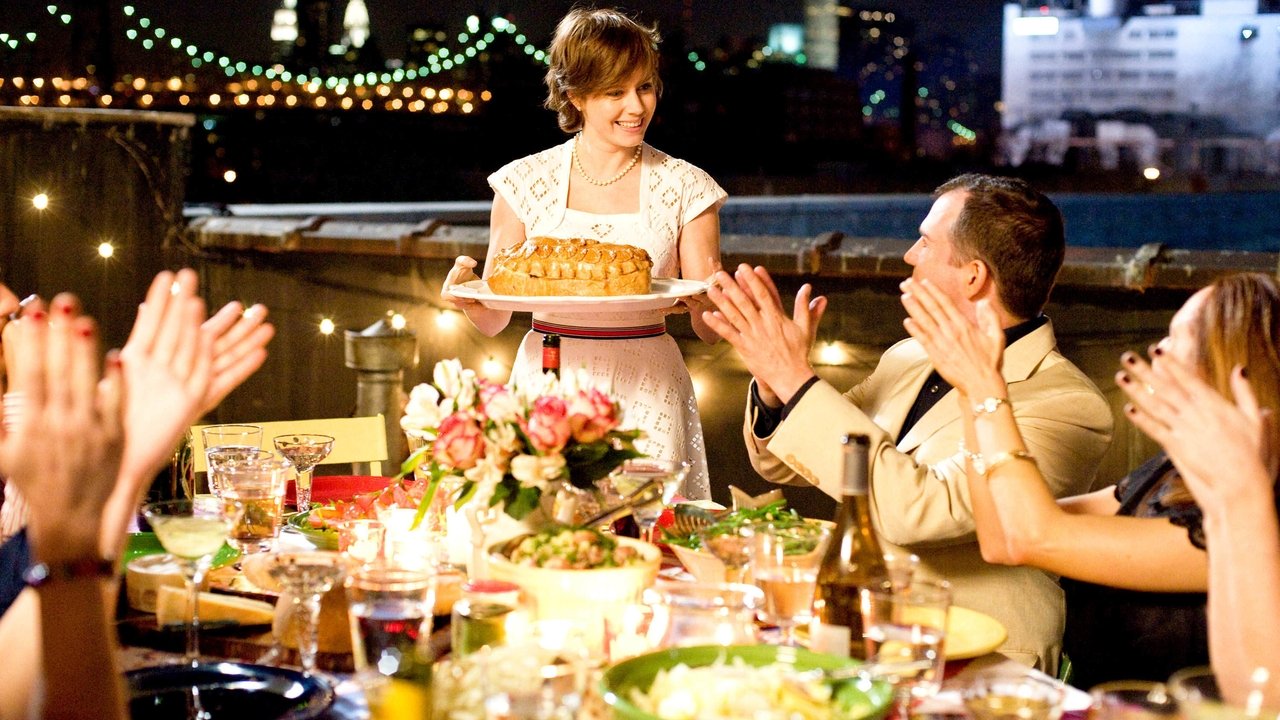
Then we have the "Julie" half of the equation. Amy Adams plays Julie Powell, a frustrated cubicle worker in a post-9/11 Manhattan who decides to cook all 524 recipes in Child’s Mastering the Art of French Cooking in one year. At the time, this felt cutting-edge; today, it feels like watching a historical reenactment of the early internet. Julie’s excitement over getting "three comments" on her blog is adorable in an era before "going viral" was a threat to one's mental health.
I’ll be honest: Julie Powell’s apartment is the exact kind of Pinterest-before-Pinterest nightmare that fueled a decade of millennial debt. While Adams is a phenomenal actress (she’s the grounding force in Arrival and Sharp Objects), her character is often the "difficult" part of the film for many viewers. She’s self-absorbed, she’s prone to meltdowns over fallen aspics, and she treats her husband, Eric (Chris Messina), like a sous-chef rather than a partner. But looking back, Adams’ Julie Powell is the patron saint of the "main character syndrome" we all now suffer from. She’s relatable because she’s flawed, and her struggle to find meaning in a world of insurance claims and 9/11 fallout feels grounded and real.
A Tale of Two Kitchens
Nora Ephron was always a wizard at dialogue, and her screenplay (adapted from two different memoirs) weaves these lives together through the shared language of appetite. The film was a massive commercial success, raking in over $129 million on a $40 million budget. In an era where "mid-budget dramas for adults" were starting to vanish in favor of the burgeoning MCU formula, Julie & Julia was a defiant box-office win. It proved that audiences—especially women—were starving for stories that treated their ambitions and their hobbies with equal gravity.
There’s some great trivia tucked into the folds of this soufflé. For instance, Meryl Streep is 5’6”, while the real Julia Child was 6’2”. To bridge the gap, Ephron and cinematographer Stephen Goldblatt used forced perspective, low-angle shots, and even had Streep wear extra-high heels to make her tower over the French locals. It’s a seamless trick that makes Julia feel like a giant in a world made for dolls.
Also, it’s a bit of a heartbreaker to realize that Amy Adams and Meryl Streep never actually shared a single day on set. They occupy different timelines, so their "chemistry" is entirely constructed in the editing room. Yet, the film works because it understands that we are all the products of the people we admire from a distance.
The film isn't perfect—the pacing can feel a bit lopsided, as most viewers (myself included) find ourselves tapping our toes during the 2002 segments, waiting to get back to the butter-soaked streets of 1950s France. However, as a retrospective piece, it’s a triumph. It captures the end of the "DVD era" where a movie could just be a warm, smart, beautifully acted story about something as simple—and as complicated—as dinner.
It’s a movie that asks us to find the "Julia" in our own lives, even when we’re stuck in a "Julie" phase. It’s a reminder that passion isn't just for the young or the traditionally successful; sometimes, it’s just about having the courage to flip a potato pancake and hope for the best. If you haven't seen it in a decade, give it another go—just make sure you have some good bread and a lot of butter nearby. You’re going to need it.
Keep Exploring...
-
Sleepless in Seattle
1993
-
You've Got Mail
1998
-
The Bridges of Madison County
1995
-
The Devil Wears Prada
2006
-
Shall We Dance?
2004
-

Closer
2004
-

Sideways
2004
-
The Princess Diaries 2: Royal Engagement
2004
-
Walk the Line
2005
-

Step Up
2006
-
Juno
2007
-
Knocked Up
2007
-

P.S. I Love You
2007
-

Forgetting Sarah Marshall
2008
-

High School Musical 3: Senior Year
2008
-

Step Up 2: The Streets
2008
-

The Reader
2008
-

Twilight
2008
-

17 Again
2009
-

Hannah Montana: The Movie
2009