Knowing
"The countdown has already begun."
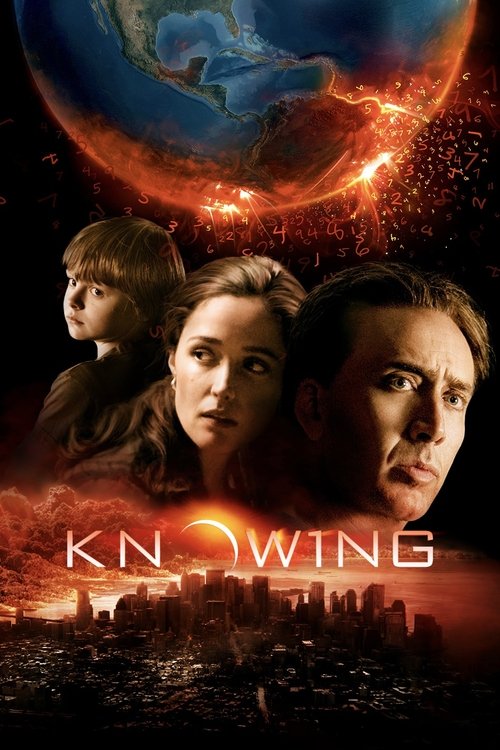
There is a specific kind of existential dread that comes from looking at a list of dates and realizing the final entry is tomorrow. I first saw Knowing on a scratched DVD I bought at a gas station during a cross-country move, eating a sleeve of slightly stale Ritz crackers in a Motel 6. Somehow, that bleak, transient setting perfectly matched the movie’s vibe. It’s a film that starts as a grounded, MIT-academic mystery and slowly, unapologetically, descends into a cosmic fever dream.
Directed by Alex Proyas—the visionary behind the gothic masterpiece The Crow (1994) and the sci-fi cult classic Dark City (1998)—Knowing arrived in 2009 during the tail end of the "disaster movie" craze. But while Roland Emmerich was busy destroying the world with popcorn-flicking glee, Proyas decided to make it feel personal, haunting, and deeply weird.
The Gospel of Nic Cage
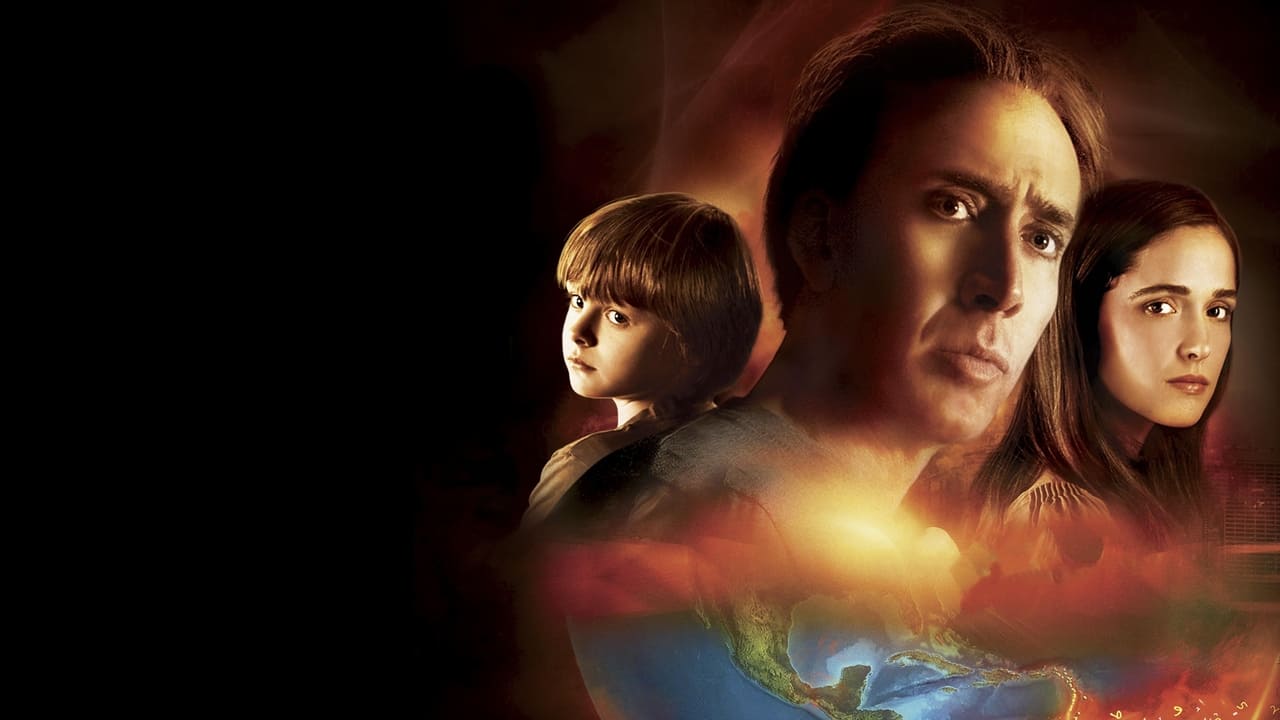
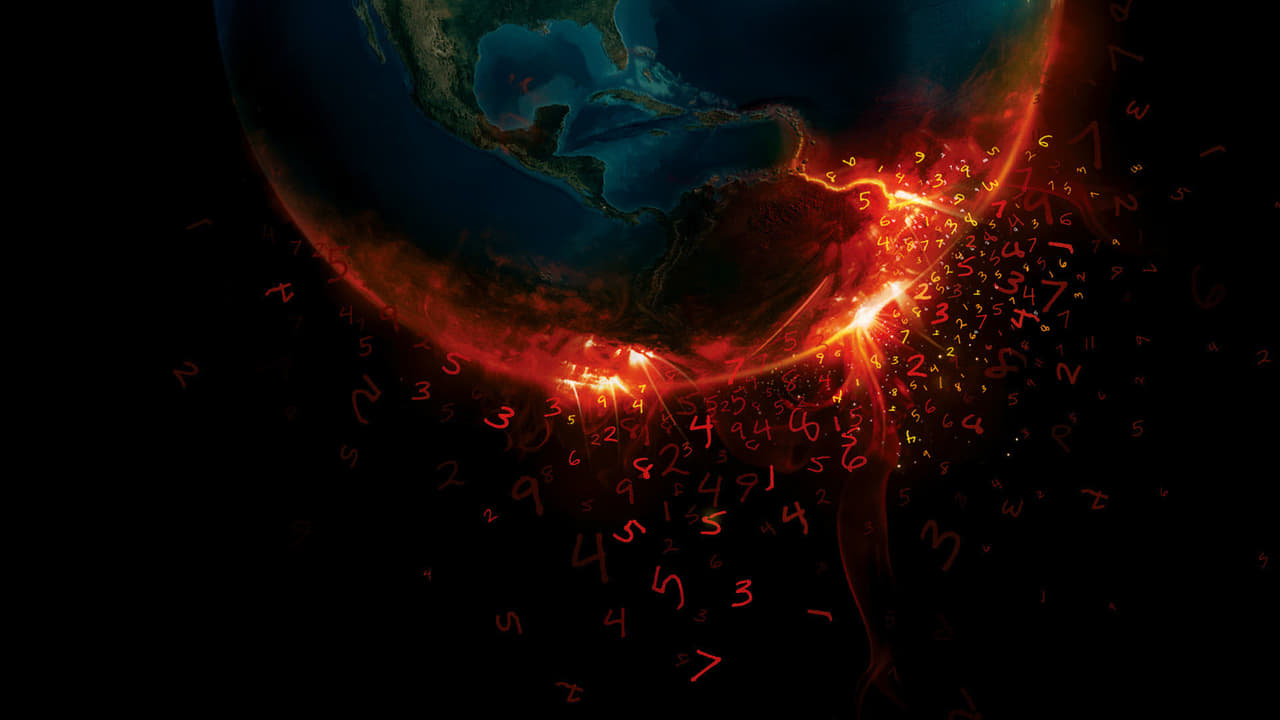
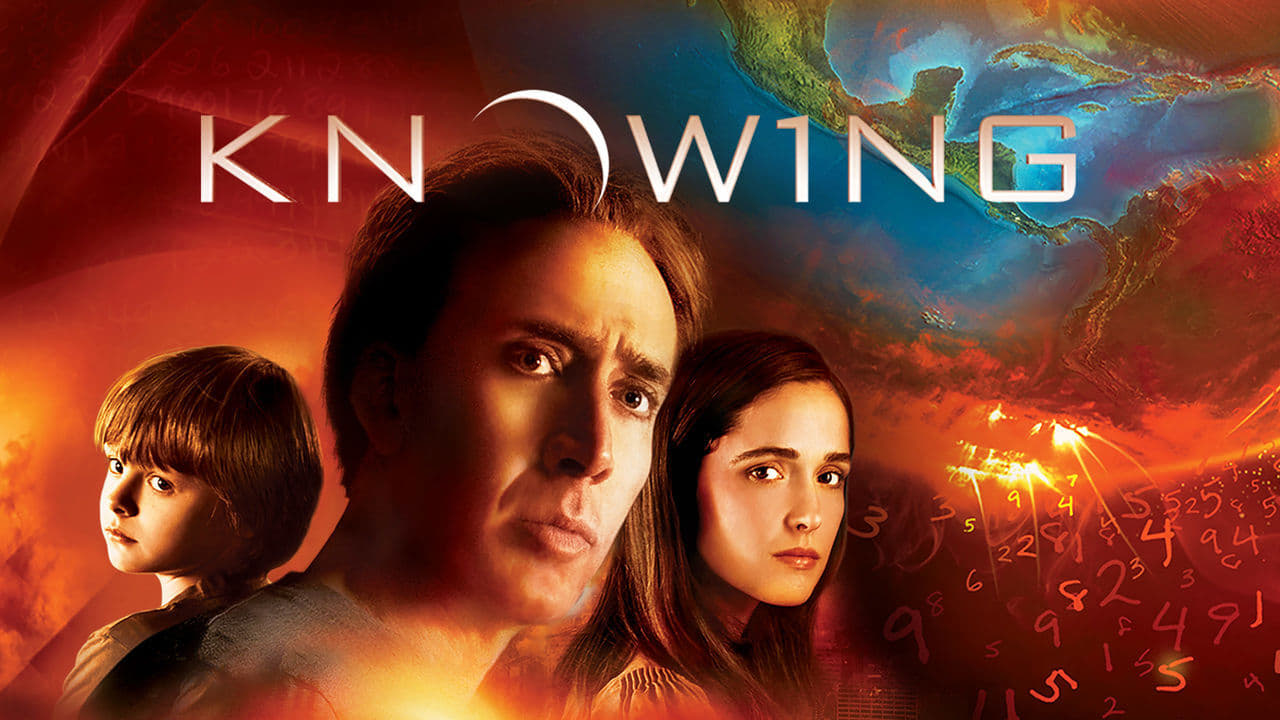
At the center of the storm is Nicolas Cage as John Koestler, an astrophysics professor who is grieving his wife and struggling to connect with his son, Caleb (Chandler Canterbury). When Caleb’s school opens a 50-year-old time capsule, he receives a page filled with seemingly random numbers. John, fueled by whiskey and a mathematician's obsession, discovers they aren't random at all: they are the dates and death tolls of every major global disaster over the last half-century.
This is "Serious Cage," a mode I personally find fascinating. He isn't quite in full Mandy (2018) "mega-acting" territory yet, but you can see the frantic energy simmering under the surface. Nicolas Cage staring at a piece of paper is more intense than most modern superhero climaxes. He carries the film’s increasingly absurd premise with a sincerity that prevents it from collapsing under its own weight. He is joined by Rose Byrne, who brings a frantic, grounded energy as the daughter of the girl who originally wrote the numbers, and a pre-fame Ben Mendelsohn, who plays the skeptical colleague with that effortless "Mendo" charm.
Action in the Age of Anxiety
While the plot is a mystery, the action sequences are where Knowing earns its keep. Coming out in the late 2000s, the film sits at a fascinating crossroads of CGI evolution. We were moving past the "rubbery" look of the early 2000s and into something more photo-real but still daring.
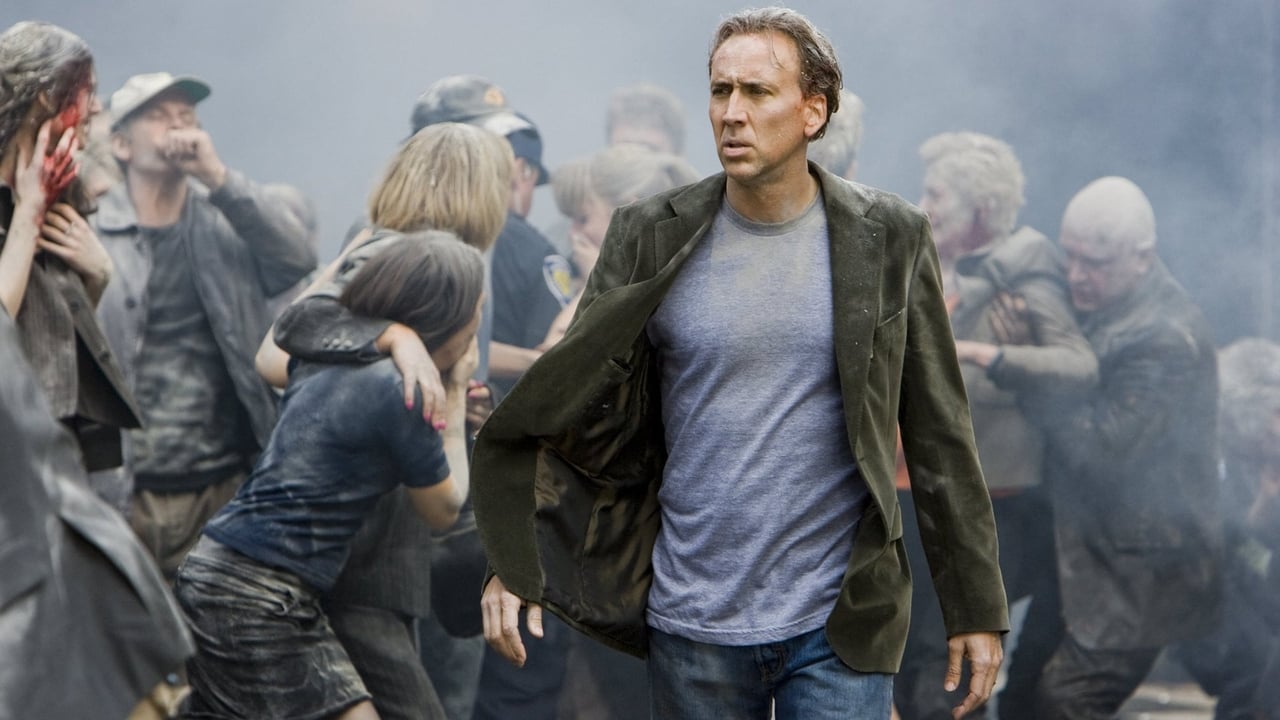
The plane crash sequence is, to this day, one of the most harrowing things I’ve ever seen on screen. Alex Proyas opted for a long, sustained "one-shot" approach as John wanders into the wreckage. It doesn't feel like a movie stunt; it feels like a news report from hell. It captured that specific post-9/11 anxiety—the feeling that disaster could drop out of a clear blue sky at any moment. The subway sequence is a terrifying argument for never leaving your house again. It’s loud, it’s tactile, and it has a physical weight that many modern, purely digital spectacles lack. The way the metal screeches and the dust settles feels frighteningly real.
A Blockbuster That Took Big Risks
What’s truly wild about Knowing is its scale. It was a genuine hit, pulling in over $155 million against a $50 million budget. In today’s landscape, a mid-budget, original sci-fi thriller with such a bleak ending would almost never get a wide theatrical release. It represents a time when studios were still willing to bet on high-concept "what if?" stories that didn't involve capes.
The production was actually a bit of a nomad. Despite being set in Boston, it was almost entirely filmed in Melbourne, Australia. Alex Proyas used his home turf to maximize the budget, and while some of the "Boston" streets look suspiciously like Melbourne, the cinematography by Simon Duggan—who also shot I, Robot (2004)—keeps everything bathed in a sickly, autumnal glow that heightens the tension.
Interestingly, the film's concept spent years in "development hell." At one point, Richard Kelly, the director of Donnie Darko (2001), was attached to direct. You can still feel some of that DNA in the final product—the "whispering men" in their trench coats feel like they walked straight out of a more ominous version of a 1950s sci-fi serial.
The ending remains one of the most polarized "love it or hate it" moments in modern cinema. I won’t spoil it for the uninitiated, but I will say this: it’s bold. It pivots from a disaster thriller to something biblical and cosmic so quickly it might give you whiplash. But in an era of safe, tested-to-death endings, I have to respect a film that goes for the moon—or, in this case, the sun.
Knowing isn't a perfect movie, but it is a memorable one. It’s a bridge between the practical-heavy thrillers of the 90s and the digital-heavy spectacles of the 2010s, anchored by a lead actor who refuses to phone it in. If you want a mystery that actually pays off its clues—even if the payoff is completely insane—this is your Friday night sorted. Just don't blame me if you start looking at your calendar with a bit more suspicion.
Keep Exploring...
-

National Treasure
2004
-
National Treasure: Book of Secrets
2007
-
The Maze Runner
2014
-
Sky Captain and the World of Tomorrow
2004
-
Next
2007
-
Pandorum
2009
-

I, Robot
2004
-
Super 8
2011
-
Non-Stop
2014
-
The 6th Day
2000
-

Paycheck
2003
-
Cloverfield
2008
-
Predators
2010
-

In Time
2011
-
Limitless
2011
-
Unknown
2011
-
Outbreak
1995
-
Armageddon
1998
-

Jurassic Park III
2001
-
Planet of the Apes
2001