Law Abiding Citizen
"Burn the system down from the inside out."
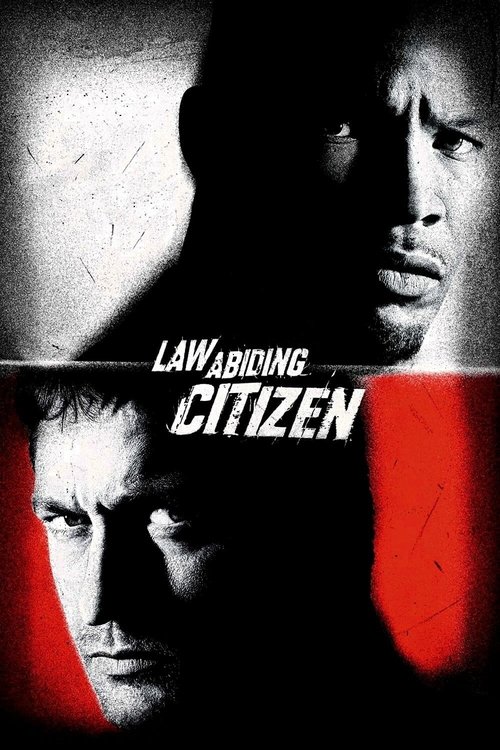
There is a specific, cold-blooded frequency to 2009 that most modern thrillers can’t quite replicate. It was a year where the gloss of the early 2000s started to peel away, replaced by a gritty, post-recession cynicism that viewed every institution—from banks to courtrooms—as fundamentally broken. I sat down to rewatch Law Abiding Citizen on a Tuesday afternoon while nursing a lukewarm cup of peppermint tea that had a single, stubborn floating leaf I couldn't fish out, and that minor annoyance felt strangely in sync with the film’s opening premise: the system is flawed, and sometimes, you just want to throw the whole thing in the trash.
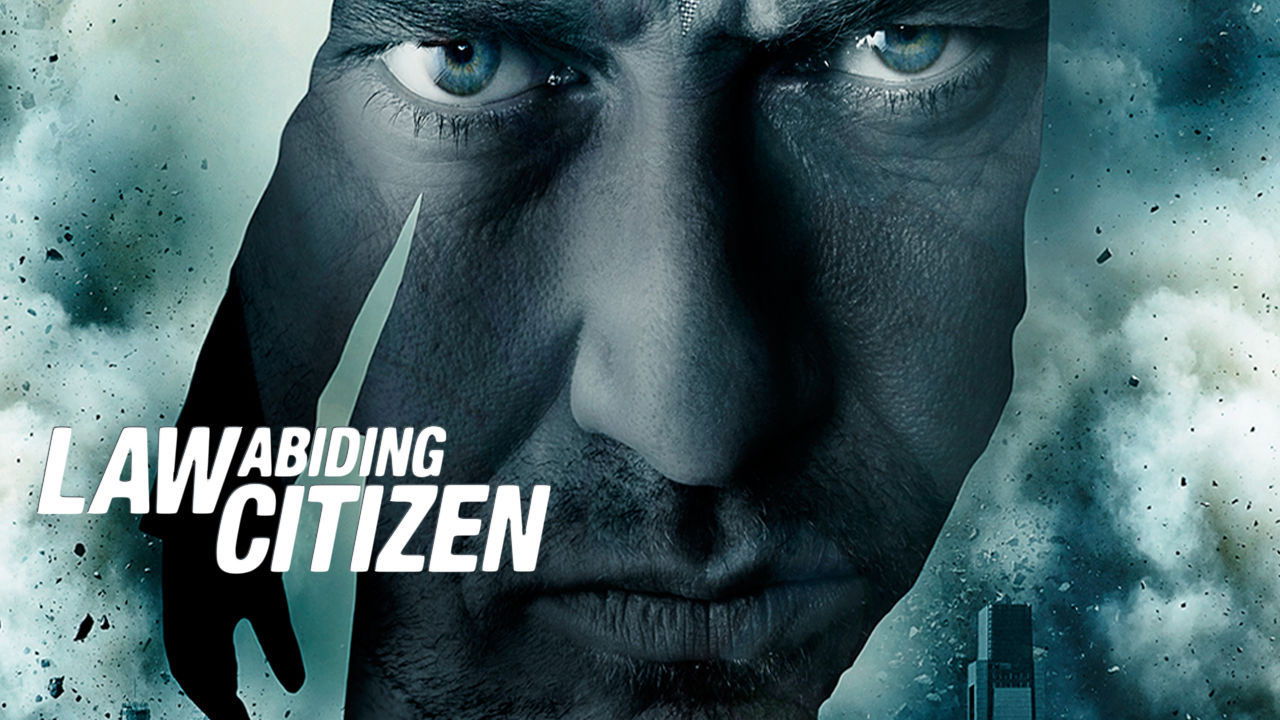
Directed by F. Gary Gray (who previously brought a sleek, kinetic energy to The Italian Job), the film is a fascinating relic of the pre-MCU era where mid-budget, star-driven R-rated dramas could still dominate the cultural conversation. It’s a movie that starts as a heartbreaking tragedy and rapidly mutates into a "torture-porn" adjacent revenge fantasy, fueled by the kind of righteous indignation that makes for perfect late-night cable viewing.
The Architect of Ruin
The film centers on Clyde Shelton, played with a simmering, terrifying precision by Gerard Butler. After his wife and daughter are murdered during a home invasion, Clyde watches in horror as the lead prosecutor, Nick Rice (Jamie Foxx), cuts a plea bargain with one of the killers to maintain his high conviction rate. It’s a classic setup, but the script by Kurt Wimmer (the mind behind the cult-favorite Equilibrium) takes a sharp left turn. Ten years later, Clyde isn’t just looking for the killers; he’s looking to dismantle the entire concept of American jurisprudence.
Gerard Butler delivers what I honestly believe is his most compelling work here. Before he became the face of the "Has Fallen" franchise, he had this ability to project a blue-collar vulnerability that masked a frightening intellect. When he’s sitting in that interrogation room, naked and unbothered, he’s not a slasher villain; he’s a grieving father who happens to be a world-class "tactician." On the flip side, Jamie Foxx has the thankless task of playing the "hero" we almost want to see lose. Rice is the personification of the compromise—the guy who thinks a 96% conviction rate is more important than actual justice. The movie’s real magic trick is making us root for a man who is actively blowing up City Hall.
A Collision of Ego and Ethics

The supporting cast fills out the Philadelphia landscape with seasoned reliability. Colm Meaney is perfectly cast as the weary Detective Dunnigan, and Bruce McGill brings his signature gravitas as the veteran Jonas Cantrell. There’s a scene involving a canister of nitrogen and a judge’s cell phone that still ranks as one of the most inventive—and darkly hilarious—assassinations in 2000s cinema. It’s that "grand guignol" style of filmmaking that earned the movie its cult status; it’s too smart to be a B-movie, but too mean to be a prestige Oscar contender.
Looking back, the production itself was a bit of a game of musical chairs. Originally, Gerard Butler was supposed to play the prosecutor, Nick Rice, while Jamie Foxx was slated for the vengeful Clyde Shelton. At the last minute, Butler decided he wanted to play the villain/anti-hero, leading to a total role swap. It was an inspired choice; Butler’s physicality makes his transition from victim to mastermind feel earned, while Foxx’s natural charisma makes Rice’s arrogance feel like a suit he’s worn for too long.
Interestingly, the film was almost directed by Frank Darabont (The Shawshank Redemption), who left the project due to creative differences regarding the ending. You can almost feel the ghost of a more philosophical movie hovering over the first act before the explosions start. The film also features early roles for Leslie Bibb and Michael Irby, though their characters largely serve as collateral damage in the escalating war between the two leads.
The Legacy of the "Lost" Ending
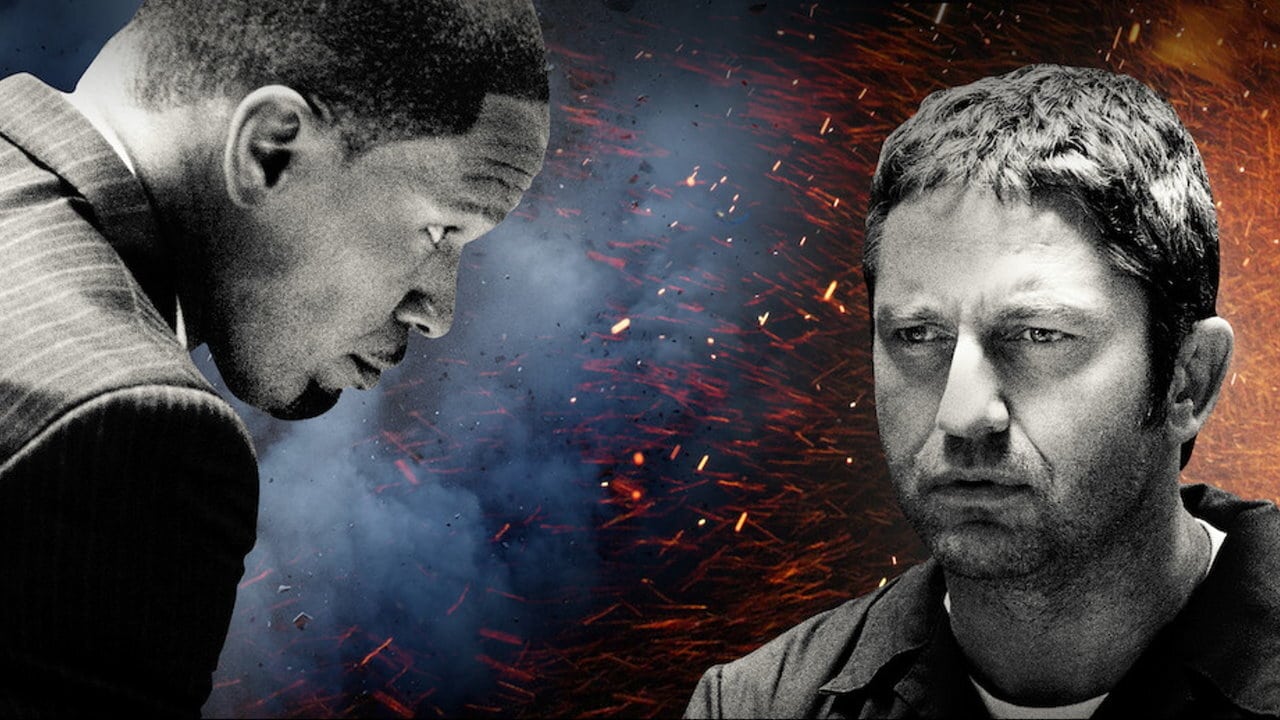
If you mention Law Abiding Citizen to any fan today, the conversation inevitably turns to the final ten minutes. Without spoiling it for the three people who haven't caught this on a TNT marathon, the conclusion remains one of the most debated "studio mandated" finishes in history. There has long been a rumor that the ending was changed because Jamie Foxx didn't want his character to lose, though F. Gary Gray has since clarified that they simply struggled to find a way for "evil" to win in a mainstream Hollywood production.
Regardless of where you land on the finale, the film’s cult status is cemented by its sheer audacity. It captures that 2009 tech-anxiety perfectly—the idea that a man with enough time, a laptop, and a tunnel-boring machine could bring a major metropolis to its knees. It’s a movie that understands our collective frustration with red tape and serves it back to us with a side of high-octane vengeance.
Law Abiding Citizen is the ultimate "guilty pleasure" that doesn't actually require much guilt. It’s a slick, well-acted, and profoundly intense thriller that asks how much of our soul we’re willing to trade for a stable society. While the third act might stumble under the weight of its own logic, the psychological chess match between Gerard Butler and Jamie Foxx is worth the price of admission alone. It’s a grim, explosive reminder that sometimes the law and justice aren't even on speaking terms.

Keep Exploring...
-

The Negotiator
1998
-

Lord of War
2005
-
Lucky Number Slevin
2006
-
The Next Three Days
2010
-
Drive
2011
-
The Lincoln Lawyer
2011
-

End of Watch
2012
-
Nightcrawler
2014
-
Collateral
2004
-
The Godfather Part III
1990
-
Road to Perdition
2002
-
The Life of David Gale
2003
-

A History of Violence
2005
-

Falling Down
1993
-
Natural Born Killers
1994
-

Jackie Brown
1997
-
American Psycho
2000
-
John Q
2002
-

21 Grams
2003
-
The Departed
2006