LOL (Laughing Out Loud)
"High school heartbreak, MSN Messenger, and Sophie Marceau."
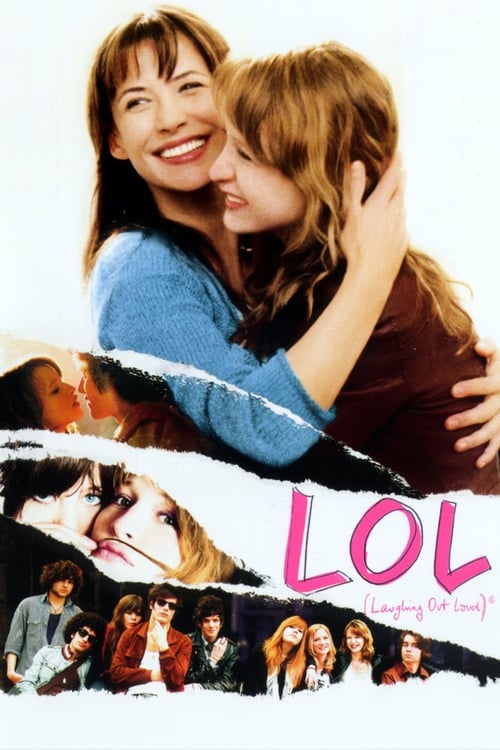
Before we all started communicating exclusively in emojis and TikTok dances, there was a brief, shimmering window of time when "LOL" wasn't just an acronym; it was a lifestyle. Specifically, a French lifestyle. I’m talking about the 2009 phenomenon LOL (Laughing Out Loud), a movie that managed to be a massive cultural touchstone in France while remaining a semi-obscure curiosity everywhere else—mostly remembered as "that movie they remade with Miley Cyrus."
I recently rewatched this on a rainy Tuesday afternoon while accidentally eating an entire sleeve of Fig Newtons, and I was struck by how much of a time capsule it truly is. Released at the tail end of the 2000s, it captures that frantic, awkward transition where teenagers were still passing physical notes but were also increasingly tethered to the blue-lit glow of MSN Messenger. It’s a film that feels modern enough to recognize, yet old enough to make you wince at the tech we once thought was cutting-edge.
The Mirror of Two Generations
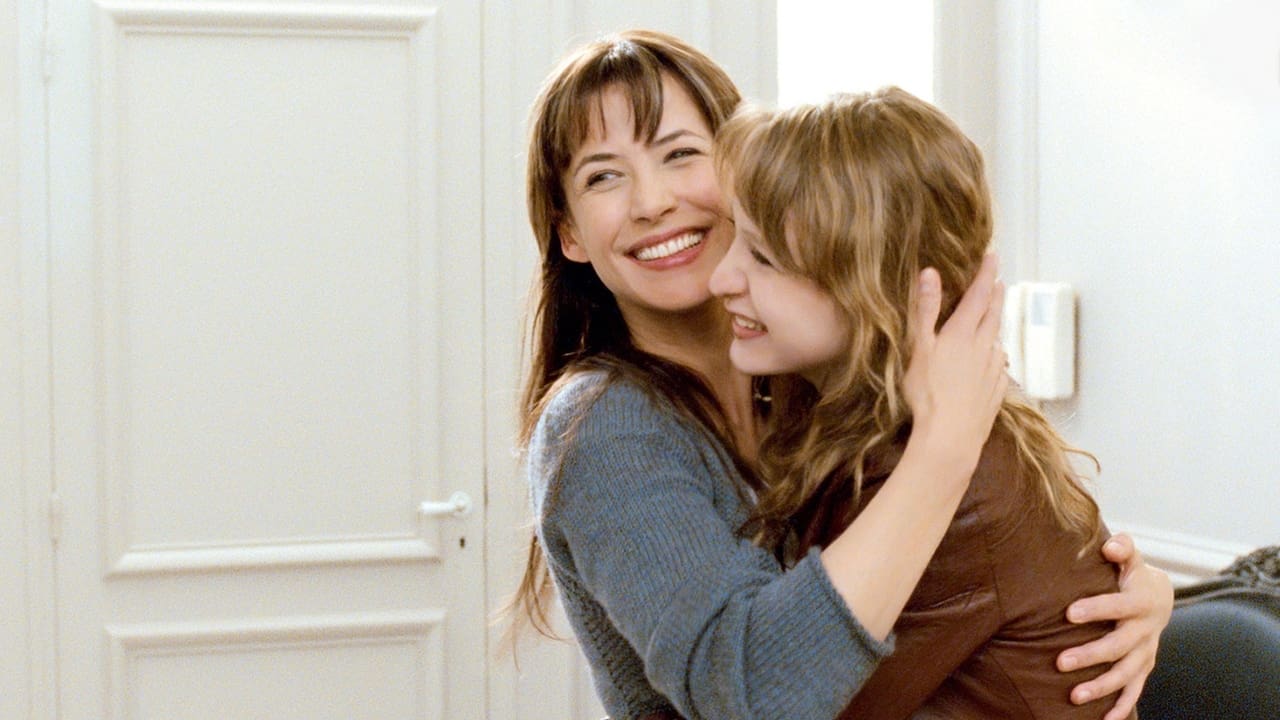
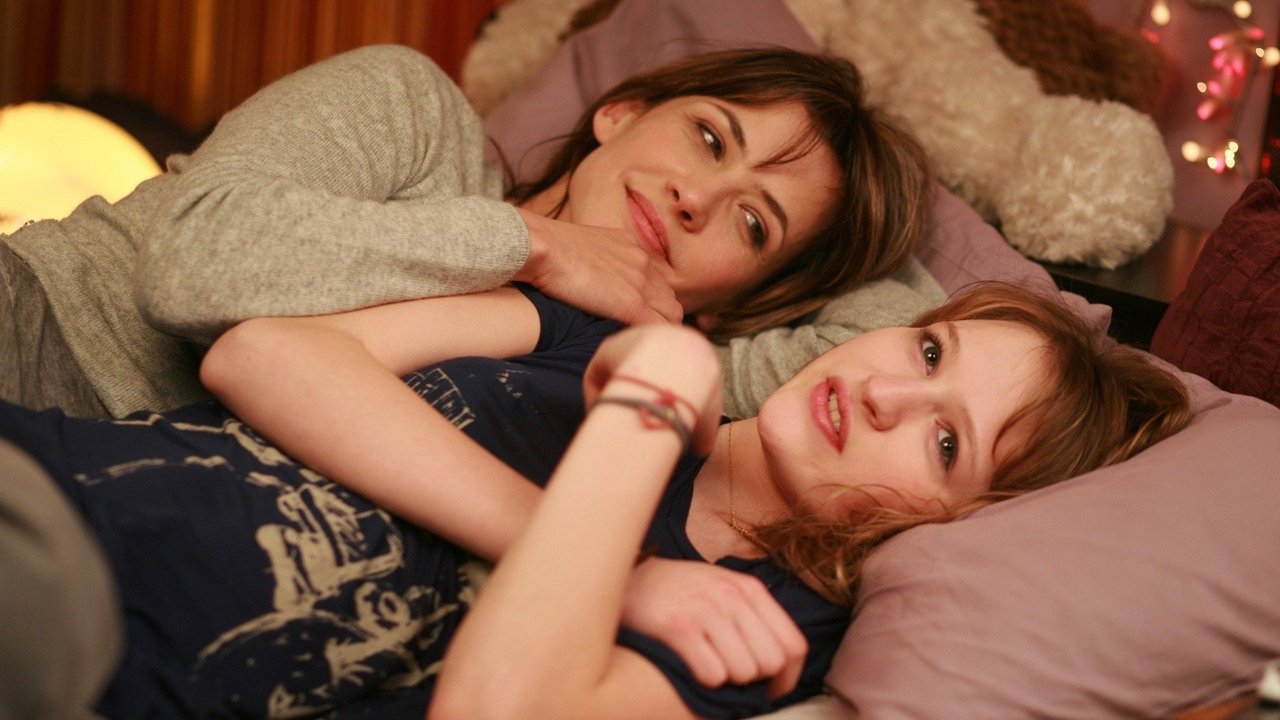
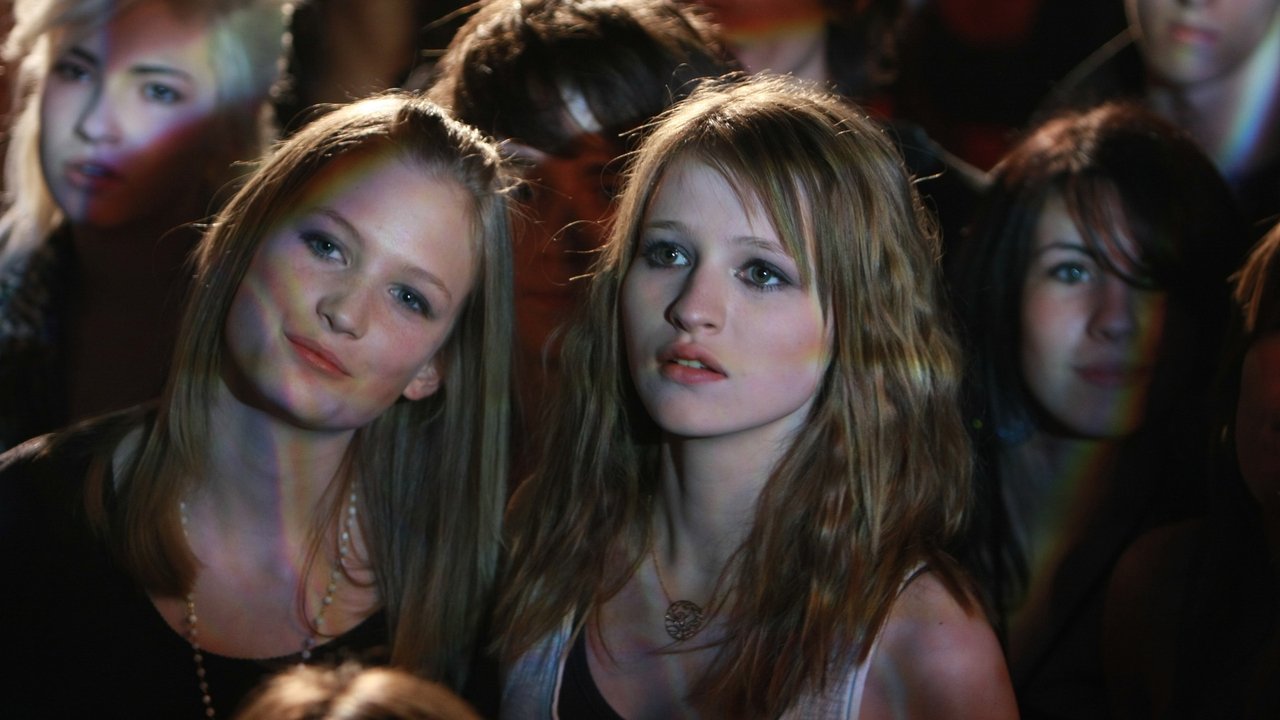
At its heart, LOL is a dual-narrative coming-of-age story. We follow Lola (a luminous Christa Théret), a teenager navigating the standard-issue minefield of high school: cheating boyfriends, best friend betrayals, and the soul-crushing importance of being "cool." But the secret weapon of the film is her mother, Anne, played by the legendary Sophie Marceau.
There is a delicious meta-layer here that I think French audiences appreciated more than anyone else. Sophie Marceau became an overnight sensation in 1980 starring in La Boum, the definitive French teen movie of that era. Seeing her return nearly thirty years later to play the mother of a rebellious teen is a stroke of casting genius. It’s a generational hand-off. While Lola is trying to lose her virginity and find her "soulmate" in the floppy-haired Maël (Jérémy Kapone), Anne is navigating her own messy divorce and a secret fling with her ex-husband.
I loved how director Lisa Azuelos treats the mother and daughter with the same level of dignity—and the same level of mockery. They both lie to each other, they both hide their phones, and they are both fundamentally confused by what it means to be a "grown-up." Anne is essentially just a teenager with a mortgage and a better wine cellar. It’s a refreshing take that avoids the "boring parent" trope that plagues so many American teen comedies.
A Soundtrack of MySpace Memories
If you want to know what 2009 felt like, just listen to this movie. The score by Jean-Philippe Verdin is a masterclass in that specific brand of indie-pop that dominated the late 2000s. It’s all acoustic guitars, slightly breathy vocals, and lyrics about being misunderstood. It’s the kind of music that makes you want to wear a skinny tie and take a grainy photo for your MySpace profile.
The film leans heavily into the "music as identity" angle. Maël is a musician (of course), and the scenes of the teens lounging in Parisian apartments, smoking (because it's France), and listening to rock music feel incredibly authentic to that specific era. The film captures a pre-Instagram world where you actually had to talk to people to annoy them. There’s a scene involving the reading of a physical diary that feels like an artifact from a lost civilization. In 2024, that drama would just be a leaked group chat, but in 2009, the stakes of a stolen notebook felt like a declaration of war.
Why Did This One Get Lost?
So, why is this a "forgotten oddity" outside of the Francophone world? The answer lies in the 2012 American remake. The studio took the DNA of this very specific, very French film and tried to transplant it into the American suburbs with Miley Cyrus and Demi Moore. It didn’t work. The remake stripped away the grit and the naturalism, leaving behind a sterile, "Disneyfied" version of a story that thrived on its messy edges.
The original 2009 version didn't get a massive theatrical push in the States, which is a shame. It’s a far superior film because it’s not afraid to let its characters be unlikeable. Lola can be a brat. Anne can be incredibly selfish. The French have a unique ability to make self-absorption look like a sophisticated art form. Looking back, it’s also fascinating to see early roles for actors like Pierre Niney (who pops up briefly), who would go on to become one of France's biggest stars.
The cinematography by Nathaniel Aron isn't doing anything groundbreaking—it’s very much in that bright, slightly oversaturated digital style of the late 2000s—but it captures the beauty of Paris without turning it into a postcard. It looks like a city people actually live in, full of cluttered bedrooms and crowded classrooms.
Ultimately, LOL is a vibe. It’s not trying to reinvent the wheel or offer a profound "meditation on" (oops, banned phrase!) the nature of youth. It just wants to show you what it felt like to be fifteen in 2009, crying over a text message while your mom yelled at you to do your homework. It succeeds because it treats teen problems with the gravity the teens themselves feel, without ever forgetting that, eventually, they’ll grow up and realize how silly they were being. If you can find the original French version, skip the remake and dive into this digital-analog hybrid of a movie.
It’s the best kind of time travel: the kind that makes you glad you’re no longer sixteen, but makes you miss the music just a little bit. It’s a film that deserves to be pulled out of the "remake shadow" and appreciated for the charming, chaotic, and very French comedy that it is. Just make sure you turn off your phone first; the MSN notification sound might give you a mild case of PTSD.
Keep Exploring...
-

LOL
2012
-
RRRrrrr!!!
2004
-

Wimbledon
2004
-
Bandidas
2006
-
OSS 117: Cairo, Nest of Spies
2006
-

Smokin' Aces
2006
-
Those Happy Days
2006
-
Taxi 4
2007
-
Little Nicholas
2009
-
OSS 117: Lost in Rio
2009
-

Heartbreaker
2010
-

Nothing to Declare
2010
-
A Monster in Paris
2011
-
Asterix: The Mansions of the Gods
2014
-

Samba
2014
-

Confessions of a Teenage Drama Queen
2004
-

Ella Enchanted
2004
-
First Daughter
2004
-
Jersey Girl
2004
-

Seed of Chucky
2004