Mary and Max
"Two lonely worlds colliding in a mailbox."
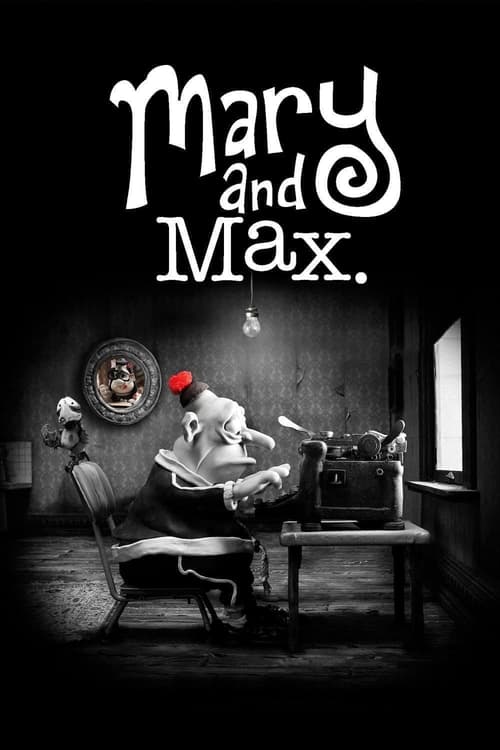
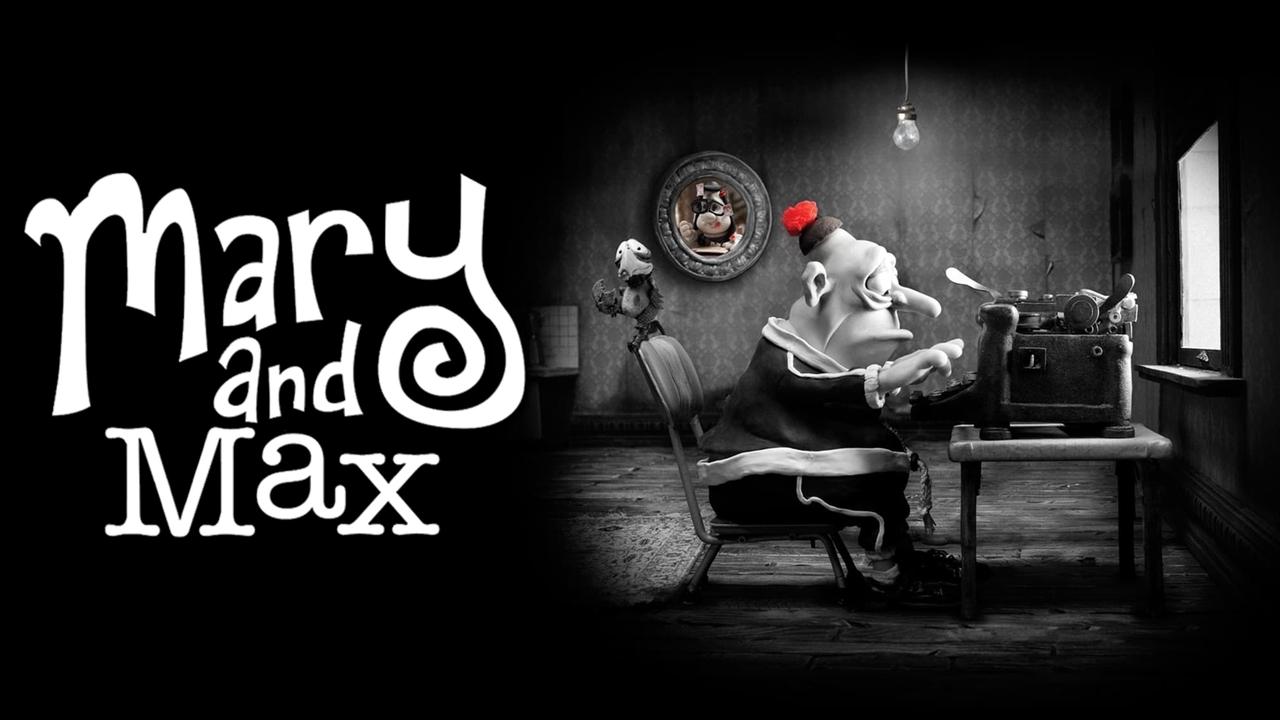
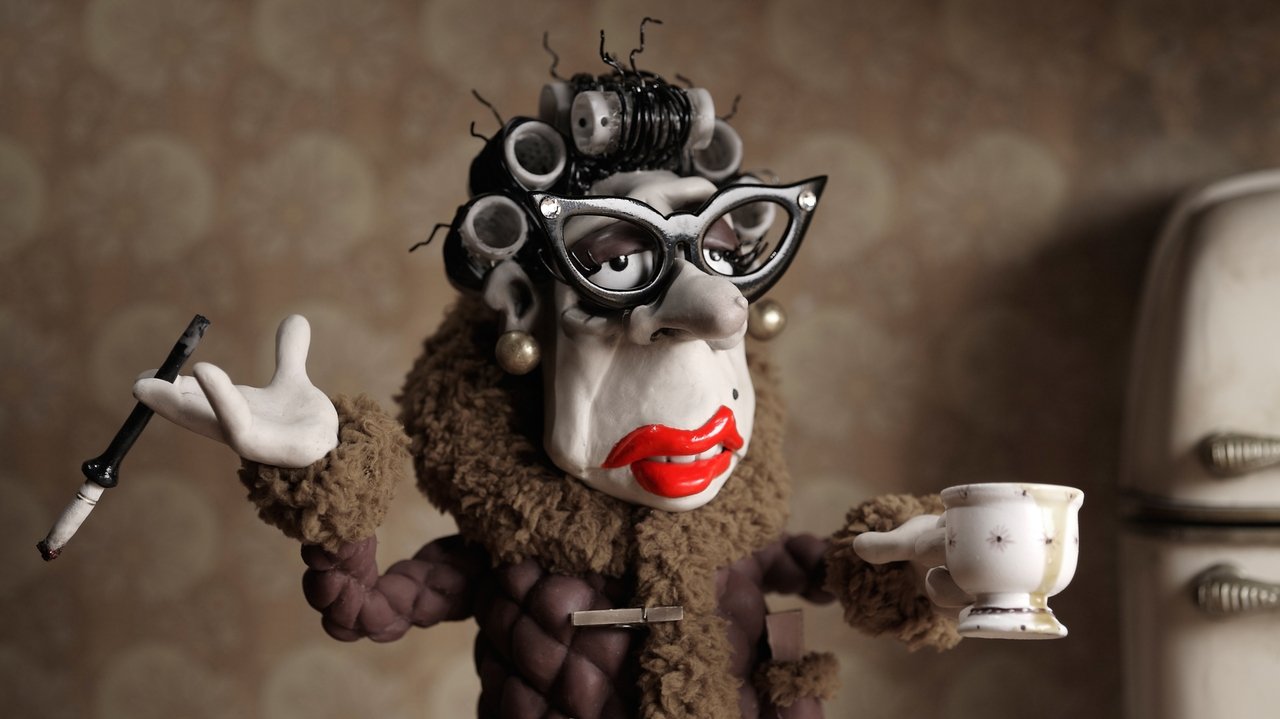
The world of Mary and Max looks exactly like a cup of tea that’s been left on a radiator for three days—it’s murky, sepia-toned, and strangely comforting once you get used to the smell. While Pixar was busy perfecting the glossy, digital sheen of Up in 2009, Australian director Adam Elliot was busy in a warehouse, meticulously moving lumps of clay a fraction of a millimeter at a time. I was eating a slightly stale Tim Tam when I first sat down with this movie, and the dry, cocoa-dusted crunch of the biscuit felt like it belonged in the film's foley track.

This is not a "kids' movie" in the way we usually categorize animation. It’s a drama that uses the grotesque, tactile nature of stop-motion to tell a story that live-action couldn't touch without feeling manipulative or mawkish. It’s the story of an eight-year-old girl in Melbourne with a birthmark the color of "poo" and a middle-aged New Yorker with Asperger’s Syndrome who loves chocolate hot dogs and can't understand why people find it difficult to tell the truth.
The Texture of Loneliness
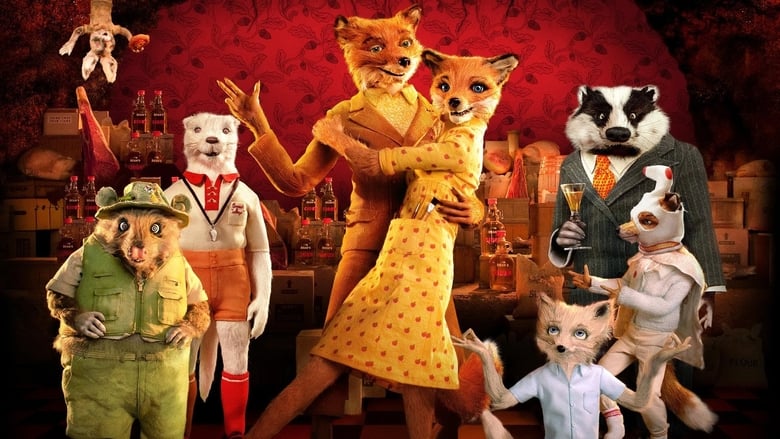
Looking back at 2009, we were right in the thick of the "Indie Animation" surge. This was the year of Coraline and Fantastic Mr. Fox, a brief, glorious window where audiences were rediscovering that handmade cinema offered a soul that CGI sometimes lacked. Mary and Max feels like the crown jewel of that era’s analog defiance. Every thumbprint left in the clay on Mary’s face or the wobbling rolls of Max’s neck reminds you that a human being stood over these figures and breathed life into them.
The film is a cinematic antidepressant that happens to be made of mud. It deals with crippling social anxiety, alcoholism, obesity, and the crushing weight of isolation, yet I found myself laughing more than I did at most "proper" comedies from that decade. The humor is dry, dark, and uniquely Australian, narrated with a pitch-perfect, grandfatherly whimsy by Barry Humphries. He guides us through the twenty-year correspondence between these two outcasts with a tone that suggests everything is both a tragedy and a joke at the same time.
A Voice for the Voiceless
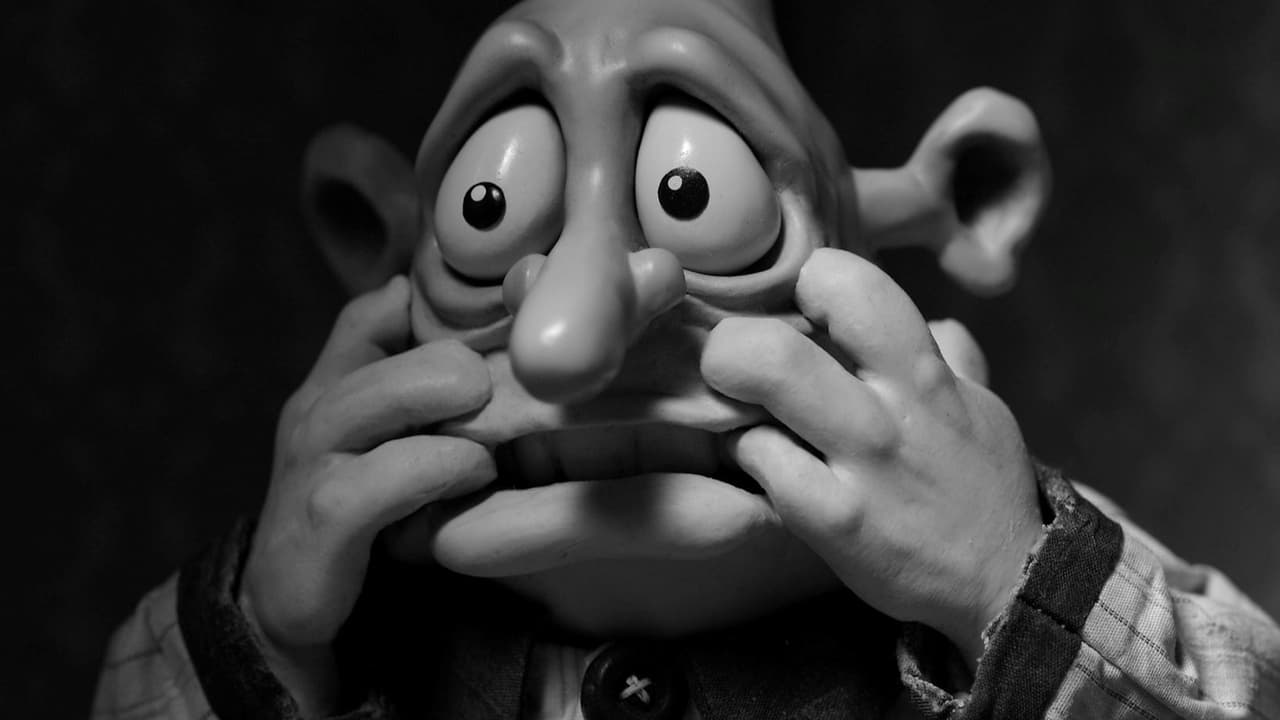
The performances here are staggering, especially when you realize they were recorded separately across oceans. Toni Collette gives Mary a vulnerable, yearning quality that evolves beautifully as the character ages from a bullied child into a troubled adult. But the real revelation is Philip Seymour Hoffman. I had to check the credits twice the first time I saw this; he completely disappears into Max Horovitz. He gives Max a flat, monotone delivery that is somehow overflowing with submerged emotion. It’s a masterclass in vocal restraint—he never "acts" the disability, he just inhabits the man’s rigid, confusing reality.
Even the supporting cast is stacked. Eric Bana shows up as Mary's stuttering, Greek-Australian neighbor, Damien, and Bethany Whitmore provides the heart-wrenching voice of young Mary. It’s a testament to Adam Elliot’s script that these characters feel like people I’ve actually met at the supermarket or seen staring blankly out of apartment windows. They are messy, flawed, and occasionally selfish, which makes their moments of genuine connection feel earned rather than scripted.
From Box Office Bomb to Cult Royalty
It’s a bit of a tragedy that Mary and Max barely made a dent at the box office, recouping less than a quarter of its $8 million budget. But like all the best cult classics, it found its life on DVD and early streaming platforms. I remember seeing it on a "Staff Favorites" shelf at a dying Blockbuster, sandwiched between big-budget action flicks, looking like a dusty relic from another planet. Word-of-mouth eventually did what marketing couldn't, turning it into one of the highest-rated films on IMDb.
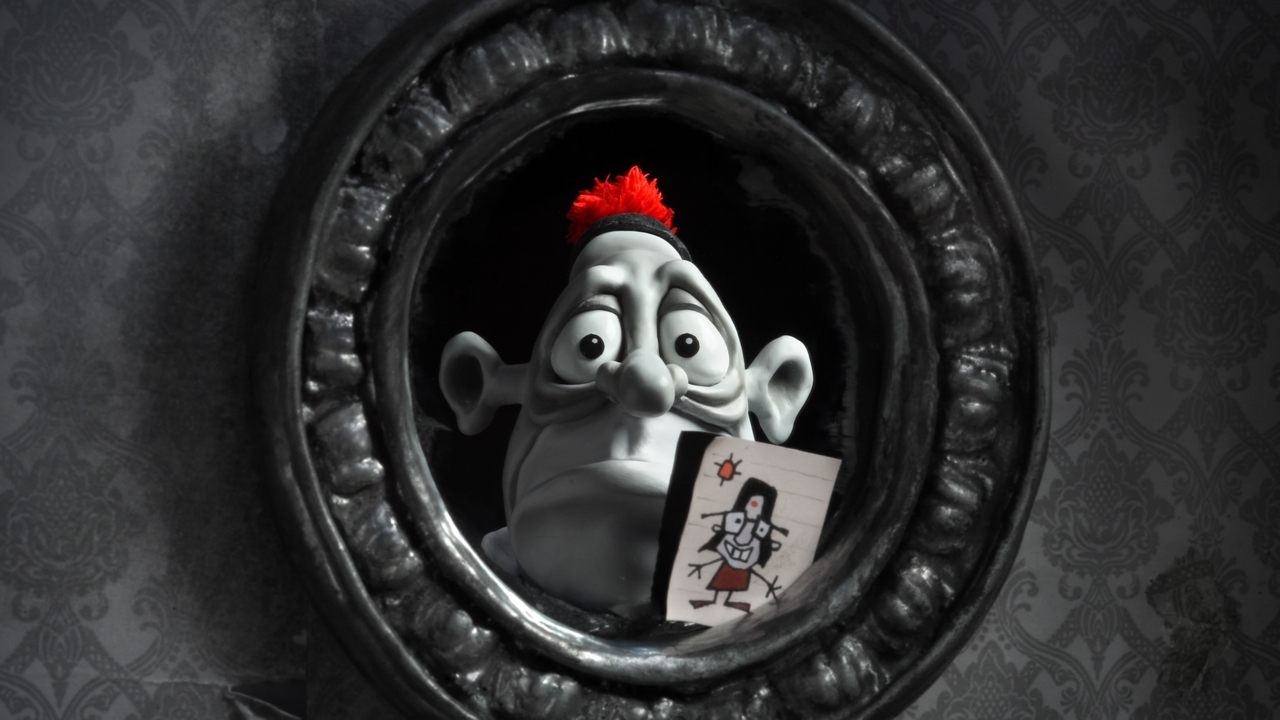
Part of the film's cult allure lies in the "Stuff You Didn't Notice" department. Apparently, the production used 132,480 individual frames and 212 custom-made puppets. One of my favorite bits of trivia is that the "Mary" puppet actually had a working tear-duct mechanism that used a mixture of glycerin and water to simulate real weeping. That’s the level of obsessive detail that makes this film feel so heavy—literally and figuratively. It’s also based on Elliot’s real-life pen pal of over twenty years, which explains why the letters in the film feel so authentically awkward.
The film handles Max's Asperger’s (as it was termed then) with a dignity that was rare for the late 2000s. It doesn't treat him as a puzzle to be solved or a "magical" character; he’s just a guy trying to navigate a world that doesn't come with an instruction manual. As a drama, it’s deeply moving; as a comedy, it’s wickedly sharp. It’s the kind of film that makes you want to hug a stranger while simultaneously checking if they’ve washed their hands.
In an era where we are increasingly connected by glass and pixels, Mary and Max reminds me of the tactile, messy, and necessary beauty of reaching out. It’s a film about the friends we choose and the chocolate we eat to survive the relatives we didn’t. If you haven't seen it, find the biggest box of tissues and the darkest chocolate you can find. You’re going to need both.
Keep Exploring...
-
The Boat That Rocked
2009
-
Feast
2014
-
The Chorus
2004
-
Stranger Than Fiction
2006
-

The Darjeeling Limited
2007
-
3 Idiots
2009
-
Fantastic Mr. Fox
2009
-
Frankenweenie
2012
-
Punch-Drunk Love
2002
-
The Triplets of Belleville
2003
-
The Life Aquatic with Steve Zissou
2004
-
Just Like Heaven
2005
-
Meet the Robinsons
2007
-
Megamind
2010
-
Rango
2011
-
Brave
2012
-
ParaNorman
2012
-
Wreck-It Ralph
2012
-
The Secret Life of Walter Mitty
2013
-
The Book of Life
2014