Monsters vs Aliens
"Gigantic problems require monstrous solutions."
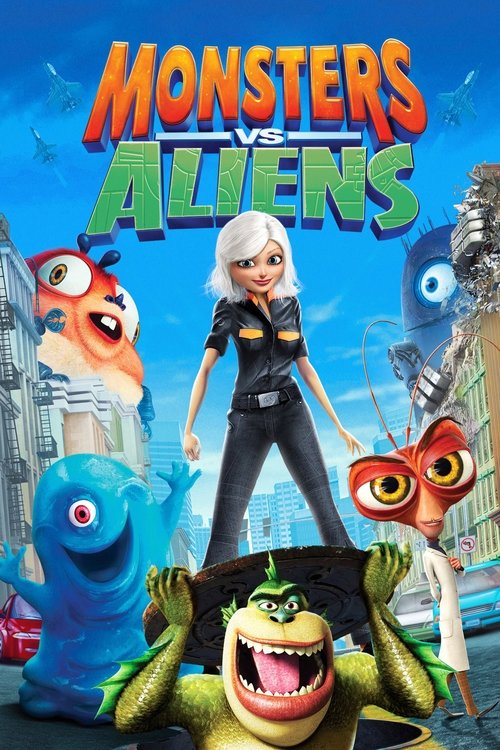
I vividly remember sitting in a theater in 2009, wearing a pair of those clunky, recycled 3D glasses that smelled faintly of industrial dish soap, wondering if DreamWorks was ever going to stop trying to be the "edgy" younger brother to Pixar. At the time, Monsters vs Aliens felt like another entry in the studio’s quest for pop-culture-heavy dominance. But looking back at it fifteen years later, I’ve realized it’s something much more interesting: a high-budget, beautifully rendered love letter to the paranoid, radioactive cinema of the 1950s.
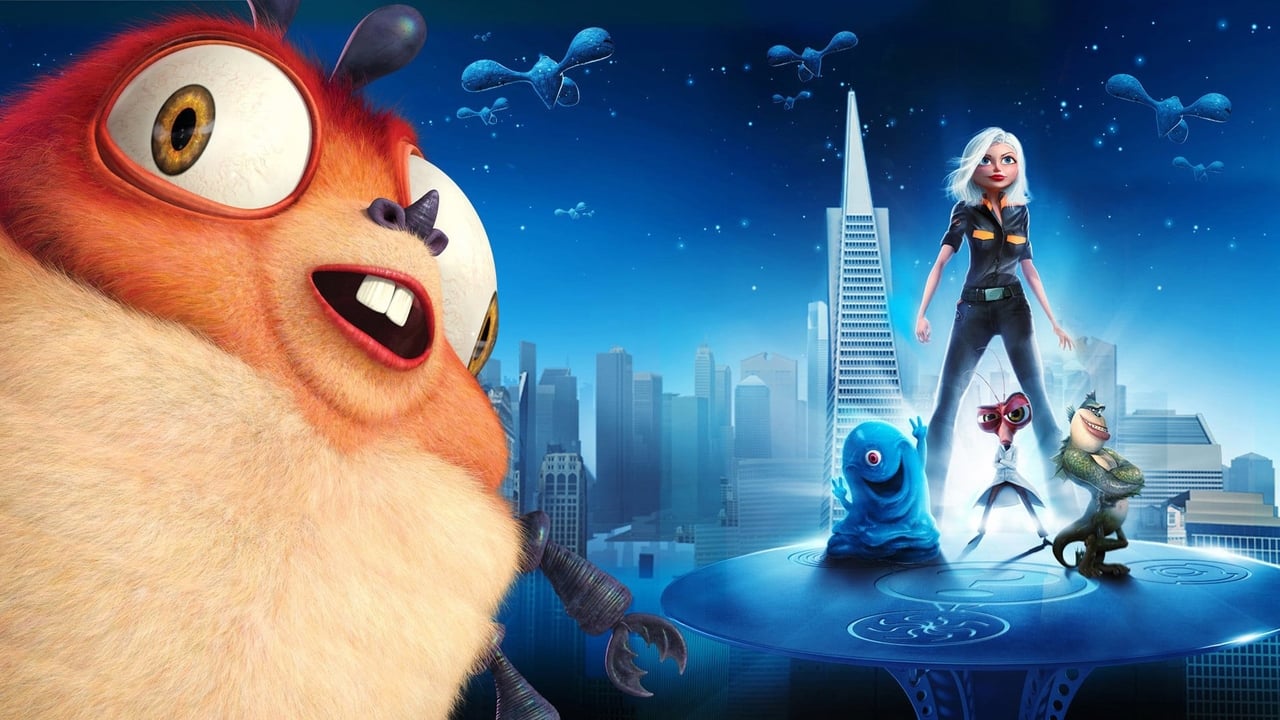
Watching it recently while nursing a lukewarm cup of ginger ale that had lost its fizz hours earlier, I found myself struck by how much "Science Fiction" is actually in this family adventure. It isn’t just using the aesthetic; it’s poking fun at the very fabric of Cold War-era speculative fiction while simultaneously delivering some of the most imaginative creature designs of the late 2000s.
The B-Movie Revival We Didn’t Know We Needed
The core "what if" of Monsters vs Aliens is a masterstroke of genre blending. It takes the "damsel in distress" trope from 1950s atomic age cinema and literally grows it to fifty feet tall. Susan Murphy, voiced with a perfect mix of suburban confusion and burgeoning confidence by Reese Witherspoon, isn’t just a monster; she’s a displaced person trying to find her internal compass while navigating a world that suddenly sees her as a biological weapon.
What fascinates me now is how the film leans into the technical world-building of its sci-fi premise. The government compound where the monsters are kept is a retro-futuristic playground that feels like it was designed by a team that spent way too much time staring at The Andromeda Strain or Dr. Strangelove. The film doesn't just give us "a monster"; it gives us Dr. Cockroach Ph.D. (Hugh Laurie), a direct riff on The Fly who prioritizes scientific inquiry over basic safety. Then there’s The Missing Link (Will Arnett), an evolution-defying fish-man who clearly skipped leg day for the last several million years.
The science fiction elements aren't just window dressing. The arrival of the alien villain Gallaxhar (Rainn Wilson) brings a level of scale that was genuinely impressive for 2009. His ship isn't just a flying saucer; it’s a terrifyingly vast, sterile environment that captures the "coldness" of space-age anxieties. The film balances this with a satirical look at the military-industrial complex, personified by General W.R. Monger (Kiefer Sutherland), whose name alone is a better joke than most entire comedies managed that year.

Slime, Scales, and the Cult of B.O.B
While the film was a massive financial undertaking, its heart lies in its status as a cult favorite among those who grew up in the transition from DVD to streaming. It has an odd, dry humor that feels slightly out of step with the "everything is a joke" tone of modern animated features.
The breakout star, of course, is B.O.B. (Seth Rogen), a brainless, gelatinous mass created from a chemically altered tomato. B.O.B. is the ultimate vessel for Rogen’s specific brand of stoner-adjacent comedy, and he’s responsible for the film’s most enduring cult moments. Apparently, the animators had a nightmare of a time figuring out his transparency and internal bubbles—a technical hurdle that, in retrospect, was a massive flex of early 2000s processing power that still looks remarkably clean today.
The film also packs in some genuinely deep-cut trivia for the nerds. Did you notice the keyboard melody the President plays to greet the aliens? It’s "In-A-Gadda-Da-Vida" by Iron Butterfly, but it’s played on a Yamaha that looks suspiciously like the one from Close Encounters of the Third Kind. This is the kind of detail that makes Monsters vs Aliens feel like it was made by people who actually love the history of the genre, rather than a board of directors looking to sell lunchboxes.

The Legacy of the 3D Revolution
Looking back, this film was a pivotal moment for DreamWorks. It was the first movie they produced entirely in "Stereoscopic 3D" from the ground up, rather than converting it in post-production. At the time, this was touted as the future of cinema. While the 3D craze eventually cooled down, the technical precision it forced upon the filmmakers is evident in every frame. The Golden Gate Bridge sequence remains a standout of action choreography and scale—a moment where the "Science Fiction" of the premise meets the "Spectacle" of the budget.
In the grand hierarchy of 2009 animation, this film often gets overshadowed by the emotional gut-punch of Up or the stop-motion brilliance of Coraline. But I’d argue Monsters vs Aliens deserves its spot on the shelf for being unapologetically weird. It’s a film that asks, "What if a ginormous woman, a cockroach scientist, and a brainless blob saved the world from a four-eyed alien clone?" and then actually puts in the work to make that world feel cohesive and hilarious.
Ultimately, Monsters vs Aliens is a joyful explosion of genre tropes that works because it respects the source material it’s parodying. It captures that specific late-2000s energy where CGI was finally becoming "limitless," yet the writers still felt the need to ground the story in a very human desire for belonging. It’s a loud, colorful, and surprisingly smart riff on the movies our grandparents used to watch through the cracks in their fingers at the drive-in. If you haven't revisited it since the era of the Wii and the iPod Touch, it's time to let the monsters out of the compound again.
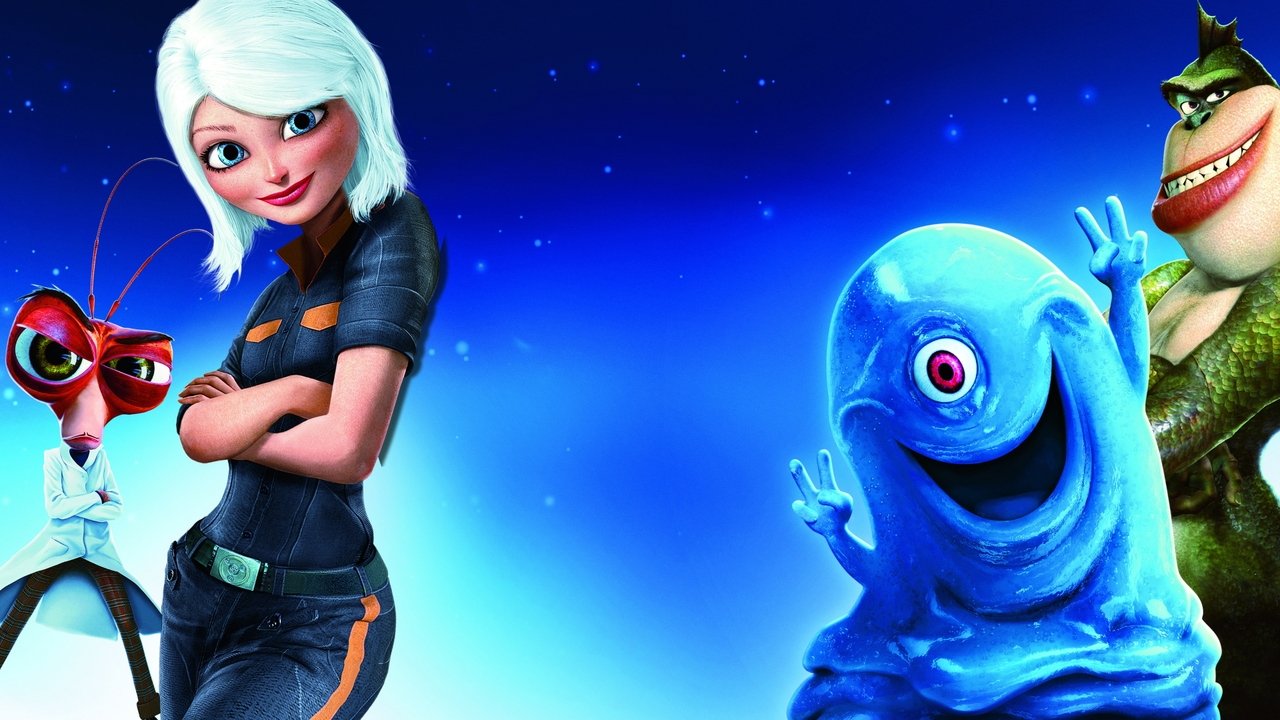
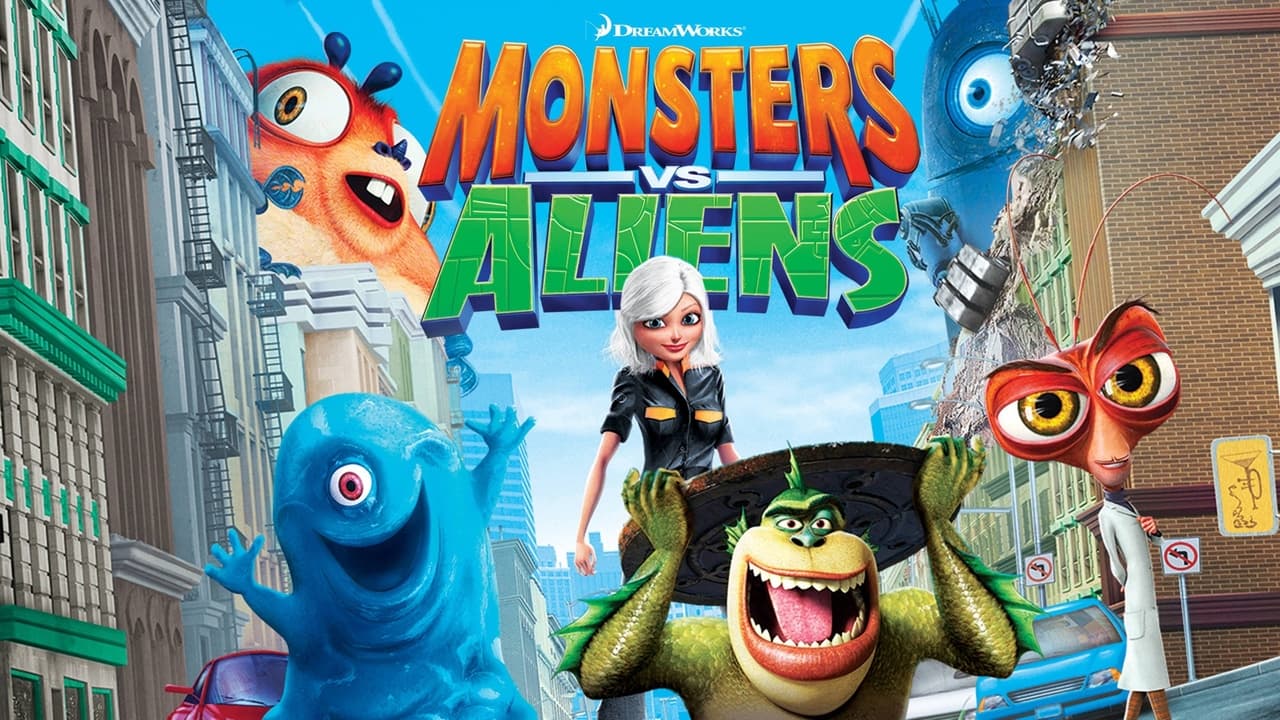
Keep Exploring...
-
Mr. Peabody & Sherman
2014
-

Meet the Robinsons
2007
-
Madagascar 3: Europe's Most Wanted
2012
-
Planet 51
2009
-
Shark Tale
2004
-
Atlantis: The Lost Empire
2001
-
Shrek 2
2004
-

The Polar Express
2004
-
Zathura: A Space Adventure
2005
-

Flushed Away
2006
-

Open Season
2006
-

Bee Movie
2007
-

Bolt
2008
-

Horton Hears a Who!
2008
-
Megamind
2010
-
Cars 2
2011
-
Rango
2011
-

Brave
2012
-
ParaNorman
2012
-
Epic
2013