Moon
"Working for the man shouldn't cost your soul."
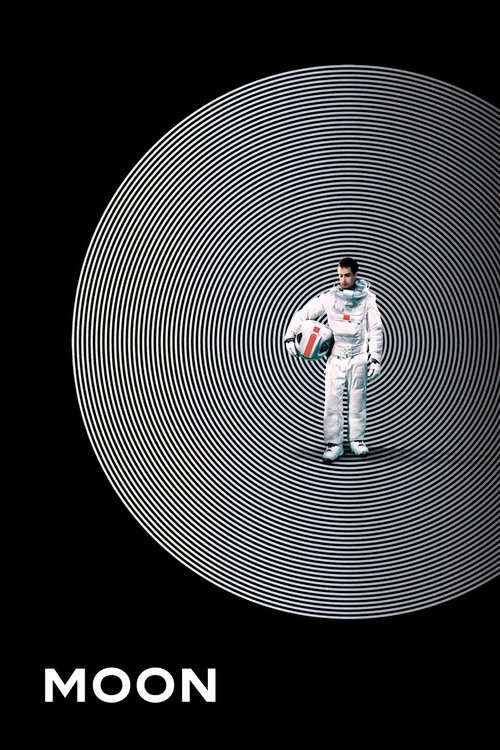
There’s a specific kind of silence that only exists in low-budget 2000s sci-fi—a hum of fluorescent lights and the lonely clicking of a keyboard that feels more grounded and lived-in than any $200 million space opera. It’s the sound of a movie that knows it has more ideas than money. When I first sat down to watch Moon, I was armed with a lukewarm cup of Earl Grey and a radiator in my apartment that kept clanking like a dying robot, which, in retrospect, was the perfect immersive soundtrack for a story about technical malfunctions and existential dread.

Practical Magic in a Digital Dawn
Released in 2009, Moon arrived right at the tail end of the "Indie Sci-Fi Renaissance." While big-budget blockbusters were becoming increasingly bloated with early-gen CGI that hasn't always aged like fine wine, Duncan Jones (son of the legendary David Bowie, though he wisely didn't trade on the name) took a different route. He looked back to the 1970s and 80s for inspiration—think Silent Running or Alien—opting for physical miniatures and practical sets over green screens.
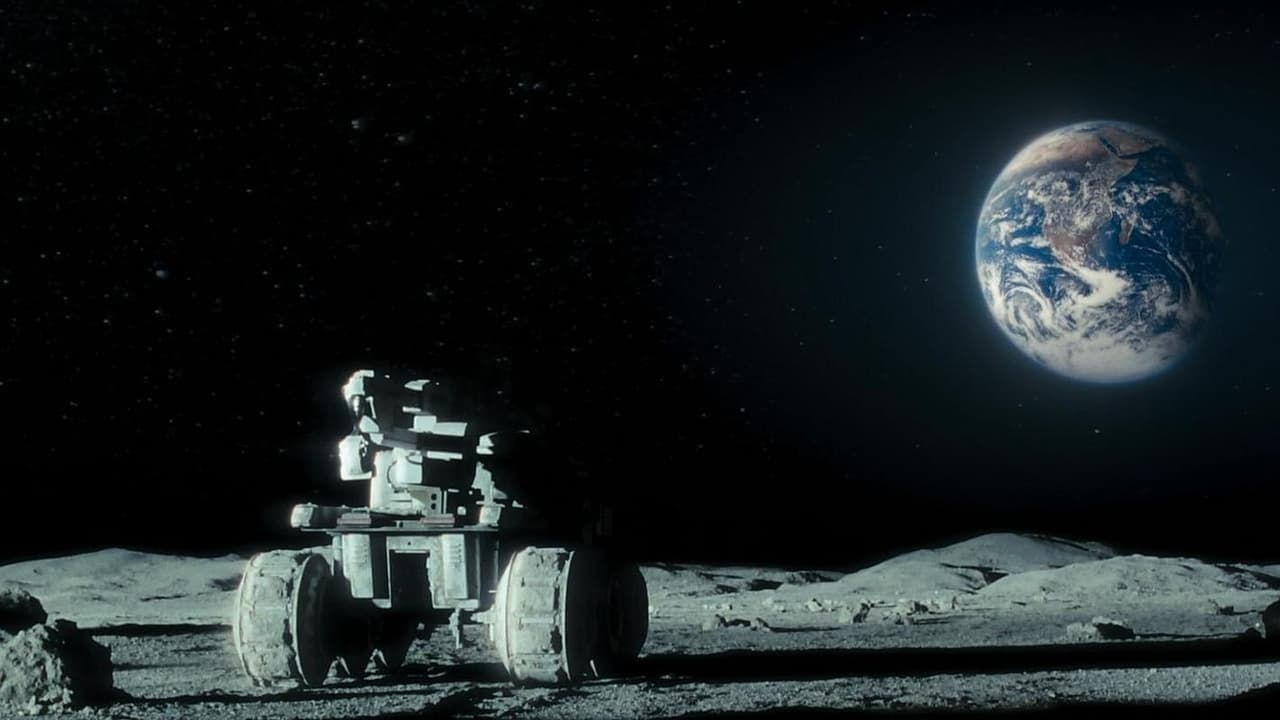
Looking back, the decision to use model miniatures for the lunar rovers and the base’s exterior was a stroke of genius. There’s a weight to those machines as they kick up lunar dust (which was actually a blend of magnesium and sand, though it looks convincingly desolate) that digital effects often lack. It gives the film a tactile, "used future" aesthetic that fits the 2000s vibe of reassessing the shiny promises of the Y2K era. The movie feels like a relic from a future that’s already started to rust, and that’s a compliment.
The Rockwell Masterclass
If you’re going to make a movie where one guy talks to himself for 97 minutes, you’d better cast someone with the range of a Swiss Army knife. Sam Rockwell is that guy. As Sam Bell, a corporate contractor nearing the end of a three-year stint mining Helium-3, Rockwell delivers a performance that I’d argue is better than 90% of the Best Actor winners from that entire decade.
The film relies entirely on his ability to transition from "bored-stiff employee" to "man having a complete psychological breakdown." When an accident leads him to discover another version of himself, the movie shifts from a survival story into a deeply unsettling drama about identity. Watching two "Sams" interact is seamless. It’s a testament to the editing and Rockwell’s subtle physical choices—one Sam is the weary, decaying veteran; the other is the fresh, aggressive corporate loyalist.
And then there’s GERTY. Voiced with a chillingly polite detachment by Kevin Spacey (playing against type as a helpful, rather than predatory, presence), the base's AI assistant is a brilliant subversion of the HAL 9000 trope. Instead of a murderous red eye, we get a screen that displays simple yellow emojis. It’s such a mid-2000s tech touch—the idea that even our existential nightmares will eventually come with a smiley face icon.
Corporate Property and the Human Soul
Beneath the sci-fi trappings, Moon is a cynical but necessary look at the corporatization of the human experience. It asks the kind of questions that keep you up at 2:00 AM: If a company can perfectly replicate your memories and your DNA, do they own you? Is your "soul" just a series of data points on a Lunar Industries spreadsheet?
The screenplay by Nathan Parker handles these philosophical heavy-lifts without ever becoming a dry lecture. It’s a tragedy wrapped in a mystery. The "Aha!" moment isn't a loud explosion; it’s the quiet realization that the messages Sam has been receiving from his wife, Dominique McElligott, aren't what they seem. It captures that post-9/11 anxiety about being an expendable cog in a massive, opaque machine.
The film's cult status was earned the hard way. It didn't have a massive marketing budget; it survived on the back of glowing DVD reviews and word-of-mouth. I remember the buzz on early film blogs—the kind of sites where people obsessed over the fact that Duncan Jones shot the whole thing in just 33 days at Shepperton Studios. It’s a film that respects its audience’s intelligence, trusting us to sit in the silence and feel the weight of 250,000 miles of isolation.
Cool Details
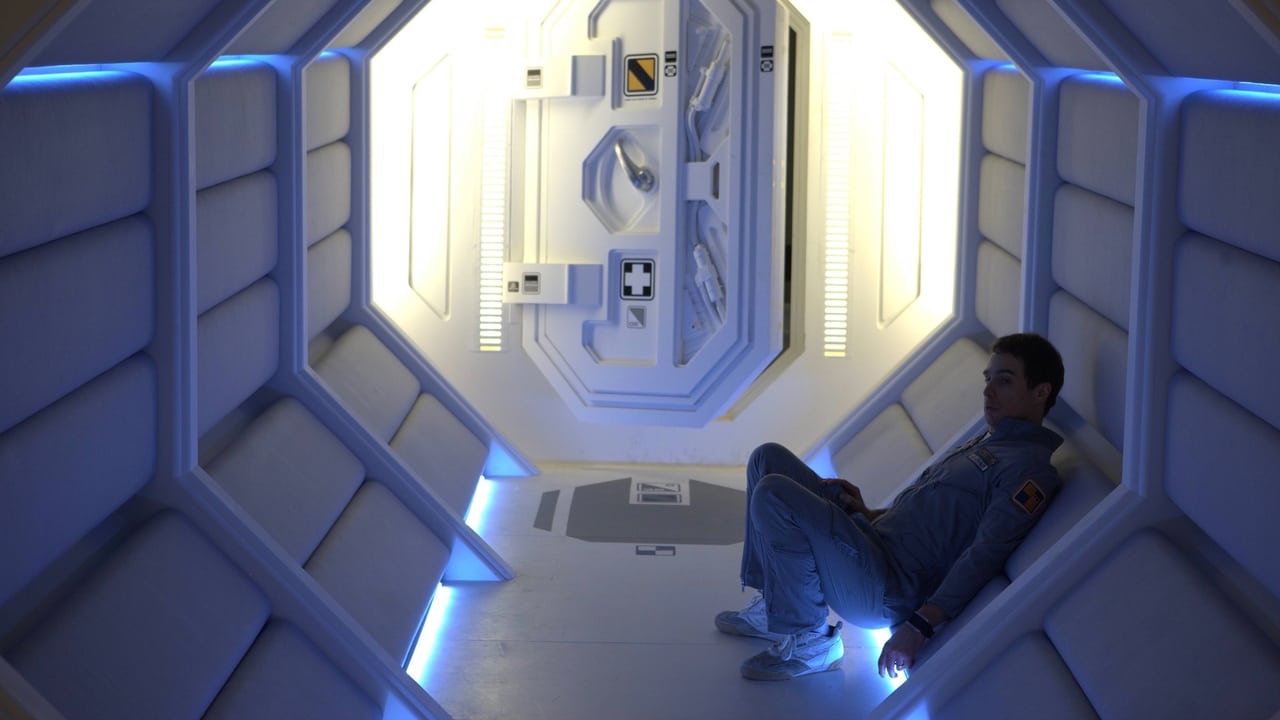
NASA loved it: The film was actually screened at the Space Center in Houston as part of a lecture series; apparently, the scientists were impressed by the realism of the Helium-3 mining concept. The Bowie connection: While Duncan Jones avoided using his father's music, the film's focus on isolation in space certainly echoes "Space Oddity" in its DNA. Emoji-evolution: GERTY’s emojis were a last-minute addition to make the robot feel more relatable without having to build a moving face. Recycled Sets: To save money, the production used parts of sets from other films being shot at the same studio, proving that great sci-fi is built on ingenuity, not just cash. A "Mute" Connection: Jones considers his 2018 film Mute to be a "spiritual sequel" set in the same universe, though Moon* remains the superior entry by a lunar mile.
Moon is the rare sci-fi film that feels more relevant the older it gets. In an era of AI-generated everything and the gig economy, the story of a man discovering he’s literally an "on-demand" worker is haunting. It’s a gorgeous, lonely, and deeply human piece of filmmaking. If you’ve somehow missed this over the last fifteen years, do yourself a favor: turn off your phone, dim the lights, and prepare to feel very, very small—in the best way possible.

Keep Exploring...
-

The Girl Who Leapt Through Time
2006
-

Never Let Me Go
2010
-

Evangelion: 1.0 You Are (Not) Alone
2007
-

Evangelion: 2.0 You Can (Not) Advance
2009
-

Mr. Nobody
2009
-

PK
2014
-
Rush
2013
-
Children of Men
2006
-

The Fountain
2006
-

The Host
2006
-

Melancholia
2011
-
Source Code
2011
-

Snowpiercer
2013
-
K-PAX
2001
-
The Man from Earth
2007
-

I Origins
2014
-
Mute
2018
-
Coach Carter
2005
-

Persepolis
2007
-
Ip Man
2008