Mother
"Justice is blind, but a mother sees everything."
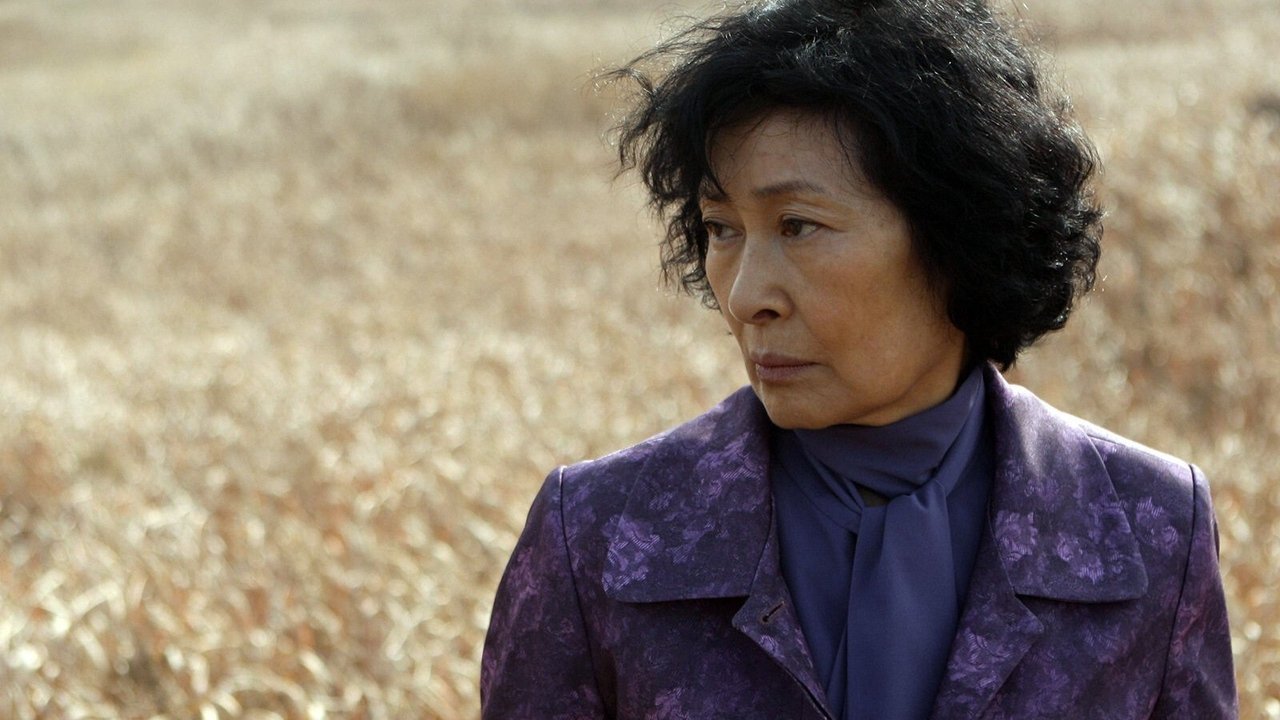
The opening shot of a film usually offers a handshake; Bong Joon Ho’s Mother offers a slow-motion seizure in a field of tall, golden grass. Kim Hye-ja stands alone, her eyes vacant, her body swaying in a dance that feels less like a celebration and more like a physical purging of a secret too heavy to carry. It’s a haunting, slightly absurd introduction that immediately signals we aren't in a standard police procedural.
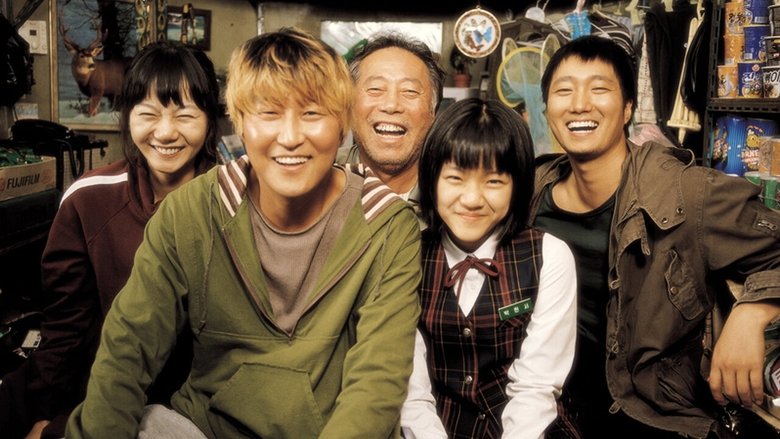
I watched this for the third time on a Tuesday night while my neighbor’s car alarm kept chirping every ten minutes, and honestly, the rhythmic annoyance only added to the film's mounting sense of dread. This is a movie that lives in the uncomfortable spaces—the damp corners of a small town where everyone knows your name but nobody actually likes you. It arrived in 2009, a time when South Korean cinema was beginning to dominate the international "cool" circuit, yet Mother often feels like the overlooked middle child, squeezed between the monster-movie spectacle of The Host and the high-concept grit of Snowpiercer.
A Mother’s Love is a Blunt Instrument
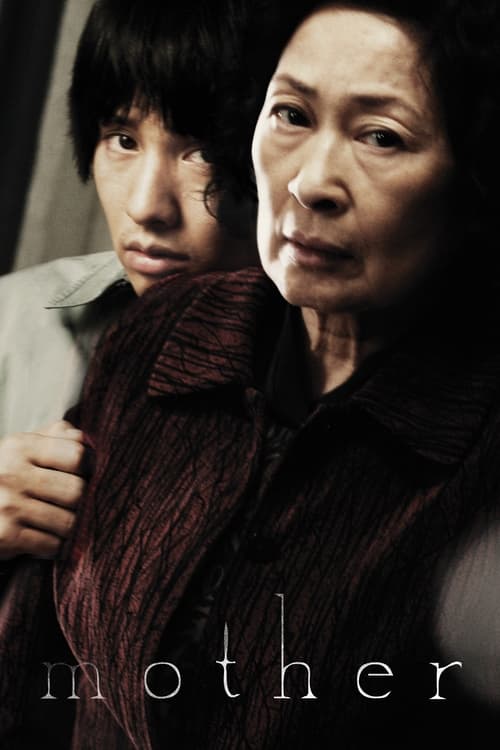
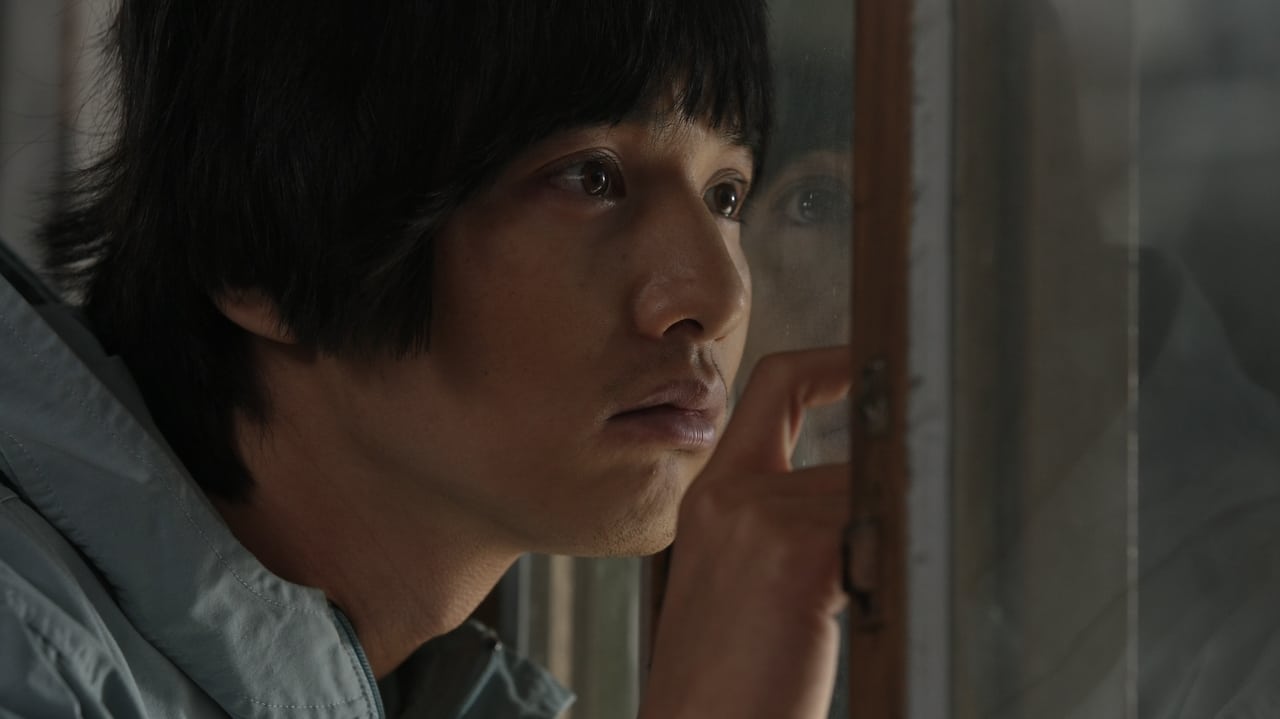
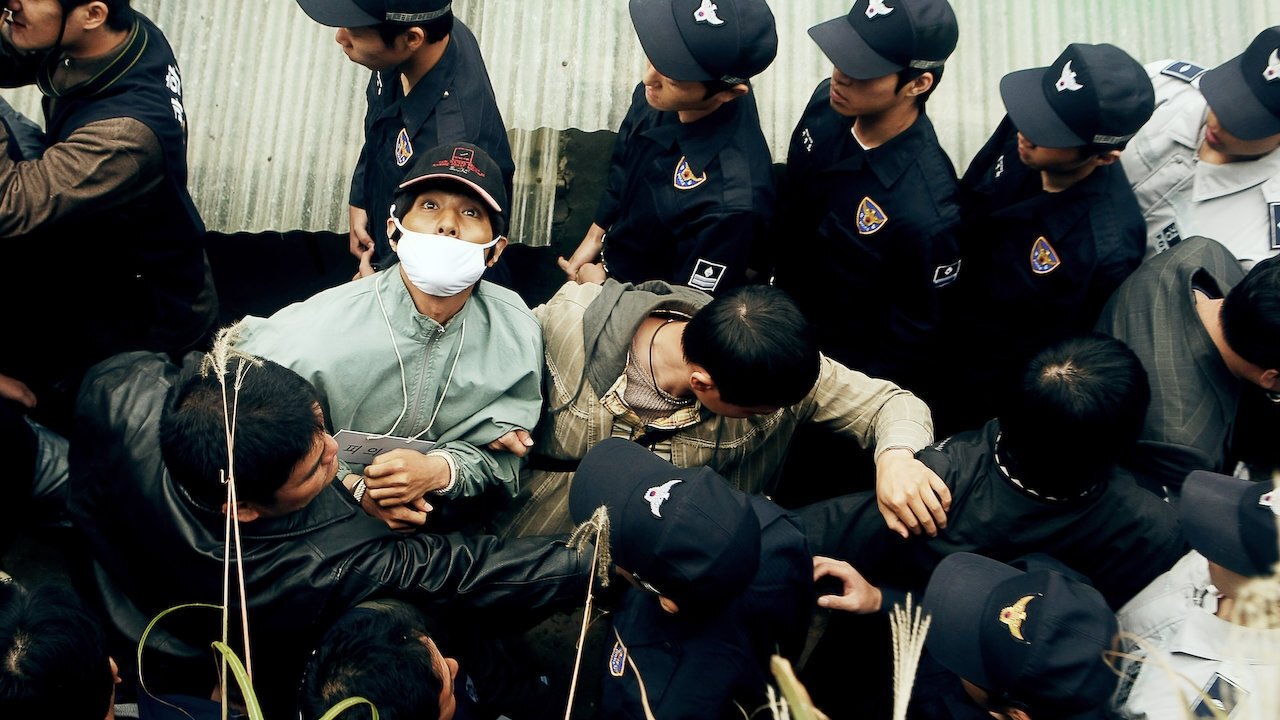
The premise is deceptively simple: Do-joon (Won Bin), a young man with an intellectual disability, is accused of the brutal murder of a high school girl. The evidence is flimsy—a golf ball found at the scene—but the police are lazy, the town is restless, and Do-joon is an easy target. Enter his mother. She doesn't have a name in the film; she is simply "Mother," played with a terrifying, bird-like intensity by Kim Hye-ja.
For decades, Kim Hye-ja was known as the "National Mother" of South Korea, a beloved figure who usually played the warm, self-sacrificing matriarch in endless TV dramas. Bong Joon Ho takes that wholesome persona and weaponizes it. She isn't just protective; she is an elemental force. Watching her navigate the legal system and the local underworld is like watching a house cat try to fight a pack of wolves. You admire the bravery, but you’re mostly scared of what she’ll do when she realizes she’s losing.
Won Bin, who was at the time a massive heartthrob in Korea, does something remarkable here. He strips away the "pretty boy" artifice to play Do-joon with a frustrating, vacuous innocence. He’s not a saintly victim; he’s a burden, a child-man whose lack of awareness creates a vacuum that his mother has to fill with her own madness. The chemistry between them is deeply unsettling, bordering on the Oedipal without ever quite crossing the line.
The Precision of Bong’s Darkness
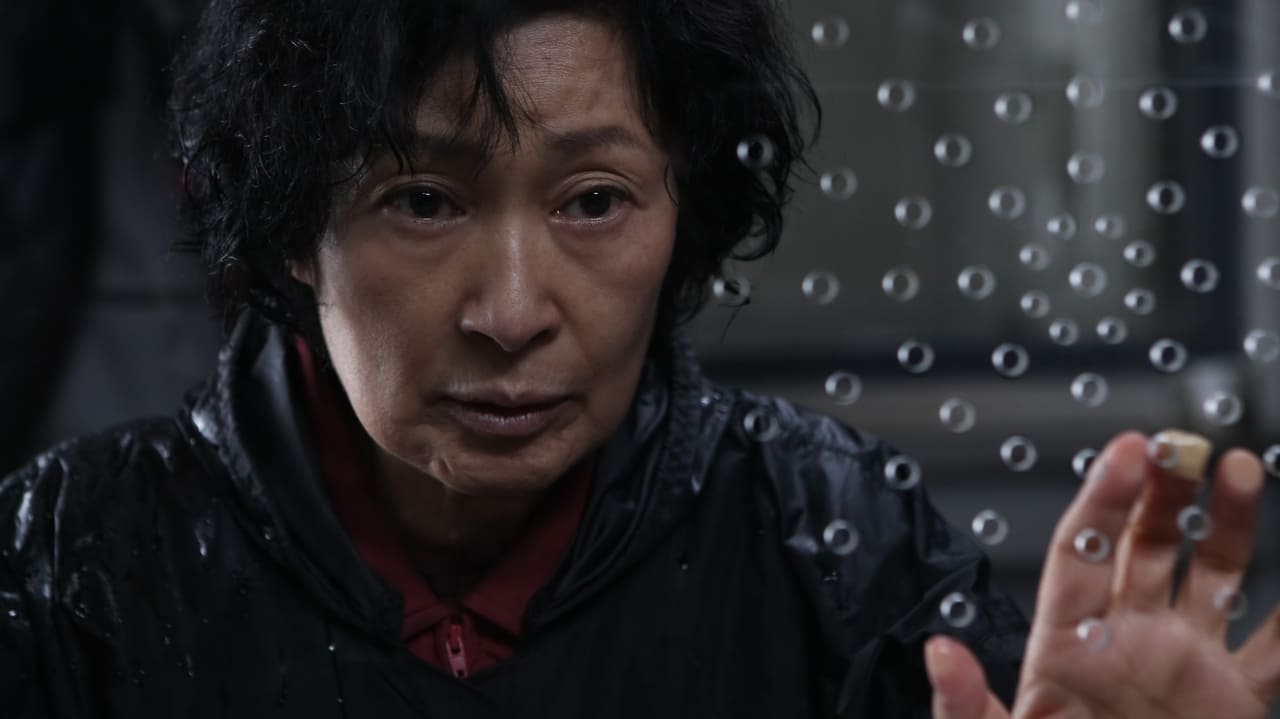
By 2009, digital filmmaking was starting to edge out celluloid, but Mother feels deeply tactile. The cinematography by Hong Kyung-pyo (who would later shoot Parasite) captures a world of rain-slicked pavement and bruised skies. There is a specific sequence involving a dropped cell phone and a rainy night that is better than most modern horror movies. It’s a masterclass in spatial awareness—you know exactly where the characters are, which makes the impending violence feel inevitable.
What strikes me looking back is how Bong Joon Ho refuses to give the audience a moral high ground. Most "wrongful conviction" dramas are about the triumph of the truth. Mother is about the cost of the truth, and whether some truths are better left buried under a pile of junk in a dark alley. The script, co-written by Park Eun-kyo, is a clockwork mechanism of setups and payoffs. A throwaway comment about acupuncture in the first ten minutes becomes a chilling thematic anchor by the final act.
The film also benefits from a standout supporting turn by Jin Goo as Jin-tae, the local "thug" who might be Do-joon’s only friend or his worst nightmare. His relationship with the Mother provides some of the film’s few moments of pitch-black humor. The police in this movie are so incompetent they make Chief Wiggum look like Sherlock Holmes, but their laziness isn't just a joke—it’s the engine of the tragedy.
Why It Vanished (And Why It Needs to Come Back)
Despite the success of Parasite, Mother remains a bit of a "deep cut" for many casual fans. It didn't have the "Vengeance" branding of Park Chan-wook’s Oldboy, and it lacked the creature-feature hook of The Host. It’s a quiet, domestic nightmare that demands your full attention. When it was released on DVD, it became a cult favorite for its technical perfection, even spawning a special black-and-white edition that Bong Joon Ho personally oversaw to emphasize the film's noir roots.
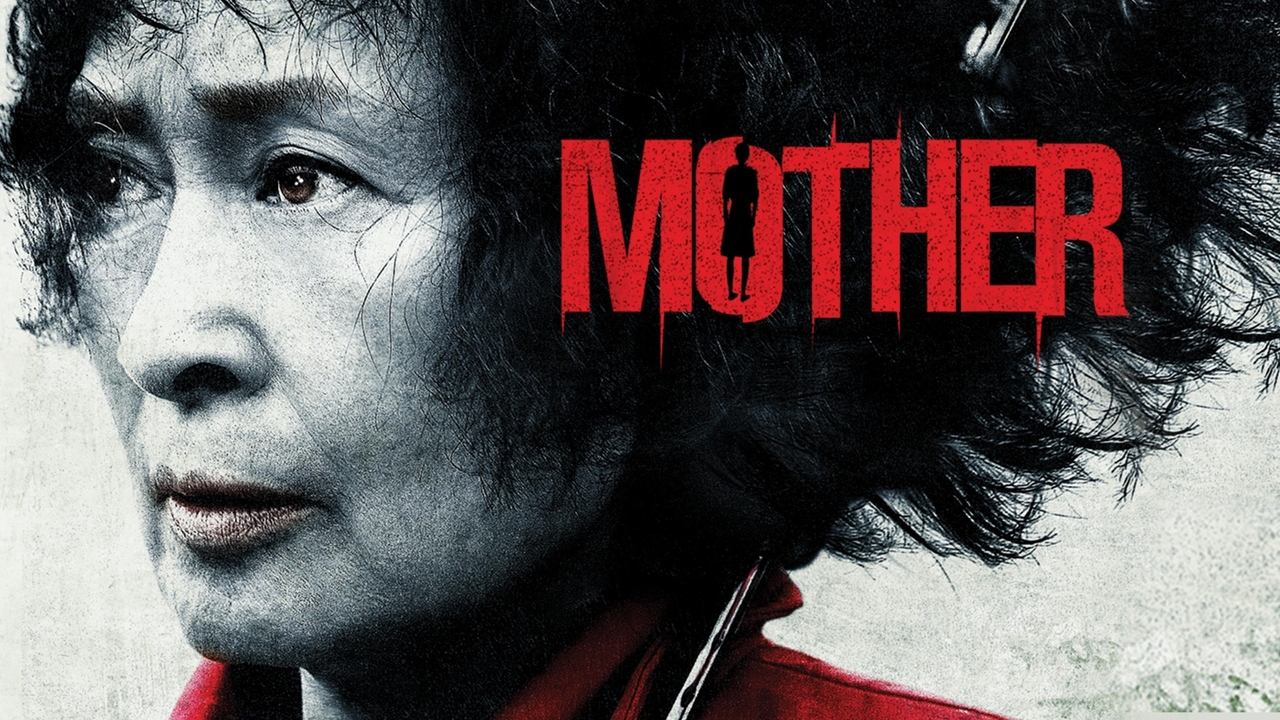
It turns out that Kim Hye-ja was initially hesitant to take the role, fearing it would ruin her reputation as the nation’s sweetheart. Bong reportedly spent years courting her, knowing that the film only works if the audience instinctively wants to trust her. That trust is the trap Bong sets for us. He uses our cultural assumptions about "the mother" to lead us into a very dark woods.
If you only know Bong from his Oscar-winning work, you owe it to yourself to see the darker, more intimate version of his genius. It’s a film that asks how far you would go for your child, and then keeps walking long after you’ve answered.
In an era of cinema defined by the rise of digital spectacle, Mother proved that the most terrifying thing on screen is often just a human face. It’s a film that lingers like a bruise—tender at first, then dark, then impossible to ignore. By the time the credits roll and that strange dance music kicks back in, you won't feel like celebrating. You'll feel like you've been let in on a secret that you’d very much like to forget.
Keep Exploring...
-
Memories of Murder
2003
-
Tell No One
2006
-

Batman: Under the Red Hood
2010
-
Batman: The Dark Knight Returns, Part 1
2012
-

Batman: The Dark Knight Returns, Part 2
2013
-
Glengarry Glen Ross
1992
-
Batman: Mask of the Phantasm
1993
-
Arlington Road
1999
-
Infernal Affairs
2002
-
The Host
2006
-
I'm Not Scared
2003
-
Lucky Number Slevin
2006
-
Gone Baby Gone
2007
-
The Girl with the Dragon Tattoo
2009
-
In the Valley of Elah
2007
-

Changeling
2008
-
Snowpiercer
2013
-

3-Iron
2004
-
Bad Education
2004
-
A Bittersweet Life
2005