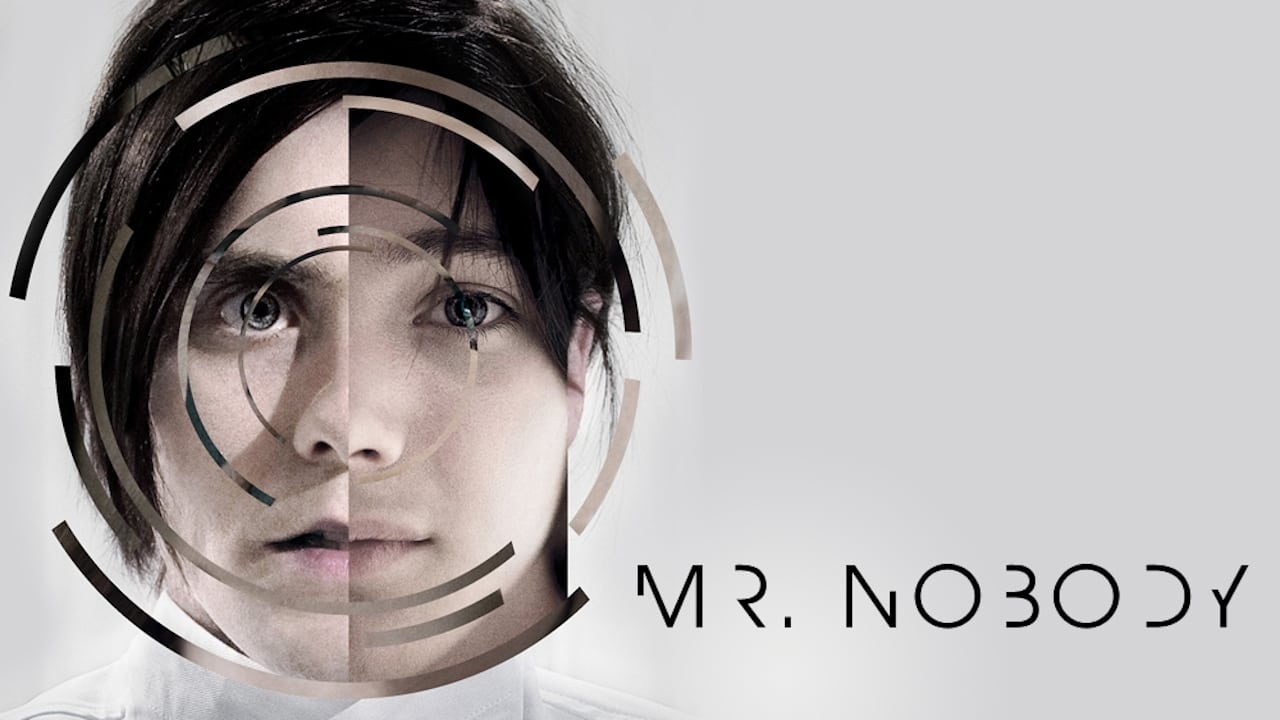
Mr. Nobody
"Every choice is the right one."
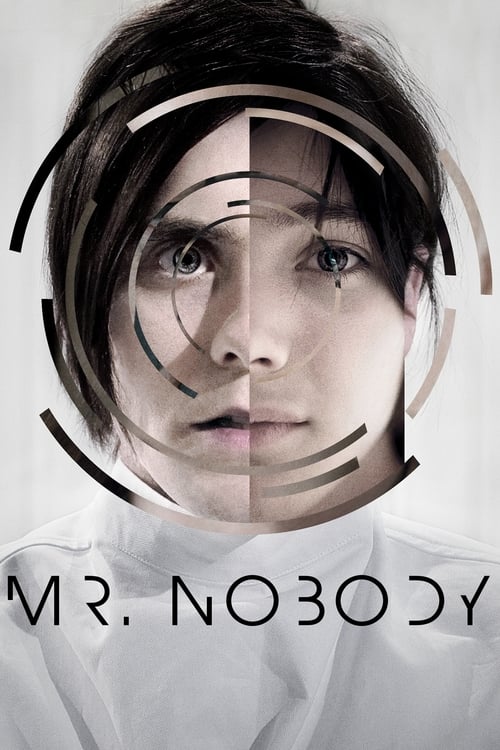
I remember trying to watch Mr. Nobody for the first time on a laptop with a dying battery while my radiator was clanking like a ghost in a junk shop. The clanking actually synced up weirdly well with the film’s erratic, ticking-clock energy. It’s the kind of movie that demands you lean in, not because it’s trying to trick you, but because it’s trying to show you everything that could have happened to you if you’d just turned left instead of right back in 2005.
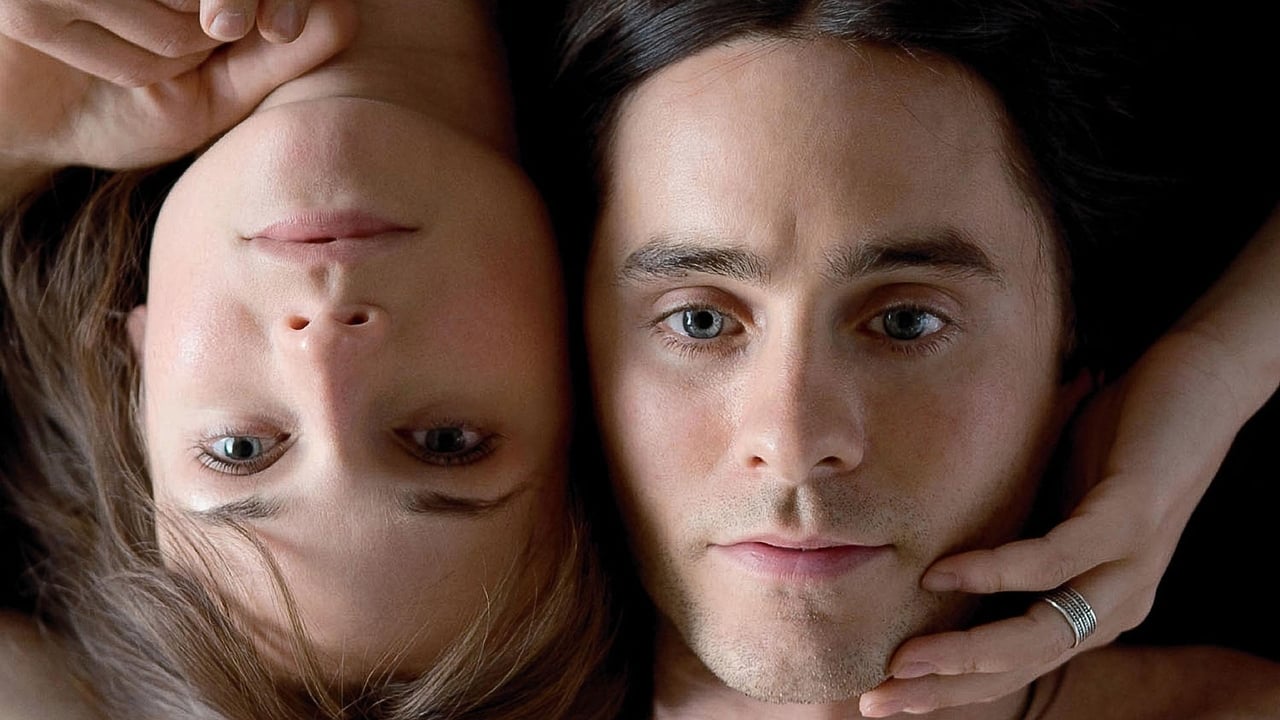
Directed by Jaco Van Dormael (who gained fame for Toto the Hero), this is a $47 million gamble that feels like the most expensive art-house experiment ever committed to celluloid. In the year 2092, Nemo Nobody is 118 years old, the last mortal in a world that has conquered death. He’s a celebrity purely because he’s going to die. A journalist sneaks into his room to get his life story, but Nemo doesn’t give him a straight answer. Instead, he provides a sprawling, non-linear explosion of possibilities.
The Agony of the Train Tracks
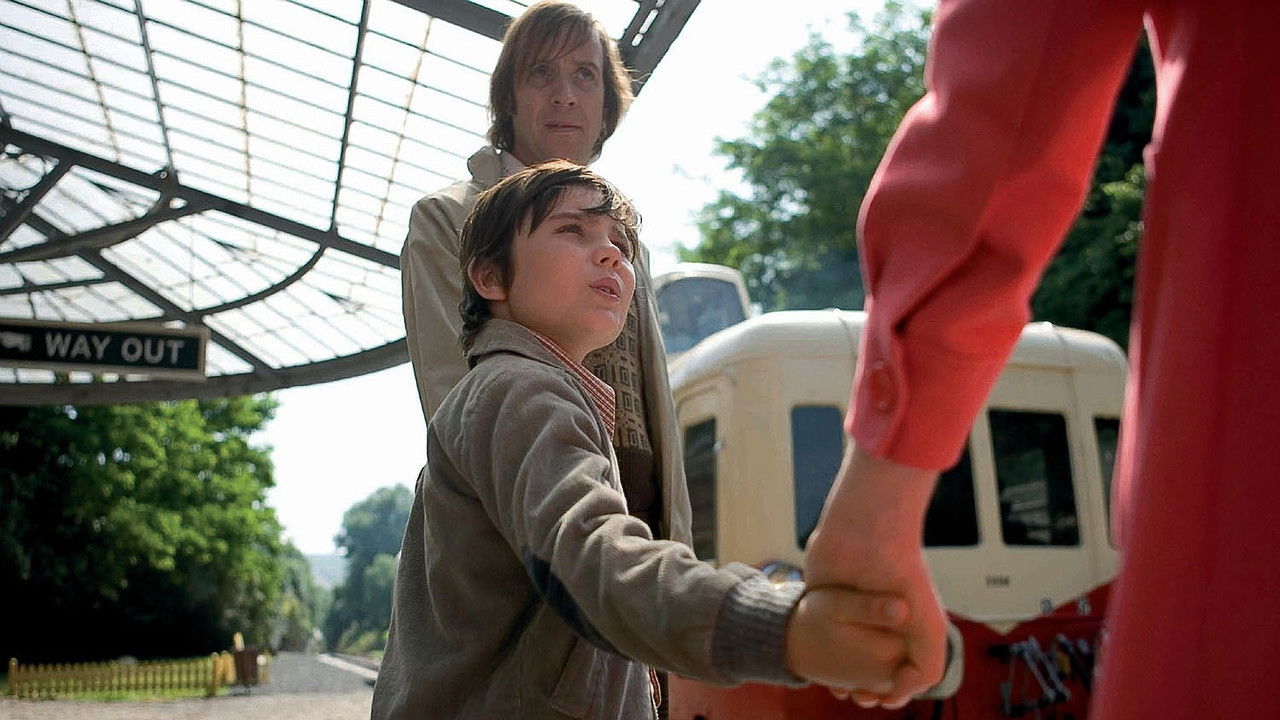
The heart of the film is a single moment at a train station. A young Nemo must choose: stay with his father (Rhys Ifans) or run after his mother (Natasha Little). The film then branches out like a lightning strike, showing us the lives that follow each decision.
In one life, he marries Elise (Sarah Polley), a woman drowning in clinical depression. In another, he’s with Jean (Linh-Dan Pham), living a life of hollow luxury and crushing boredom. But the "main" thread—if there is one—involves Anna (Diane Kruger), his one true soulmate across space and time.
Jared Leto delivers what I’d call his most sincere work here. Before he became known for extreme "Method" antics, he was an actor who could project a very specific kind of wounded curiosity. He plays Nemo at various ages, including under layers of heavy prosthetic makeup as the centenarian, but it’s his performance as the middle-aged Nemo, lost in the "what-ifs," that actually anchors the film. He makes the philosophical weight of the script feel like a personal crisis rather than a lecture.
A Kaleidoscope of 2000s Ambition
Visually, Mr. Nobody is a masterwork of its era. This was 2009—the tail end of the "indie-prestige" boom where directors were pushing digital effects to see if they could match the poetic surrealism of a painting. Cinematographer Christophe Beaucarne uses a color-coded palette that I found incredibly helpful: red for the life with Elise, blue for Anna, and yellow for Jean. It’s a smart way to keep the audience from getting lost in the narrative weeds.
The CGI here hasn't aged into a blurry mess like some 2009 blockbusters because it’s used to enhance the dreamlike atmosphere rather than replace the sets. Whether it’s a flooded room or a futuristic colony on Mars, the effects serve the "Cerebral" tag perfectly. It captures that Y2K-adjacent anxiety about technology and the future, blending it with 19th-century physics like the "Big Crunch" theory. It’s basically a film for people who spend way too much time staring at their old high school yearbooks.
The Prestige and the Price
The production history is almost as chaotic as the plot. Jaco Van Dormael spent six years writing the screenplay, and it shows. The film swept the Magritte Awards (the Belgian equivalent of the Oscars) and picked up the Golden Osella for Best Technical Contribution at the Venice Film Festival. Despite the critical love and the massive European budget, it barely made a ripple at the American box office, largely because distributors didn't know how to market a movie that refuses to pick a single reality.
Apparently, the old-age makeup for Jared Leto took six hours to apply every single day. You can see the effort on screen; it’s not just "old man" mask work—it’s the way he moves and the rasp in his voice. It’s a shame the film didn't get a wider push for awards in the States, as the craft on display rivals anything the major studios were putting out at the time. It’s a testament to a moment in cinema history where "Prestige" meant taking massive, expensive risks on weird ideas.
Ultimately, Mr. Nobody isn't a puzzle to be "solved." If you go into it trying to figure out which timeline is the "real" one, you're missing the point. The film argues that every life we didn't live is just as much a part of us as the one we did. It’s a big, messy, beautiful sprawl of a movie that reminds me why I fell in love with cinema in the first place—it’s the only medium that can make a split-second decision feel like an eternity. If you've ever wondered about the person you might have been, give this one two hours of your time. You won't regret the choice.

Keep Exploring...
-

Eternal Sunshine of the Spotless Mind
2004
-

Her
2013
-

Pride & Prejudice
2005
-

Flipped
2010
-

About Time
2013
-

Before Sunset
2004
-
Atonement
2007
-

Dilwale Dulhania Le Jayenge
1995
-

A Walk to Remember
2002
-

Laurence Anyways
2012
-
2046
2004
-

The Fountain
2006
-

Never Let Me Go
2010
-
Before Sunrise
1995
-

The Iron Giant
1999
-
In the Mood for Love
2000
-

Brokeback Mountain
2005
-

Evangelion: 1.0 You Are (Not) Alone
2007
-

The Reader
2008
-

The Wrestler
2008