My Bloody Valentine
"Love hurts. Pickaxes hurt more."
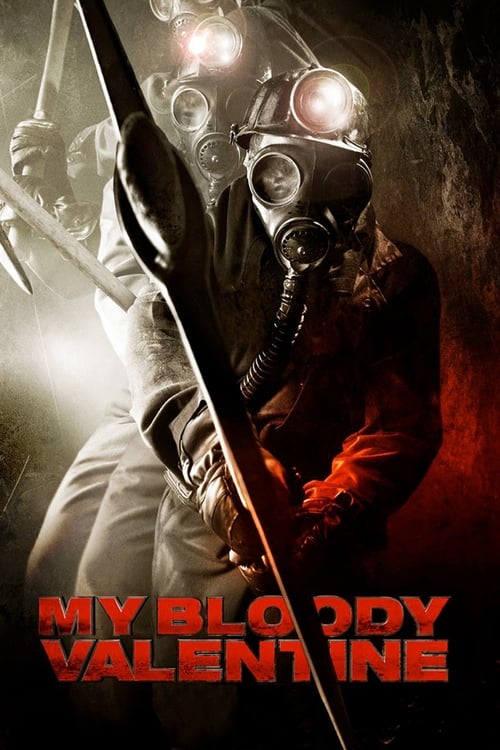
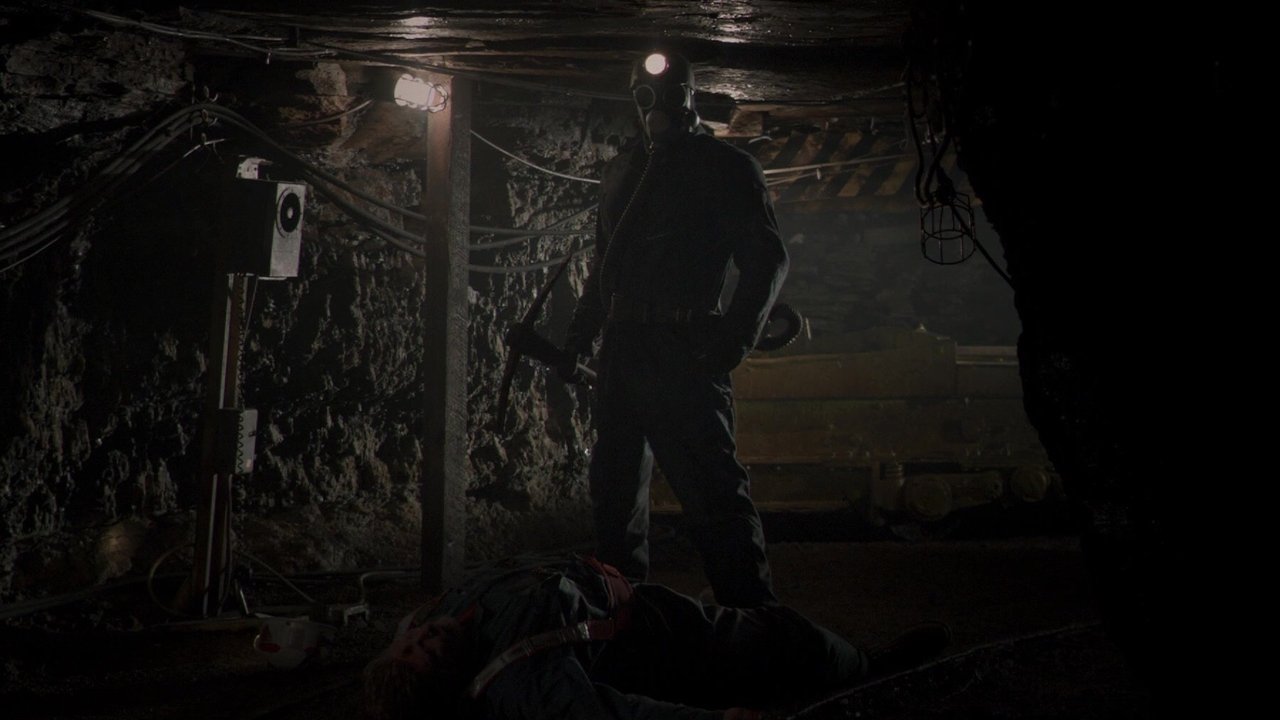
The 2000s were a strange, sweaty time for horror fans. We were drowning in a sea of "gritty" remakes that traded the colorful camp of the 1980s for sepia-toned misery and industrial-grade torture. But in early 2009, director Patrick Lussier decided to lean into the curve with My Bloody Valentine, a film that understood exactly what it was: a high-octane, popcorn-munching slasher that wanted to throw as much blood at your face as the technology of the time allowed.
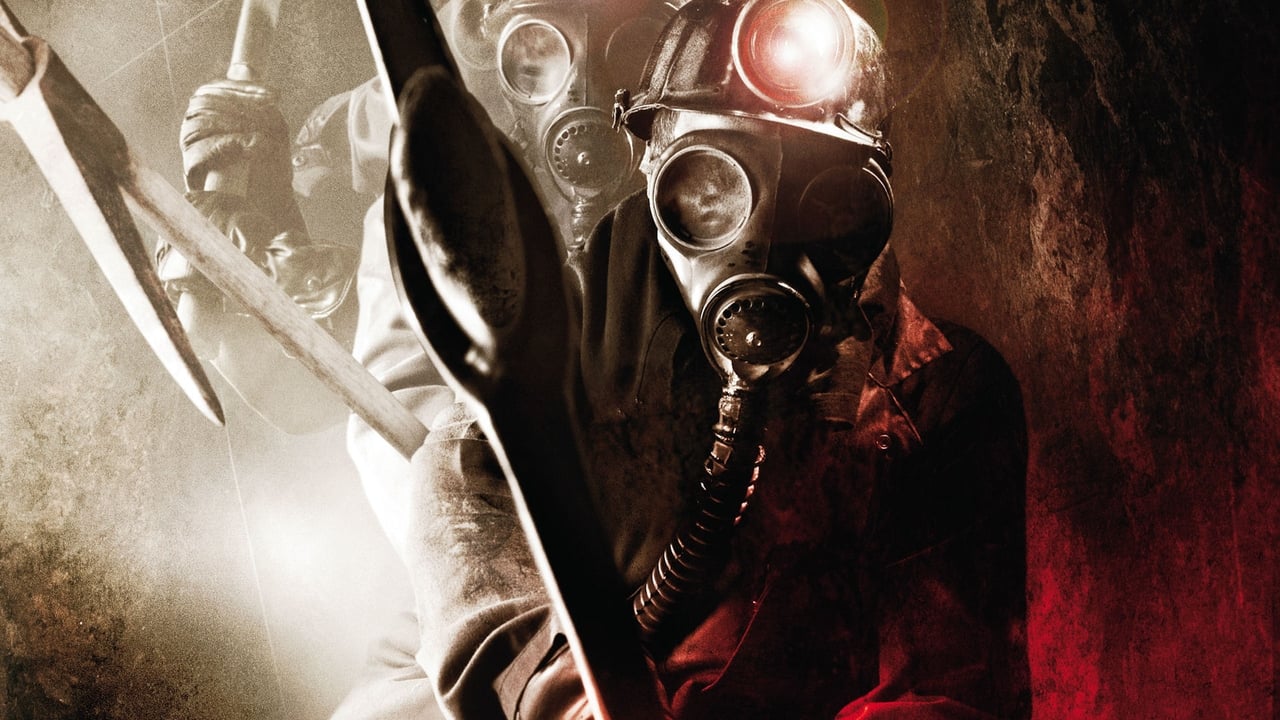
I recall watching this on a humid Tuesday evening while nursing a lukewarm Ginger Ale that had lost its carbonation ten minutes in, and for some reason, that flat soda perfectly matched the movie's "guilty pleasure" energy. It’s a film that doesn't ask for your respect; it asks for your proximity to a 3D screen and a high tolerance for pickaxes through eyeballs.
The Third Dimension of Gore
Looking back, My Bloody Valentine stands as a fasciniting relic of the pre-Avatar 3D boom. While James Cameron was busy perfecting the "window into another world" approach, Lussier and his team were firmly in the "let’s poke the audience in the eye" camp. This was the first R-rated film to use the RealD 3D technology, and it used every cent of that $15 million budget to ensure that intestines, shovel blades, and severed jaws felt like they were hovering just inches from your nose.
The effects are a peculiar mix of their era. We see the transition from the tactile, gooey practical effects of the original 1981 film to the somewhat rubbery CGI of the late 2000s. Some of it hasn’t aged gracefully—certain sprays of digital blood look more like low-resolution cherry jam—but the sheer audacity of the kills remains impressive. There is a sequence involving Betsy Rue in a motel room that is easily one of the most prolonged and ridiculous pieces of slasher choreography ever committed to film. It’s the kind of scene that reminds you that 2000s horror was often trying to out-shock itself, and in this case, the commitment to the bit is almost admirable.
Small Town Secrets and CW Stars
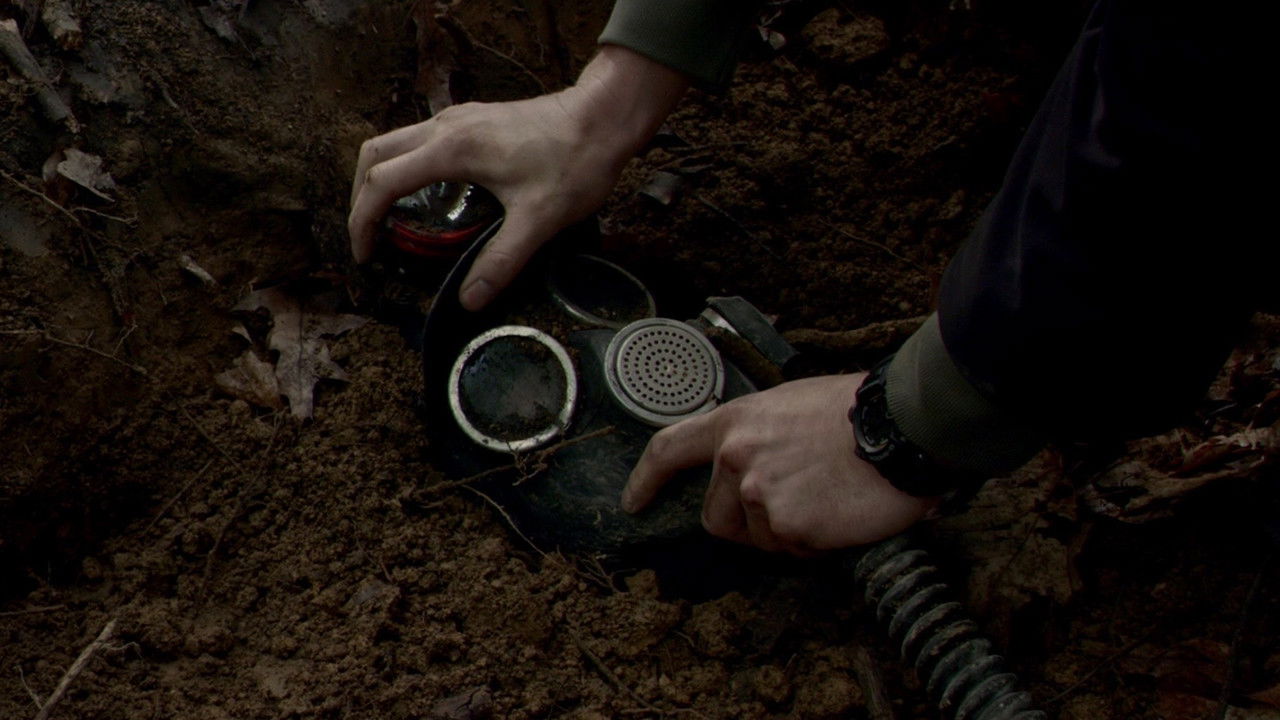
The plot sticks close to the slasher blueprint: Tom Hanniger (Jensen Ackles) returns to his hometown of Harmony ten years after a mining accident led to a massacre. He finds his old flame, Sarah (Jaime King), married to his rival, Axel (Kerr Smith), who is now the town sheriff. It’s a classic love triangle draped in coal dust and trauma.
For a certain segment of the audience, the draw here wasn't the pickax—it was Jensen Ackles. Fresh off the early success of Supernatural, Ackles brings a twitchy, soulful energy to Tom that keeps you guessing about his mental state. He’s joined by Kerr Smith, who effectively sheds his Dawson's Creek "nice guy" persona to play a sheriff who is one bad day away from a total meltdown. Honestly, the movie feels like 'One Tree Hill' if everyone was armed with heavy mining equipment, and that's a vibe I can get behind.
The real treat for genre historians, however, is the presence of the legendary Tom Atkins. Seeing the man from Halloween III and The Fog back in a horror setting feels like a warm hug from a bearded, grumpy uncle. He’s there to ground the absurdity with veteran gravitas, even when the movie around him is literally exploding with 3D gimmicks.
The $100 Million Heartbeat
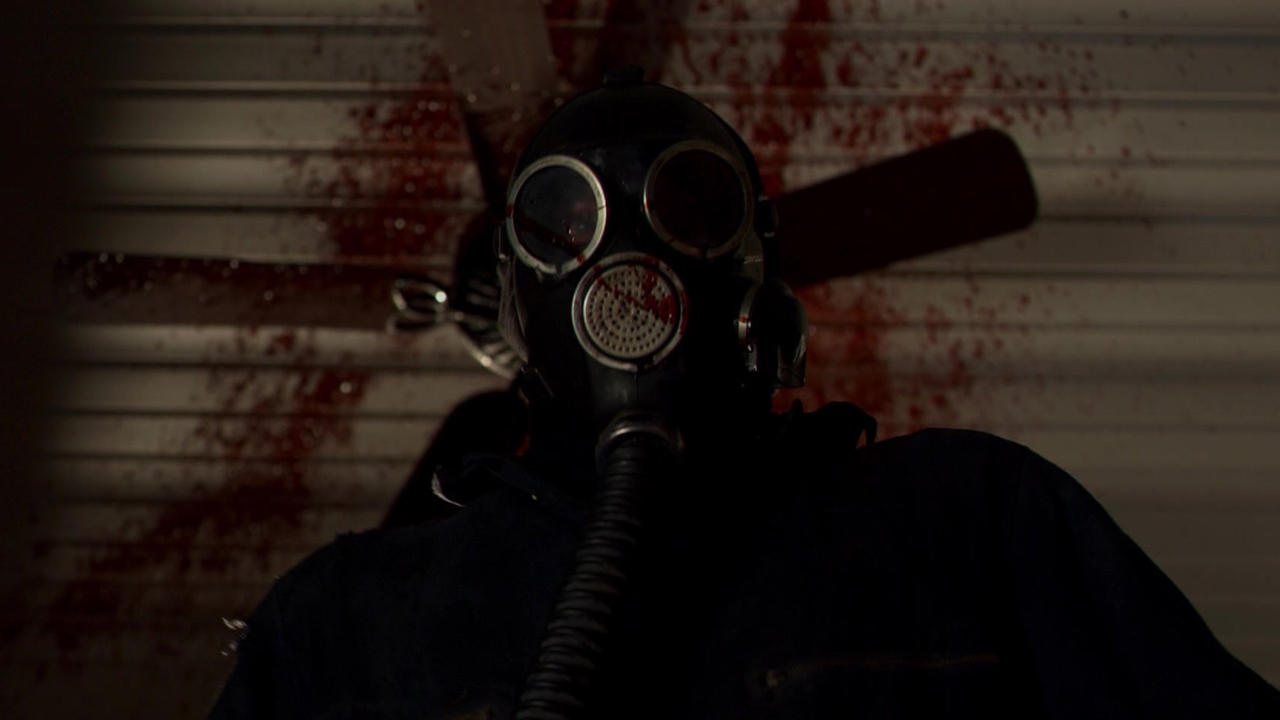
It’s easy to dismiss slasher remakes as cynical cash grabs, but the financial story of My Bloody Valentine is genuinely staggering. It pulled in over $102 million worldwide, a massive win for Lionsgate. Part of this was the brilliant release timing—dropping a Valentine’s Day-themed horror flick in mid-January provided the perfect counter-programming for the usual romantic comedy dross.
But beyond the marketing, the film captured a specific cultural moment. We were transitioning out of the "torture porn" era defined by Saw and Hostel and moving back toward the "fun" slasher. It was a bridge between the analog past and the digital future, proving that audiences still wanted a guy in a mask and a jumpsuit, provided he was delivered with modern production values.
While the "whodunit" twist might not be the most shocking revelation in cinema history, the journey there is relentless. The screenplay by Todd Farmer and Zane Smith doesn't waste time on philosophical musings. It understands the mechanics of the "slasher rules" and follows them with religious fervor, while throwing in just enough meta-wink to let us know they’re in on the joke.
My Bloody Valentine isn't a masterpiece of psychological terror, but it is a masterclass in knowing your audience. It’s a loud, messy, occasionally clunky, but ultimately joyous celebration of the slasher genre. If you can look past some of the dated CGI and the era-specific "edginess," you’ll find a film that still delivers a high-speed thrill ride. It’s the cinematic equivalent of a heart-shaped box of chocolates where half the pieces are filled with glass—it’s mean, it’s sweet, and it definitely leaves a mark.

Keep Exploring...
-
Drive Angry
2011
-
The Grudge
2004
-
Saw III
2006
-

The Omen
2006
-
Saw IV
2007
-

Saw V
2008
-

A Nightmare on Elm Street
2010
-
The Ring Two
2005
-
The Woman in Black
2012
-
I Know What You Did Last Summer
1997
-
The Cell
2000
-
Gothika
2003
-
House of Wax
2005
-

The Hills Have Eyes
2006
-
30 Days of Night
2007
-
The Hitcher
2007
-

Vacancy
2007
-
Funny Games
2008
-
Quarantine
2008
-
The Eye
2008