My Sister's Keeper
"Your life was never actually yours."
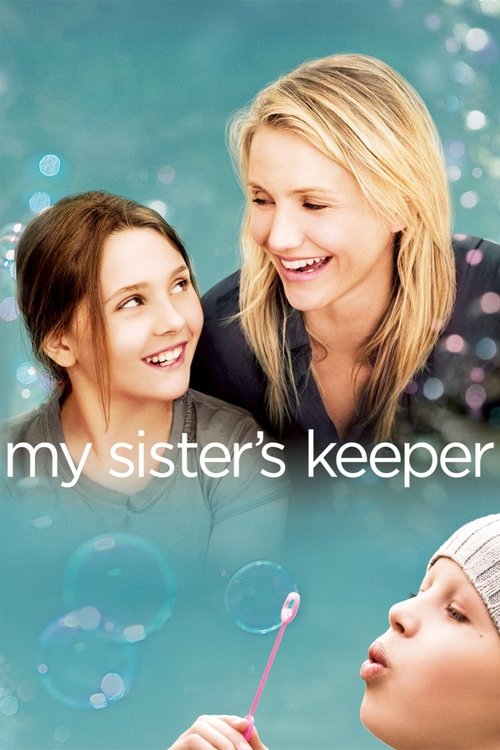
Walk into any pharmacy in 2009 and the greeting card aisle felt less manipulative than the marketing for a Nick Cassavetes film. After the runaway success of The Notebook (2004), Cassavetes became the patron saint of the "bring your own tissues" genre. With My Sister’s Keeper, he stepped away from the rain-soaked romance of Ryan Gosling and moved into the high-stakes, ethically murky world of medical emancipated minors. It’s a film that exists in that strange 2000s pocket where family dramas were still big-budget studio bets, landing right before the "prestige TV" boom swallowed these kinds of stories whole.
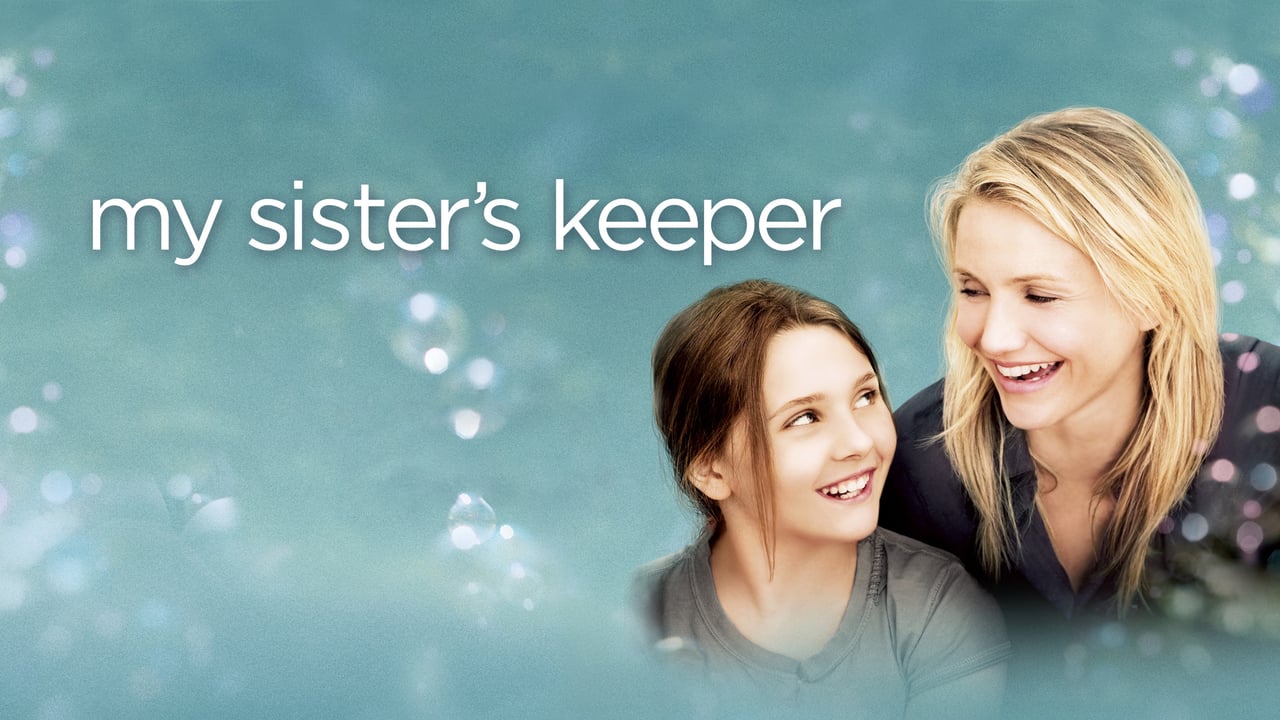
The Savior Sibling Dilemma
The premise is the kind of moral logic puzzle that keeps ethicists up at night: Anna Fitzgerald (Abigail Breslin) was conceived via pre-implantation genetic diagnosis specifically to be a donor for her leukemia-stricken older sister, Kate (Sofia Vassilieva). By age eleven, Anna has endured countless procedures—blood draws, bone marrow pulls, you name it. When Kate goes into kidney failure, the family expects Anna to hand over an organ. Instead, Anna hires a high-profile lawyer, Campbell Alexander (Alec Baldwin), to sue her parents for medical emancipation.
What I find most striking looking back is how Cameron Diaz plays Sara, the mother. In 2009, Diaz was still primarily seen as the bubbly rom-com queen of There's Something About Mary. Here, she is flinty, obsessive, and—honestly, kind of terrifying. She shaves her head in a show of solidarity that feels more like a demand for compliance than a gesture of comfort. It’s a gutsy performance because she doesn't care if you like her. She’s a mother who has turned her entire family into a biological repair shop to keep one child alive, and the collateral damage is immense. I watched this on a couch that was missing a leg, propped up by a stack of old National Geographic magazines, and the slight tilt of the room felt strangely appropriate for a family this off-balance.
A Cult of Controversy
If you talk to anyone who read the original Jodi Picoult novel, they probably have strong feelings about this movie—and not the good kind. The book is a staple of "Book Club" culture, famous for a devastating twist ending that the film completely abandons. In the book, Anna wins her case but is killed in a car accident on the way home, and her organs are harvested for Kate anyway. It’s a brutal, cosmic irony that Picoult fans adored.

Cassavetes and screenwriter Jeremy Leven decided that was too dark for a summer release. They flipped the script, allowing the ending to focus on the "natural" conclusion of Kate’s illness. This choice turned the film into a bit of a cult oddity; it’s a rare case where the movie is actually less depressing than the source material, yet it was the fans of the book who felt betrayed. The soundtrack, meanwhile, sounds like it was curated by a depressed barista at a closing Starbucks, leaning heavily on that late-2000s indie-folk vibe that tells you exactly when to start leaking from your eyes.
Stuff You Didn't Notice
The production of My Sister's Keeper was a bit of a casting carousel. Originally, real-life sisters Dakota Fanning and Elle Fanning were set to play Kate and Anna. However, Dakota reportedly balked when she learned she would have to shave her head for the role. This opened the door for Sofia Vassilieva, who took the plunge and actually shaved her hair (along with her eyebrows) to portray Kate’s journey through chemotherapy.
There’s a raw, tactile quality to the scenes between the sisters that benefits from this realism. Abigail Breslin, coming off her Little Miss Sunshine (2006) fame, proves she wasn't just a "cute kid" fluke. She carries the weight of a child who loves her sister but is tired of being treated like a spare parts bin. Even Alec Baldwin, playing the lawyer with a secret medical condition of his own, brings a weird, cynical energy that prevents the courtroom scenes from becoming too much like a Lifetime movie.

Director Nick Cassavetes actually has a personal connection to medical dramas; his own daughter was born with a heart defect, which likely explains why he lingers so long on the clinical details. He isn't interested in the glossy, TV version of a hospital. He wants you to see the bruises, the exhaustion, and the way a house starts to look when it's been colonized by IV stands and pill bottles.
At its core, My Sister’s Keeper is a polished, well-acted tearjerker that struggles to escape its own earnestness. It captures a specific moment in cinema where "The Big Drama" was transitioning from the sweeping epics of the 90s into the more intimate, digital-looking stories of the 2010s. It’s effective, but it’s also the kind of film that feels like a sustained emotional assault.
The movie works best when it stops trying to be a "legal thriller" and just looks at the wreckage of the Fitzgerald family. While the change to the ending remains a massive point of contention for the Picoult faithful, the film stands on its own as a fascinating, if slightly manipulative, exploration of how far love can go before it starts to look like a crime. If you're in the mood for a good cry and a debate about bioethics, it's a solid Saturday night choice—just keep the tissues close.

Keep Exploring...
-
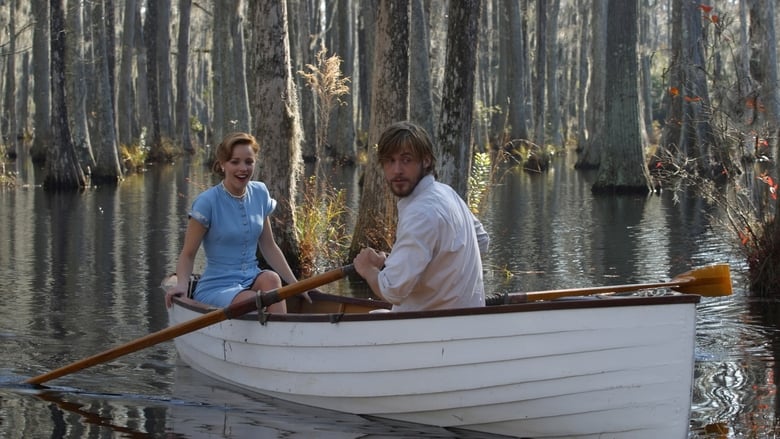
The Notebook
2004
-
Alpha Dog
2006
-
John Q
2002
-
The Other Woman
2014
-
Still Alice
2014
-
Blow
2001
-
Cellular
2004
-
The Machinist
2004
-
Coach Carter
2005
-
Crash
2005
-

Match Point
2005
-
Thank You for Smoking
2005
-
The Skeleton Key
2005
-
Lucky Number Slevin
2006
-

Marie Antoinette
2006
-
Stranger Than Fiction
2006
-
The Illusionist
2006
-
The Lake House
2006
-
August Rush
2007
-
Gone Baby Gone
2007