Ninja Assassin
"Every shadow has a blade, and every blade has a grudge."
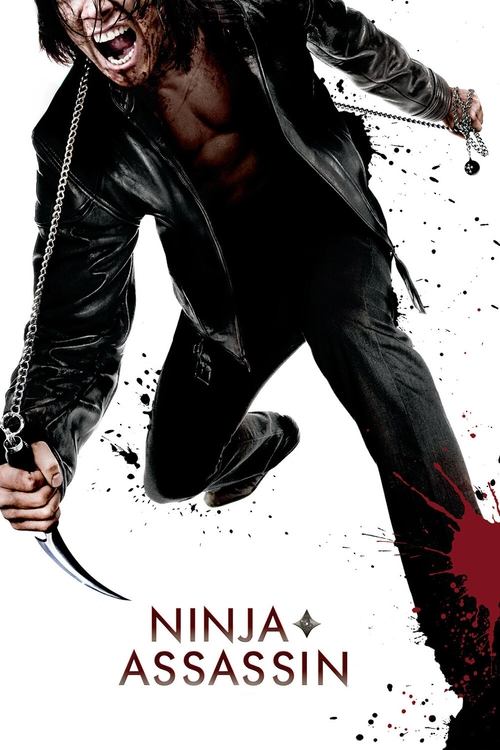
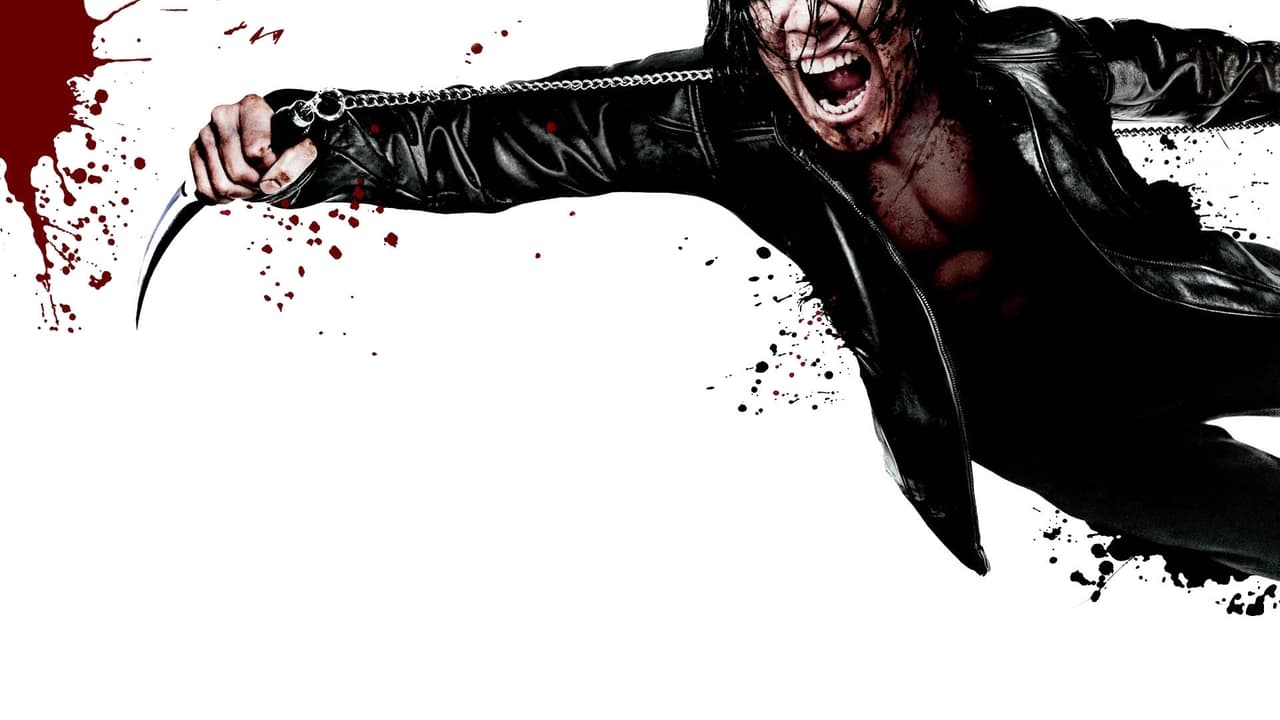
There was a specific moment in the late 2000s when Hollywood decided that reality was overrated and digital blood should look like neon-red jelly. Released in 2009, Ninja Assassin stands as the peak of this hyper-stylized, post-Matrix aesthetic. It’s a film that doesn't just feature action; it drowns the screen in a crimson spray that feels more like a living anime than a traditional martial arts flick. Looking back, it’s a fascinating relic of that "middle-budget" era—the kind of movie that cost $40 million, aimed for a hard R-rating, and banked entirely on a cool concept and a rising international star.
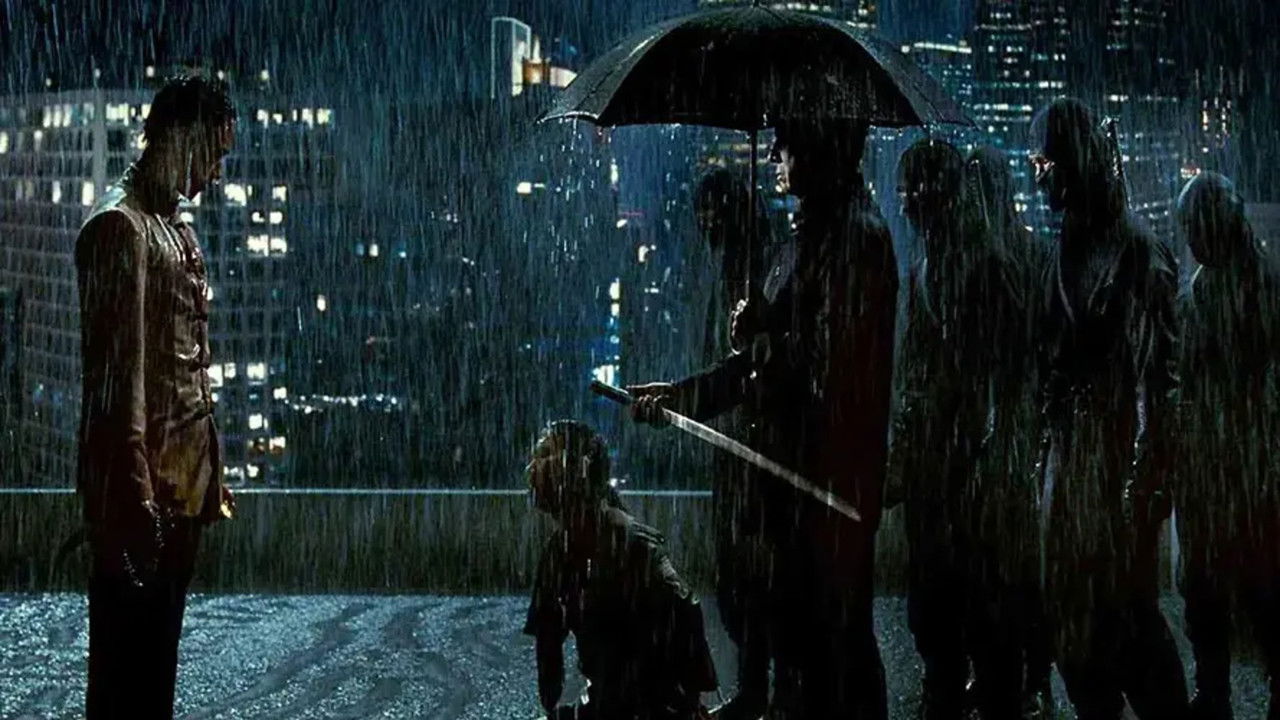
I watched this on a laptop while nursing a lukewarm cup of instant noodles, and the steam from the broth actually made the smoke-bomb scenes feel more immersive. It’s that kind of movie—best enjoyed in a dark room where you can fully commit to the absurdity of secret societies that have apparently been running global politics since the Edo period by throwing sharpened pieces of metal at people.
Shadows, Chains, and Digital Arteries
Director James McTeigue, who previously gave us the masked revolution of V for Vendetta, brought a very specific Wachowski-adjacent energy to this production. Lana Wachowski and Lilly Wachowski produced it, and you can feel their fingerprints on every shadow. The film centers on Raizo, played by K-Pop megastar Rain, who was fresh off his Hollywood debut in Speed Racer. Raizo is a defector from the Ozunu Clan, a group of ninjas who train orphans by beating them with sticks and teaching them how to disappear into literal darkness.
The action choreography is the main event here, and it’s gloriously over-the-top. Raizo’s weapon of choice is the kyoketshu-shoge—a double-edged blade on a long chain. In the hands of the stunt team, it becomes a whirling dervish of decapitation. The digital blood looks like it was rendered on a PlayStation 3, and honestly, that’s exactly why it works. It detaches the violence from reality, turning every fight into a dance of sparks and spray. When Raizo takes on a room full of suits or his rival Takeshi (played by Rick Yune, the villain from The Fast and the Furious), the camera moves with a frantic, rhythmic energy that was common before the "shaky-cam" era completely devolved into incoherence.
The K-Pop King of Killers
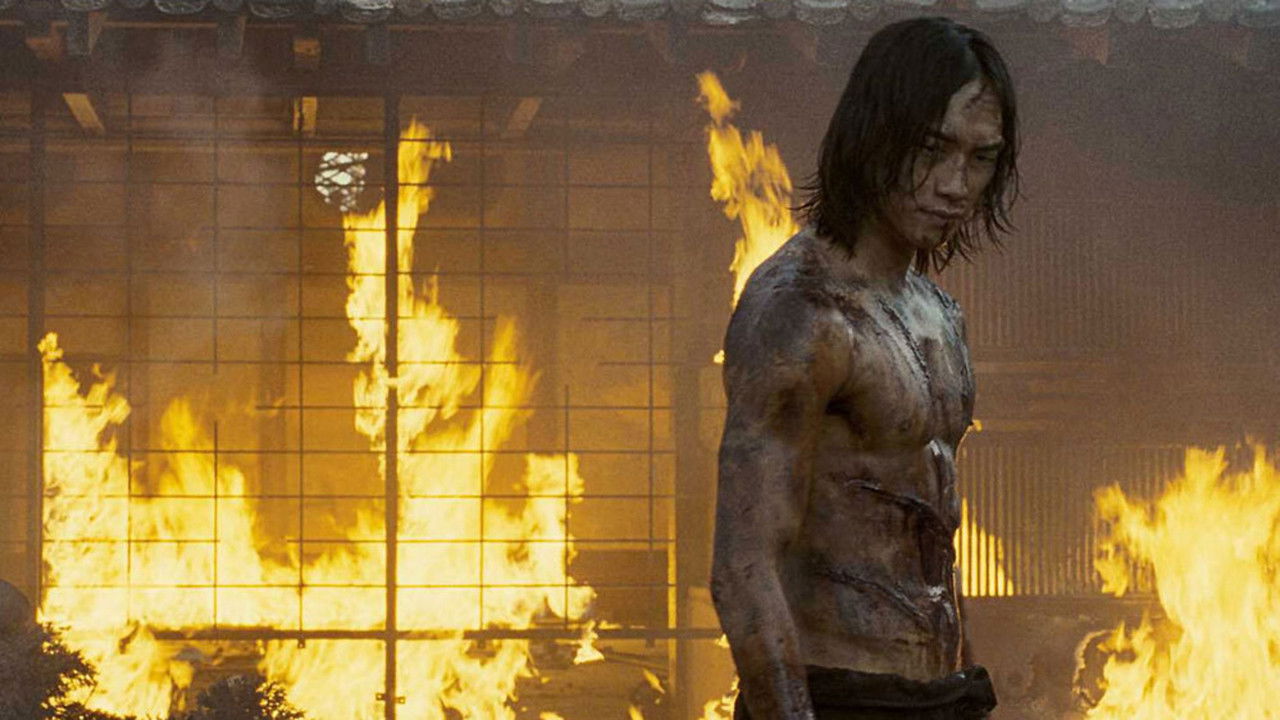
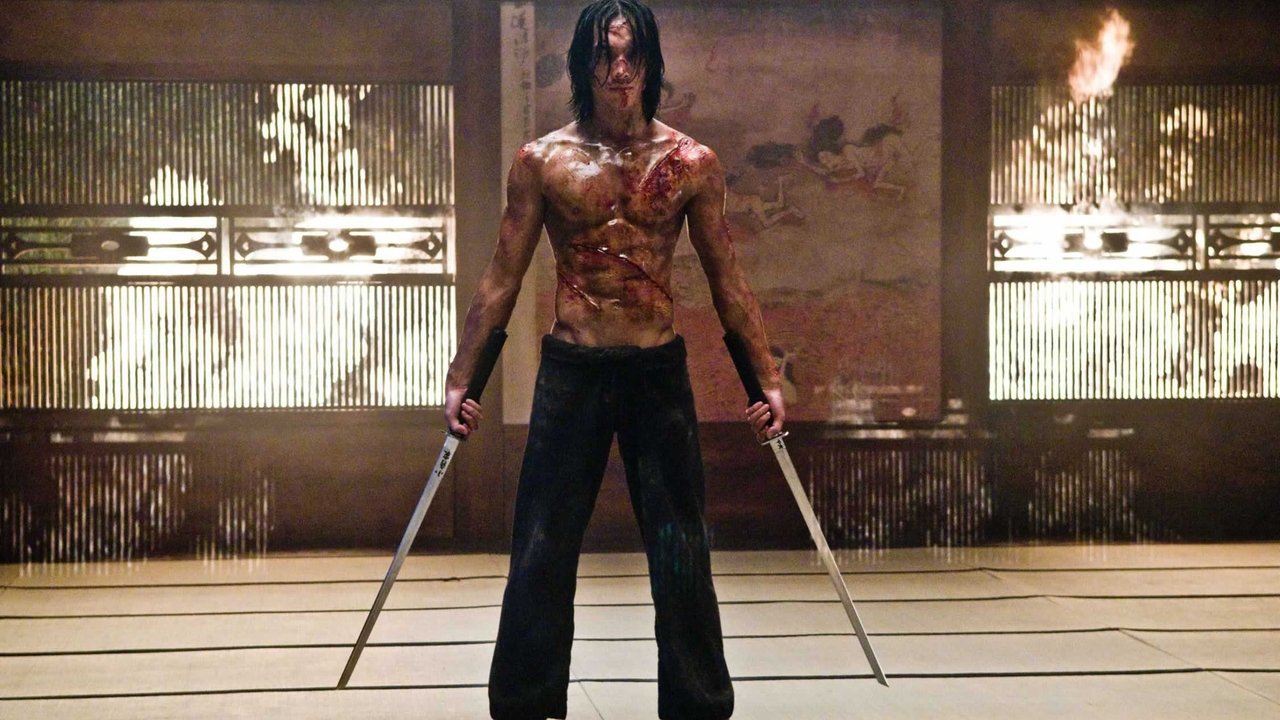
The most impressive part of the film isn't the CGI; it’s Rain's physical transformation. He reportedly trained for six months, five hours a day, to achieve a physique that looks less like a human body and more like a topographical map of a mountain range. There’s a scene where he’s practicing with his chain in a candlelit room, and the way he moves suggests he actually learned the craft. He doesn't have a lot of dialogue—Naomie Harris (who played Moneypenny in the Daniel Craig Bond films) and Ben Miles handle most of the heavy lifting regarding the Europol investigation subplot—but he doesn't need it. He has the brooding intensity of a silent film star, which fits a character who spent his childhood being told that "emotions are a weakness."
The supporting cast is anchored by the legendary Sho Kosugi, the man who basically defined the 1980s ninja craze in films like Enter the Ninja. Seeing him as the ruthless Lord Ozunu is a treat for anyone who grew up on VHS martial arts tapes. He brings a gravitas to the role that balances the film’s more cartoonish elements. If you’re looking for a plot that makes sense, you’re in the wrong zip code, but seeing Kosugi square off against a new generation of cinematic ninjas provides a bridge between the practical stunt work of the past and the digital spectacles of the future.
Why the Shadows Receded
Despite the talent involved, Ninja Assassin didn't launch a massive franchise. It arrived just as the Marvel Cinematic Universe was beginning to reshape the landscape, and the "hard-R" niche action film was starting to migrate to VOD services. The film’s heavy reliance on CGI blood was polarizing at the time; critics missed the tactile grit of the 80s, while younger audiences were moving toward the superhero boom.
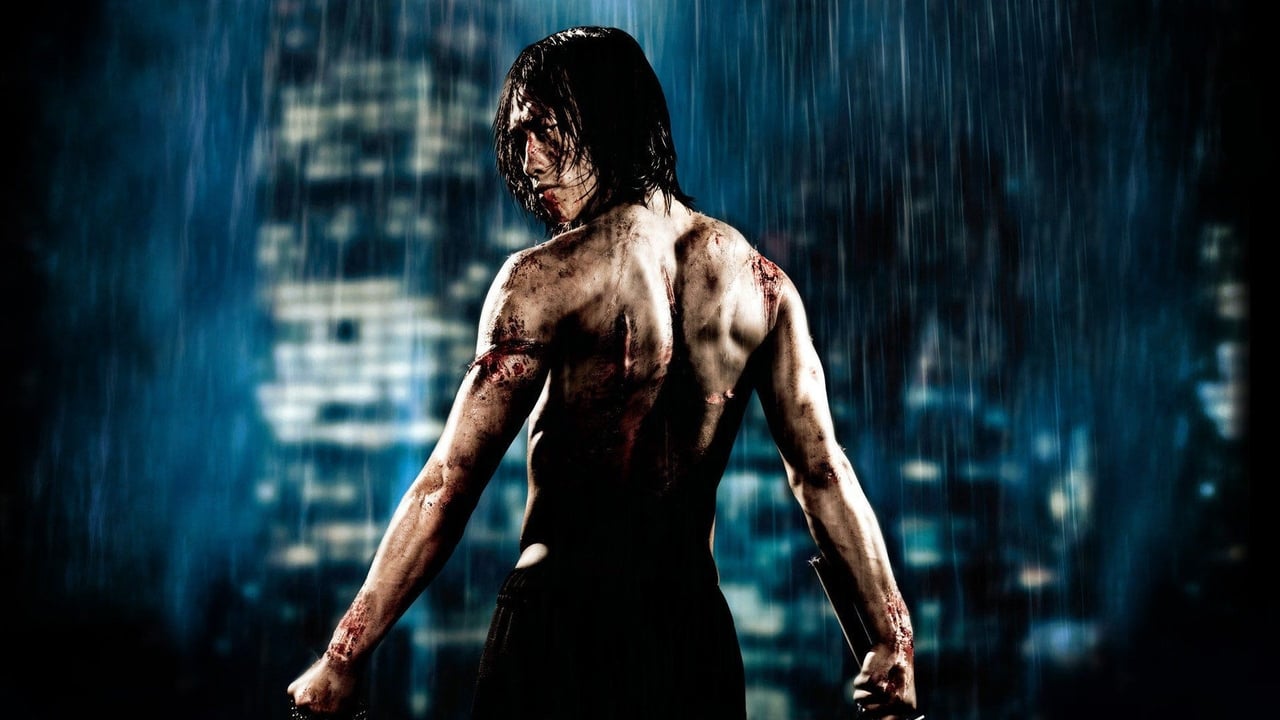
However, looking back with a decade of hindsight, there’s a charm to its commitment. It’s a film that knows exactly what it is. It doesn't try to be a profound "meditation on" anything—it just wants to show you a guy hiding in a shadow and then exploding out of it like a human blender. The production design, especially the clan’s training temple, is moody and atmospheric, shot by Karl Walter Lindenlaub (the cinematographer for Independence Day) with a high-contrast look that makes the blacks look deep and the reds look radioactive.
The trivia surrounding the production is equally intense. Rain supposedly did 90% of his own stunts, and the training regimen he followed was so strict that he famously said he began to "hate" the sight of chicken breasts. It’s that level of dedication to a premise this silly that makes the film stand out among the forgotten action titles of the late 2000s. It represents a bridge between the wire-fu of the 90s and the "stunt-vis" revolution that would eventually lead to things like John Wick and Atomic Blonde.
Ninja Assassin is a loud, bloody, and unapologetically stylized piece of action cinema that feels like a fever dream of a 14-year-old who just discovered anime and dark chocolate. It’s not a deep film, but it’s a technically ambitious one that captures a specific turning point in how Hollywood approached martial arts. While the CGI hasn't all aged like fine wine, the sheer speed and creativity of the fight scenes remain a blast. It’s the perfect choice for a Saturday night when you want to turn your brain off and watch the shadows come to life.
The film remains a testament to the brief window when a major studio would hand a director $40 million to make a movie about ancient assassins fighting Europol agents in a laundromat. It’s over-the-top, frequently ridiculous, and utterly committed to its own internal logic. If you can stomach the digital gore, Raizo’s journey of revenge is a journey worth taking.
Keep Exploring...
-
Assault on Precinct 13
2005
-
Walking Tall
2004
-
Cirque du Freak: The Vampire's Assistant
2009
-
The Losers
2010
-
Sky Captain and the World of Tomorrow
2004
-

Into the Blue
2005
-

Race to Witch Mountain
2009
-
The Raven
2012
-
Passenger 57
1992
-
Shaft
2000
-
Assassins
1995
-
Daylight
1996
-
Escape from L.A.
1996
-
Executive Decision
1996
-
The Saint
1997
-
Star Trek: Insurrection
1998
-
Who Am I?
1998
-

Space Cowboys
2000
-
Vertical Limit
2000
-
Final Fantasy: The Spirits Within
2001