Orphan
"She’s looking for a daddy, not a father."
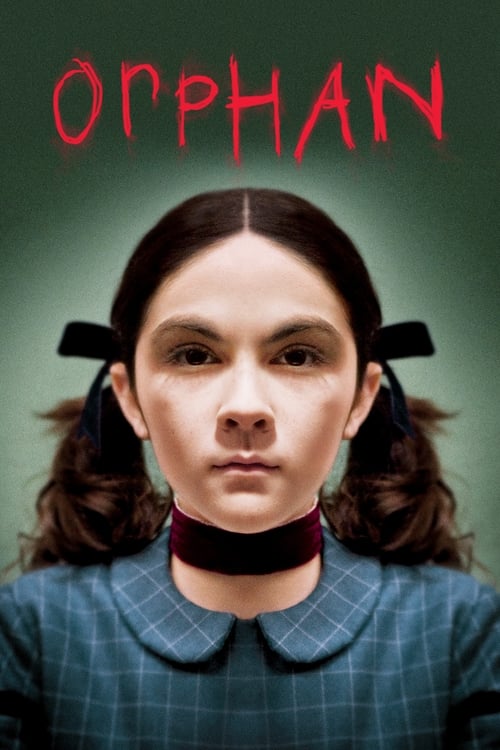
There was a specific kind of "bad seed" energy permeating the late 2000s, a cinematic paranoia that suggested your newly adopted child might just be a homicidal architect of chaos. It was the era of The Omen remakes and Joshua, but while those films took themselves with a somber, self-serious gloom, Jaume Collet-Serra’s Orphan decided to take a flying leap into the deep end of the "bonkers" pool. It’s a film that shouldn’t work as well as it does, yet here we are, fifteen years later, still talking about those velvet ribbons and that incredible, logic-defying twist.
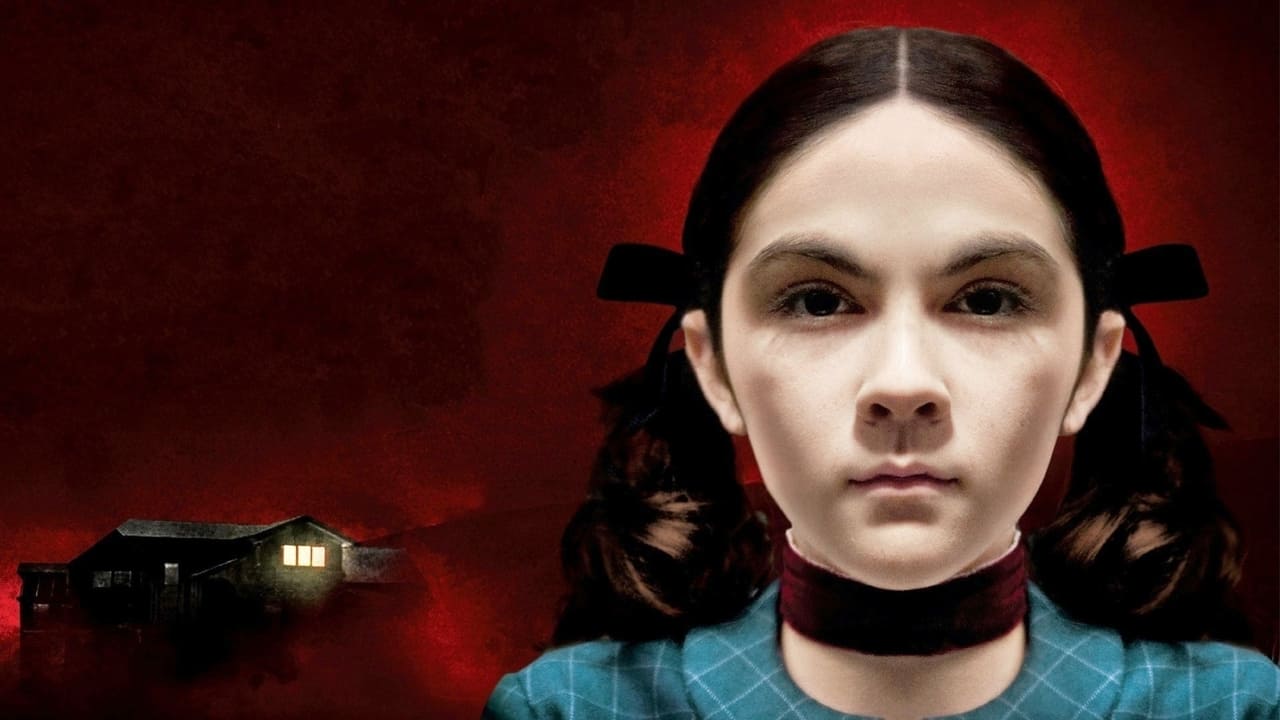
I recently revisited this one on a rainy Tuesday while my cat was aggressively trying to eat my shoelaces, and even with that distraction, the sheer, icy precision of the filmmaking held me. It’s a glossy, mean-spirited, and deeply stylish thriller that arrived just as the DVD market was hitting its peak saturation—the kind of movie you’d buy at a Target based on the creepy cover art alone and then immediately tell all your friends they had to see the ending.
The Dark Castle Aesthetic
Produced by Dark Castle Entertainment (the outfit Joel Silver and Robert Zemeckis started to revive the spirit of William Castle), Orphan carries that specific 2009 DNA: high-contrast cinematography, a muted color palette, and a budget that allows for a much nicer house than any middle-class family could actually afford. Jaume Collet-Serra, who would go on to become Liam Neeson’s favorite director in films like Unknown and Non-Stop, proves here that he has a wicked eye for suspense.
The setup is classic domestic horror. Vera Farmiga—playing Kate, a mother grieving a stillbirth and battling a history of alcoholism—is the perfect "gaslit" protagonist. Long before she was battling demons in The Conjuring, Farmiga was perfecting the art of the tremulous lip and the haunted gaze. She and Peter Sarsgaard (who plays the husband, John) bring an A-list pedigree to what is essentially a B-movie premise. John is the undisputed heavyweight champion of oblivious horror movie husbands, and Sarsgaard plays him with a smug, "calm down, honey" energy that makes you want to reach through the screen and shake him.
A Star is Born (and Then Reborn)
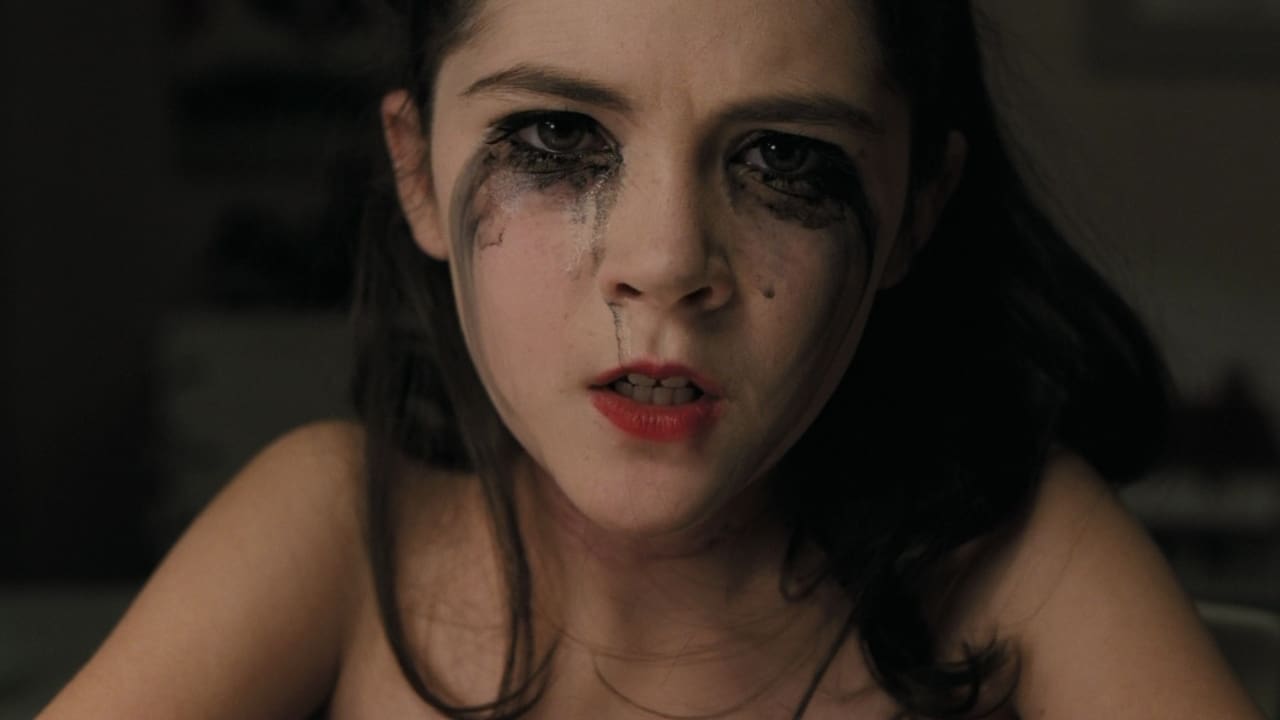
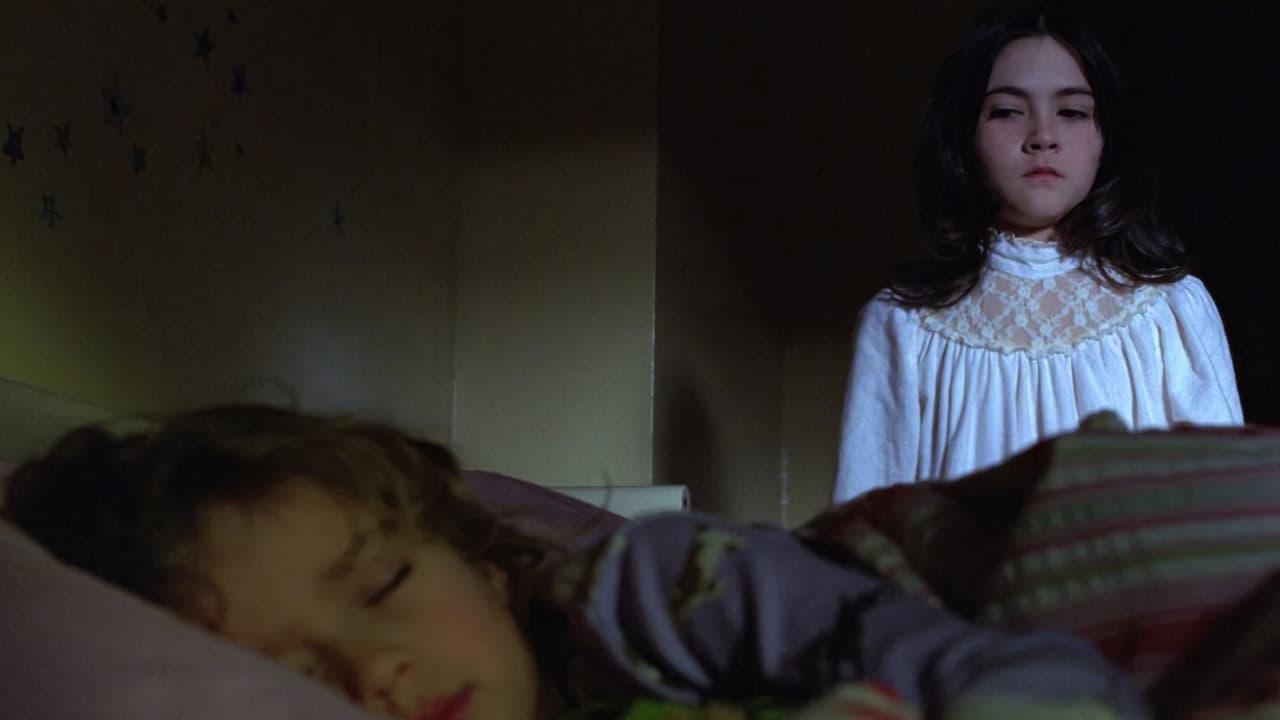
Of course, the whole thing rests on the tiny shoulders of Isabelle Fuhrman. At just ten years old during filming, she delivered a performance that remains one of the most chilling child-acting turns in history. As Esther, she’s a masterclass in switching from a "Victorian porcelain doll" to a "calculating predator" in the blink of an eye. The way she manipulates the family, particularly the younger daughter Max (played by the wonderful Aryana Engineer, who is actually deaf and brings a grounded, silent terror to her scenes), is genuinely uncomfortable to watch.
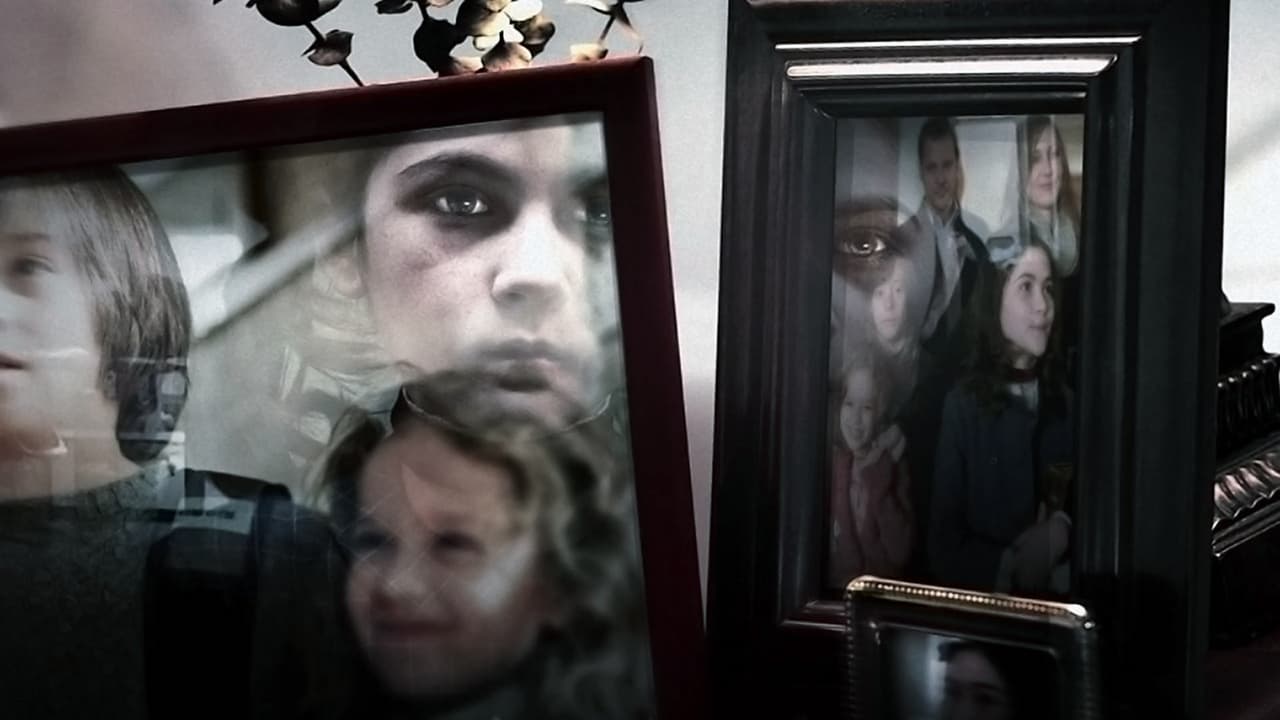
Esther isn’t just a "creepy kid"; she’s a tactical genius. Whether she’s crushing a wounded pigeon with a rock or intimidating her older brother Jimmy Bennett, she carries an aura of adult malice that the film eventually explains in spectacular fashion. Looking back, the production design is full of clues—the blacklight paintings, the way she refuses to remove her neck ribbons, the hyper-mature vocabulary. It’s a performance that deserved more awards-season chatter than a "horror movie" was ever going to get in 2009.
The Twist That Launched a Thousand Memes
We have to talk about the reveal. If you haven’t seen the film (and if you haven't, stop reading and go find it), the third-act pivot from "psychological thriller" to "absolute madness" is what cemented Orphan as a cult classic. The discovery that Esther is actually Leena Klammer, a 33-year-old woman with primordial dwarfism who escapes psychiatric facilities and seduces the fathers of the families she "joins," is the kind of swing that only a director with total confidence can pull off.
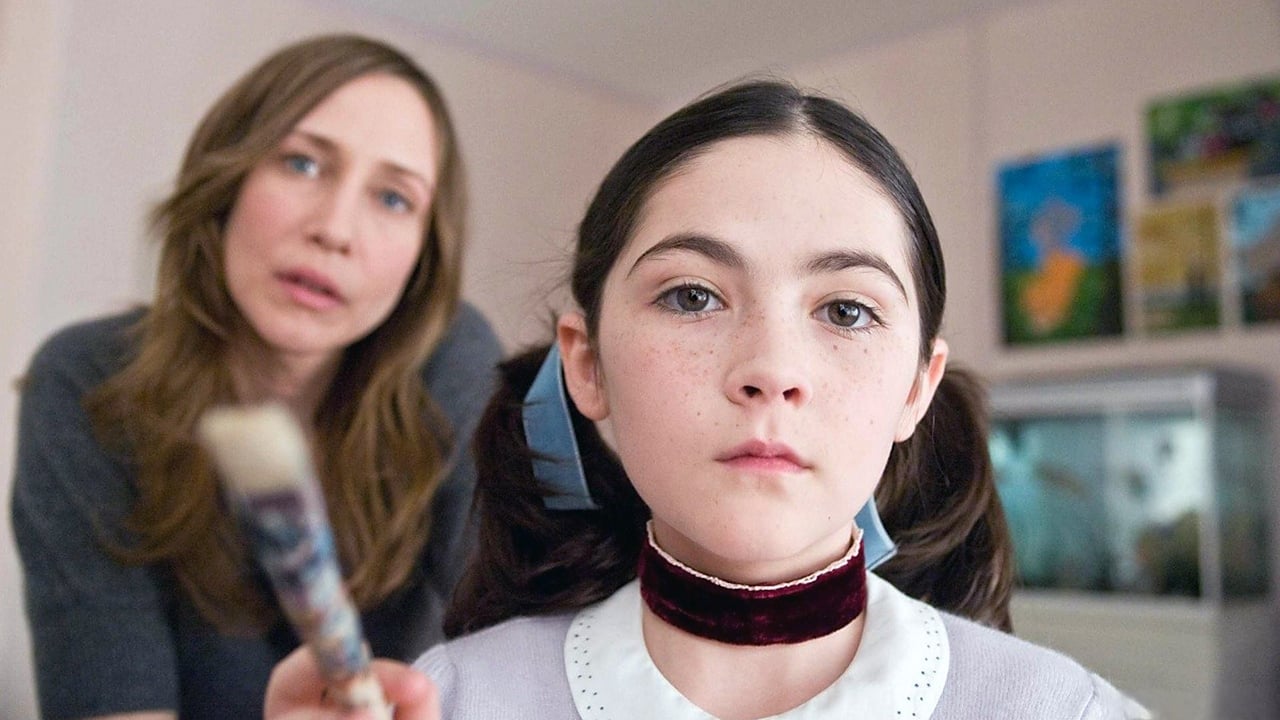
It’s absurd, yes. It’s biologically questionable, sure. But it’s also the most gloriously trashy ending of the 2000s. It transforms the movie from a standard thriller into a gothic tragedy about a woman trapped in a child’s body, weaponizing her appearance to destroy lives. The scene where she wipes off her "childhood" makeup and tries to seduce Peter Sarsgaard is a masterwork of "ew" factor, perfectly capturing the era’s fascination with "extreme" cinema without falling into the "torture porn" traps of Saw or Hostel.
In an era of endless reboots and formulaic slashers, Orphan feels like a last hurrah for the high-budget, standalone studio thriller. It’s got style, it’s got a mean streak a mile wide, and it features three powerhouse performances that elevate the material. It’s the kind of movie that earns its place on the shelf by being unashamedly bold, reminding us that sometimes the scariest thing you can bring into your home isn't a ghost or a demon—it's a 33-year-old Estonian woman in a pinafore.
The film's legacy was further cemented by the surprisingly great 2022 prequel, Orphan: First Kill, which leaned even harder into the camp. But the 2009 original remains the gold standard for "bad seed" cinema. It’s cold, it’s calculating, and it’s a total blast to watch with a crowd that doesn't know what's coming. Just keep an eye on your shoelaces.
Keep Exploring...
-
House of Wax
2005
-
Orphan: First Kill
2022
-
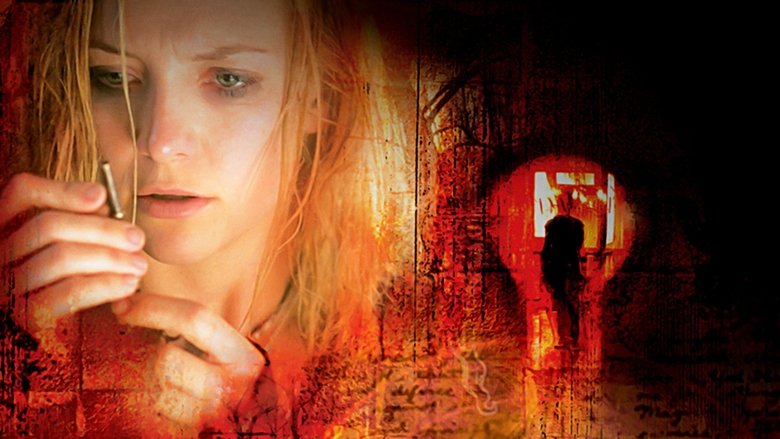
The Skeleton Key
2005
-
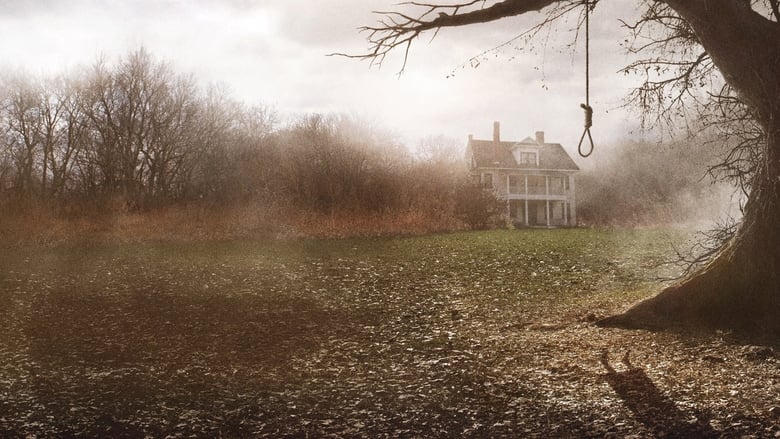
The Conjuring
2013
-

The Hills Have Eyes
2006
-
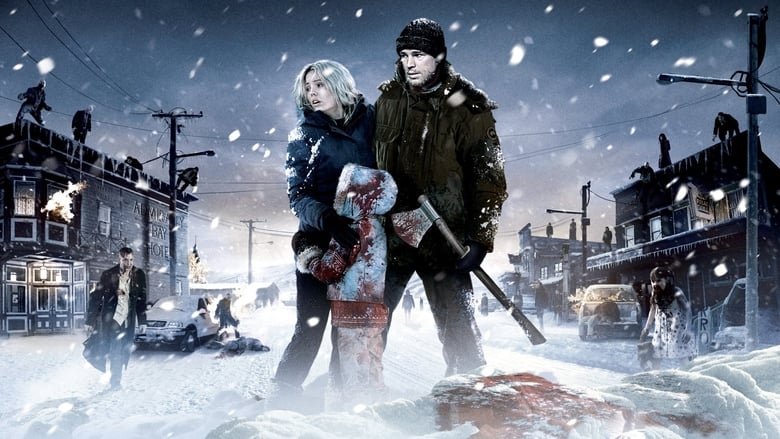
30 Days of Night
2007
-

Planet Terror
2007
-

The Mist
2007
-
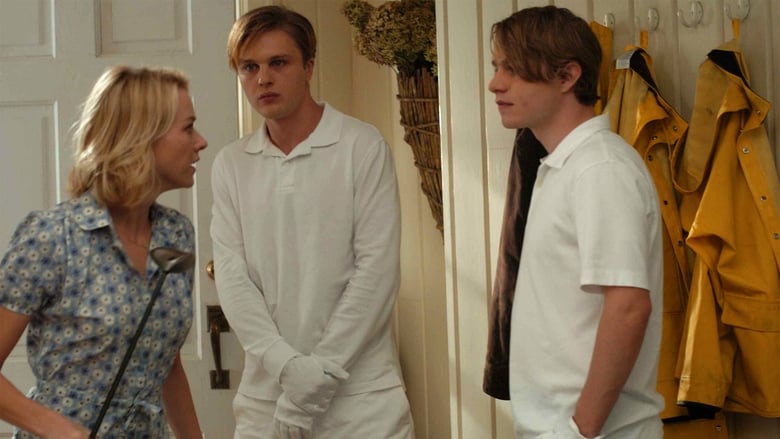
Funny Games
2008
-
The Strangers
2008
-
Drag Me to Hell
2009
-
Pandorum
2009
-
Saw VI
2009
-
Devil
2010
-
The Rite
2011
-
Unknown
2011
-
Stoker
2013
-
As Above, So Below
2014
-
Deliver Us from Evil
2014
-

28 Weeks Later
2007