OSS 117: Lost in Rio
"Arrogant, oblivious, and accidentally effective."
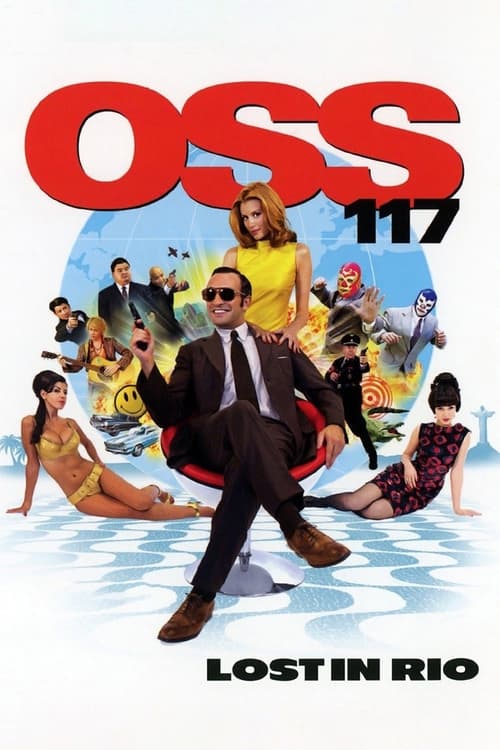
Imagine a man who possesses the smug confidence of George Clooney, the physical grace of a silent film star, and the enlightened social worldview of a particularly stubborn 19th-century colonial governor. That is Hubert Bonisseur de la Bath. If you haven't met him yet, you are missing out on one of the most meticulously crafted parodies in cinema history. I watched this film on a laptop balanced precariously on a pile of laundry while my radiator clanked out a bossa nova beat, and honestly, the rhythm helped.
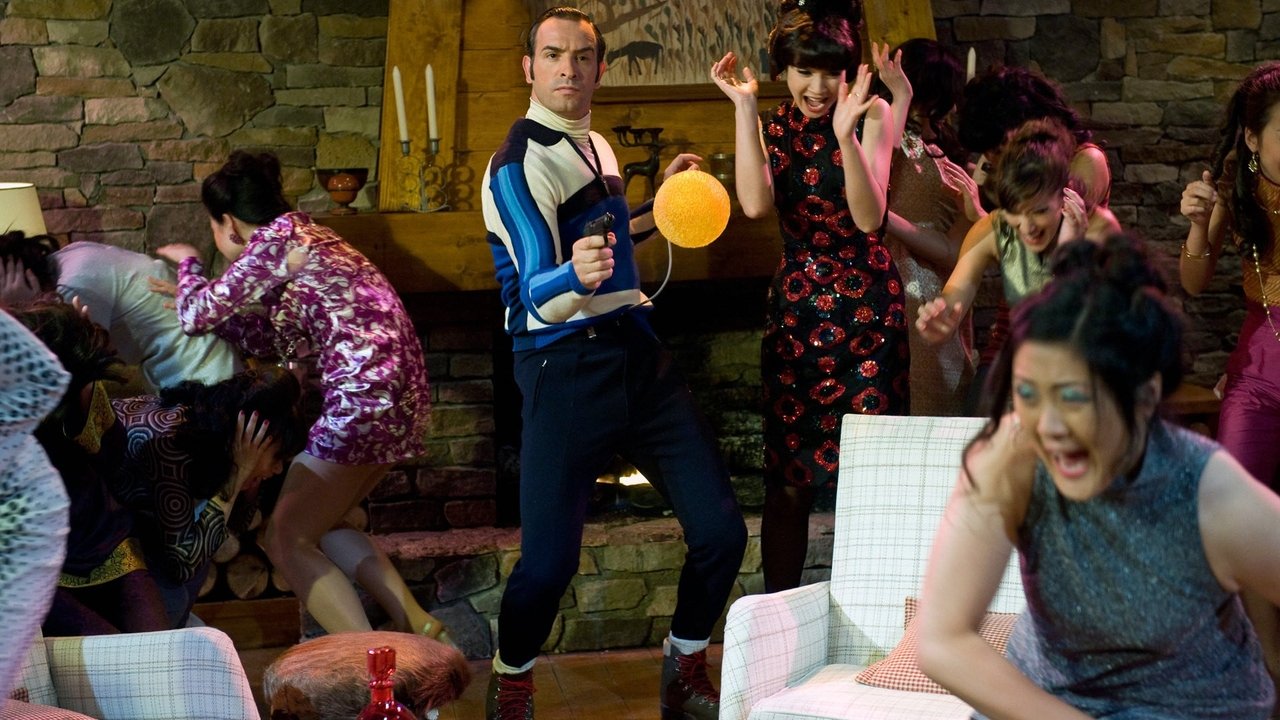
OSS 117: Lost in Rio is the 2009 sequel to Cairo, Nest of Spies, and it finds our titular French secret agent in 1967. He’s traded the fedoras of the Suez Crisis for the turtlenecks and psychedelic vibes of Brazil. The mission? Track down a microfilm containing a list of French Nazi sympathizers. The reality? Hubert spends most of his time being breathtakingly offensive to everyone he meets while looking absolutely spectacular in a suit.
The Art of the Beautiful Idiot
What makes this film—and Jean Dujardin’s performance—so legendary is the commitment to the bit. Before he won an Oscar for The Artist, Dujardin was perfecting a very specific kind of physical comedy here. He doesn't just play a spy; he plays a 1960s movie spy. He holds his gun in that specific, stiff-armed way; he tilts his head with a practiced, masculine smirks; he laughs a beat too long at his own terrible jokes. Dujardin’s jawline is doing more heavy lifting than the actual script, and it is a joy to behold.
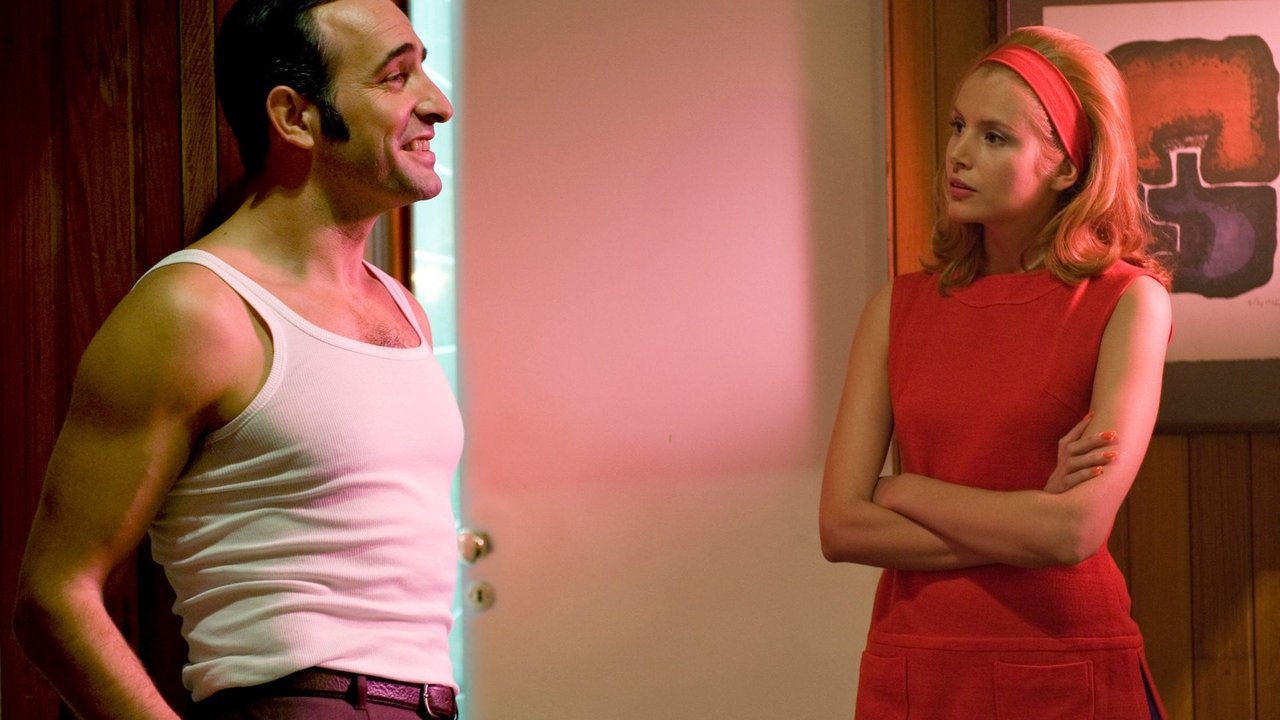
He is joined by Louise Monot as Dolorès, a Mossad agent who has the unenviable task of being the "straight man" to Hubert’s lunacy. The chemistry is non-existent by design—she views him as a prehistoric relic, and he views her as a charming secretary who accidentally knows how to use a firearm. Watching Hubert try to "explain" the world to a woman who is clearly ten times smarter than him provides some of the sharpest satirical bites in the film. It’s a delicate tightrope; the movie is mocking Hubert’s sexism and colonial arrogance, never endorsing it.
A Technicolor Time Capsule

Director Michel Hazanavicius (who also gave us the aforementioned The Artist) and cinematographer Guillaume Schiffman didn't just want to spoof James Bond or The Man from U.N.C.L.E.; they wanted to resurrect the very film stock they were shot on. Looking back at 2009, this was a time when CGI was starting to feel a bit "smooth" and digital. Lost in Rio goes the opposite way. It embraces the glorious imperfections of 1960s filmmaking.
The use of split-screens, rear-projection for driving scenes, and those sudden, aggressive zooms is flawless. It looks like a film that has been sitting in a Gaumont vault for forty years, recently unearthed and dusted off. Even the score by Ludovic Bource captures that specific swinging-sixties bossa nova lounge vibe that makes you want to drink a martini in a very uncomfortable chair.
The action set pieces are equally evocative of the era. There’s a sequence involving a struggle at the top of the Christ the Redeemer statue that is a direct, hilarious homage to Alfred Hitchcock's Vertigo and North by Northwest. It’s not "shaky cam" or high-octane modern grit; it’s staged with the theatricality and stunt-man bravado of a Jean-Paul Belmondo flick (specifically That Man from Rio, which is this film’s spiritual father).
The "Hidden Gem" Dilemma
Despite the massive success of the OSS 117 films in France, they remain frustratingly obscure in the English-speaking world. Perhaps it’s the subtitles, or perhaps the humor is so rooted in a specific French self-critique that distributors were nervous. But looking at it now, it feels like a precursor to the "unlikable but hilarious" protagonist trend. Hubert is the bridge between Inspector Clouseau and Archer.
The film eventually disappeared from the mainstream conversation because Dujardin and Hazanavicius moved on to Hollywood glory, and the third installment in the trilogy didn't arrive for another twelve years (with a different director, no less). Lost in Rio represents a sweet spot in the "Modern Cinema" era where practical pastiche was at its peak. It’s a film that demands you pay attention to the background gags—like the ever-present, increasingly absurd Nazi hideouts or the way Hubert insists on playing the guitar at the most inappropriate moments. The movie is essentially a high-budget dad joke told by a man who thinks he’s James Bond.
OSS 117: Lost in Rio is a rare sequel that matches, and occasionally surpasses, its predecessor. It’s a masterclass in how to do a parody without descending into the "movie-movie" laziness of the Scary Movie franchise. It respects the genre it’s mocking enough to replicate it perfectly, making the punchlines land even harder. If you’re tired of modern action films that take themselves too seriously, let Hubert take you to Brazil. He’ll offend you, he’ll annoy you, but I guarantee he’ll make you laugh.


Keep Exploring...
-
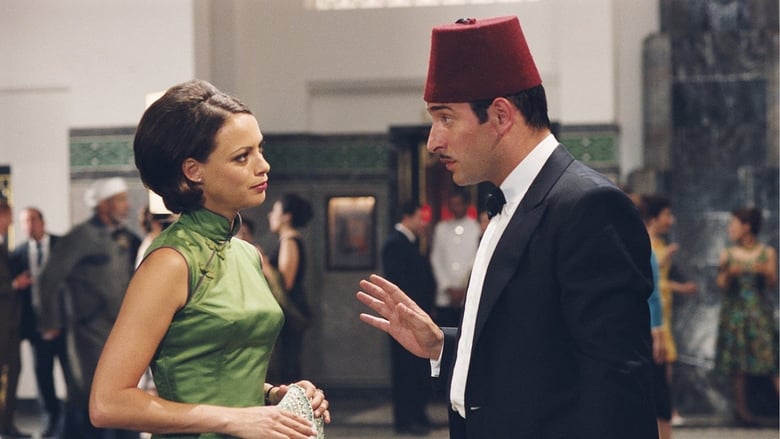
OSS 117: Cairo, Nest of Spies
2006
-

The Artist
2011
-

Smokin' Aces
2006
-
Shoot 'Em Up
2007
-

The Guard
2011
-
Taxi 2
2000
-

Rumble in the Bronx
1995
-
Bandidas
2006
-
Blue Streak
1999
-

Kung Fu Hustle
2004
-

Hot Fuzz
2007
-

Pineapple Express
2008
-
Johnny English Reborn
2011
-

21 Jump Street
2012
-

The Family
2013
-

The Heat
2013
-

Taxi
1998
-

RED
2010
-

The A-Team
2010
-
2 Guns
2013