Pandorum
"Fear the waking. Fear the dark. Fear the truth."
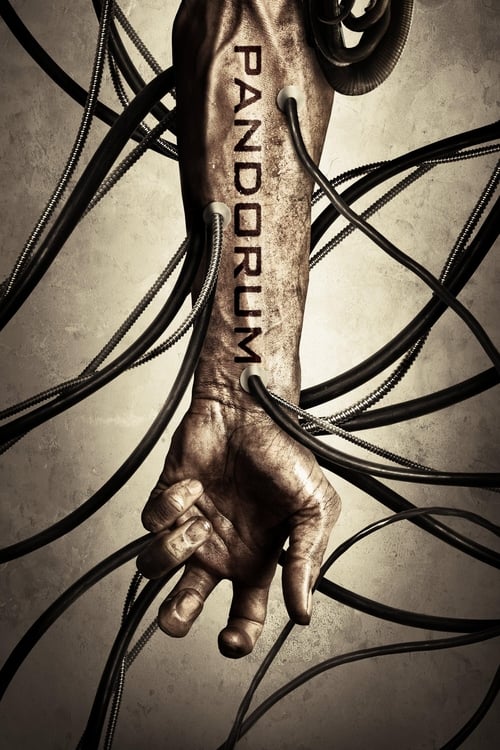
There is a specific kind of metallic dread that only mid-budget 2000s sci-fi can provide. It’s that grimy, industrial, blue-tinted aesthetic where every surface looks like it’s covered in a thin layer of motor oil and despair. I rewatched Pandorum the other night while nursing a lukewarm ginger ale on my couch, and I realized that while it was a total box-office disaster in 2009, it’s actually the exact kind of "half-forgotten oddity" that deserves a second look. It’s a movie that tries to do about five different things at once, and against all logic, it manages to land at least four of them.
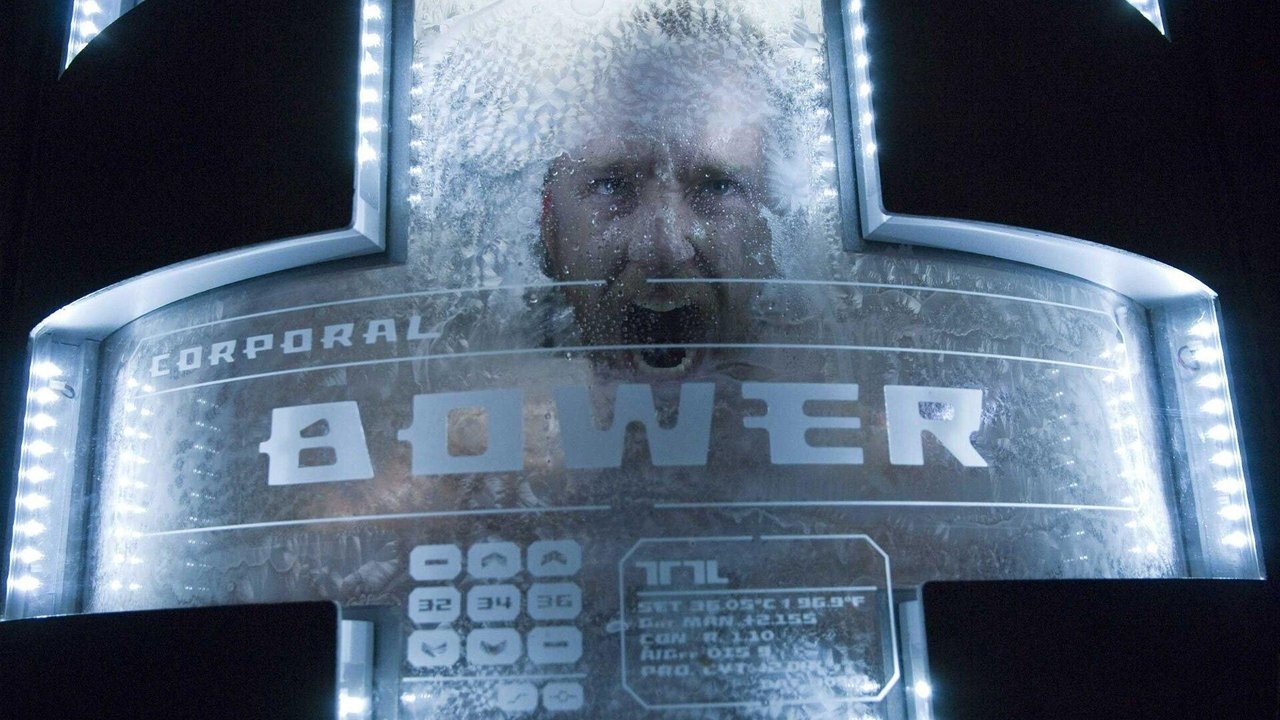
Waking Up in a Tin Can
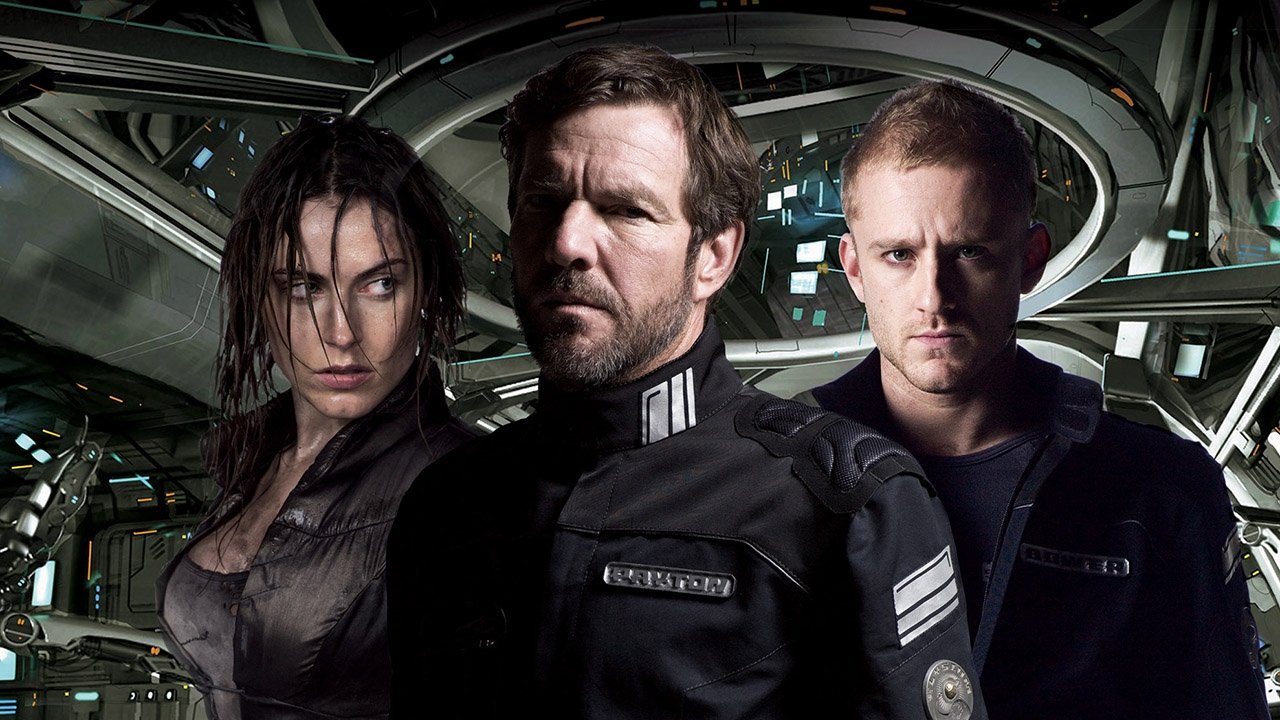
The setup is pure nightmare fuel. Two crew members, played by Ben Foster and Dennis Quaid, wake up from hyper-sleep on a massive colony ship called the Elysium. The power is flickering, the doors are jammed, and they have "orbital dysfunction"—a fancy sci-fi term for amnesia caused by being on ice too long. Ben Foster spends the first twenty minutes crawling through air ducts in his underwear, and honestly, no one does "unhinged desperation" quite like him.
The movie quickly establishes its stakes: the ship is failing, the mission (to colonize a distant planet because Earth is toast) is a mystery, and there’s something else on board. Christian Alvart, the director, leans heavily into the claustrophobia. The cinematography by Wedigo von Schultzendorff (who also shot Deadly Maria) uses shadows not just to hide the budget, but to make the ship feel like a living, breathing graveyard. I found myself checking the locks on my own front door twice during the first act—that's the mark of a horror film doing its job.
The Descent in Deep Space
Once the amnesia fog lifts, the movie shifts gears from psychological thriller into a full-blown creature feature. We meet Antje Traue as a survivalist scientist and Cung Le as a silent warrior who probably didn't get enough lines but definitely got enough fight choreography. They’re being hunted by "Hunters"—pale, twitchy mutants that look like they wandered off the set of The Descent and took a wrong turn at Jupiter.
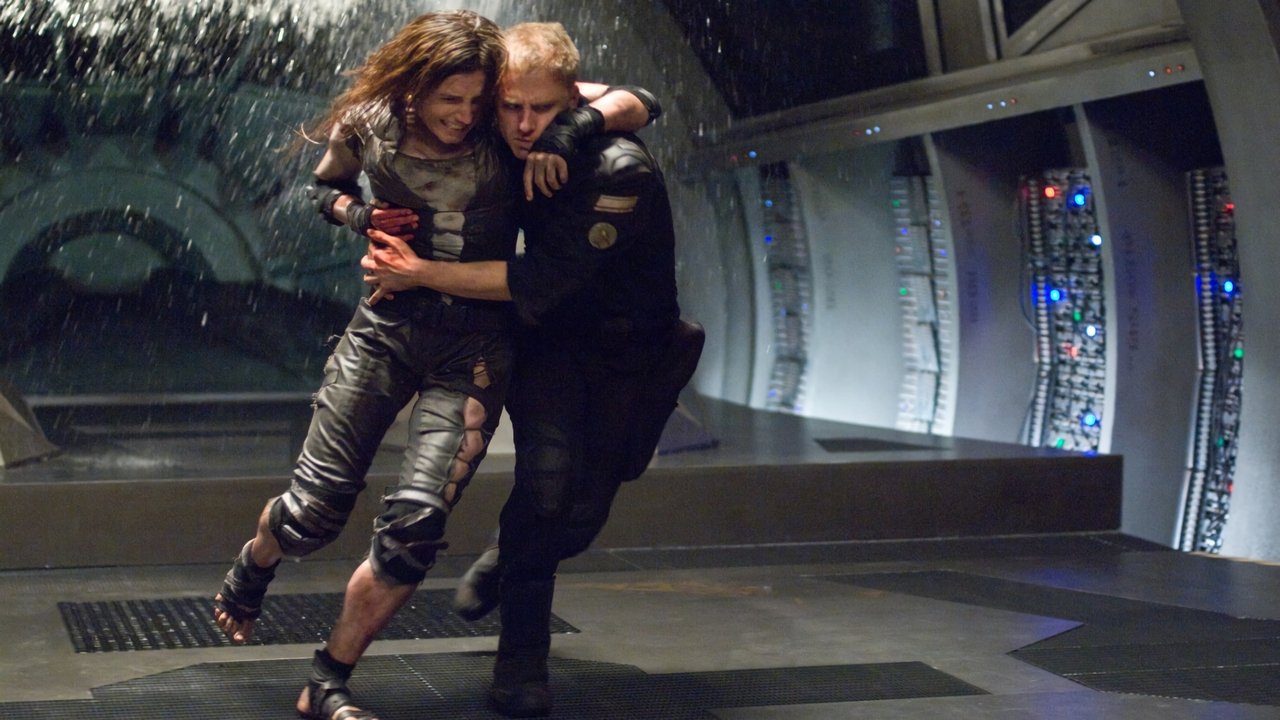
I’ve always been a sucker for practical effects, and Pandorum delivers. The creatures were played by actual contortionists, which gives their movements a jagged, unsettling reality that CGI rarely captures. The marketing department sold this as a generic space slasher when it was actually a high-concept existential nightmare, and that’s probably why it bombed. People wanted Resident Evil in space (producer Paul W.S. Anderson’s fingerprints are all over this), but they got something much weirder and more ambitious.
The Madness of the Deep
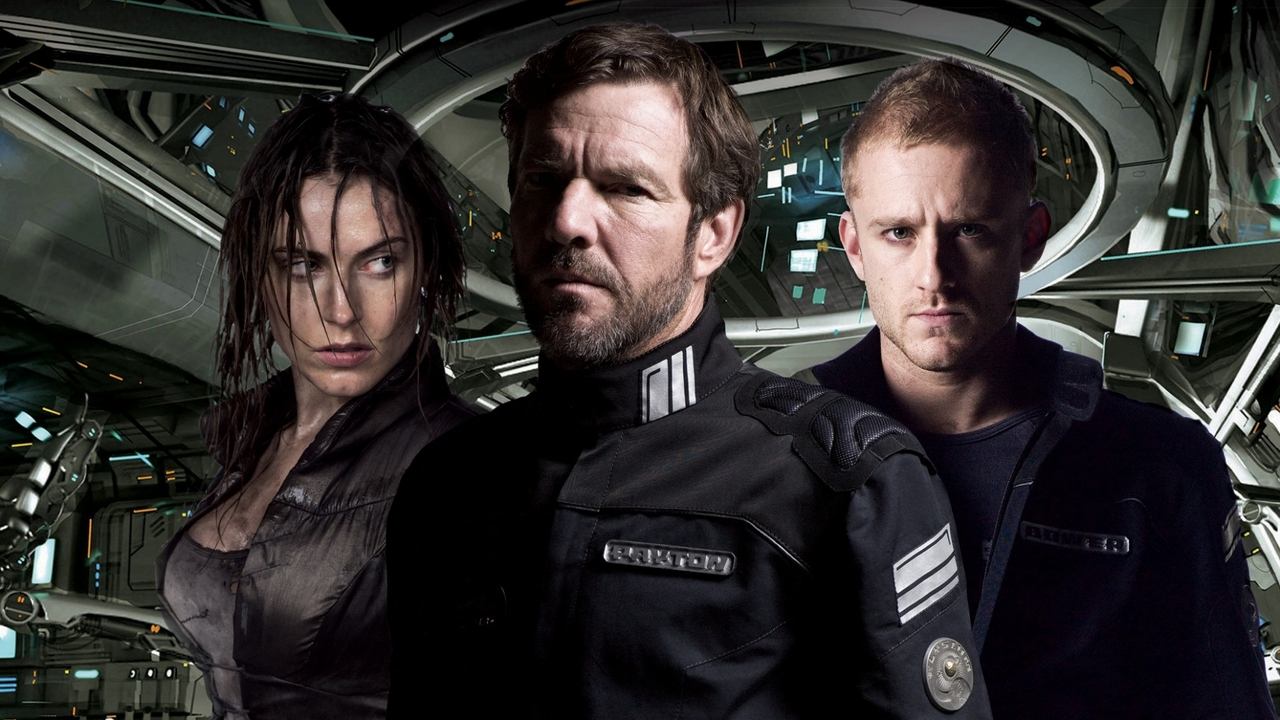
The titular "Pandorum" is a psychological condition—a space-madness that causes hallucinations and psychotic breaks. This adds a layer of "who can we trust?" to the Dennis Quaid and Cam Gigandet scenes back on the bridge. Dennis Quaid spends half the movie looking like he’s trying to remember where he parked his car in a galactic-sized parking garage, but his slow descent into paranoia is actually one of his more underrated performances.
What’s fascinating looking back from 2024 is how the film handles its "big reveal." Without spoiling it, the twist at the end of Pandorum is one of the most satisfying "gut-punches" in modern sci-fi. It changes the context of everything you’ve just watched. It’s the kind of ending that makes you want to immediately restart the movie to see the clues you missed. Apparently, the production was a bit of a whirlwind; the ship sets were built in a massive, disused power plant in Berlin (Studio Babelsberg), and you can feel that cold, German industrialism in every frame.
Turns out, Ben Foster was so committed to the role that he insisted on eating real insects during one of the survival scenes, which is just peak Foster. Also, the film was originally intended to be the start of a trilogy, which explains why the world-building feels so dense. We never got those sequels because the movie barely made back two-thirds of its budget, but in the era of DVD culture, it found a massive second life. It’s a quintessential "rental" movie—the kind you’d pick up at a Blockbuster because the cover looked cool, only to be genuinely shocked that it was actually good.
If you can get past some of the late-2000s "shaky cam" during the action sequences, there’s a really smart, bleak story here about the end of the world and what we become when the lights go out. It’s grimy, it’s loud, and it has an ending that actually feels earned rather than tacked on. It’s the perfect flick for a rainy Tuesday when you want your sci-fi with a side of existential dread.
Keep Exploring...
-

Case 39
2009
-

World War Z
2013
-
The 6th Day
2000
-
The Maze Runner
2014
-
Sky Captain and the World of Tomorrow
2004
-

The Invasion
2007
-
Carriers
2009
-

Knowing
2009
-

Time Lapse
2014
-
Resident Evil: Apocalypse
2004
-

House of Wax
2005
-

Serenity
2005
-

The Skeleton Key
2005
-

Planet Terror
2007
-

The Mist
2007
-
Death Race
2008
-
9
2009
-
Devil
2010
-

The Crazies
2010
-
The Thing
2011