Planet 51
"The alien is the one wearing the spacesuit."
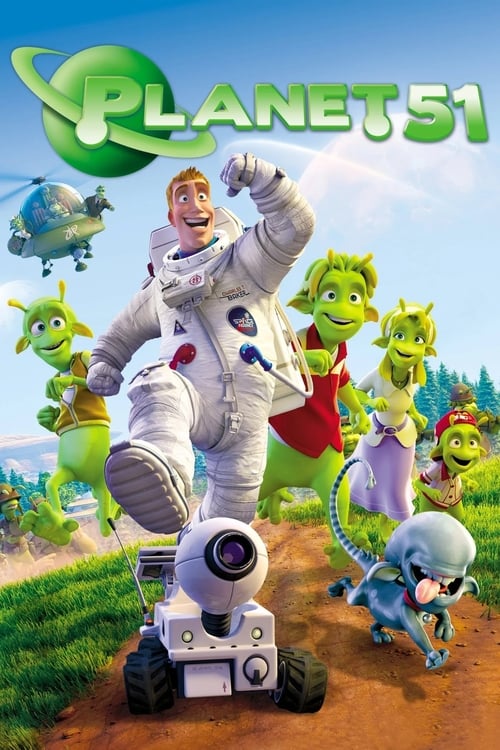
Picture a world of white picket fences, floating Cadillacs, and neighbors who treat "non-conformity" like a contagious rash. It is the quintessential 1950s American dream, except the grass is a shade of neon chartreuse and everyone has four fingers and a distinct lack of nostrils. This is the world of Planet 51, a film that flips the script on the classic "Mars Attacks" trope by making the terrifying, bug-eyed invader none other than a swaggering American astronaut.
When I first sat down to revisit this one—while nursing a lukewarm mug of peppermint tea that had definitely been steeping for too long—I was struck by how much it feels like a time capsule of the late-2000s animation boom. Released in 2009, it arrived right at the tail end of the era when every studio on Earth was trying to crack the "DreamWorks Formula": take a high-concept premise, douse it in pop-culture references, and hire the biggest voices money can buy.
The 1950s Through a Green Lens
What makes Planet 51 genuinely charming, rather than just another Shrek clone, is its commitment to its "Reverse Roswell" aesthetic. The world-building here is top-tier for a mid-tier movie. The screenwriter, Joe Stillman (who co-wrote Shrek and Shrek 2), leans heavily into the paranoia of the Cold War era. On Planet 51, the local cinema plays movies like Humaniacs II, depicting terrifying bipedal monsters who "probe" innocent aliens.
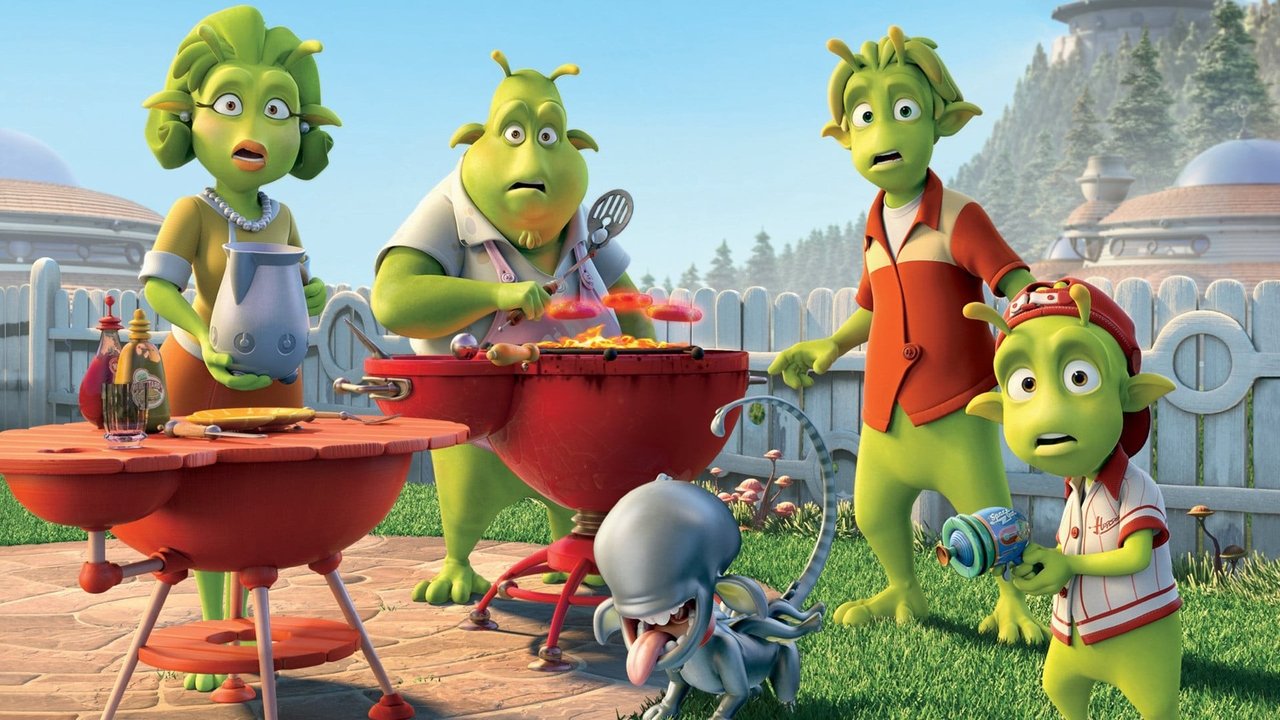
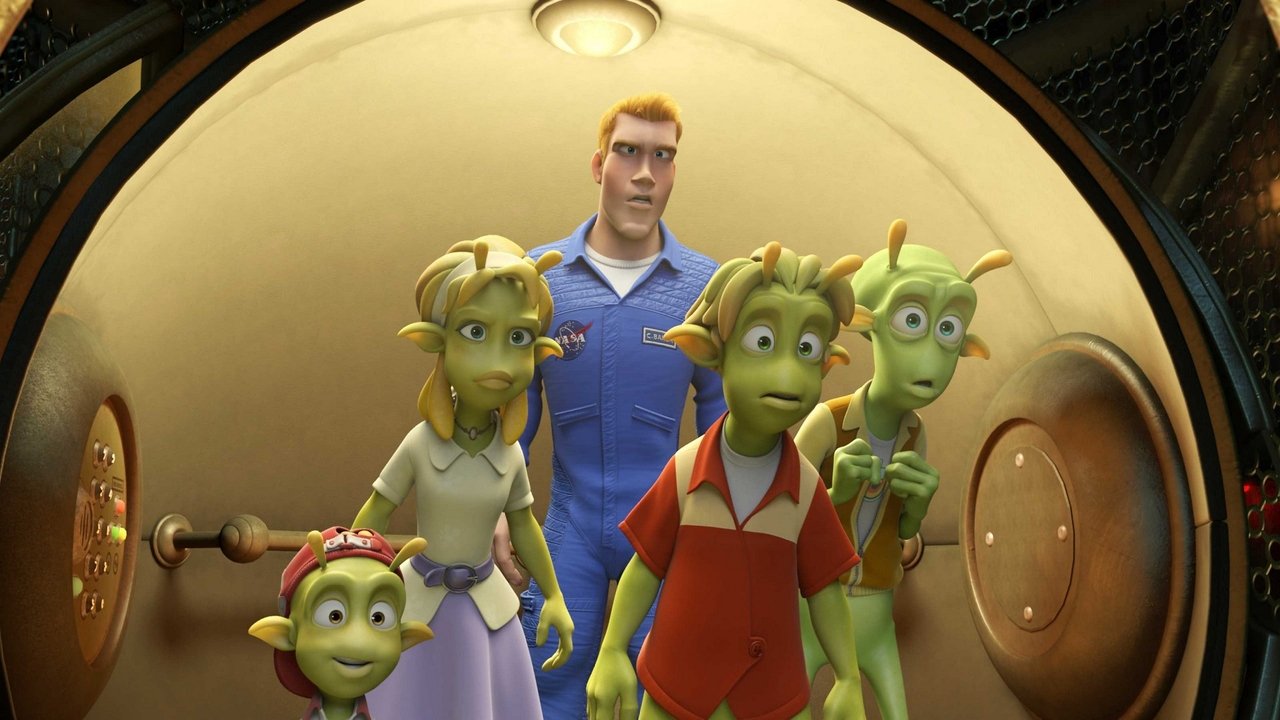
The protagonist, Lem (Justin Long, doing his best "earnest teen" voice), is a nerdy kid who just wants to land a job at the local observatory and a date with the girl next door (Jessica Biel). His world is shattered when Capt. Chuck Baker (Dwayne Johnson) lands his lunar module right in the middle of a backyard barbecue. To the locals, Chuck isn't a hero; he's a "brain-eating alien from the 13th Dimension."
I’ve always found it amusing to watch Dwayne Johnson in this specific period of his career. This was "The Rock" in transition—before he became the undisputed King of the Franchise. He was still playing around with his persona, and in Chuck, he provides a pitch-perfect parody of the hyper-masculine, slightly dim-witted hero. It’s a performance that proves Johnson was always better at self-deprecation than the industry gave him credit for back then.
A Spanish Gamble in a Hollywood World
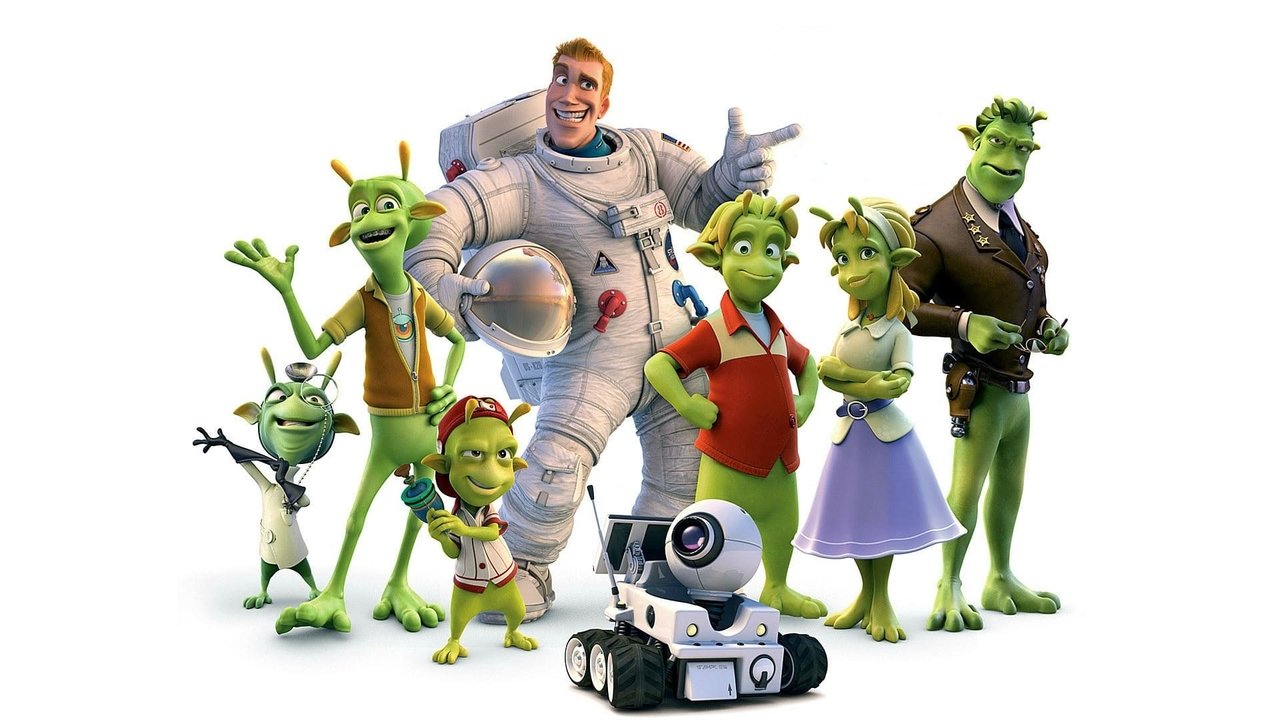
Looking back at the production, Planet 51 was a massive swing for the fences. It was produced by Ilion Animation Studios, based in Madrid, with a budget of roughly $70 million. At the time, this was the most expensive film ever produced in Spain. You can see every cent of that budget on the screen. While the character designs for the humans—I mean, aliens—are a bit "rubberized," the environment is lush and detailed.
The CGI represents that 2009 sweet spot where lighting and textures were becoming sophisticated enough to feel "cinematic," but before the industry moved toward the hyper-realism of today. There’s a wonderful glow to the planet’s atmosphere that feels like a Technicolor postcard. However, it’s impossible to ignore the "era-isms" that have aged like milk. The movie’s insistence on including a dog-creature that urinates acid is the most inspired piece of 'Alien' satire since 'Spaceballs,' but it also feels like a mandatory check-box for 2000s-era toilet humor.
The film also serves as a reminder of the "DVD Culture" peak. I remember the special features on the disc being more extensive than the movie itself, featuring a "Life on Planet 51" featurette that tried to expand the lore. It was a time when studios were desperately trying to build franchises out of everything, hoping a strong home-video run would justify a sequel that never came.
The Cult of the Underdog
While Planet 51 didn’t set the box office on fire—it was somewhat crushed between the gears of New Moon and Disney's A Christmas Carol—it has found a loyal, quiet following on streaming and cable. It’s a "cult classic" in the sense that it’s the movie many 20-somethings today remember watching on repeat during rainy afternoons.

The supporting cast is where the real fun lies. Gary Oldman (not long after his turn as Sirius Black in Harry Potter) voices General Grawl with a manic, scenery-chewing intensity that is a joy to behold. Then you have John Cleese as Professor Kipple, a scientist who wants to dissect Chuck’s brain. The interaction between these veteran actors provides a level of wit that keeps the adults in the room engaged while the kids laugh at the slapstick.
One of the coolest details I’ve uncovered about the production is that the team actually visited NASA to get the "human" tech right, contrasting it with the 1950s-inspired "alien" tech. It creates a visual friction that actually helps the story. Chuck’s NASA gear looks clunky and utilitarian against the sleek, bubble-shaped architecture of Planet 51. It’s a thoughtful touch in a movie that could have easily just been a series of fart jokes.
Planet 51 isn't going to redefine the genre, and it doesn't have the emotional gut-punch of a Pixar masterpiece, but it’s a bright, breezy, and surprisingly smart satire of mid-century paranoia. It’s the kind of film that reminds me of why I love the "B-tier" of animation—the movies that are willing to take a weird premise and just run with it. If you’re looking for a nostalgic trip back to the dawn of the 2010s, or if you just want to see Dwayne Johnson talk to a robotic rover that acts like a golden retriever, it's well worth ninety minutes of your time. Just make sure your tea isn't as cold as mine was by the time the credits roll.

Keep Exploring...
-

Mr. Peabody & Sherman
2014
-

Meet the Robinsons
2007
-

Flushed Away
2006
-

Open Season
2006
-

Bee Movie
2007
-

Bolt
2008
-
Cars 2
2011
-

Penguins of Madagascar
2014
-
Osmosis Jones
2001
-

The Lion King 1½
2004
-

Journey to the Center of the Earth
2008
-

Jimmy Neutron: Boy Genius
2001
-

Ice Age: The Meltdown
2006
-
Shrek the Third
2007
-

Ice Age: Dawn of the Dinosaurs
2009
-
Ice Age: Continental Drift
2012
-

Planes
2013
-

Antz
1998
-

Valiant
2005
-
Robots
2005