Precious
"Finding the light when the world goes dark."
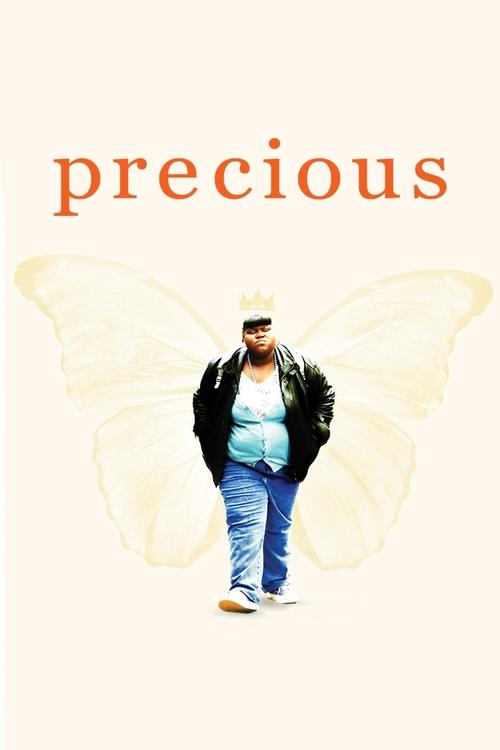
I remember exactly where I was when the buzz for Precious started deafening everyone in the indie circuit. It was 2009, and I was sitting in a cramped apartment, eating a lukewarm slice of pepperoni pizza that had started to congeal, watching a grainy trailer on a laptop with a cooling fan that sounded like a jet engine. At the time, we were right in the thick of that post-Sundance glow where "gritty realism" was becoming the new prestige currency. But nothing—absolutely nothing—prepared me for the emotional freight train that is Gabourey Sidibe.
The Monster in the Living Room
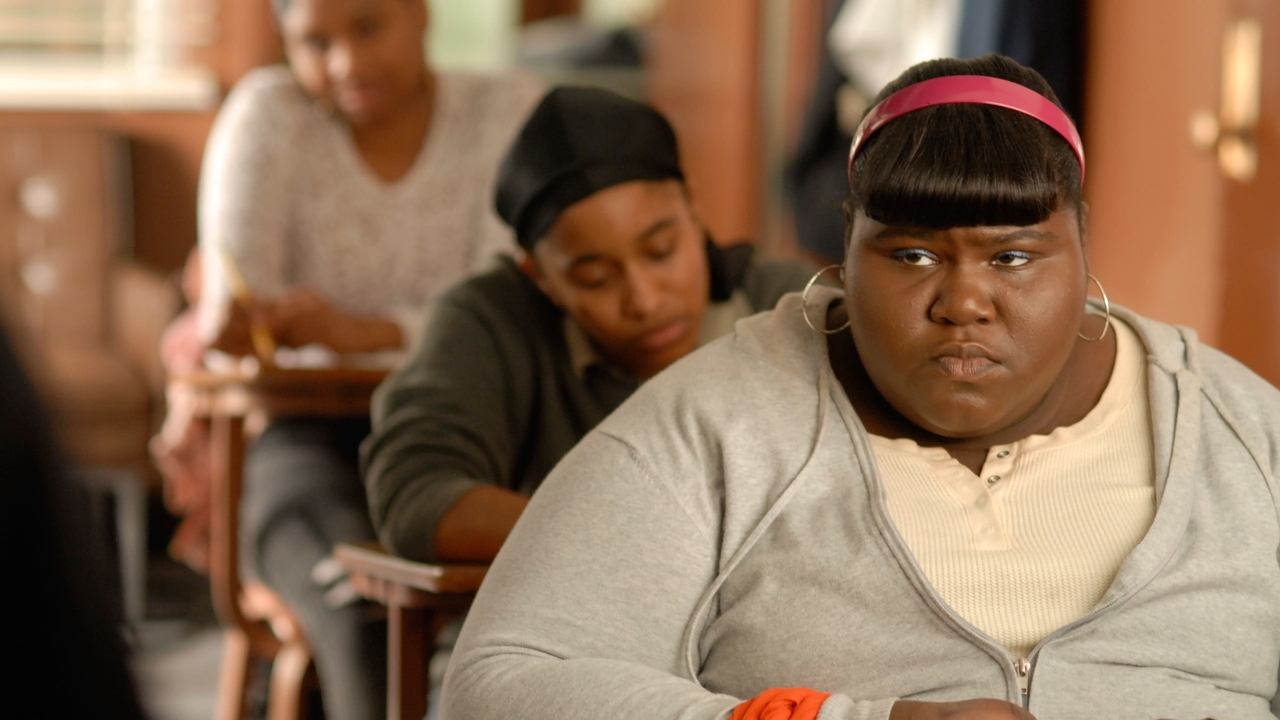
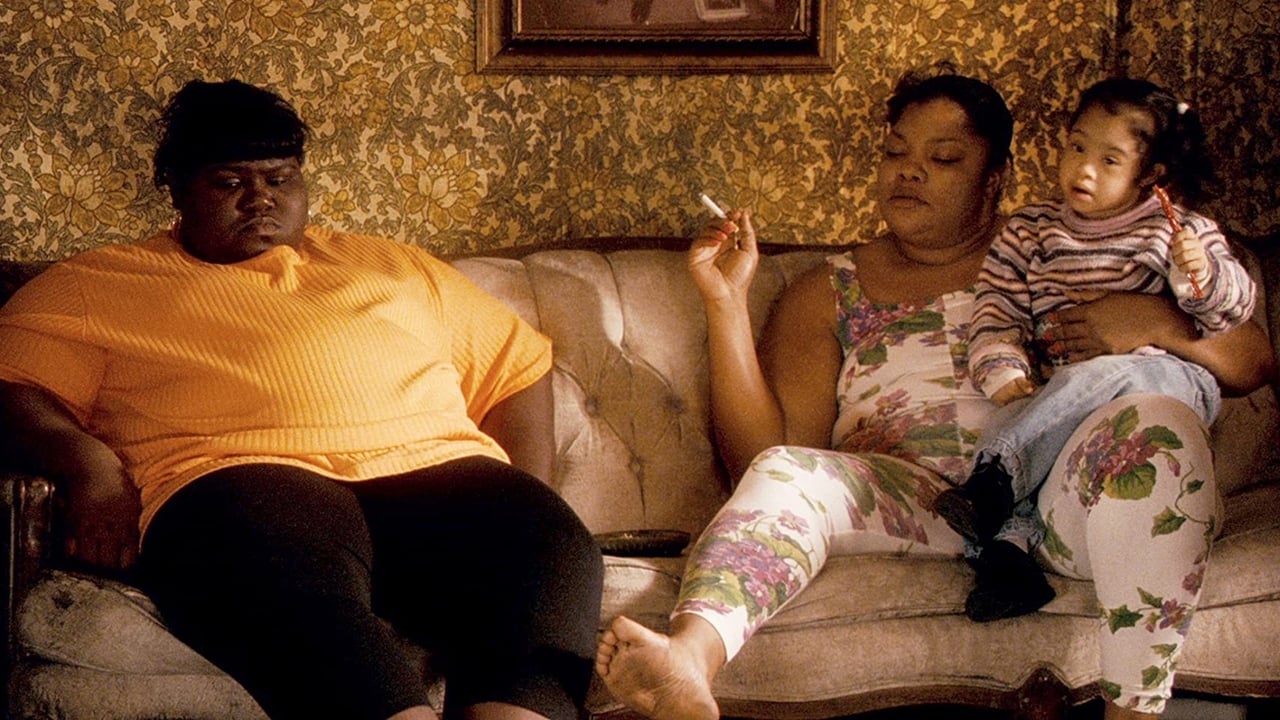
Precious (or, as the long-suffering posters had to clarify, Precious: Based on the Novel 'Push' by Sapphire, to avoid confusion with that Chris Evans telekinesis flick) is a tough watch. There’s no point in sugarcoating it. Set in 1987 Harlem, it follows Claireece “Precious” Jones, a teenager who is pregnant with her second child by her own father and living in a state of constant psychological warfare with her mother.
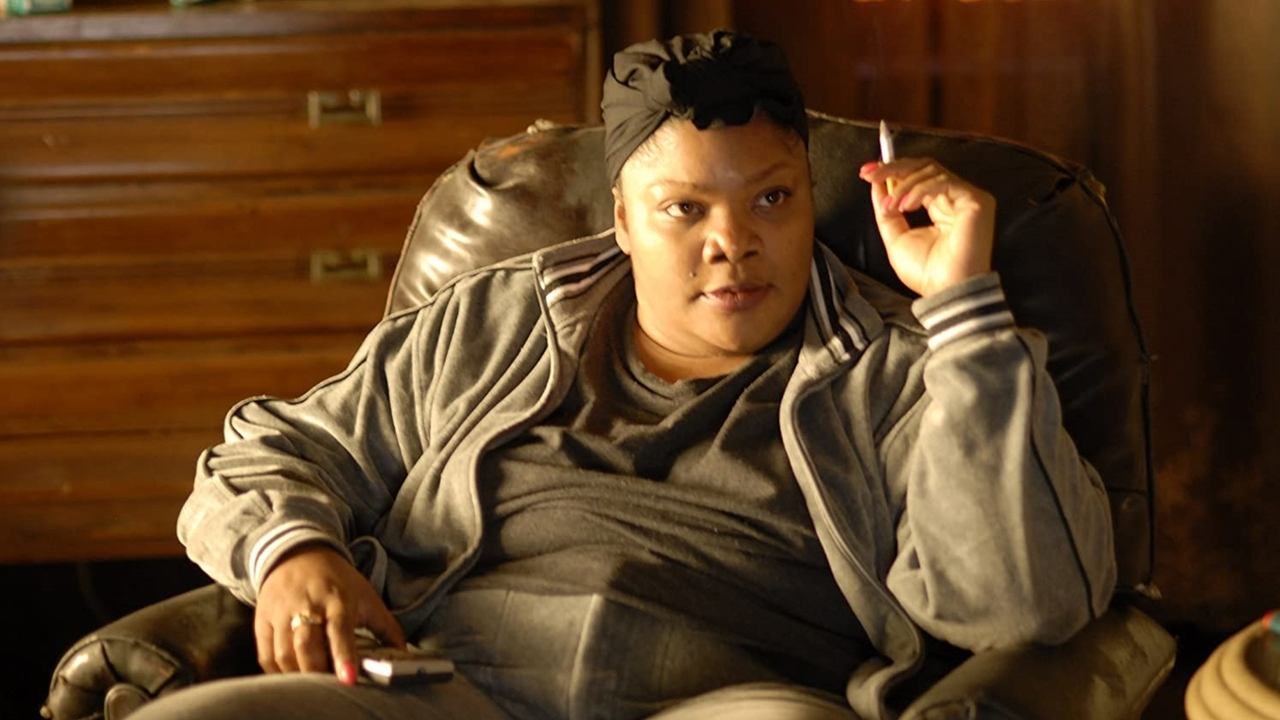
If you only know Mo’Nique from her stand-up or her "Queen of Comedy" days, her performance as Mary Jones will haunt your nightmares. She doesn’t just play a villain; she plays a woman so hollowed out by her own trauma that she has become a black hole, sucking the light out of her daughter’s life. When she’s on screen, the air feels heavy. I honestly found myself holding my breath during the kitchen scenes, half-convinced she could see me through the screen. It’s one of those rare instances where an actor completely obliterates their public persona to become something primal and terrifying.
Glamour Stripped Bare
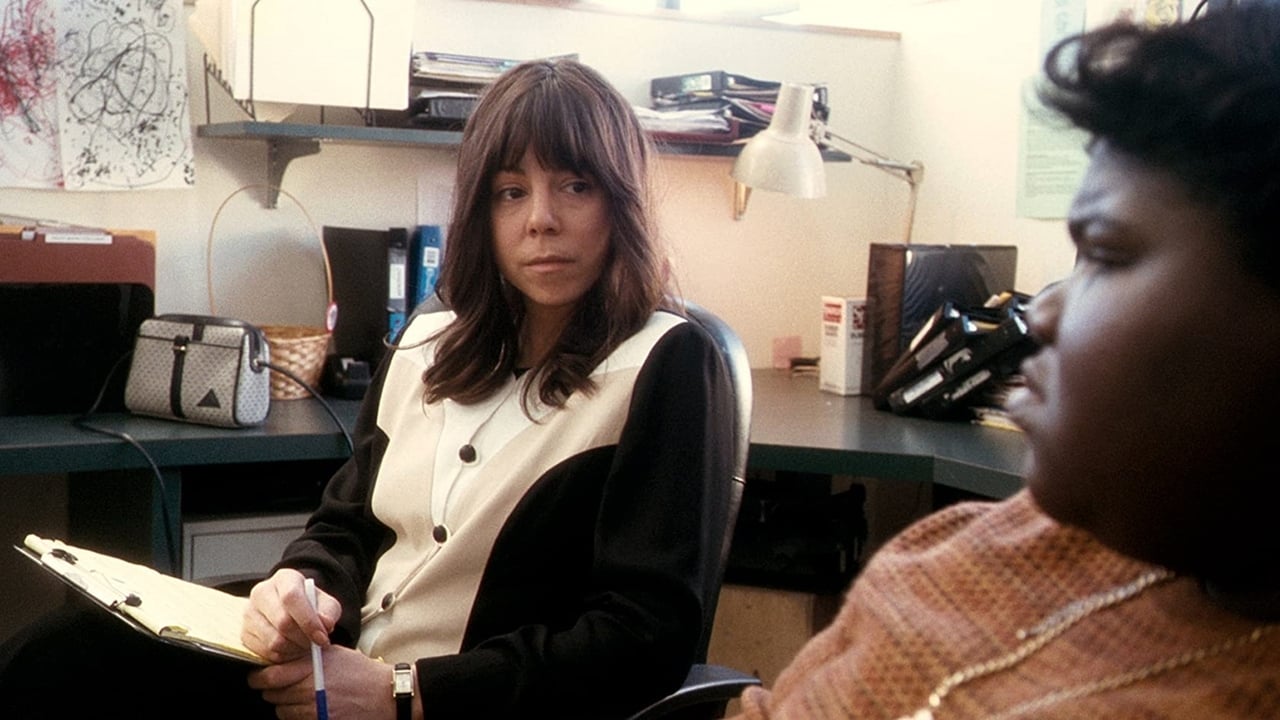
One of the most fascinating aspects of this film’s production was the "de-glam" factor. This was a huge trend in the late 2000s—think Charlize Theron in Monster—but Lee Daniels took it to a different level. He cast Mariah Carey as a dowdy, overworked social worker and Lenny Kravitz as a nurse. Seeing Mariah Carey—the woman who practically invented the "Diva" archetype of the 2000s—appearing on screen without a stitch of makeup, under harsh fluorescent lighting with a faint mustache, was a cultural reset.
It wasn't just a gimmick, though. She’s actually good. She provides the much-needed friction against the chaos of Precious’s home life. Behind the scenes, the role of Ms. Weiss was originally intended for Helen Mirren, but when she had to drop out, Carey stepped in. Looking back, Mirren would have been "prestige," but Carey was "real." It felt like the film was reaching out of its 1980s setting to grab the icons of 2009 and strip them of their armor.
The Surrealism of Survival
What I love about Lee Daniels' direction here—and what often gets overlooked in favor of the "misery porn" critiques—is the surrealism. Andrew Dunn’s cinematography oscillates between the suffocating, brown-tinted reality of the Jones apartment and the vibrant, over-saturated fantasy world inside Precious's head. Whenever the world becomes too much, Precious imagines herself on a red carpet, or in a music video, or being loved.
These sequences are the film's heartbeat. Without them, it would be unbearable. With them, it becomes a study of the human imagination as a survival tool. It’s a very "indie" move of that era—using digital flourishes and experimental editing to represent internal states—and it holds up remarkably well. It reminds me of the way Trainspotting used surrealism to tackle addiction; it gives the audience a way to process the unprocessable.
A Legacy of Loud Voices
The film was a massive financial success, raking in nearly $48 million on a $10 million budget. In the transition era from physical media to digital, I remember the DVD being a staple in every "serious" film fan's collection. It was the kind of movie that felt like a litmus test: if you could handle Precious, you were a real cinephile.
But beyond the "toughness," the film’s real legacy is Gabourey Sidibe. She was a college student who went to an open casting call on a whim, and she carries the weight of the world on her shoulders with a quiet, observant grace. While Mo’Nique provides the explosions, Sidibe provides the soul. Watching her learn to read is more thrilling than any CGI explosion I saw that summer. It’s a performance that demands empathy without ever begging for it.
Precious is a masterpiece of the "Difficult Cinema" subgenre, a film that used the indie boom of the late 2000s to tell a story that had been systematically ignored by Hollywood for decades. It’s brutal, yes, but it’s also deeply invested in the idea that literacy and self-expression are the ultimate forms of liberation. It’s the kind of movie that stays with you long after the credits roll, making you look at the world a little more closely and a little more kindly. Just maybe don't watch it while eating pizza—you might forget to chew.
Keep Exploring...
-
The Butler
2013
-

Disconnect
2013
-
Broken Flowers
2005
-

Casanova
2005
-
Good Night, and Good Luck.
2005
-
The Devil's Rejects
2005
-
The Jacket
2005
-

The New World
2005
-
The Sisterhood of the Traveling Pants
2005
-
Alpha Dog
2006
-

Black Snake Moan
2006
-
Gridiron Gang
2006
-

Inland Empire
2006
-
Invincible
2006
-

Little Children
2006
-

The Fall
2006
-
Undisputed II: Last Man Standing
2006
-

United 93
2006
-

Across the Universe
2007
-

Becoming Jane
2007