Princess Protection Program
"Where the tiara meets the tackle box."
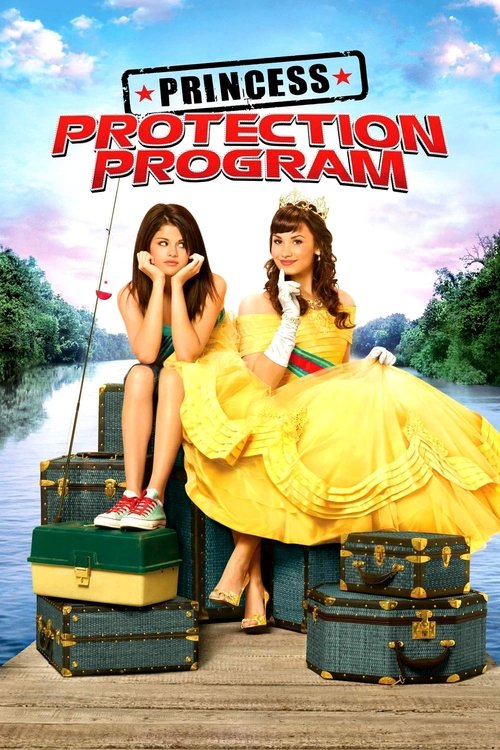
In the summer of 2009, the Disney Channel wasn't just a television network; it was a sovereign state with its own currency (stickers), its own language (extreme sarcasm), and a pair of queens who ruled the airwaves with an iron grip and flat-ironed hair. If you were within ten miles of a tween at the time, you couldn't escape the promotional blitz for Princess Protection Program. It was the "Event Cinema" of the middle-school set, a technicolor collision of two rising starlets that promised to define a generation of sleepovers. Looking back at it now, through the lens of Popcornizer’s retrospective goggles, it’s a fascinating, sparkly time capsule of the exact moment the Disney Channel Original Movie (DCOM) formula reached its absolute, shimmering zenith.
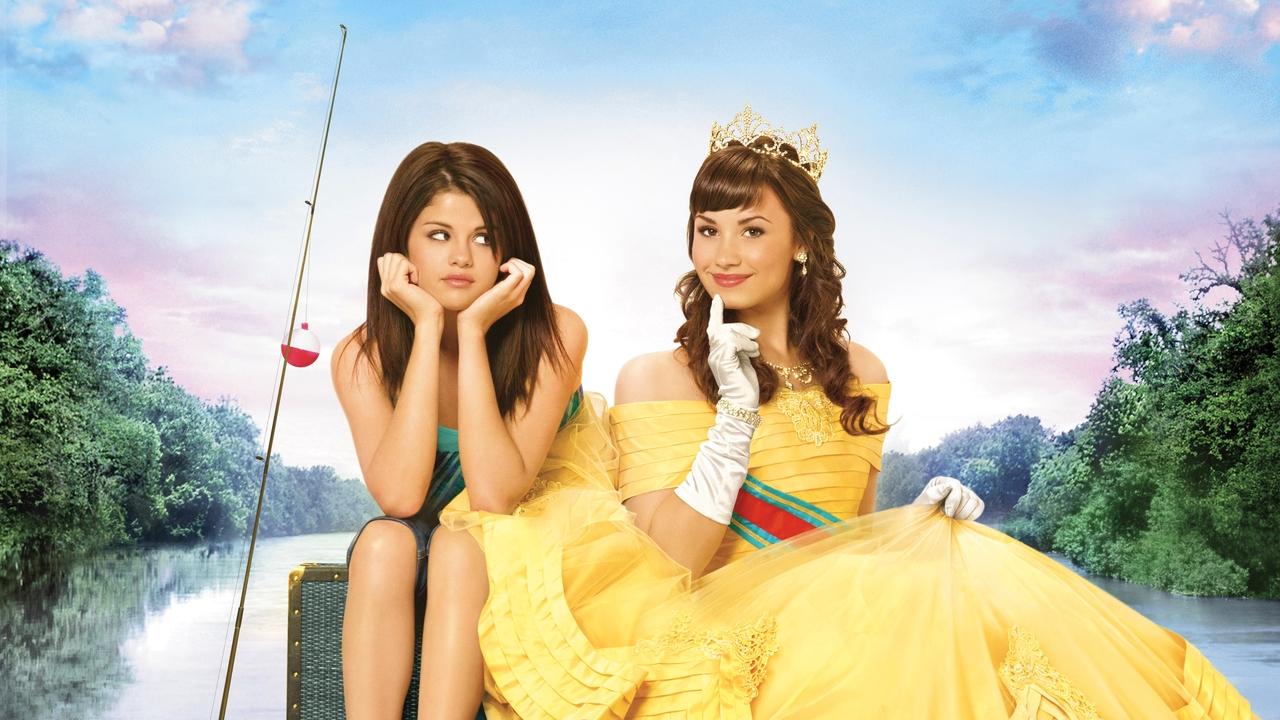
The Peak of the Mouse House Monopoly
I watched this recently on a Tuesday evening while nursing a lukewarm cup of chamomile tea, and the sheer 2009-ness of the opening frames nearly gave me whiplash. We are firmly in the era of the "Modern Cinema" transition—where digital cameras were starting to make TV movies look a little too crisp for their own good, yet the scripts remained stubbornly rooted in the earnest, high-concept fluff of the 90s.
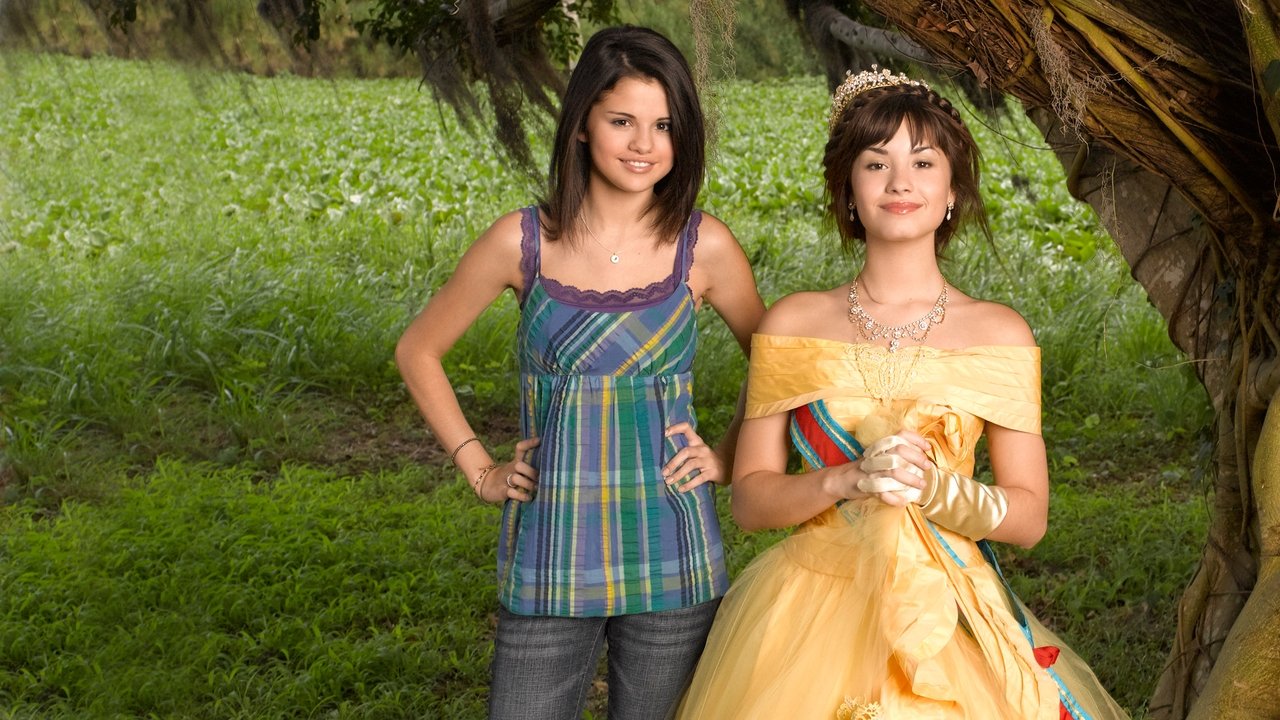
The premise is pure wish-fulfillment: Rosalinda María Montoya Fioré (Demi Lovato), a princess from the fictional nation of Costa Luna, is whisked away by a secret agency after a dictator invades her country during her coronation rehearsal. She’s stashed in rural Louisiana under the care of a covert agent (Tom Verica) and his daughter, Carter Mason (Selena Gomez). What follows is the classic "fish out of water" trope, but with a double-sided edge. It’s not just the princess learning to eat cheeseburgers; it’s the tomboyish Carter learning that maybe, just maybe, wearing a dress isn't a moral failure.
Royalty in the Bayou (or a Reasonable Facsimile)
While the film claims to be set in Louisiana, it was actually shot in Puerto Rico, and you can tell. The light has that Caribbean gold to it that doesn't quite match the swampy humidity of the American South. However, director Allison Liddi-Brown (who navigated the teen-drama waters of The Sisterhood of the Traveling Pants series) handles the pacing with a briskness that prevents the sugar from becoming too cloying.
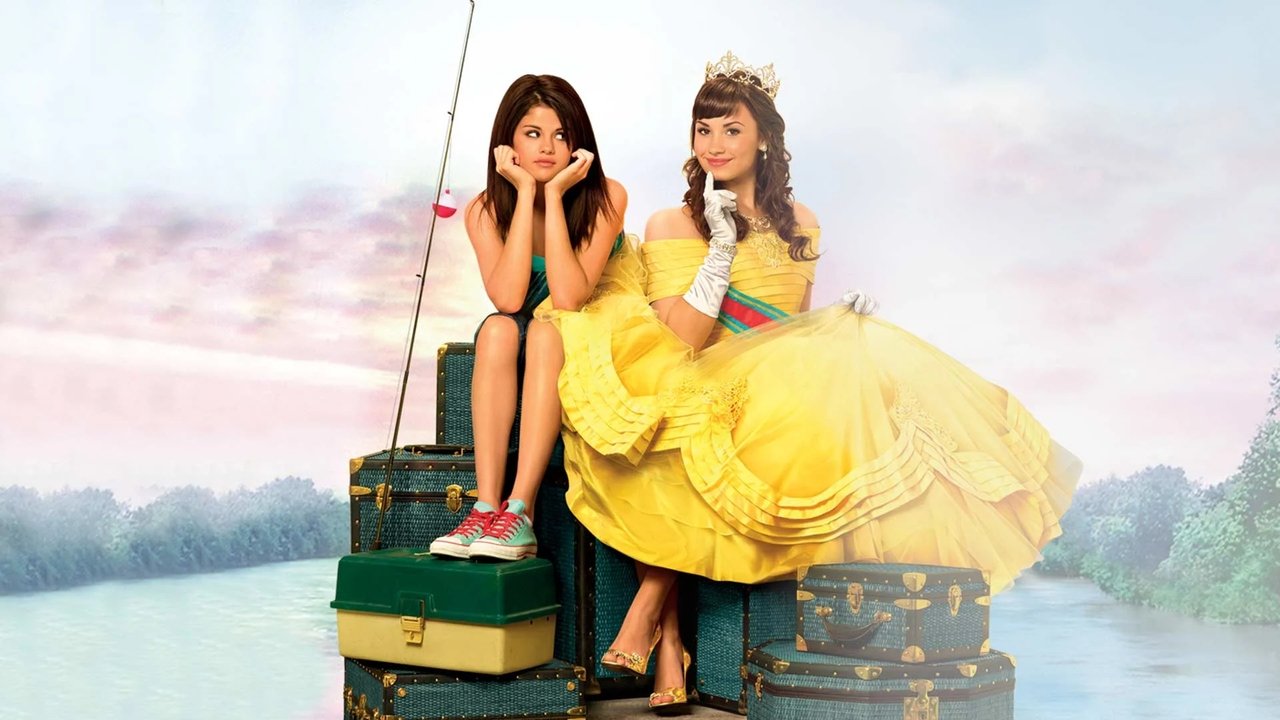
The "drama" here is remarkably low-stakes for a movie involving a military coup, but that’s the DCOM charm. The real conflict isn't the invading dictator; it's the social hierarchy of a Louisiana high school. Our villain isn't a general with a tank; it's Brooke Angels (Samantha Droke), a girl whose primary weapon is a condescending hair-flip. There’s something almost quaint about a film where the biggest existential threat is losing the title of Homecoming Queen.
As for the performances, this was the ultimate showcase for the Demi and Selena friendship. Their chemistry feels authentic because, at the time, it was. Demi Lovato plays the princess with a wide-eyed sincerity that somehow makes the dialogue about "the inner light of royalty" feel less like a Hallmark card and more like a manifesto. Meanwhile, Selena Gomez does the heavy lifting as the audience surrogate. She’s the cynical one, the one who thinks the whole princess thing is a "crock." Seeing her transition from a girl who hides behind a camera to someone who commands a room provides the film’s only real emotional arc.
The Cousin Greg Origin Story
If you’re a fan of HBO’s Succession, seeing a young Nicholas Braun pop up as Ed, the awkward best friend, is a trip. Before he was stammering through corporate boardrooms as Cousin Greg, he was here, being the tall, lanky comic relief in a Disney movie. The guy has been playing the "lovable human giraffe" archetype for over a decade, and he’s remarkably consistent at it.

The film also benefits from a surprisingly solid script by Annie DeYoung. While it hits every predictable beat—the makeover montage, the "we’re not so different, you and I" moment, the final triumphant walk down a school hallway—the dialogue has enough bite to keep it from being total mush. It captures that specific post-9/11 Disney anxiety where even children’s stories needed a "Protection Program" to feel grounded, yet it balances that with the escapism of a pre-social-media world.
Looking back, Princess Protection Program feels like a "forgotten" gem not because it's hard to find—it’s tucked away in the corners of streaming libraries—but because it belongs to a monoculture that no longer exists. This was released right as the DVD market was beginning to tank, and the "Disney Channel" brand was about to be fractured by the rise of YouTube and Netflix. It’s a movie that doesn't care about being a "modern classic." It just wanted to be the most important thing in a twelve-year-old’s life for exactly 89 minutes.
Ultimately, this is a film that functions best as a nostalgic "comfort watch" or a curious artifact of the late-aughts star-making machine. It’s a drama that treats the crowning of a Homecoming Queen with the gravity of a peace treaty, and it does so with a straight face and a pop-rock soundtrack. The "Princess" aesthetic here looks like a Claire's accessories store exploded in a suburban prom boutique, but there is a genuine heart underneath all that glitter. It’s a reminder of a time when the biggest problem in the world could be solved by a makeover and a very catchy duet over the end credits.

Keep Exploring...
-

Wizards of Waverly Place: The Movie
2009
-

Camp Rock
2008
-
First Daughter
2004
-

Ice Princess
2005
-

Lemonade Mouth
2011
-

The Odd Life of Timothy Green
2012
-
Teen Beach Movie
2013
-

High School Musical
2006
-

High School Musical 2
2007
-
We Bought a Zoo
2011
-
Just My Luck
2006
-
A Cinderella Story: Once Upon a Song
2011
-
The Wizards Return: Alex vs. Alex
2013
-
Annie
2014
-

Spanglish
2004
-
Are We There Yet?
2005
-
Casanova
2005
-
Kronk's New Groove
2005
-
Lilo & Stitch 2: Stitch Has a Glitch
2005
-

Sahara
2005