Public Enemies
"The digital ghost of a dead outlaw."
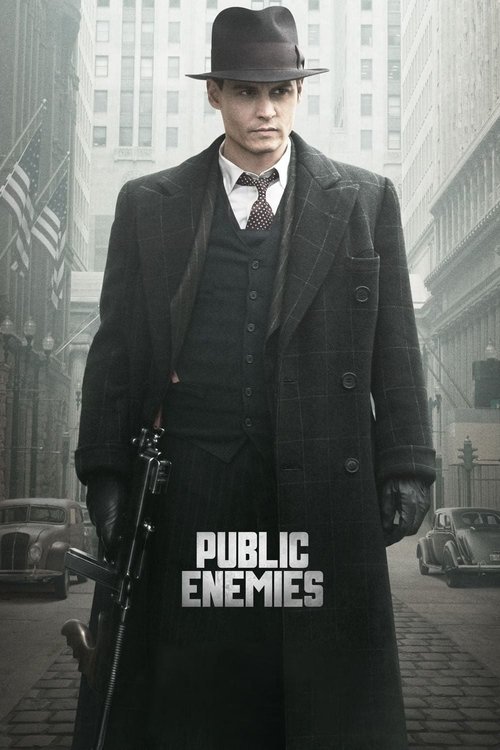
The shutter angle is all wrong. That is usually the first thing people notice—and often the first thing they complain about—when they sit down with Michael Mann’s 2009 gangster epic. In an era where period pieces were expected to look like amber-hued oil paintings (think the lushness of Road to Perdition), Mann decided to shoot the 1930s with the hyper-clear, jittery immediacy of a 2 a.m. news broadcast. It was a choice that baffled audiences at the time, but looking back from our current vantage point of digital dominance, it feels like a radical act of historical reclamation.
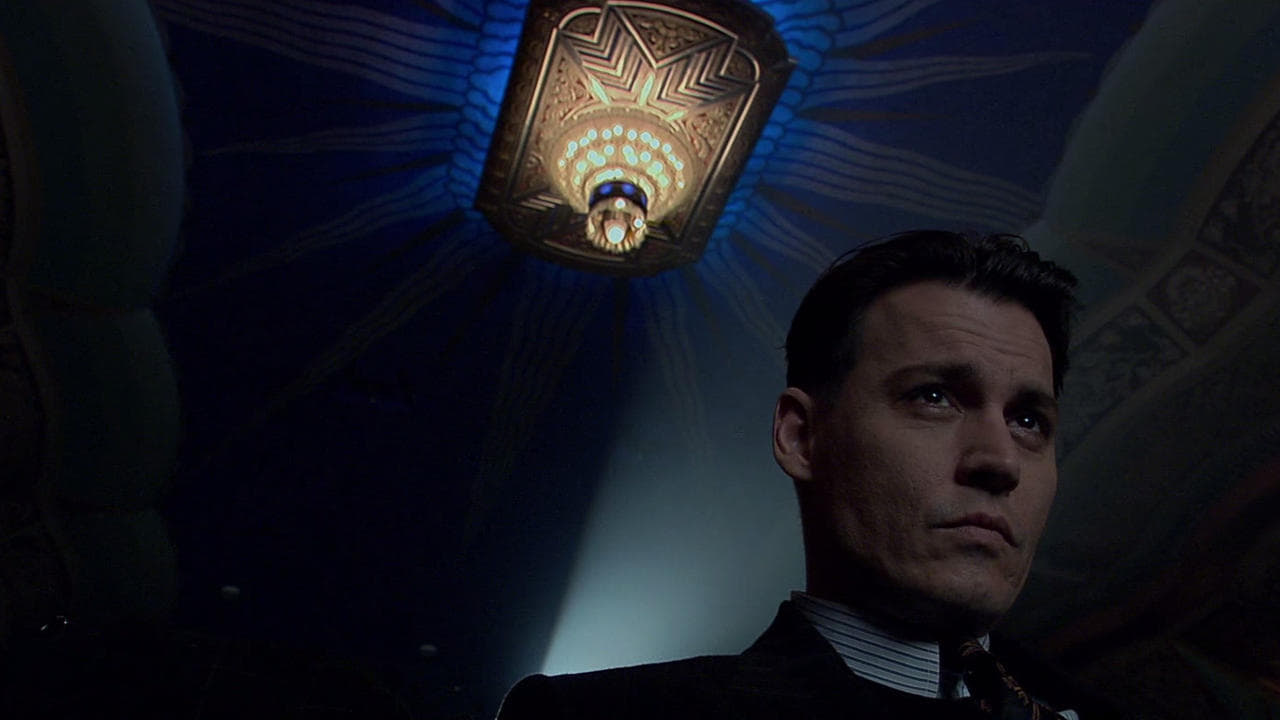
I was wearing a wool sweater that was slightly too itchy while watching this, which felt oddly appropriate for the scratchy, high-definition grit of Mann's Depression-era Midwest. The film doesn't want you to feel comfortable; it wants you to feel present.
A Texture That Teeth-Grinds
By 2009, the "Modern Cinema" transition from film to digital was in full swing, but most directors were using digital to mimic the look of 35mm film. Not Mann. Working with cinematographer Dante Spinotti (who previously gave us the sleek, celluloid shadows of L.A. Confidential), Mann leaned into the "video-ness" of the Sony F23. It’s a movie that looks like it was shot on a really expensive camcorder by a genius who forgot to turn on the "cinematic" filter.
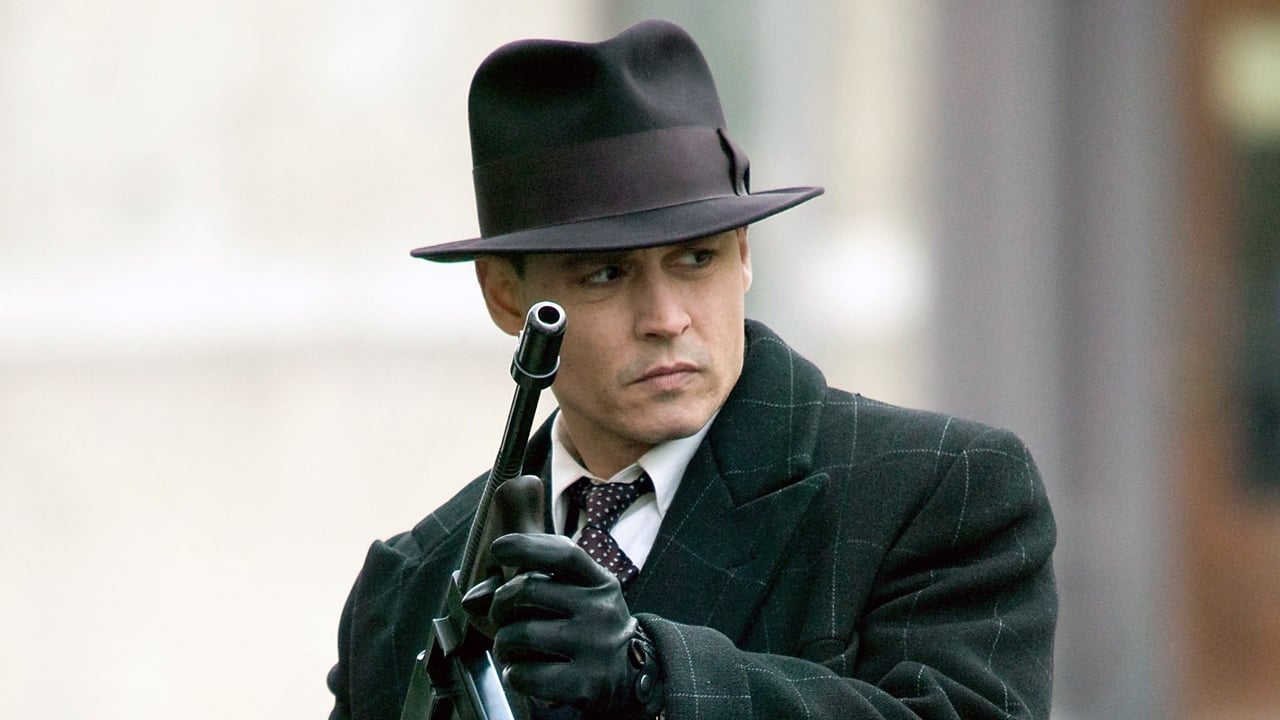
This isn't a flaw; it’s the point. When Johnny Depp as John Dillinger vaults over a bank counter, there’s no motion blur to soften the blow. You see the sweat on his upper lip and the specific, cheap weave of his suit. Mann wanted to strip away the "legend" and show us the man in real-time. This was the peak of the digital revolution’s experimental phase, where directors were still testing what the format could do that film couldn't. The result is a film that feels less like a costume drama and more like a high-stakes surveillance tape from eighty years ago.
The Stoic and the Star
Johnny Depp delivers what might be his last truly grounded performance before he fully retreated into the "scarf-and-funny-hat" school of acting. His Dillinger is a man who knows he’s on a clock. There’s a quiet, simmering desperation behind his charm, especially in his scenes with Marion Cotillard. As Billie Frechette, Cotillard provides the film’s only heartbeat. While the men are obsessed with codes of conduct and ballistic trajectories, she is the one dealing with the human wreckage of their "public enemy" lifestyle.
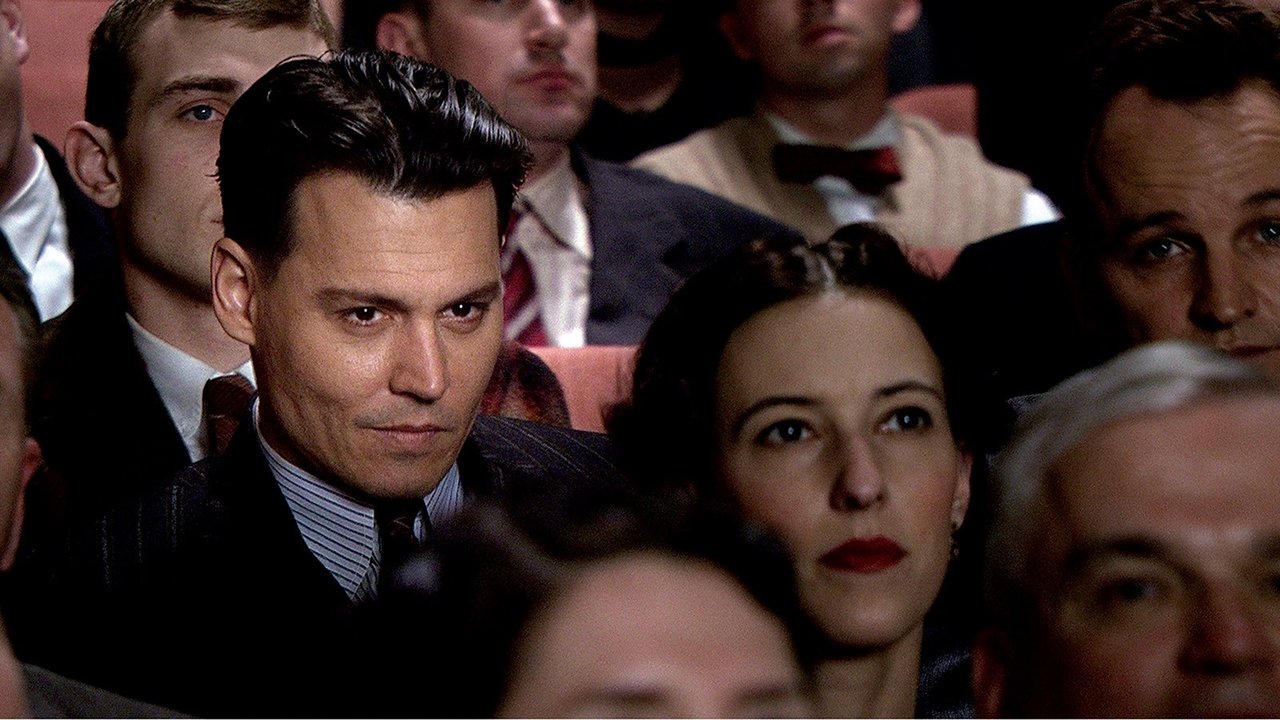
On the other side of the badge, we have Christian Bale as Melvin Purvis. Christian Bale plays Melvin Purvis with the emotional range of a very handsome brick, but again, that’s by design. Purvis is the face of the "New FBI"—corporate, cold, and relentlessly efficient. He represents the death of the romantic outlaw. The chemistry between Depp and Bale is non-existent because they barely share the screen, a callback to Mann’s legendary pairing of Pacino and De Niro in Heat (1995). Here, the conflict is philosophical: the charismatic individual versus the faceless machine of the state.
The Little Bohemia Incident
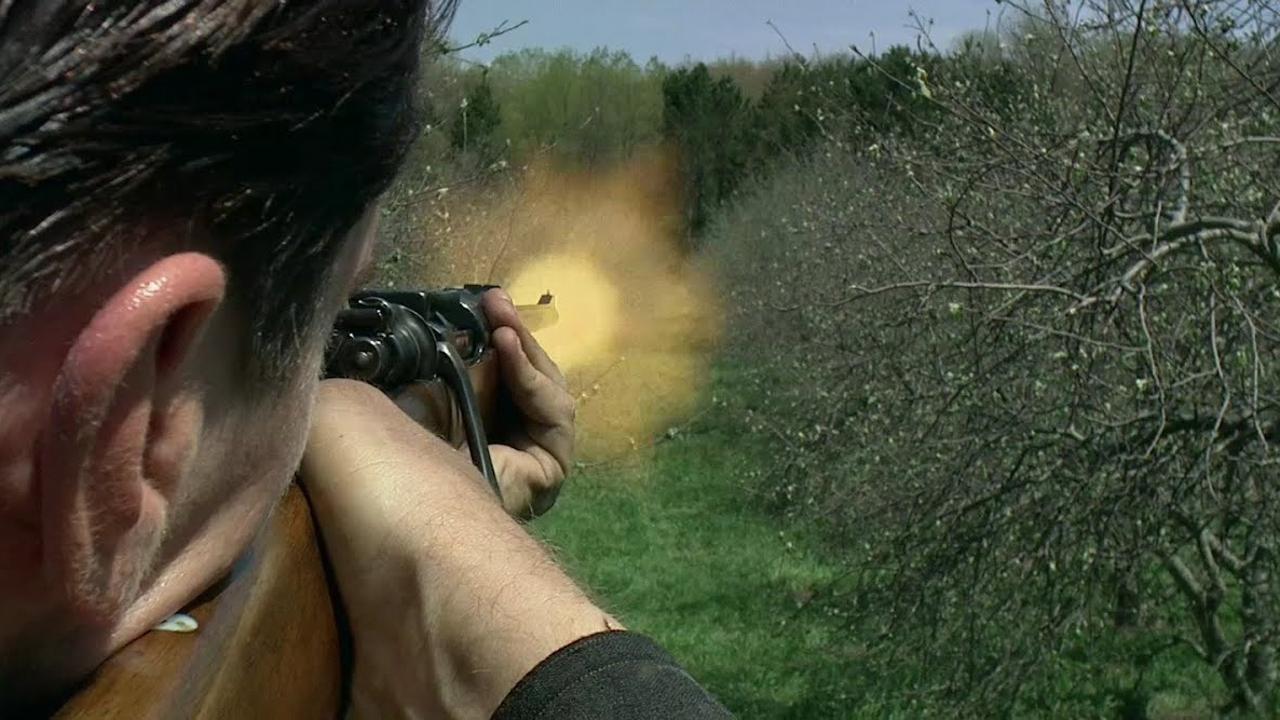
The film truly finds its soul during the shootout at Little Bohemia. Mann, being a stickler for authenticity that borders on the obsessive, filmed the sequence at the actual lodge in Wisconsin where the real gunfight occurred. He even pointed the cameras out of the same windows the feds used in 1934.
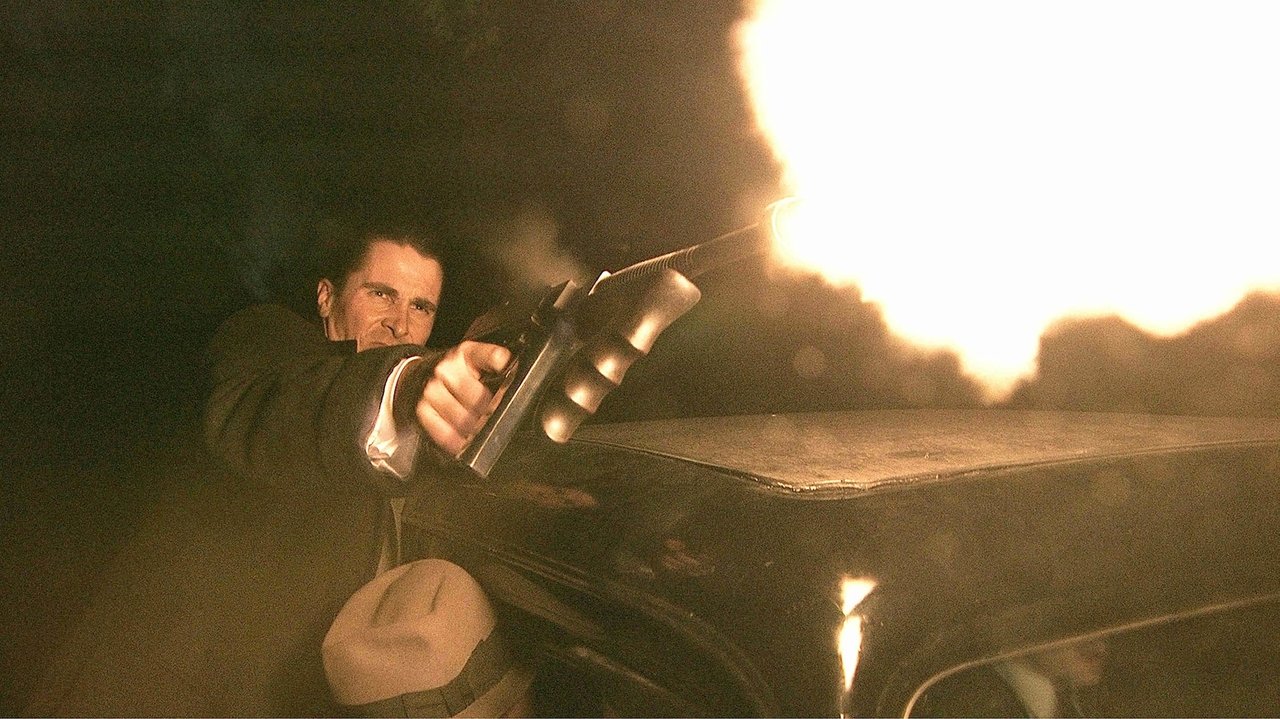
The sound design here is legendary. Most movies use "Hollywood" gunshots—a clean, satisfying bang. Mann uses the actual recorded sounds of Thompson submachine guns, which sound more like a terrifying, metallic ripping noise. It’s loud, chaotic, and terrifyingly ugly. Apparently, the production used so much black powder and blank ammunition that the local residents thought a real war had broken out in the woods.
One of my favorite "Mann-isms" is his use of Billy Crudup as J. Edgar Hoover. Crudup plays Hoover as a petulant theater director, obsessed with the "image" of the FBI rather than the reality of crime-fighting. It’s a subtle, biting performance that highlights the film’s theme: the transition from an era of personal legends to an era of curated public relations.
Cool Details & Digital Secrets
Real-Life Relics: Johnny Depp was allowed to handle some of the actual John Dillinger’s personal belongings during research, including the trousers he was wearing when he was shot outside the Biograph Theater. Night Vision: The digital cameras used were so sensitive to light that for many night scenes, Mann didn't use traditional movie lights. He relied on the natural glow of the moon or distant streetlamps, giving the film its eerie, "see-through-the-dark" quality. The Mustache Factor: Christian Bale reportedly spent hours researching Melvin Purvis’s specific gait and mannerisms, only for Mann to strip most of the "acting" away to focus on the man’s stoic silhouette. Location Obsession: The jailbreak scene was filmed at the actual Lake County Jail in Crown Point, Indiana, where Dillinger made his famous escape with a wooden gun. * The "Bye Bye Blackbird" Mystery: The song Billie Frechette requests is a recurring motif. While many think it’s just a sad tune, it was actually a popular "underworld" anthem of the time, signaling that someone was moving on to the next life.
Public Enemies is a difficult film to love on a first watch, but it’s an impossible film to forget. It’s a drama that values texture over plot and atmosphere over "movie magic." While the digital look might still feel jarring to some, it perfectly captures a moment in 2009 when cinema was trying to figure out its new identity. It’s a cold, hard, and technically brilliant look at the end of an era, delivered by a director who refuses to do things the easy way.
Whether you're a fan of Michael Mann’s clinical precision or just want to see Johnny Depp before the pirates took over his soul, this is a film that demands a second look. It doesn't give you the warm, nostalgic hug of a typical gangster flick. Instead, it leaves you standing in the cold Indiana rain, listening to the echo of a Tommy gun that stopped firing decades ago.
Keep Exploring...
-
Collateral
2004
-
Miami Vice
2006
-
J. Edgar
2011
-
The Last of the Mohicans
1992
-
Gangs of New York
2002
-
Heat
1995
-
Blow
2001
-

American Gangster
2007
-
Gangster Squad
2013
-
The Insider
1999
-

Ali
2001
-
Ed Wood
1994
-
Black Mass
2015
-
United 93
2006
-
In the Valley of Elah
2007
-
Contraband
2012
-
Lawless
2012
-
Kill the Messenger
2014
-
Selma
2014
-
The Drop
2014