Push
"Your mind is their greatest weapon."
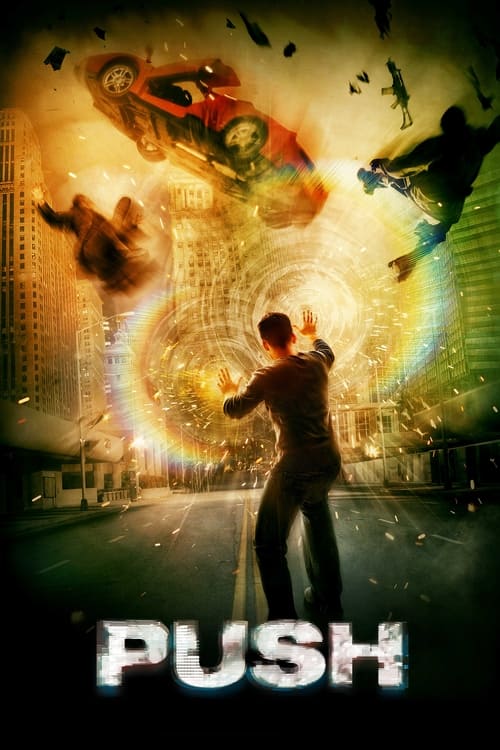
Long before the Marvel Cinematic Universe became an inescapable gravity well, there was a brief, experimental window where superhero movies didn’t need a cape or a multi-picture contract to feel important. Released in 2009, Push arrived just as the genre was trying to figure out if it could be "cool" without being "comic-booky." It didn't have the backing of a massive IP, but it had something better: a gritty, neon-soaked Hong Kong backdrop and a cast that looked like they were actually having a rough Tuesday. I watched this again recently on a Tuesday night while trying to ignore a stack of unpaid bills, and Chris Evans’ character struggling to win a few bucks at a dice game felt weirdly personal.
The Psychology of the Psychic Underworld
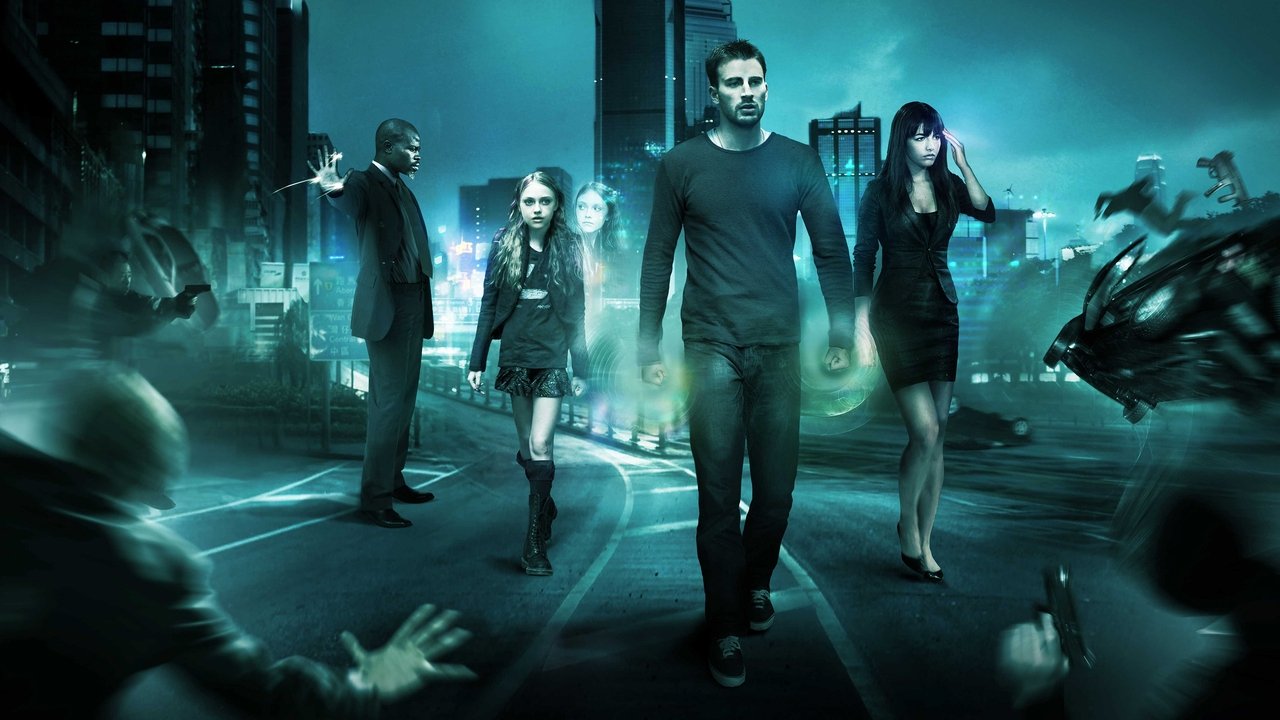
Director Paul McGuigan, fresh off the stylistically slick Lucky Number Slevin, treats psychic powers not as a gift, but as a dirty habit. We’re introduced to a world categorized by labels that sound more like street slang than medical terms: Pushers, Watchers, Sniffers, and Bleeders. Nick Gant (Chris Evans) is a "Mover" (telekinetic) hiding out in Hong Kong, trying to outrun the memory of his father’s murder at the hands of "Division," a shadowy government agency.
What makes the world-building here so satisfying is how tactile it feels. In an era where cinema was rapidly pivoting toward green-screen voids, Push remains stubbornly grounded. The Hong Kong we see isn't the postcard version; it’s the wet, crowded, claustrophobic reality of the fish markets and back alleys. Interestingly, the production couldn't afford to shut down entire streets, so many of the people you see in the background aren't extras—they’re just regular Hong Kong citizens wondering why a guy is screaming at a floating soy sauce bottle. This guerrilla filmmaking style gives the action a frantic, lived-in texture that high-budget blockbusters usually polish away.
Pre-Cap and the Art of the Scramble
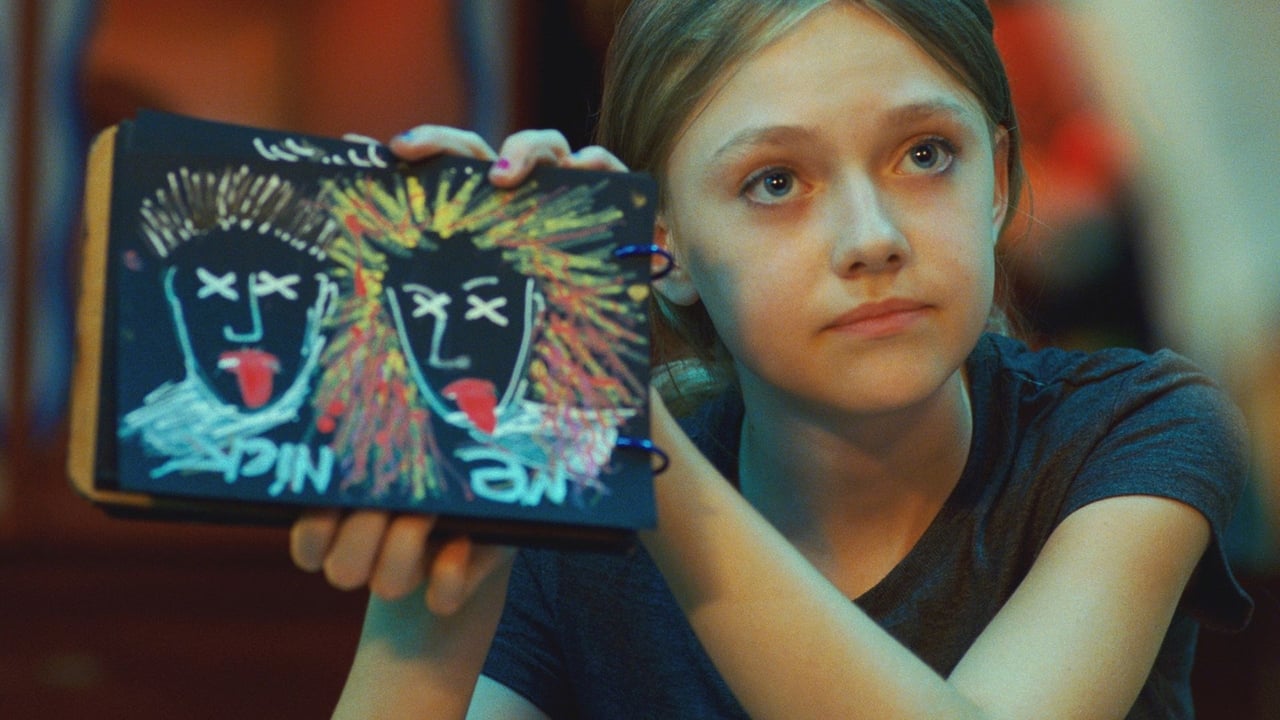
Seeing Chris Evans here is a fascinating time capsule. This was after his turn as the Human Torch but before he became the moral compass of the Avengers. As Nick, he’s scrappy, unpolished, and frequently loses. It’s refreshing to see a protagonist who isn't a tactical genius; he’s just a guy trying to survive. His chemistry with a young Dakota Fanning, playing the pink-skirted, gin-sipping clairvoyant Cassie, is the heart of the movie. Fanning was already a veteran by 2009, and she brings a weary, "seen-it-all" energy to a teenager who literally sees the future in her sketches.

Then there’s the villain, Henry Carver, played by the perpetually underrated Djimon Hounsou. He’s a "Pusher" who can plant memories in your head with a whisper. He doesn't need to throw a punch to be terrifying. When the action does kick off, it’s delightfully weird. Instead of massive explosions, the psychic battles look less like god-tier combat and more like a high-stakes game of 'stop hitting yourself.' One of the standout sequences involves the "Bleeders"—psychics who emit high-frequency screams that can shatter glass and liquefy organs. The sound design in these moments is abrasive in the best way possible, making you want to cover your own ears while the characters on screen are clutching theirs.
The Beauty of Practical Limitations
Looking back, Push represents a turning point in the CGI revolution. While it uses digital effects for the more complex "Mover" sequences, a surprising amount of the telekinesis was handled with practical wires and fishing lines. Paul McGuigan reportedly pushed for as much in-camera work as possible to keep the actors focused. It shows. When Nick makes a pair of guns float in mid-air to take on a room full of goons, there’s a physical weight to the objects that modern digital effects often miss.
The film's cult status didn't happen overnight. It was a modest box office performer that found its legs on DVD, where fans could pause and obsess over the intricate lore. Apparently, the production was so committed to the world-building that they even commissioned actual comic book artists to create Cassie’s "prop" drawings, which are filled with Easter eggs about the Division’s history. There was even a prequel comic series launched to flesh out the backstories of Cliff Curtis's character, Hook Waters, and the enigmatic Emily Hu, played by Ming-Na Wen. It’s the kind of movie that feels like the pilot for the coolest TV show that never got made.
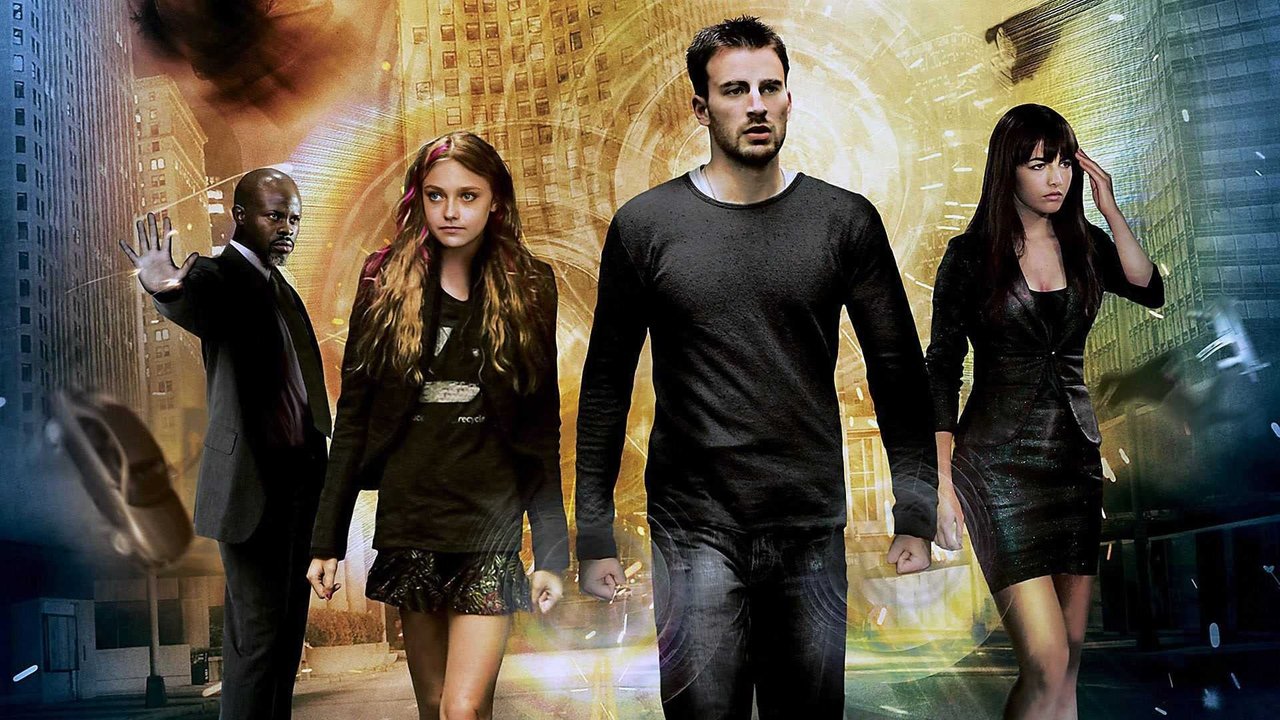
Even the color palette screams 2009—high contrast, heavy blues, and vibrant yellows—but it works because it mirrors the chaotic energy of the setting. It captures that post-9/11 anxiety of being watched by an invisible government, but wraps it in a stylish, globe-trotting thriller. While the plot gets a bit tangled in its own rules toward the final act, the sheer ambition of creating an original superhero mythology from scratch is something I have to respect.
Push is a rare breed of mid-budget sci-fi that prioritizes atmosphere and character over endless spectacle. It’s a movie that rewards you for paying attention to the details of its "classes" and the logic of its world. If you’re tired of the "save the world" stakes of modern franchises, this story about a group of outcasts just trying to save a girl and a suitcase is a breath of fresh, Hong Kong harbor air. It’s a scrappy, stylish relic of an era when superheroes were still allowed to be a little bit weird.

Keep Exploring...
-
The Island
2005
-
9
2009
-

X-Men: The Last Stand
2006
-
Babylon A.D.
2008
-

G.I. Joe: The Rise of Cobra
2009
-
I Am Number Four
2011
-

Battleship
2012
-

G.I. Joe: Retaliation
2013
-
RoboCop 2
1990
-

Captain America: The First Avenger
2011
-

Starship Troopers
1997
-
The Matrix Revolutions
2003
-

Repo Men
2010
-

Riddick
2013
-
Serenity
2005
-
Sky Captain and the World of Tomorrow
2004
-

Race to Witch Mountain
2009
-
Final Fantasy: The Spirits Within
2001
-
Death Race
2008
-
Journey to the Center of the Earth
2008