Saw VI
"The insurance industry finally gets what’s coming."
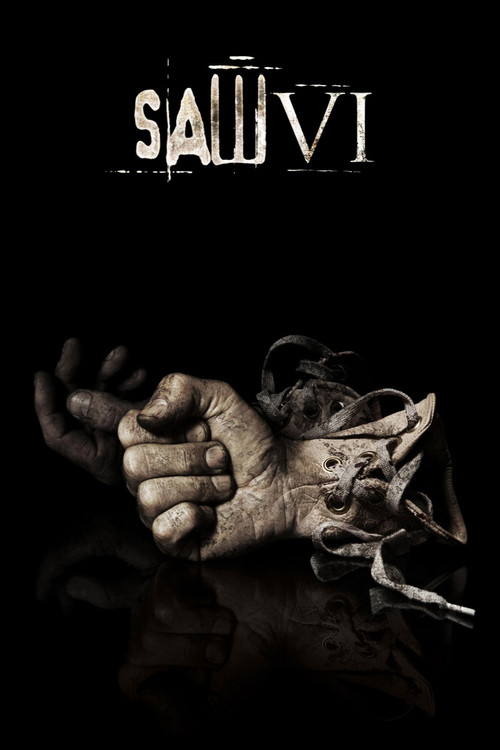
By 2009, the Saw franchise was the cinematic equivalent of a heavy metal band on their sixth reunion tour—loud, bloody, and starting to lose the crowd to the new kid on the block, Paranormal Activity. Most people assumed the series had fully descended into "torture porn" autopilot, but Kevin Greutert (who stepped up from editing the previous five films to directing this one) managed something miraculous. He took a gore-soaked soap opera and turned it into a surprisingly sharp, angry indictment of the American insurance industry.
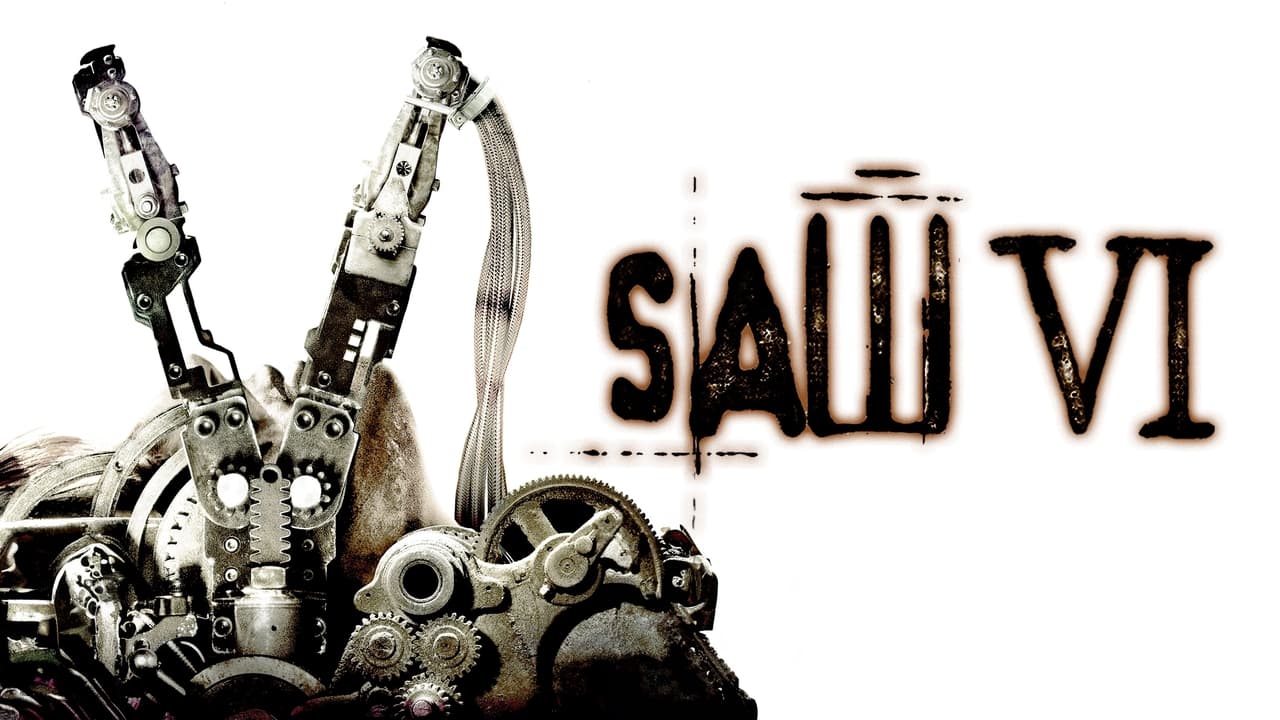
I once watched this while trying to peel a very stubborn clementine, and the sight of the white pith stuck under my fingernails felt oddly thematic during the opening "Pound of Flesh" trap. It’s that kind of movie; it makes you hyper-aware of your own anatomy in the most uncomfortable way possible. While the earlier sequels often felt like they were spinning their wheels in a puddle of corn syrup, Saw VI actually has something on its mind.
The Policy of Pain
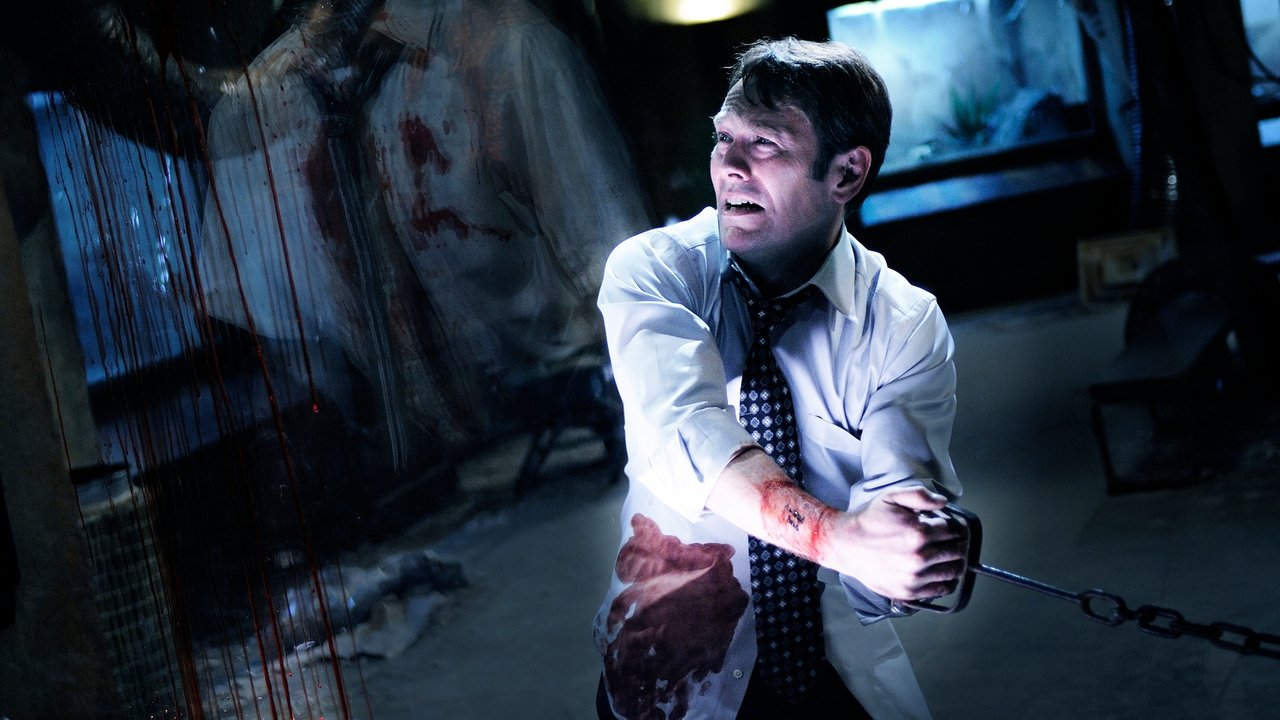
The plot follows William Easton (Peter Outerbridge), a high-ranking insurance executive who has spent his career perfecting an actuarial formula to deny coverage to the sick. It’s a brilliant pivot for the series. Instead of a random drug addict or a crooked cop, we get a villain who feels infinitely more "real" to a 2009 audience reeling from the global financial crisis. Watching William forced to navigate a literal gauntlet of his own bureaucratic decisions is immensely satisfying.
Peter Outerbridge delivers arguably the best "victim" performance in the entire franchise. He isn't just screaming; he’s a man watching his intellectual justifications crumble in the face of physical reality. When he’s forced to choose which of his subordinates lives or dies in the infamous "Shotgun Carousel" trap, the tension is suffocating. It’s a sequence that perfectly captures the Saw ethos: it’s basically a high-stakes HR meeting directed by a nihilist. The cinematography by David A. Armstrong retains that signature sickly green and yellow tint, making the whole world look like it’s suffering from a permanent infection, which fits the medical theme perfectly.
Hoffman’s House of Cards
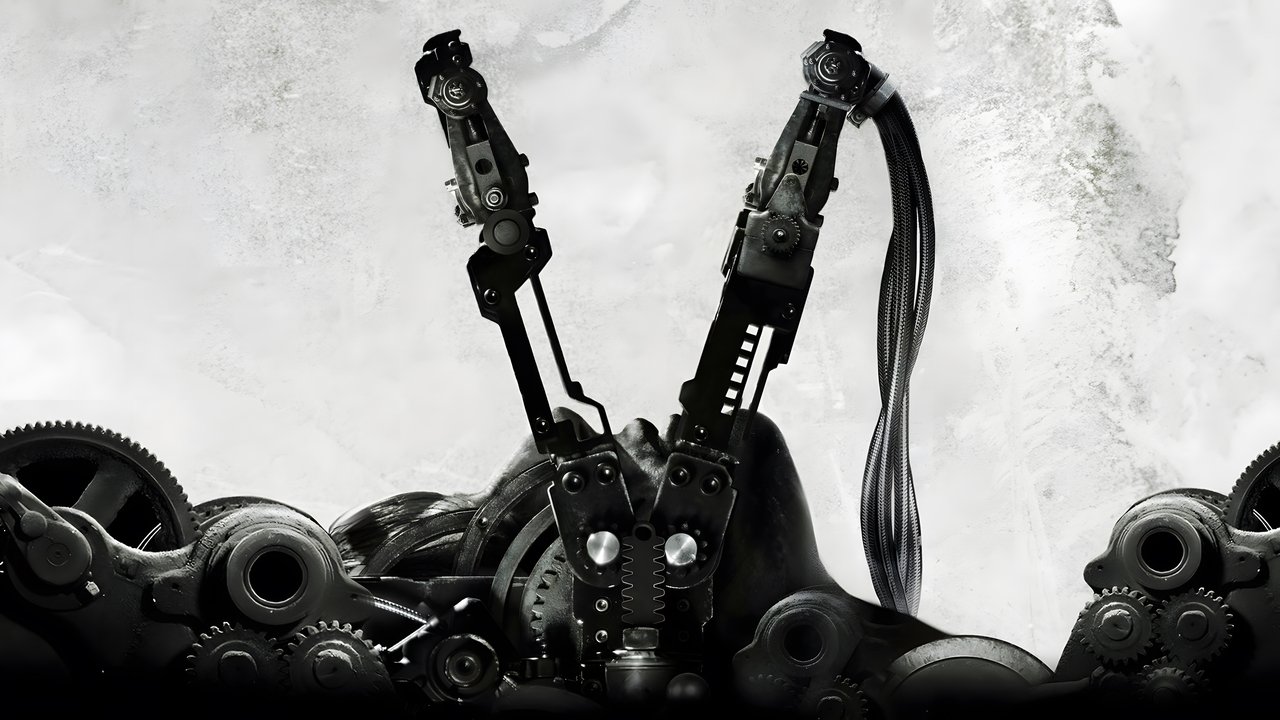
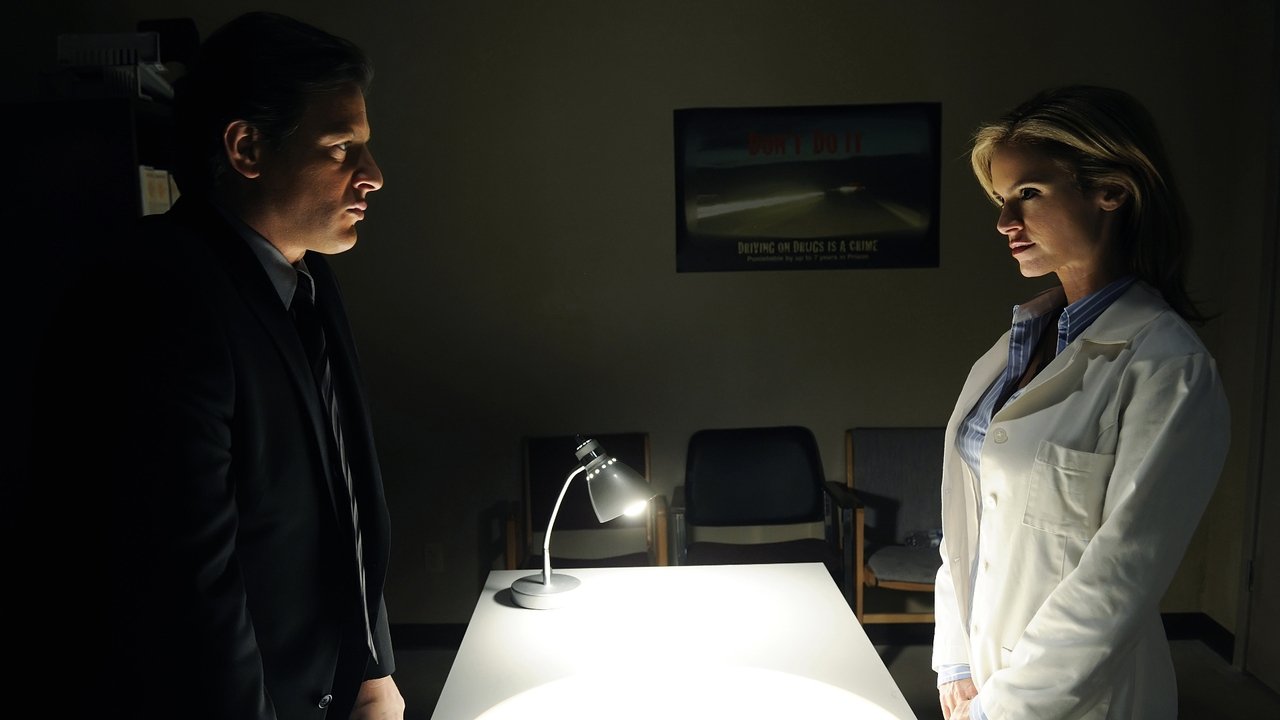
While William is playing the game, the meta-plot involving Detective Mark Hoffman (Costas Mandylor) continues to escalate. By this point in the series, the timeline is so convoluted it requires a corkboard and string to follow, but Saw VI does a decent job of grounding the madness. Costas Mandylor plays Hoffman with a permanent, stony grimace—he’s essentially a homicidal Terminator who looks like he’s perpetually smelling something slightly off.
The film also brings back Shawnee Smith as Amanda Young and Tobin Bell as the legendary John Kramer through a series of tactical flashbacks. These aren't just cameos; they fill in the gaps of the original trilogy, showing how the "Jigsaw" philosophy was corrupted by his successors. Tobin Bell remains the soul of the series, providing a quiet, chilling gravity that prevents the movie from becoming a total cartoon. Even when he’s just sitting in a chair talking about "probability," he’s the most intimidating presence on screen.
The Gory Details
For the gorehounds, the effects here are top-tier. This was the era where practical effects were starting to lose ground to mediocre CGI, but the Saw crew largely stuck to their guns (and saws). The "Oxygen Crusher" trap and the final "Acid Room" are triumphs of mechanical engineering and prosthetic makeup.
Cool Details You Might Have Missed:
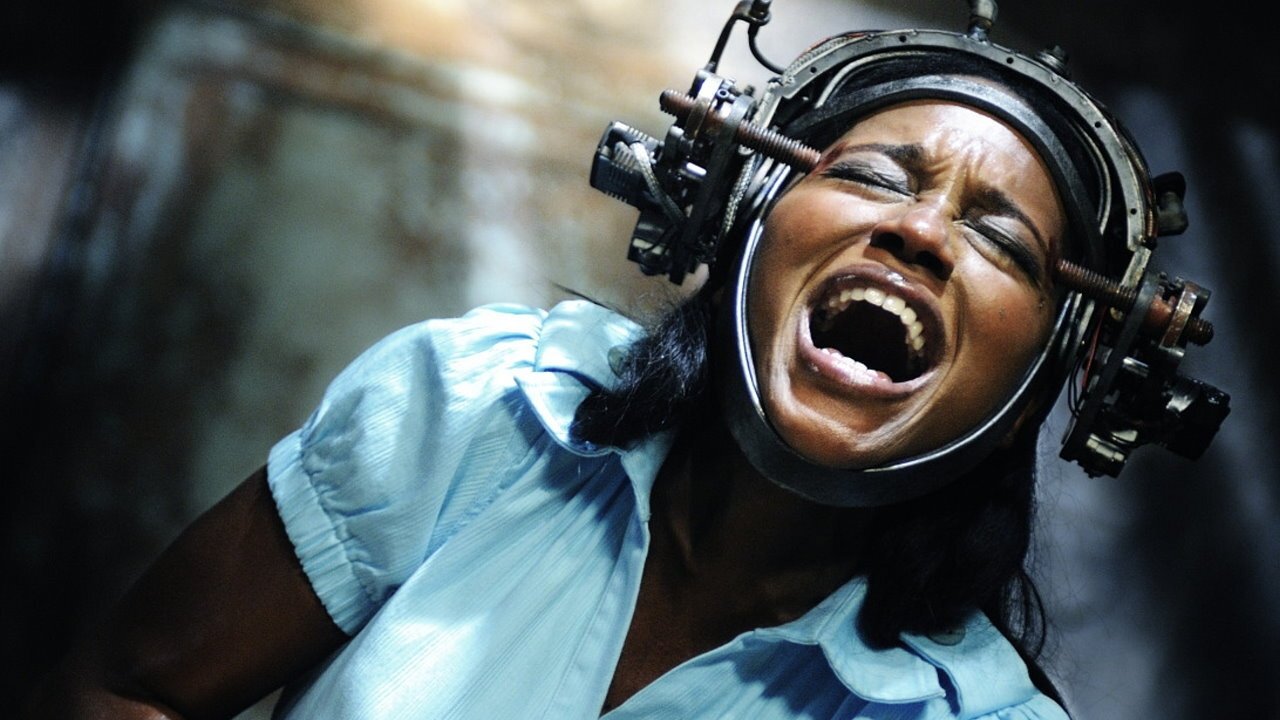
Kevin Greutert was actually "forced" to direct this by Lionsgate using a clause in his contract to keep him from directing Paranormal Activity 2. Despite the studio drama, he delivered what many consider the best sequel. The "Shotgun Carousel" trap was so complex it took weeks to build and calibrate; the actors were genuinely terrified because the mechanical arm was heavy and moved with significant force. In Spain, the film was originally given a "Película X" rating (usually reserved for porn), which effectively banned it from mainstream theaters until a censored version was released. Tobin Bell famously writes his own backstory notes for Kramer, ensuring that even in a sixth installment, the character's motivations remain consistent with the 2004 original. This was the first Saw* film to lose the #1 box office spot on Halloween weekend, marking the moment the cultural zeitgeist shifted from "splatter" horror to "found footage" supernatural scares.
Saw VI is the rare franchise entry that rediscovers its purpose late in the game. It balances the required bloodletting with a genuine sense of righteous fury, making it the most politically relevant horror film of its year. If you jumped ship after the third or fourth movie, this is the one that justifies coming back to the trap. It’s lean, mean, and surprisingly smart about why it’s making you wince.
Keep Exploring...
-
Saw 3D
2010
-
Saw IV
2007
-

Saw V
2008
-
Saw III
2006
-
Saw X
2023
-
Saw II
2005
-
Saw
2004
-

Jigsaw
2017
-
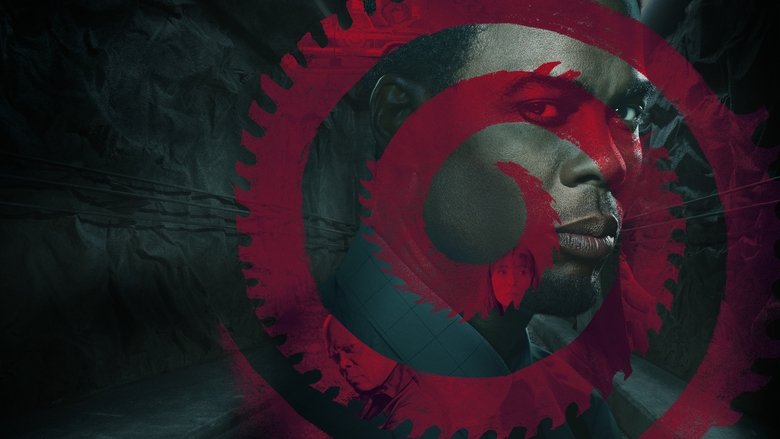
Spiral: From the Book of Saw
2021
-
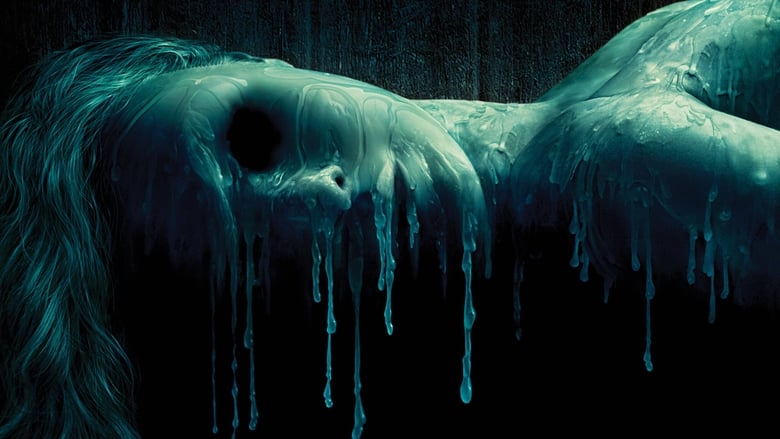
House of Wax
2005
-
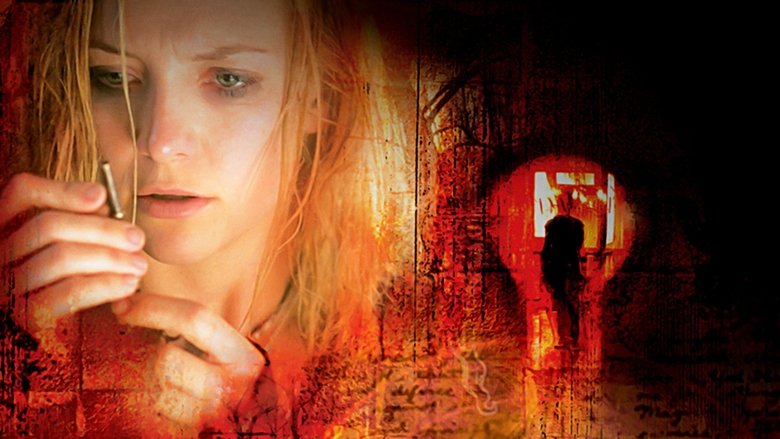
The Skeleton Key
2005
-

The Hills Have Eyes
2006
-
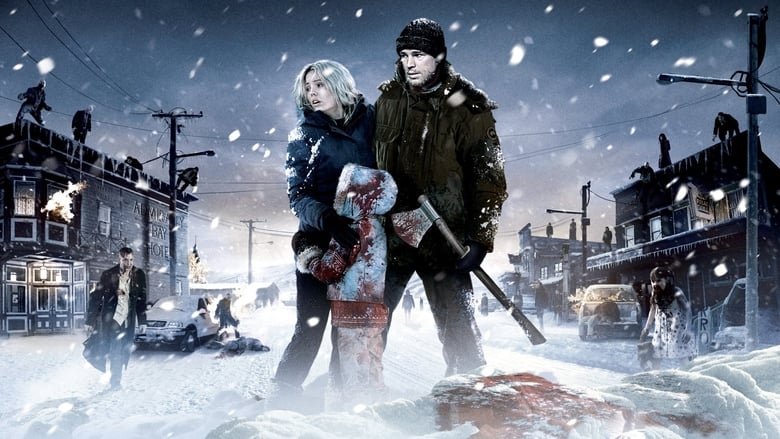
30 Days of Night
2007
-

Planet Terror
2007
-

The Mist
2007
-
Funny Games
2008
-
The Strangers
2008
-
Drag Me to Hell
2009
-
Friday the 13th
2009
-
Orphan
2009