Sherlock Holmes
"The game is no longer afoot—it's a brawl."
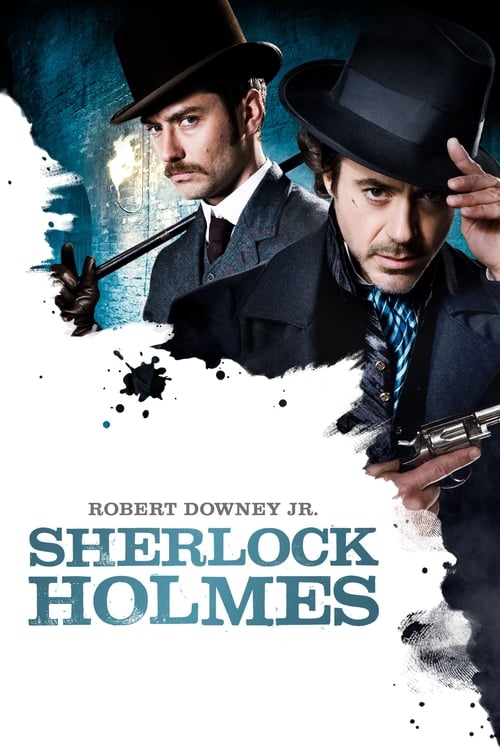
I distinctly remember sitting in a theater in December 2009, nursing a lukewarm ginger ale and a scratchy throat, wondering if Guy Ritchie—the man who made London gangsters talk in rhythmic circles in Lock, Stock and Two Smoking Barrels—was really the right fit for the world's most cerebral detective. Within ten minutes, as Robert Downey Jr. dismantled a thug’s ribcage in slow-motion using "logical" fisticuffs, I realized we weren't in Baker Street anymore. Or rather, we were finally seeing the Baker Street that Sir Arthur Conan Doyle actually wrote about: a place of mud, boxing, and opium-tinged eccentricity, rather than the sterilized, deerstalker-capped version of 1940s radio plays.
A Gritty Rebirth for a Digital Age
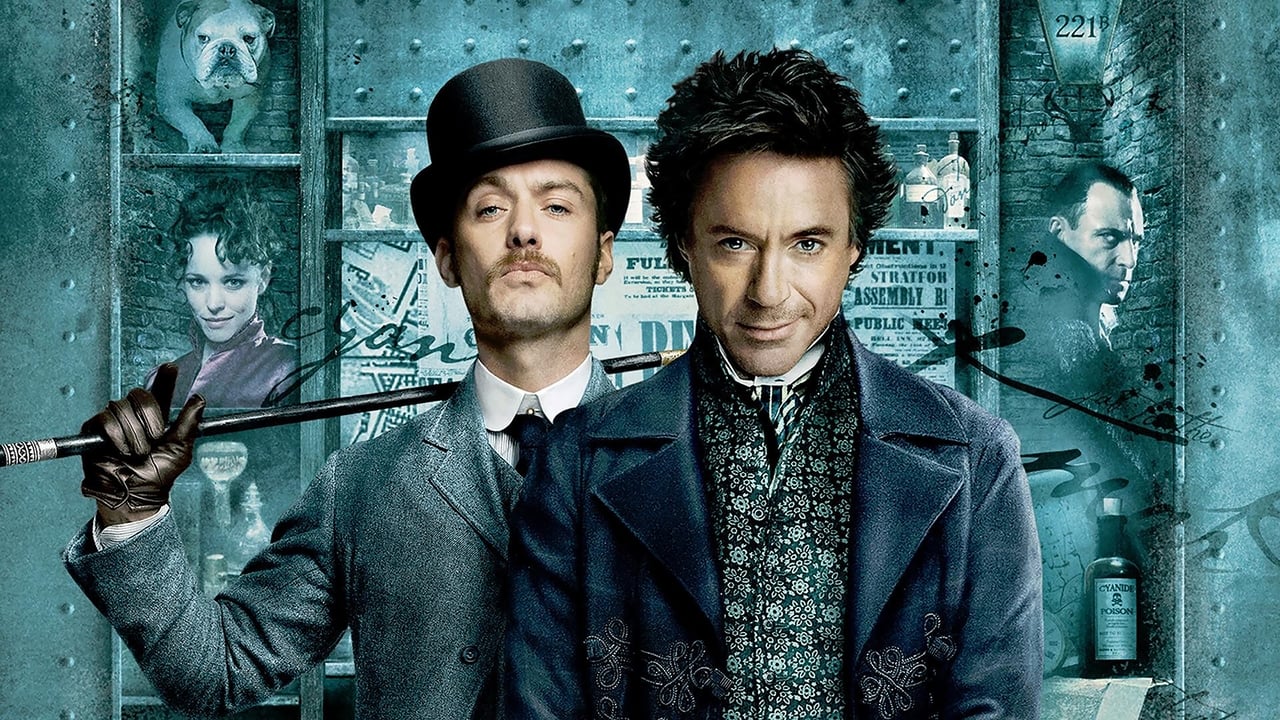
Looking back from our current vantage point of "everything is a franchise," it’s easy to forget how risky this felt in 2009. We were right in the thick of the "gritty reboot" era. Batman Begins had set the template, and Sherlock Holmes was the next logical candidate for a makeover. This wasn't the high-gloss, clean CGI of the later Avengers films; this was a transition period where digital effects were being used to extend massive physical sets. The London of Guy Ritchie is an industrial nightmare of soot and iron, a city in the middle of a nervous breakdown.
The film captures a very specific post-9/11 anxiety, even in its 1890s setting. The villain, Lord Henry Blackwood—played with a chilling, reptilian stillness by Mark Strong—is essentially a domestic terrorist using the guise of the occult to instill fear. It’s a dark, intense take that trades the cozy mystery vibes of old for a looming sense of dread. The stakes aren't just a stolen jewel; it’s the literal fall of the British Empire.
The Chemistry of Chaos
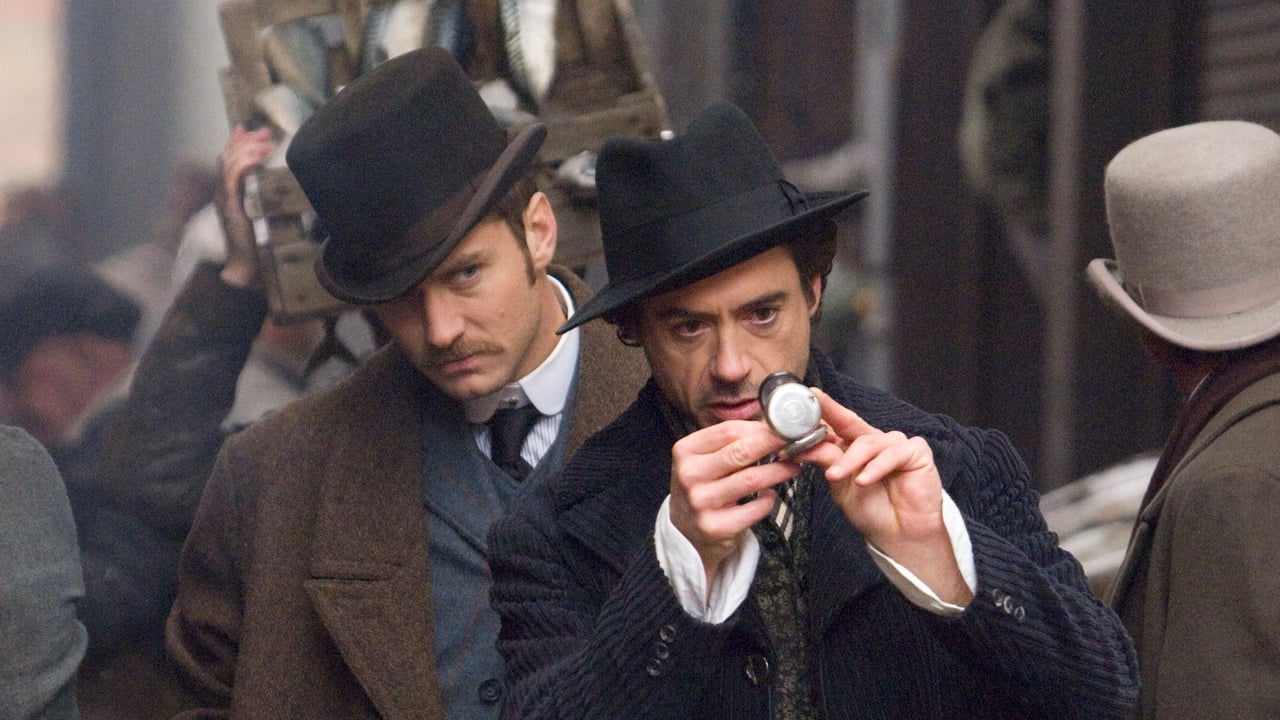
The secret weapon here isn't the mystery—which, if I’m being honest, is a bit of a convoluted mess involving ginger beer and ancient secret societies—but the central partnership. Robert Downey Jr. was fresh off the first Iron Man, and you can see him reveling in a character who is even more manic and self-destructive than Tony Stark. Sherlock Holmes in this movie has the social graces of a feral raccoon in a smoking jacket.
Opposite him, Jude Law finally gave us a Dr. Watson who wasn't a bumbling comic relief. This Watson is a veteran of the Afghan war with a gambling problem and a mean right hook. Their bickering feels lived-in, like a long-married couple who can’t decide whether to get a divorce or solve a triple homicide. Watching them navigate the docks or the rafters of an unfinished Tower Bridge feels physical and dangerous.

I’ve always felt that Rachel McAdams was a bit underserved as Irene Adler, though she brings a much-needed spark of unpredictability. She’s the only person who can out-manipulate Holmes, and in a film dominated by masculine brooding and fistfights, her presence reminds us that Sherlock is, at his core, a man who is terrified of anything he can’t quantify with a chemistry set.
Making the Action Mean Something
The action choreography by Guy Ritchie and his team was genuinely inventive for its time. The "Holmes-vision" sequences—where we see the fight planned out in Sherlock’s mind before it happens—perfectly bridged the gap between his intellect and the film’s demand for a summer blockbuster climax. It wasn't just "kinetic" (oops, almost used a forbidden word there); it was logical. It turned deductive reasoning into a weapon.
There’s a sequence in a shipyard involving a massive wooden ship being launched that still holds up remarkably well. While there’s clearly digital assistance to create the scale, the debris and the impact feel heavy. That’s the hallmark of this era of filmmaking: a blend of old-school stunt work and emerging digital tools. During the filming of the fight with Dredger, played by the 7-foot-tall Robert Maillet, he actually accidentally knocked Robert Downey Jr. unconscious with a stray punch. That’s the kind of "on-set realism" you just don't get when everyone is wearing motion-capture pajamas in front of a green screen.
The $500 Million Gamble
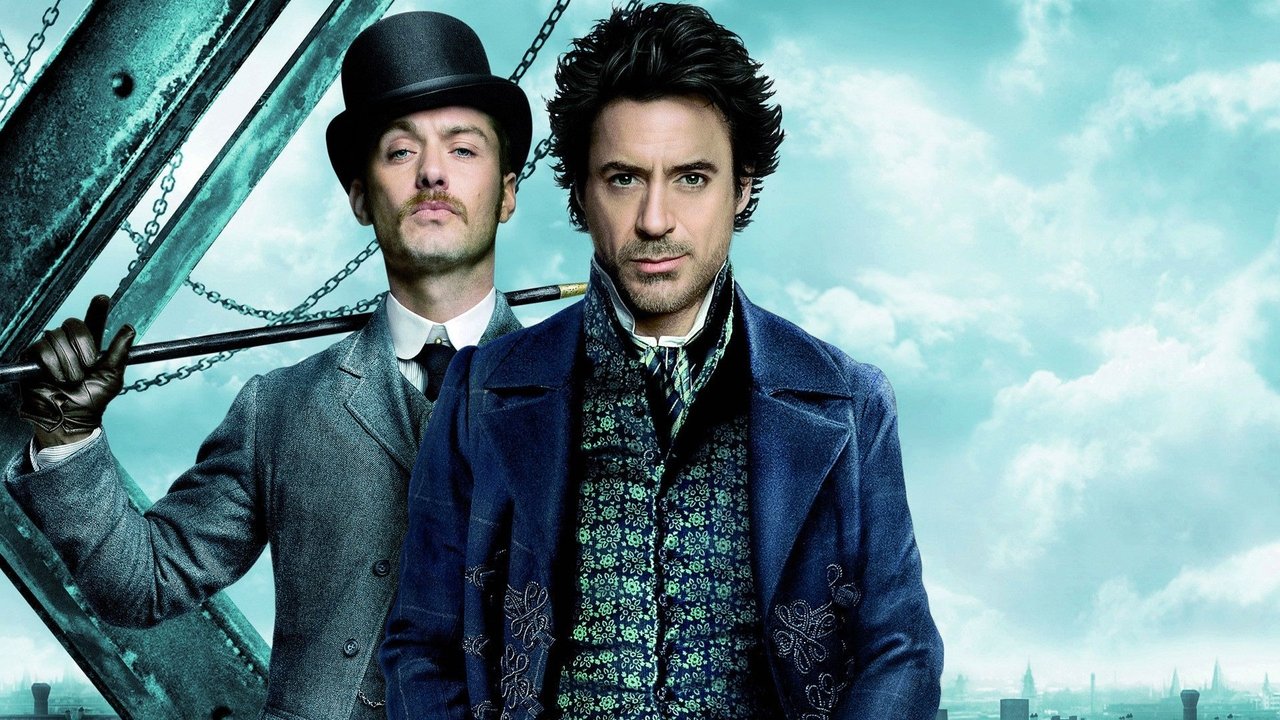
The financial scale of this project was massive for a mystery film. With a $90 million budget, Warner Bros. was betting that Sherlock Holmes could be a global action brand. They were right. The film pulled in over $524 million worldwide, proving that audiences were hungry for a version of the character that felt more like an 1890s James Bond than a librarian.
A huge part of that success belongs to Hans Zimmer. His score for this film is legendary—he reportedly used a "broken" out-of-tune piano to get that signature clanky, chaotic sound. It’s a score that feels like it’s being played by a street band in a pub, and it drives the momentum of the film even when the plot begins to sag under its own weight. It’s the sound of the 19th century being dragged kicking and screaming into the 21st.
This is a film that rewards a rewatch, even if you already know how the "magic" tricks are performed. It captures a moment in cinema where the blockbuster was becoming more sophisticated, blending character-driven drama with the scale of an epic. It’s gritty, it’s loud, and it’s occasionally exhausting, but it remains one of the most stylish reinventions of a literary icon ever put to celluloid. If you haven't revisited this version of Baker Street lately, it's time to dust off your magnifying glass and prepare for a headache.

Keep Exploring...
-

Sherlock Holmes: A Game of Shadows
2011
-
RocknRolla
2008
-

Revolver
2005
-
Casino Royale
2006
-
The Losers
2010
-

Skyfall
2012
-

The Dark Knight Rises
2012
-

National Treasure
2004
-
National Treasure: Book of Secrets
2007
-

RED
2010
-

The Girl Who Kicked the Hornet's Nest
2009
-
Batman: Under the Red Hood
2010
-
Batman: The Dark Knight Returns, Part 1
2012
-

Batman: The Dark Knight Returns, Part 2
2013
-
300
2007
-
The Bourne Ultimatum
2007
-
Iron Man
2008
-

Red Cliff
2008
-

Iron Man 2
2010
-
Fast Five
2011