Solomon Kane
"Hell has a bounty, and he's paying in blood."
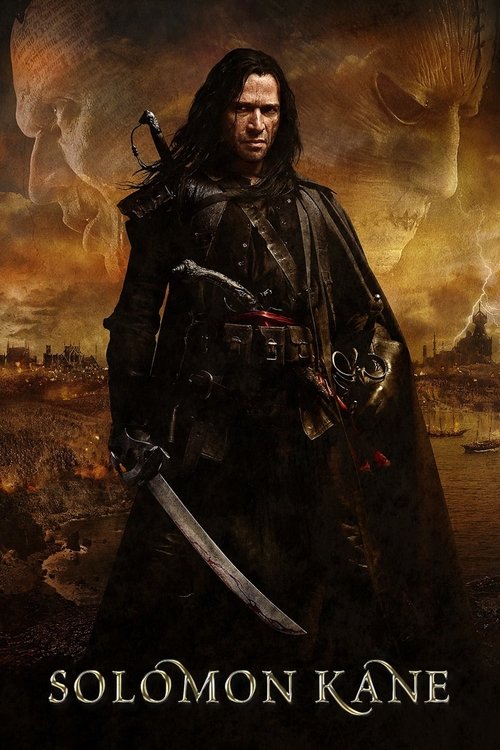
If you were to step into a time machine and head back to 2009, you’d find a cinematic landscape caught in a weird, muddy tug-of-war. We were midway through the transition from the grimy, practical-effects-heavy 2000s into the shiny, digitized "everything-is-a-quip" era of the modern blockbuster. Right in the middle of that transition sat Solomon Kane, a film that felt like it had been unearthed from a damp, 16th-century grave. It’s a movie that wears its R-rating like a badge of honor, covered in more rain, filth, and existential dread than almost anything else released that year. I watched this again last night on a laptop while my neighbor was loudly practicing the tuba, and oddly enough, the mournful brass notes perfectly complemented the film’s relentless gloom.
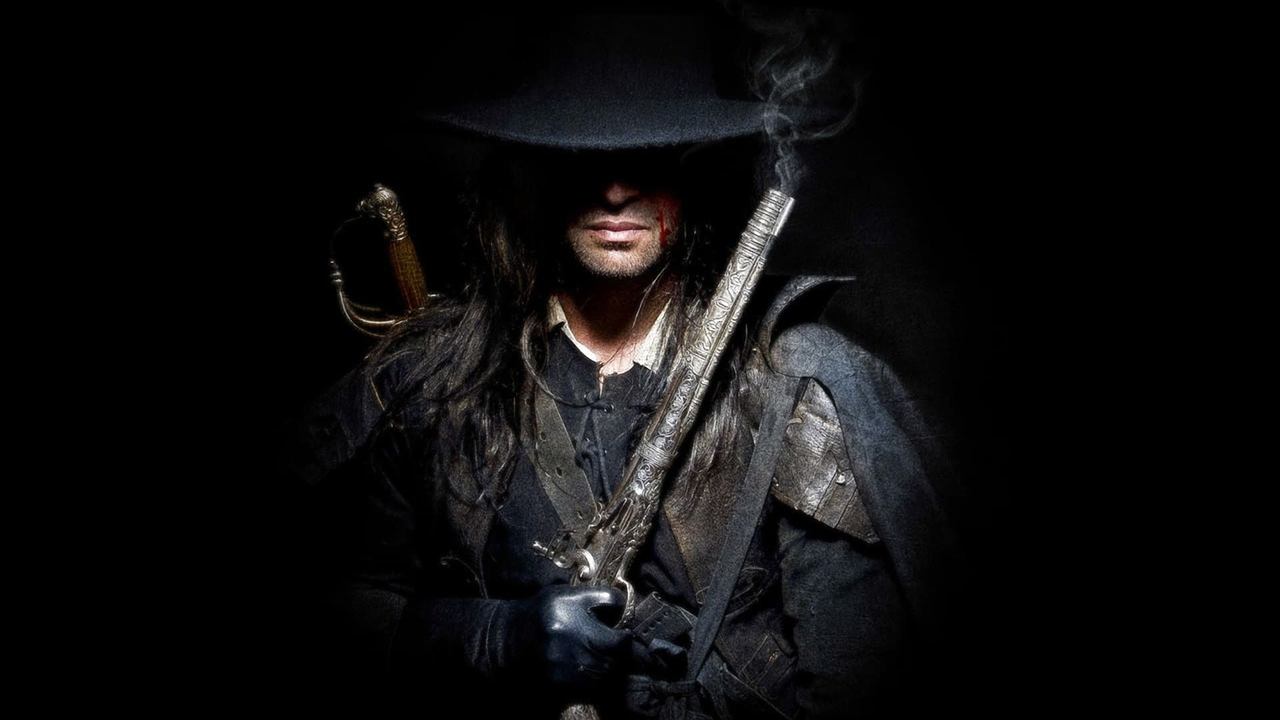
The Man in the Iron Hat
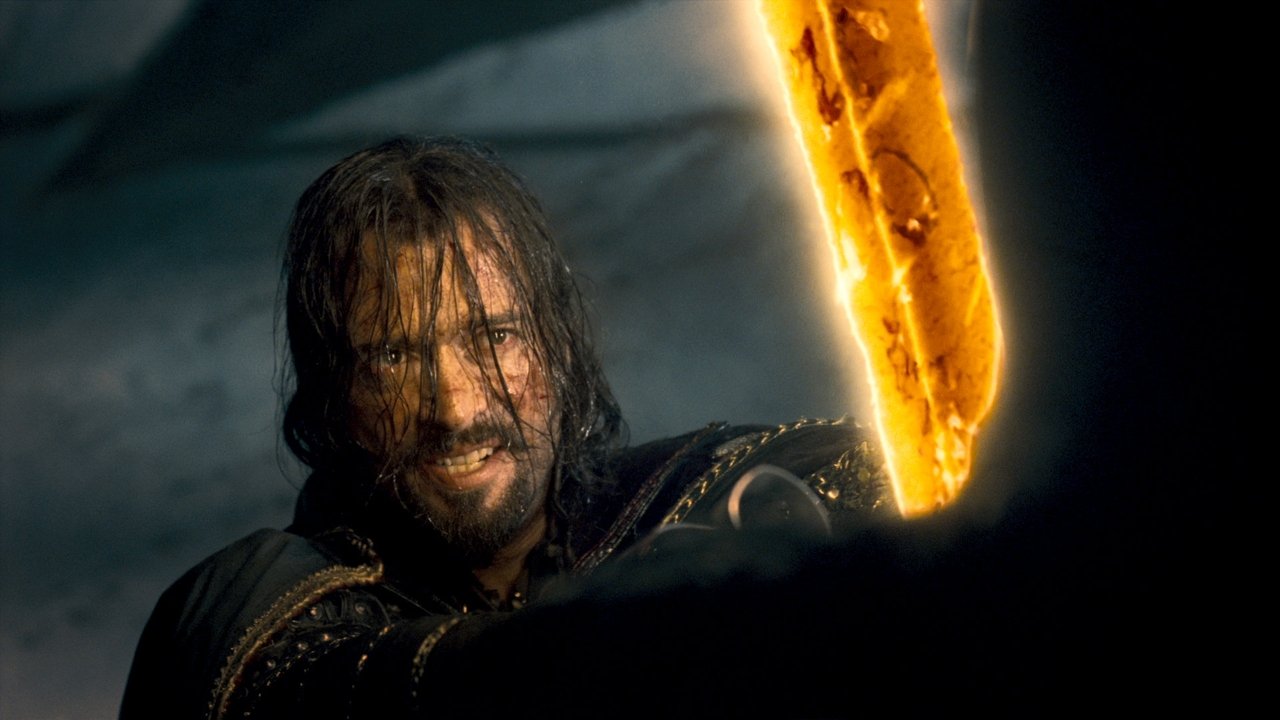
Based on the characters by Robert E. Howard (the same brilliant, troubled mind that gave us Conan the Barbarian), Solomon Kane is a "sword and sorcery" epic that takes itself with deadly seriousness. James Purefoy, whom you might recognize as the swaggering Mark Antony from HBO’s Rome, plays the titular lead. He starts the film as a privateer whose soul is literally being hunted by a demonic Reaper. To save himself from the fires of hell, Kane renounces violence, takes a vow of peace, and starts wandering the English countryside looking like a cross between a pilgrim and a heavy metal bassist.
Purefoy is the absolute heart of this thing. He has a face that looks like it was carved out of a rain-slicked cliffside, and he brings a gravelly, haunted intensity to the role that most actors would have phoned in for a paycheck. When he’s forced to break his vow of non-violence to save a Puritan family from a band of marauders, you don't just see a hero "leveling up"—you see a man who genuinely believes he is damming himself for a righteous cause. James Purefoy is the best Batman we never got, possessing that specific blend of physical menace and "I haven't slept in three years" desperation.
Practical Mud and Digital Fire
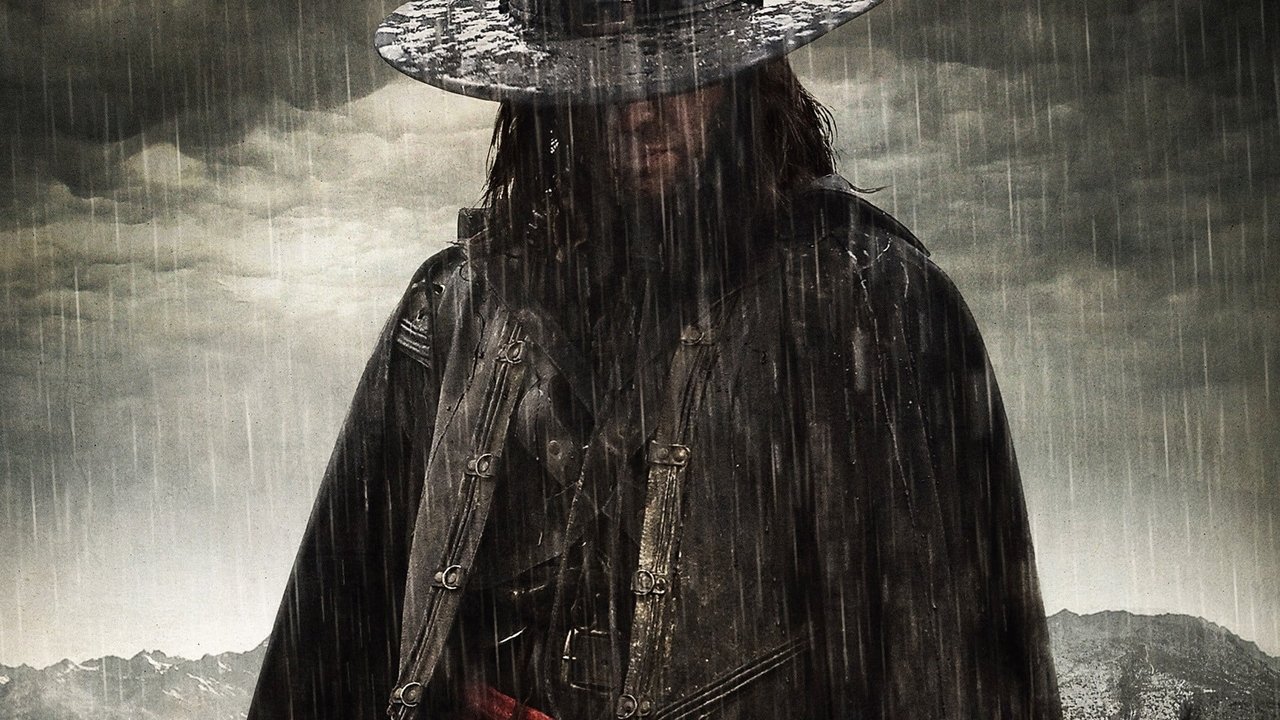
What struck me most during this re-watch is how physical everything feels. Directed by MJ Bassett (who later directed Silent Hill: Revelation), the film leans heavily into its Czech locations. You can almost smell the wet wool and the rotting leaves. This was a $45 million production, and while that’s a mid-range budget by Hollywood standards, every cent is visible on screen in the form of massive, crumbling stone fortresses and intricate, leathery costumes.
In an era where we’re now used to actors fighting green-screen tennis balls, seeing James Purefoy hack his way through a muddy field against actual stuntmen is refreshing. The action choreography isn't flashy or "cool"—it’s desperate and bruising. It’s the kind of combat where people get hit in the face with the pommel of a sword because they’re too tired to swing the blade. However, the film does reveal its age during the climax. The final showdown involves a massive CGI demon that looks a bit like a PS3 cutscene that overstayed its welcome. It lacks the weight of the earlier practical fights, but by that point, the atmosphere has done enough heavy lifting to carry you through.
The Tragedy of the "Almost" Franchise
Looking back, it’s a genuine shame Solomon Kane didn't ignite the trilogy MJ Bassett had planned. The film was a victim of a catastrophic distribution strategy. Despite being a French and Czech co-production with a predominantly British cast, it struggled to find a theatrical home in the United States, eventually dumping onto home video years later. It’s one of those "lost" films of the late 2000s—a movie that outperformed its expectations artistically but was failed by the business side of the industry.
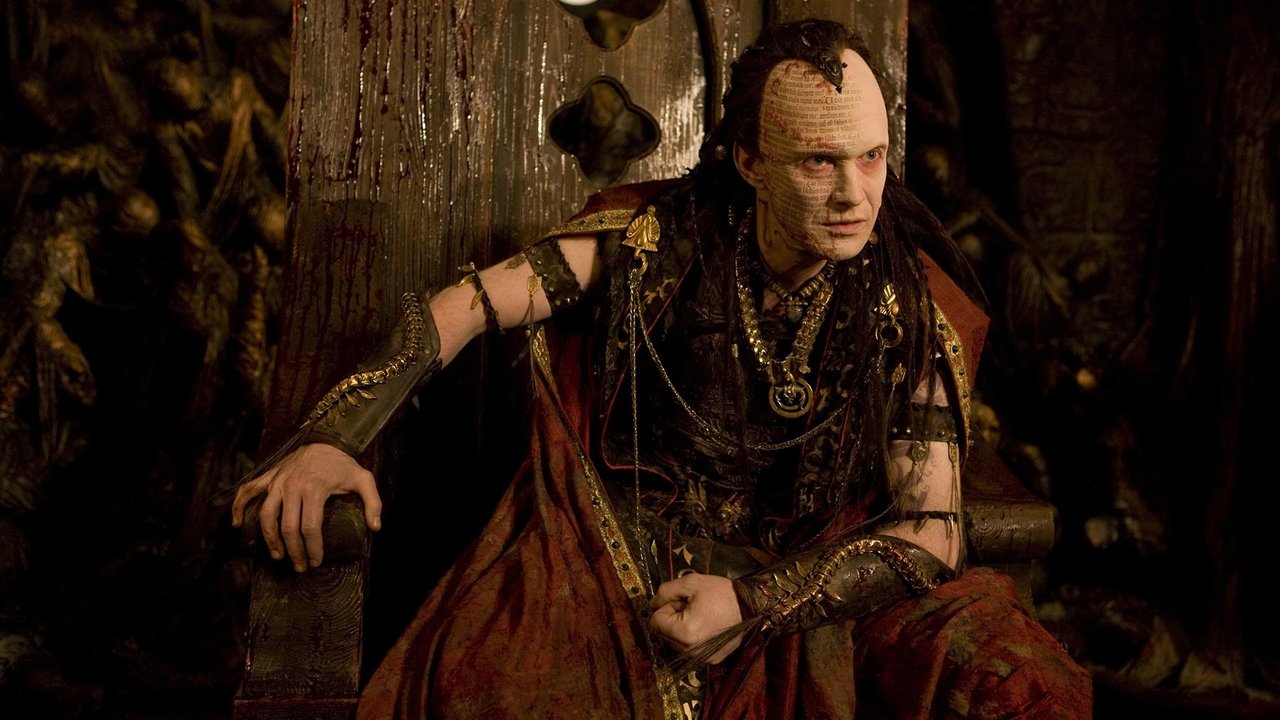
The supporting cast is a "who’s who" of "Hey, I know that guy!" talent. You’ve got the legendary Pete Postlethwaite (The Usual Suspects) as a kind-hearted father, Alice Krige (Star Trek: First Contact) as his wife, and even Max von Sydow (The Exorcist) showing up as Kane’s father to provide some gravitas. Even Jason Flemyng (Lock, Stock and Two Smoking Barrels) pops up as the villainous Malachi, though he’s mostly hidden under some fairly gnarly makeup. These are heavy hitters for a movie about a guy in a big hat fighting ghouls, and their presence makes the world feel inhabited and ancient.
Solomon Kane is a sturdy, well-crafted piece of dark fantasy that deserves more than its current status as a bargain-bin curiosity. It captures that brief moment in cinema history where we had the technology to build massive worlds but still had the sense to drench them in actual mud and rain. While the ending leans a bit too hard into the digital fire-and-brimstone clichés of the era, the journey there is genuinely gripping. If you’re tired of the bright, weightless action of contemporary superhero films, this is a perfect antidote. It’s dark, it’s bloody, and it understands that sometimes, a hero is just a man who’s willing to go to hell to do the right thing.
Keep Exploring...
-
The Covenant
2006
-
Cirque du Freak: The Vampire's Assistant
2009
-
Race to Witch Mountain
2009
-

Valhalla Rising
2009
-
Clash of the Titans
2010
-
The Extraordinary Adventures of Adèle Blanc-Sec
2010
-
The Forbidden Kingdom
2008
-
The Sorcerer's Apprentice
2010
-
Mighty Joe Young
1998
-

Mystery Men
1999
-
Final Fantasy: The Spirits Within
2001
-
Season of the Witch
2011
-
The Brothers Grimm
2005
-

Night at the Museum
2006
-
City of Ember
2008
-
The Mummy: Tomb of the Dragon Emperor
2008
-
Night at the Museum: Battle of the Smithsonian
2009
-
Prince of Persia: The Sands of Time
2010
-

Puss in Boots
2011
-
Thor
2011