State of Play
"In the digital age, the truth still leaves stains."
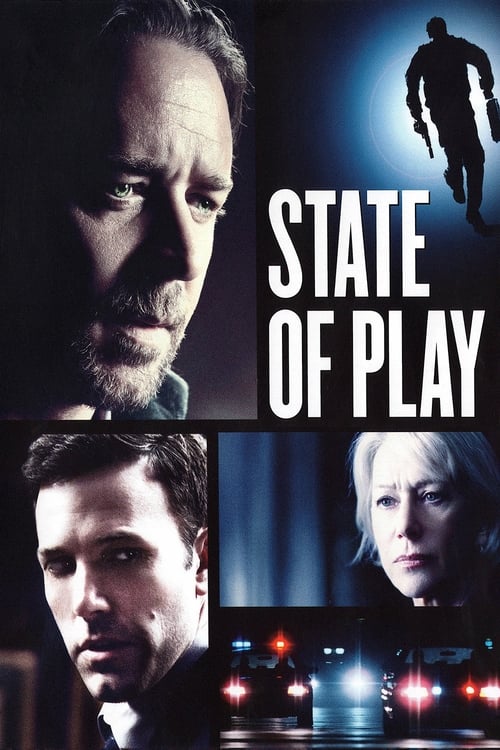
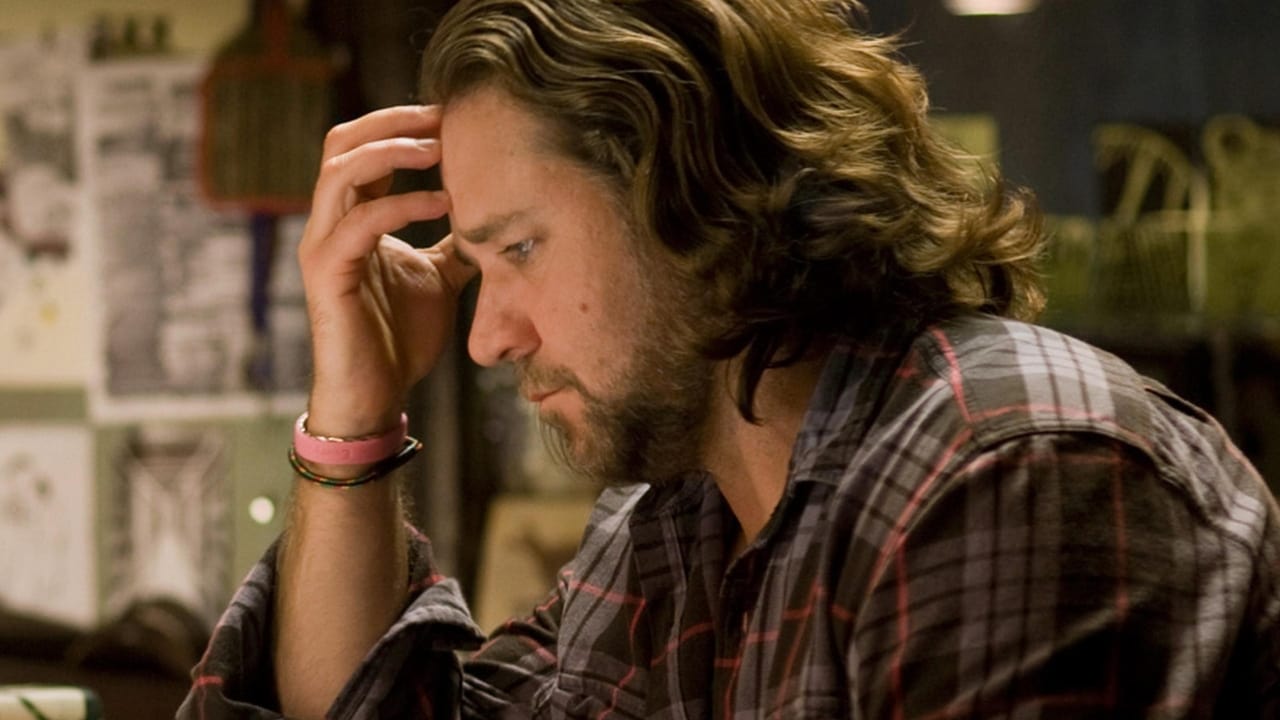
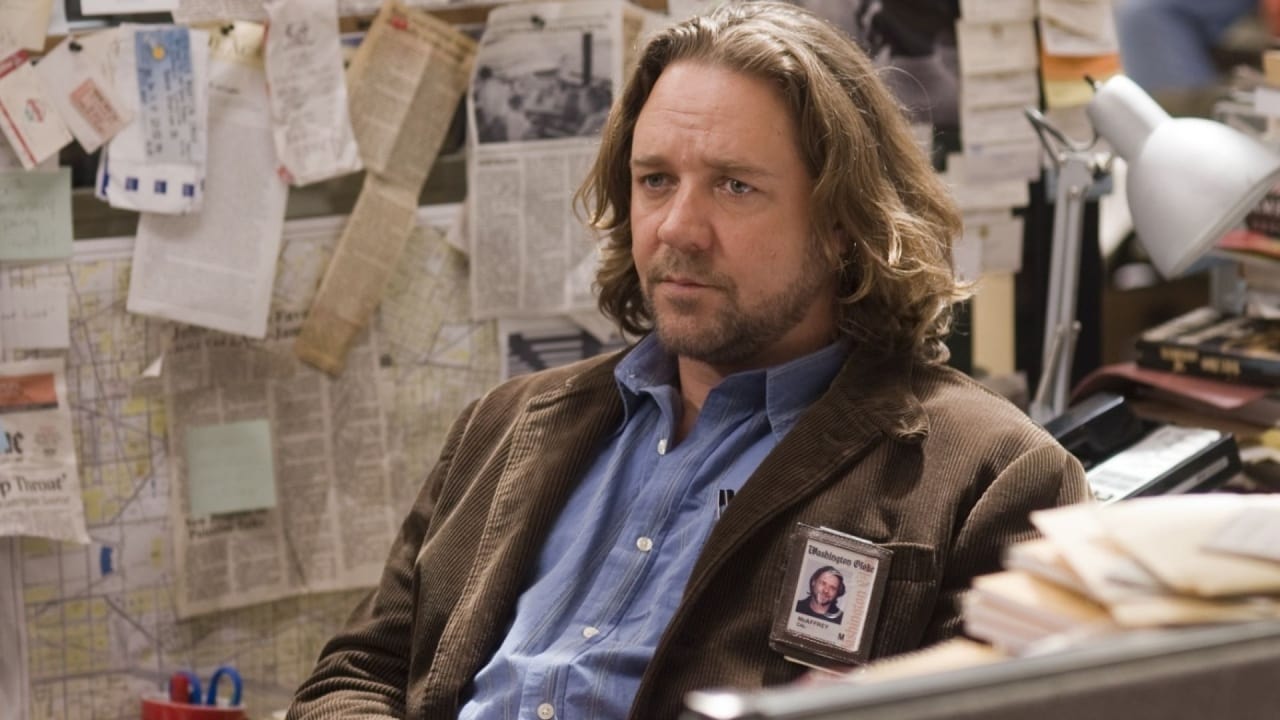
I’ve always been a sucker for movies where the protagonist looks like they haven't seen a bar of soap or a decent vegetable in three weeks. In State of Play, Russell Crowe plays Cal McAffrey, a veteran Washington Globe reporter whose car is a rolling graveyard of fast-food wrappers and whose hair is a tangled mess of "I’m too busy saving democracy to find a comb." I watched this film recently while my neighbor was practicing the tuba next door, and somehow that low, somber brass provided the perfect mournful soundtrack for a movie about the slow death of investigative journalism.
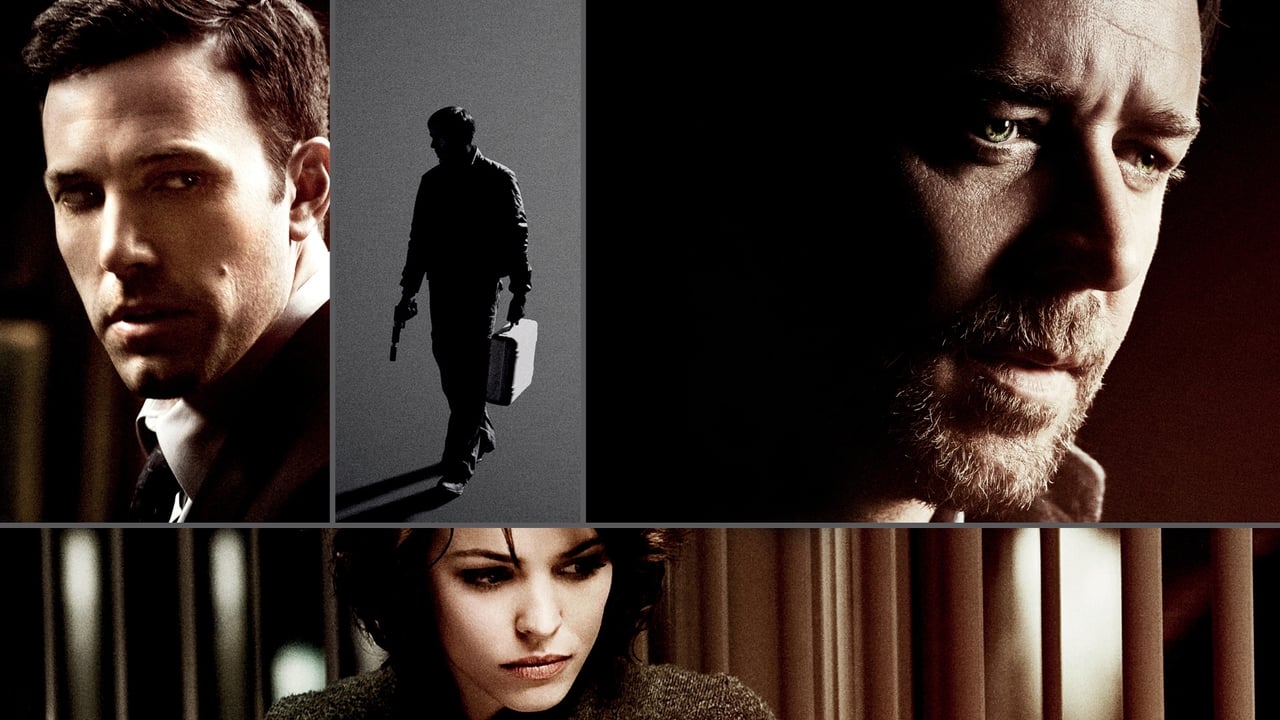
The Last Stand of the Ink-Stained Wretch
Released in 2009, State of Play sits right on the edge of a massive cultural cliff. It’s a film that knows the world of newsprint is dying, replaced by the rapid-fire, unverified world of "The Blog." This was a huge theme in the late 2000s—that anxiety over the internet killing the truth. Looking back, the movie feels like a time capsule from the exact moment the analog world finally shook hands with the digital one and realized it was being shoved out the door.
The story kicks off when a congressional aide is killed in a "random" shooting. Cal (Crowe) gets on the trail, only to find the victim was the mistress of his old college buddy, Congressman Stephen Collins, played by a polished and perpetually stressed Ben Affleck. To make matters more complicated, Cal is paired with a "spunky" young blogger, Della Frye (Rachel McAdams). The chemistry here isn't romantic; it’s a clash of philosophies. Cal wants to wait for the second source; Della wants the clicks. It’s the kind of dynamic that could have been cheesy, but the script—co-written by Tony Gilroy (who brought that same gritty, intelligent energy to Michael Clayton and the Bourne series)—keeps it grounded in reality.
Power Players and Sleazy Informants
The cast is what elevates this from a standard procedural to a high-tier thriller. Russell Crowe is in his "Character Actor in a Leading Man’s Body" phase here, and he’s fantastic. He gives Cal a weight and a weariness that feels earned. Opposite him, Ben Affleck plays the golden boy politician with a secret perfectly—it’s a role that requires him to be both sympathetic and suspicious, a tightrope he walks with ease.
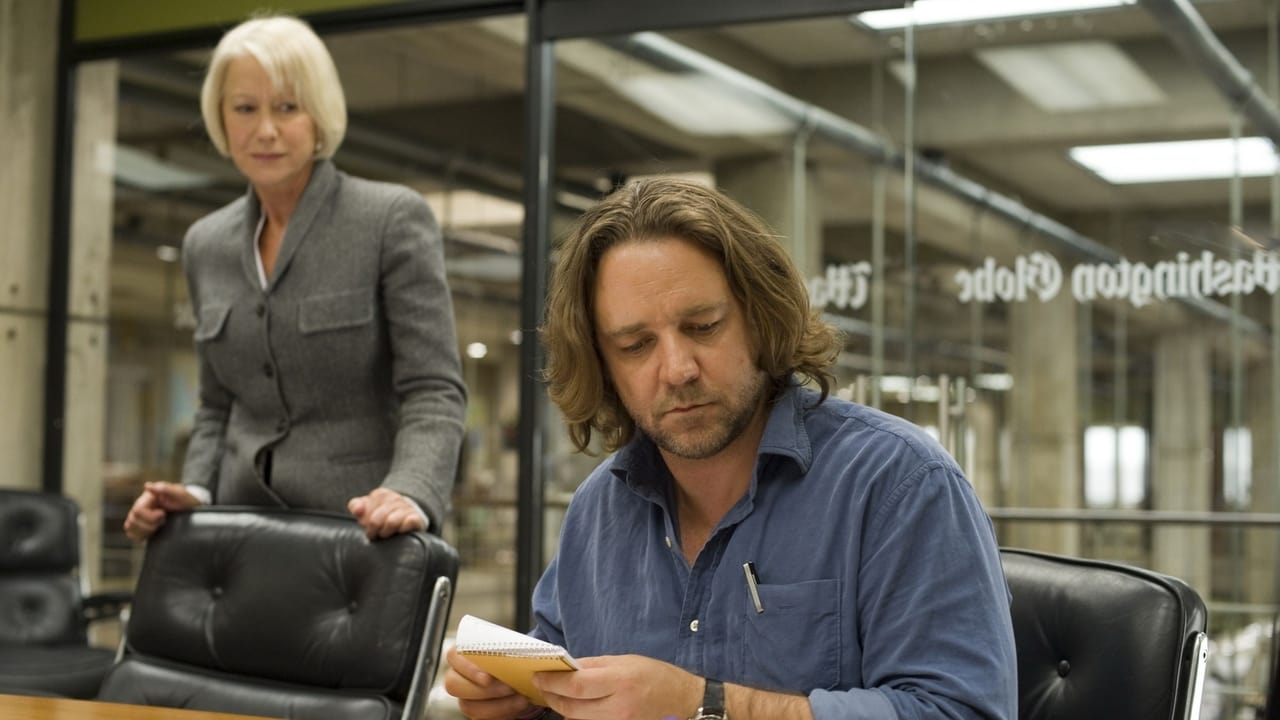
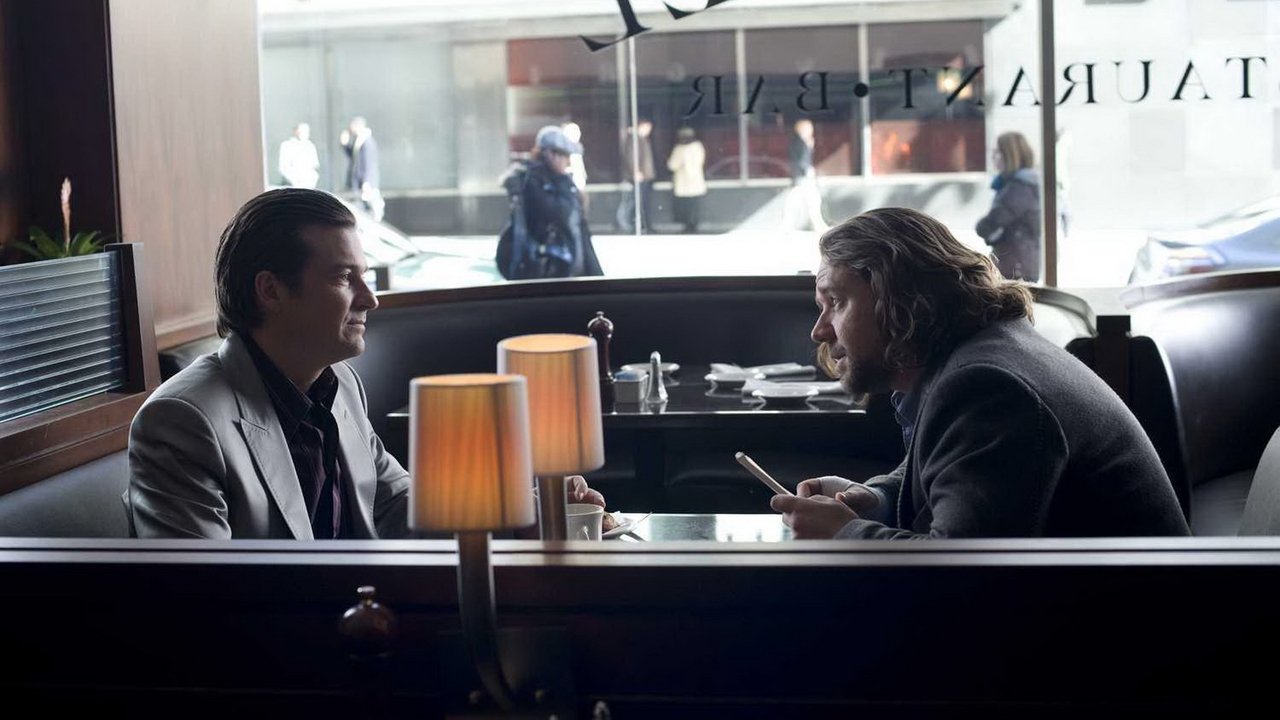
But the real joy is in the margins. Helen Mirren shows up as the hard-nosed editor, and watching her bark orders is a delight. Then there’s Jason Bateman as Dominic Foy, a PR sleazebag who is involved in the conspiracy. Bateman plays this character with such a desperate, cocaine-fueled twitchiness that I found myself wanting to wash my hands after every one of his scenes. His sequence in a hotel room with Crowe and McAdams is easily the best ten minutes of the film. It’s funny, tense, and reveals just how deep the rabbit hole goes regarding "PointCorp," the film’s fictional version of those real-life private security firms like Blackwater that dominated post-9/11 headlines.
Why It Became a Cable Constant
State of Play didn't exactly set the box office on fire, earning about $87 million on a $60 million budget. It was a bit of a "lost" movie for a while, but it has found a massive second life as a "Dad Movie" staple. You know the type—the kind of movie you find on a random Tuesday night on a streaming service or cable channel and suddenly realize you’ve watched the whole thing because the pacing is just that good.
Part of its cult appeal comes from the "what if" history of its production. Apparently, the film was originally set to star Brad Pitt and Edward Norton, reuniting the Fight Club duo. Pitt walked away just weeks before shooting because of script disagreements (he wanted it to lean more into the political conspiracy, while the studio wanted a thriller), and the production almost collapsed. Russell Crowe stepped in at the last minute, insisted on keeping the long hair he’d grown for another project, and the rest is history.
Another fun detail for fans of the genre: the film is an adaptation of a six-hour BBC miniseries starring David Morrissey and James Nesbitt. Condensing six hours of plot into two hours is usually a recipe for disaster, but director Kevin Macdonald manages to keep the momentum going without losing the knotty, paranoid atmosphere. He uses the D.C. locations brilliantly, making the city feel like a series of cold, limestone traps.
If you miss the days when thrillers were made for adults who didn't mind reading between the lines, State of Play is your fix. It captures that specific 2000s anxiety about privatized wars and the crumbling of the Fourth Estate, all while delivering a genuinely surprising mystery. It’s a movie that respects your intelligence, and even if the ending feels a little tidier than the messy world it depicts, the journey there is incredibly satisfying. Plus, watching the final credits roll over a sequence showing an actual newspaper being printed is a nostalgic gut-punch that feels even heavier today than it did in 2009.
Turn off your phone, ignore the "blogs," and let Cal McAffrey show you how the job used to be done. It's well worth two hours of your time, itchy wool socks or not.
Keep Exploring...
-

The Girl with the Dragon Tattoo
2011
-

Zodiac
2007
-
Kiss Kiss Bang Bang
2005
-
Lucky Number Slevin
2006
-

Eastern Promises
2007
-

The Number 23
2007
-
A Walk Among the Tombstones
2014
-
The Bone Collector
1999
-
The Next Three Days
2010
-

Trance
2013
-
8MM
1999
-
The Pledge
2001
-

The International
2009
-
Edge of Darkness
2010
-

Sherlock Holmes: A Game of Shadows
2011
-
RED 2
2013
-
Blood Work
2002
-
Mindhunters
2004
-
Cleaner
2007
-
In the Valley of Elah
2007