Surrogates
"Beauty is skin deep, and made of plastic."
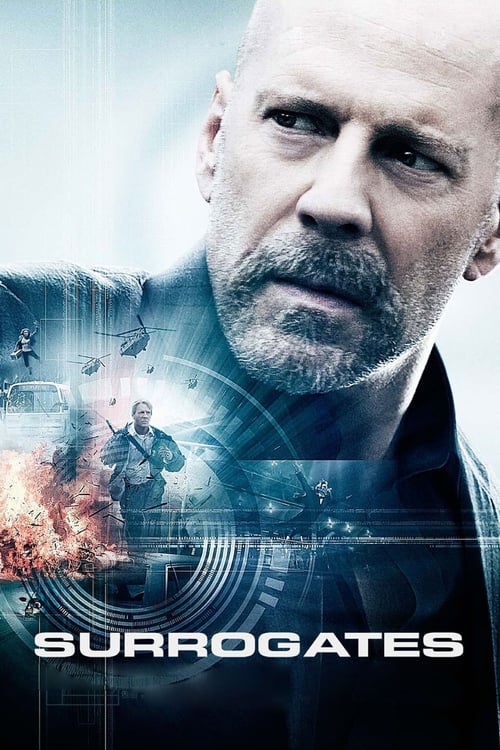
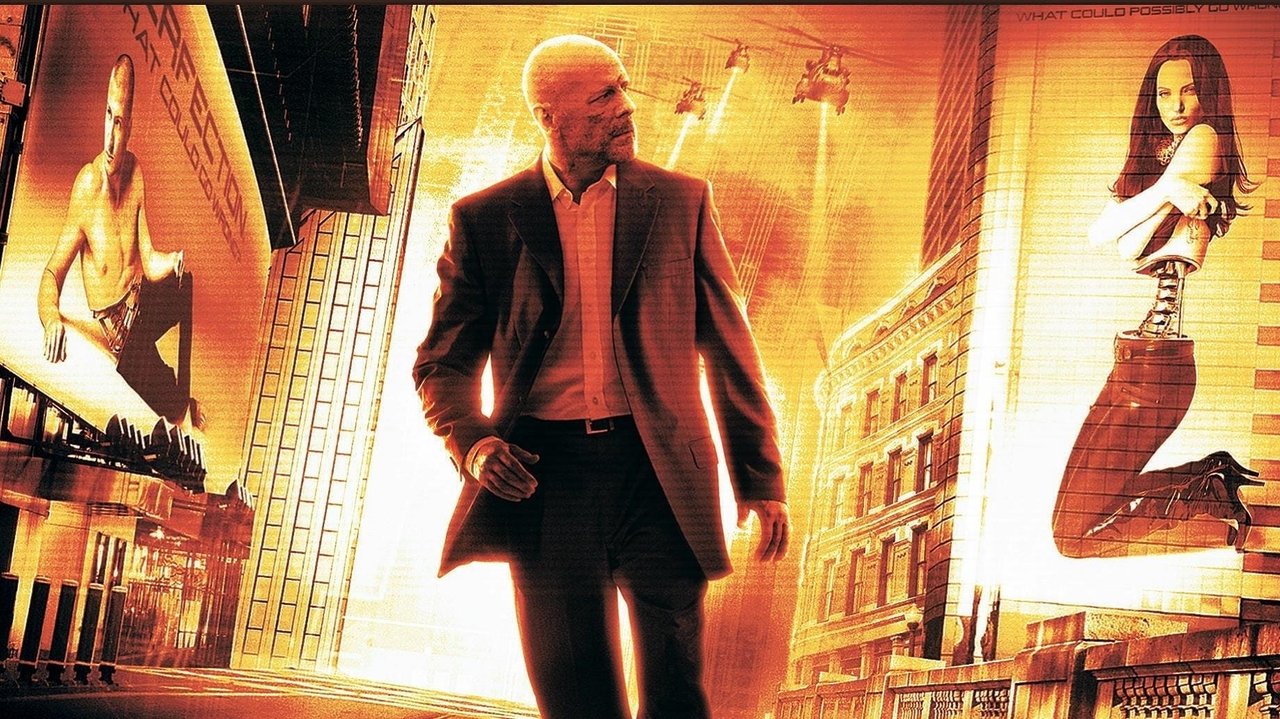
I remember seeing the poster for Surrogates in 2009 and thinking, "Finally, someone gave Bruce Willis his 1980s hair back." Of course, the joke was on me. That lush, blond coif belonged to his "surrogate"—a sleek, robotic avatar that does all the living while the real, grizzled Tom Greer sits in a high-tech massage chair at home. Watching it again recently, I realized that Surrogates is essentially a movie about what would happen if the entire world became addicted to Instagram filters and Zoom calls, roughly a decade before that actually happened.
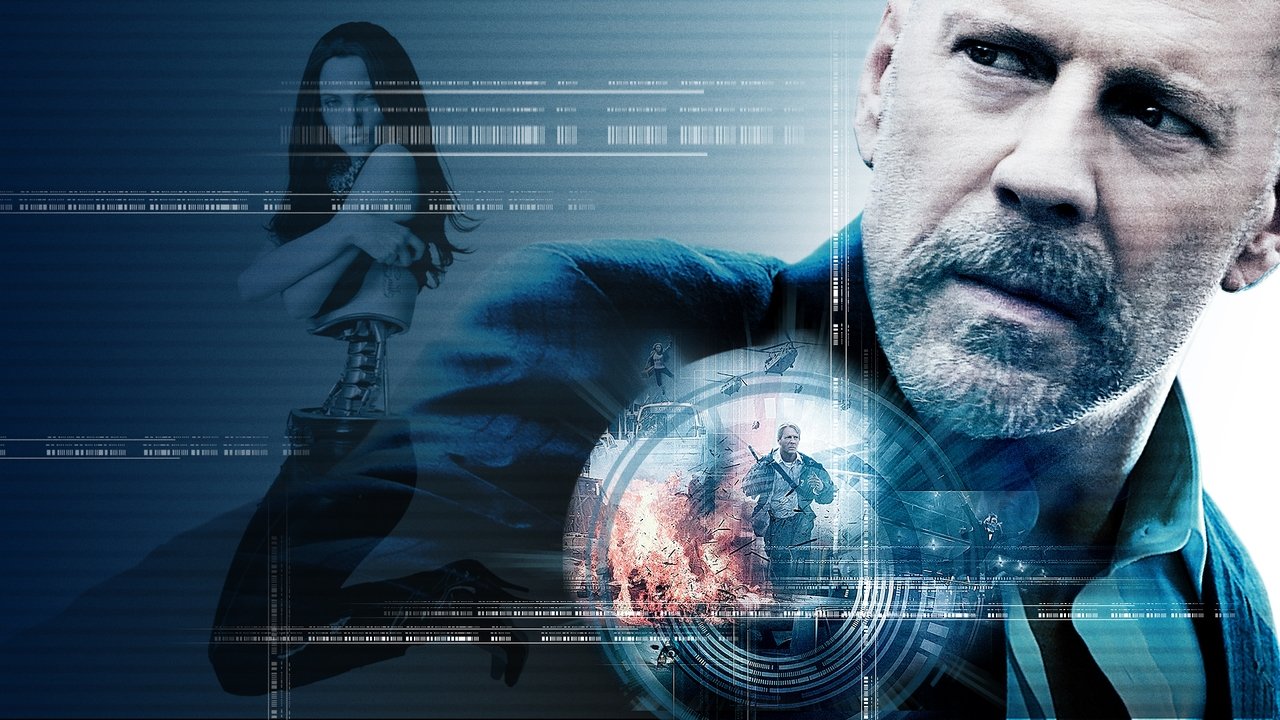
I actually watched this on a Tuesday afternoon while my neighbor was loudly practicing the bagpipes, and honestly, the sheer surrealism of the background noise paired perfectly with the "uncanny valley" visuals on screen. It’s a film that feels remarkably grounded in 2009’s technological anxieties, yet it carries a "B-movie with an A-list budget" energy that I’ve grown to appreciate more with time.
The Uncanny Valley as a Design Choice
Director Jonathan Mostow—the man who gave us the surprisingly lean Terminator 3: Rise of the Machines (2003) and the tense U-571 (2000)—made a very specific, very risky stylistic choice here. Every "surrogate" in the film is digitally airbrushed to the point of looking like a wax museum exhibit. Their skin has no pores, their hair doesn't move quite right, and their eyes have that slightly vacant, "lights are on but nobody's home" shimmer.
In most films, "uncanny valley" is a criticism. Here, it’s the point. Rosamund Pike, years before she’d chill us to the bone in Gone Girl (2014), is pitch-perfect as Maggie Greer. She plays a woman so traumatized by grief that she refuses to let her husband see her real, aging face, preferring the plastic perfection of her surrogate. Radha Mitchell (Silent Hill) also does a great job playing a cop who has to balance robotic efficiency with the fact that there’s a human driver behind the wheel. The movie effectively argues that perfection is the ultimate form of isolation, and it does so by making everyone look like they’re wearing a permanent "Beauty Mode" filter.
Mostow’s Meat-and-Potatoes Action
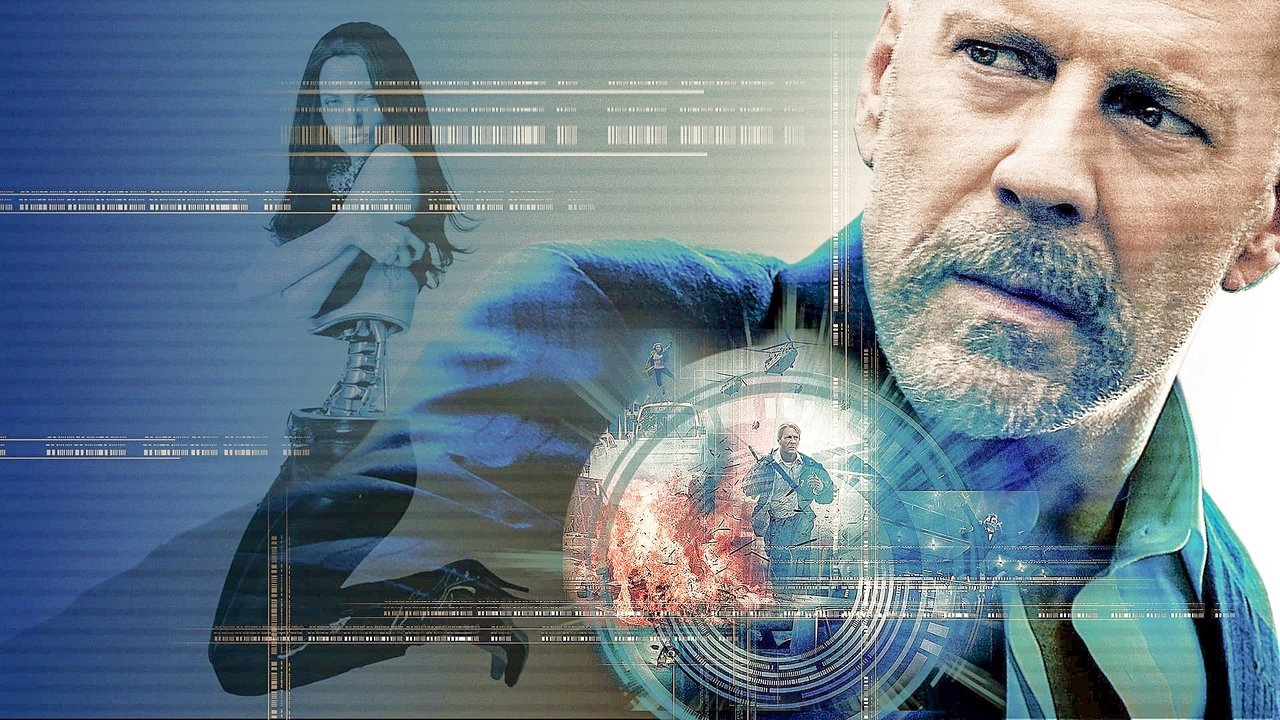
When the action kicks in, you can feel the DNA of Jonathan Mostow’s previous work. Unlike the shaky-cam chaos that dominated the post-Bourne era (ironic, since Bourne cinematographer Oliver Wood shot this), Surrogates features clear, impactful choreography. There’s a chase sequence early on involving a surrogate jumping across highway overpasses that still holds up. Because the robots can take a beating that would liquify a human, the stunts feel weightless and bone-crunching at the same time.
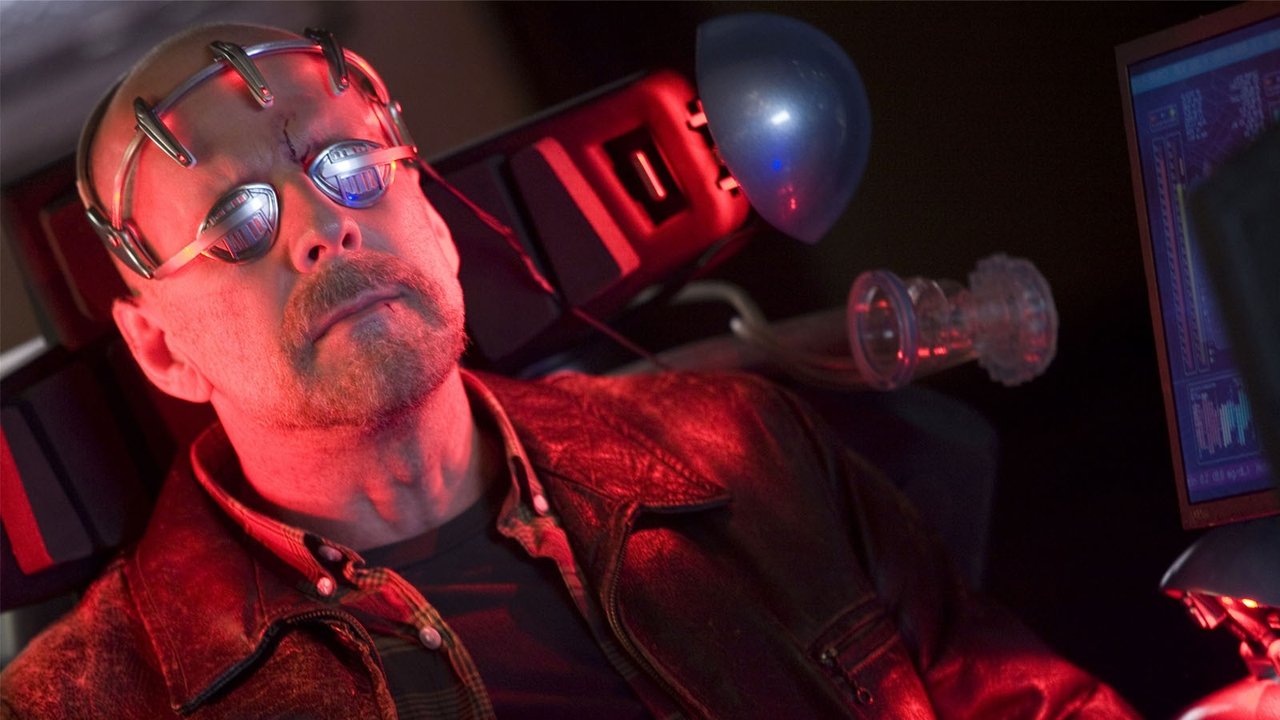
Bruce Willis is essentially playing two roles here. As the surrogate, he’s the stoic, invincible action star we know from the 90s. As the "real" Greer, he’s a mess. He’s pale, bearded, and looks like he’s lived on a diet of cigarettes and regret. It’s one of the last times I remember seeing Willis truly engaged with the material, playing the vulnerability of a man who has forgotten how to use his own legs. The sight of a bald, aging Bruce Willis wandering through a world of fake teenagers is the film’s most haunting image.
A Prophet of the Digital Age
Looking back, Surrogates has gained a bit of a cult reputation for its social commentary. Based on the graphic novel by Robert Venditti, it arrived just as social media was beginning to rewire our brains. The film features Ving Rhames (Pulp Fiction, Mission: Impossible) as "The Prophet," a leader of a human-only faction that lives on "Dread" reservations. He’s the voice of the Luddites, and while the plot eventually takes some standard thriller turns involving James Cromwell (L.A. Confidential) as the embittered creator of the tech, the core debate stays interesting.
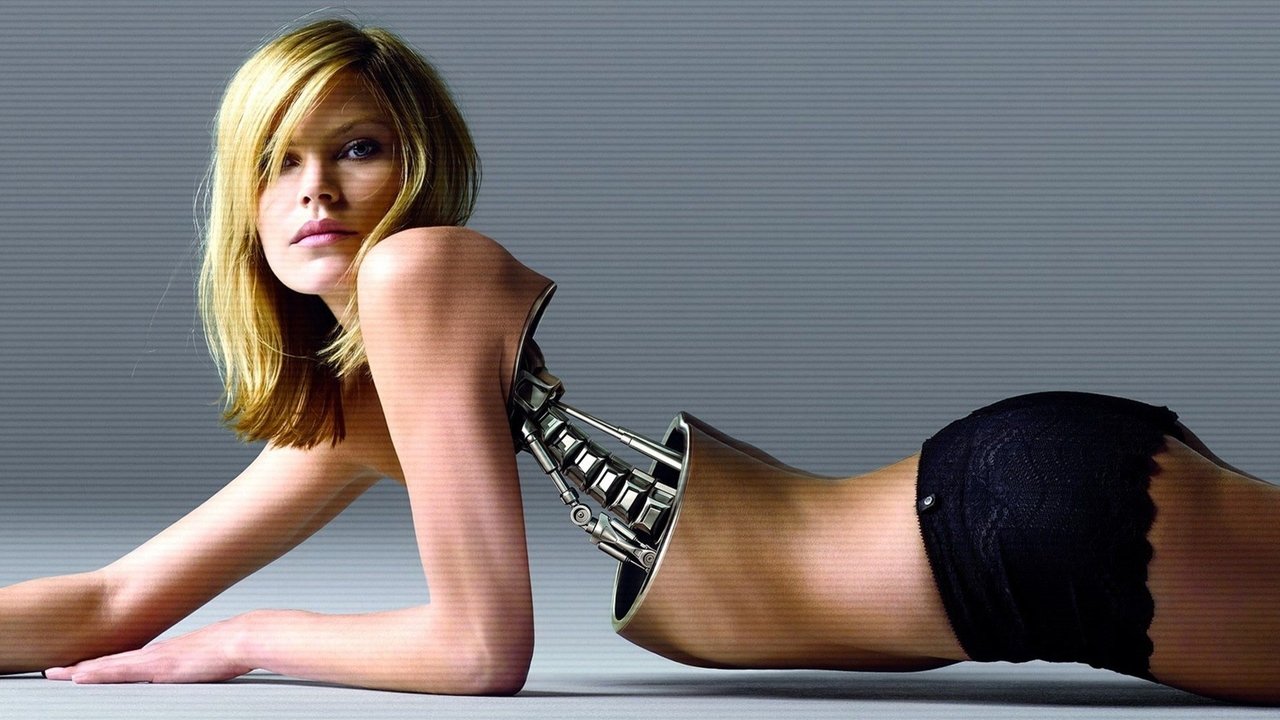
Apparently, the production was quite a feat of digital trickery. To achieve the "surrogate look," the effects team used a "skin-smoothing" technique that was pioneered for the film. They didn't just put makeup on the actors; they frame-by-frame airbrushed the skin to remove every blemish, freckle, and sign of life. It was a massive undertaking for a film that runs a lean 89 minutes. Turns out, making people look fake is a lot harder than making them look real. Another fun bit of trivia: Ving Rhames' character was originally meant to be much older, but Mostow liked Rhames’ imposing presence so much he reworked the role to fit him.
Surrogates is a sharp, efficient sci-fi thriller that probably deserved a little more love than it got in 2009. It doesn’t overstay its welcome, it has a clear visual identity, and it manages to say something meaningful about our desire to hide behind avatars. While the "whodunnit" mystery at the center is a bit predictable, the world-building is top-notch. It’s the kind of mid-budget genre flick we don't see as often anymore—one that’s happy to be a solid "B" while swinging for the fences with its themes.
If you’ve ever felt like you’ve spent too much time staring at a screen and not enough time actually breathing the air, Greer’s journey to reconnect with his own skin will resonate. It’s a reminder that while the robot version of us might look better in photos, the real version is the only one that can actually feel the sun. Just ignore the 2009-era CGI in the final act, and you’ll have a great time.
Keep Exploring...
-
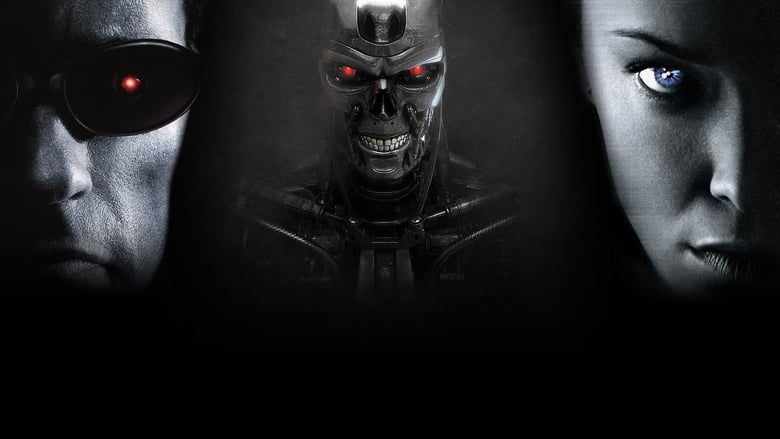
Terminator 3: Rise of the Machines
2003
-
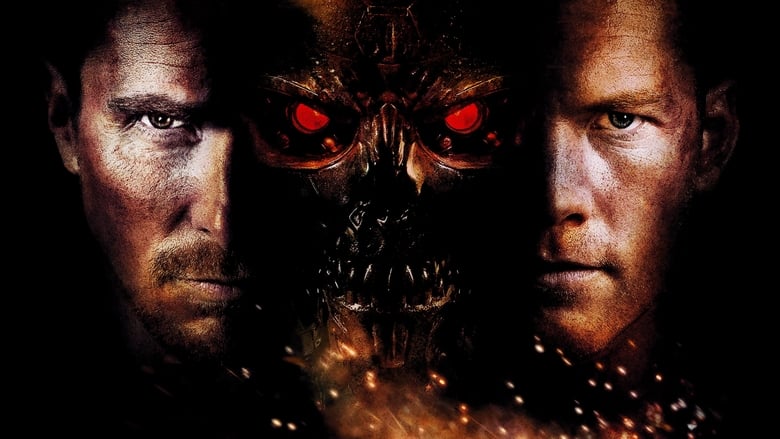
Terminator Salvation
2009
-

Æon Flux
2005
-
The Island
2005
-

X-Men: The Last Stand
2006
-
Next
2007
-
Babylon A.D.
2008
-
Gamer
2009
-

G.I. Joe: The Rise of Cobra
2009
-
The Book of Eli
2010
-

Cowboys & Aliens
2011
-
I Am Number Four
2011
-

Battleship
2012
-
Total Recall
2012
-
Elysium
2013
-

G.I. Joe: Retaliation
2013
-

World War Z
2013
-

16 Blocks
2006
-
RED 2
2013
-
Armageddon
1998