Terminator Salvation
"The future is metal, mud, and missed opportunities."
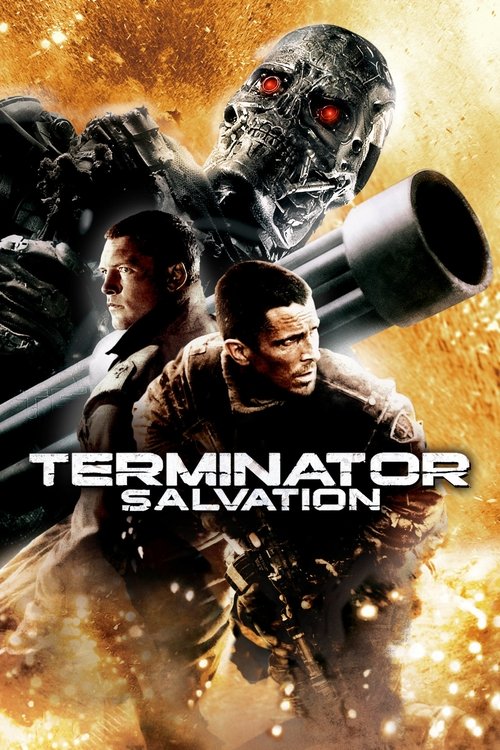
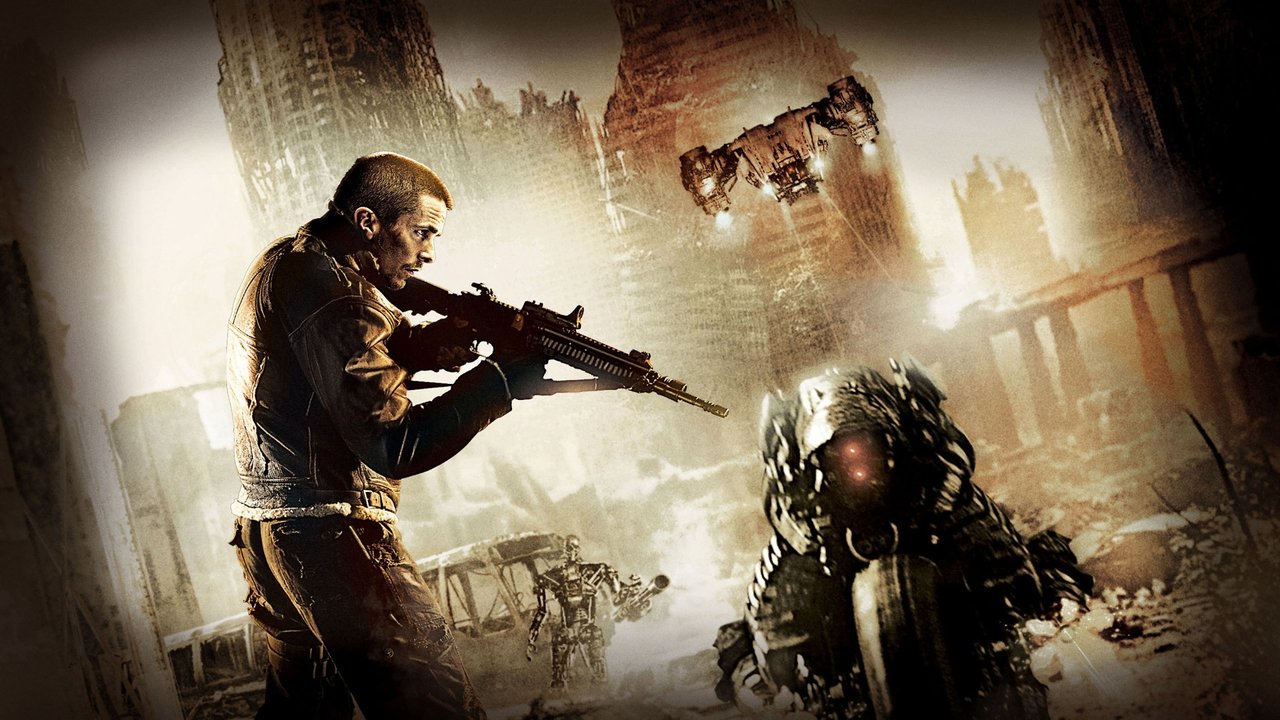
The color of the apocalypse isn’t black; it’s the sickly, sun-bleached tan of a rusted-out Chevy in the Mojave Desert. For twenty-five years, the Terminator franchise teased us with blue-tinted snippets of a high-tech nightmare—purple lasers, chrome skeletons, and piles of human skulls crushed under tank treads. But when McG took the reins for 2009’s Terminator Salvation, he decided the future shouldn’t look like a rave in a freezer. He wanted it to feel like a dirt-caked war movie, trading the sleek slasher-flick energy of the originals for something resembling Black Hawk Down with giant robots.
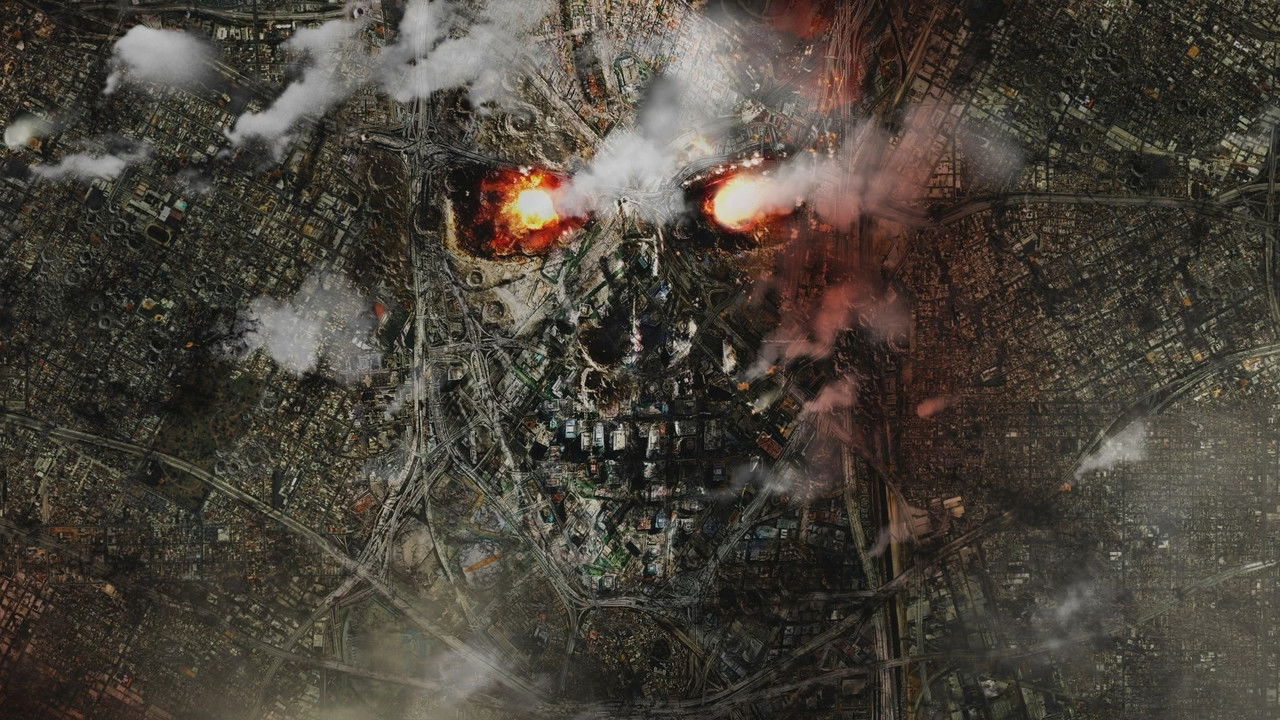
I recently rewatched this while my apartment’s radiator was clanking with a rhythmic, metallic thud that sounded suspiciously like a T-600 trying to breach my living room, which honestly provided a better 4D experience than anything I’ve paid for in a theater. Looking back, Salvation occupies a strange, lonely space in the "Modern Cinema" era. It arrived right as the industry was pivotally shifting from the gritty, desaturated "realism" of the mid-2000s toward the neon-soaked franchise blueprints of the early MCU. It’s a film that desperately wants to be taken seriously, and while it doesn't always succeed, I find its ambition far more interesting than the safe, time-traveling retreads that followed it.
The Metal and the Meat
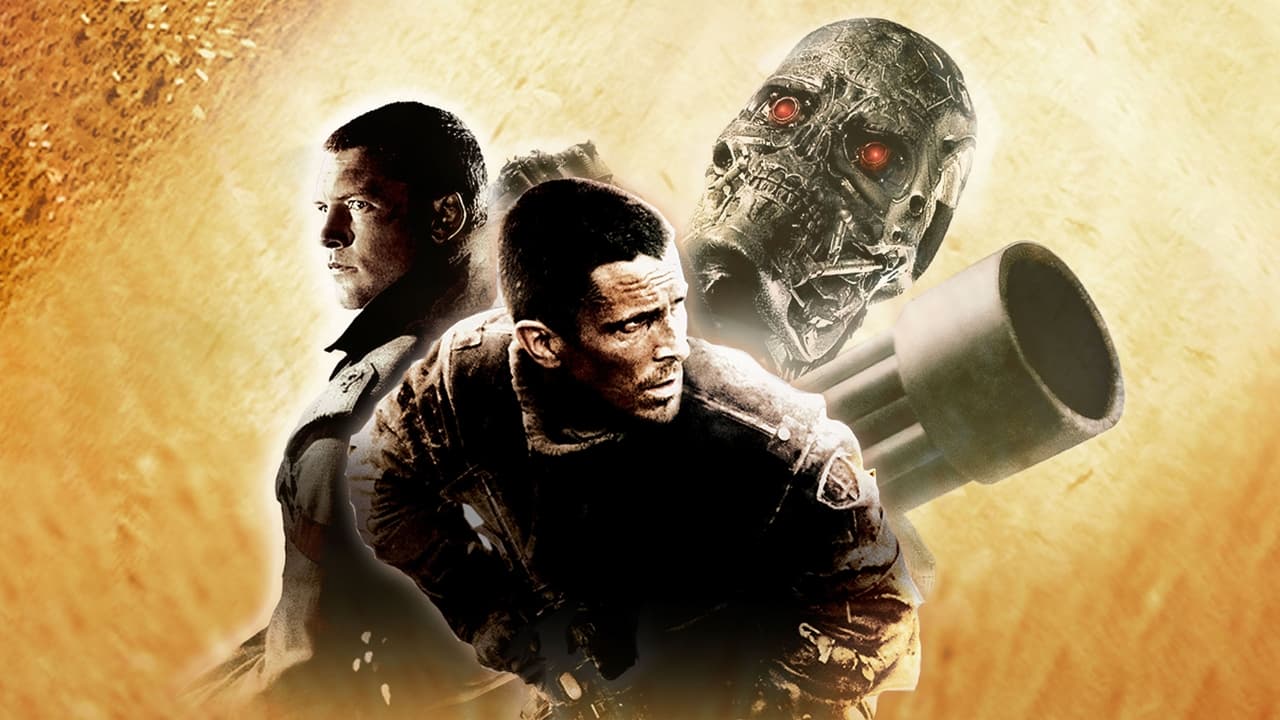
The story drops us into 2018, where Christian Bale plays John Connor not as a chosen savior, but as a gravel-voiced mid-level commander who spends most of his time yelling into radios and looking stressed. Bale is fine, but the movie actually belongs to Sam Worthington as Marcus Wright, a death-row inmate who wakes up in the post-apocalypse with no memory of how he got there. Worthington was Hollywood’s "next big thing" at the time, and he brings a rugged, confused physicality to Marcus that anchors the film.
The chemistry between Marcus and a young Kyle Reese (played by the late, wonderful Anton Yelchin) provides the movie’s best moments. Yelchin is a standout here, perfectly capturing the nervous, resourceful energy Michael Biehn established in 1984. When they are navigating the ruins of Los Angeles, dodging "Aerostats" and giant "Harvesters," the movie feels like a genuine expansion of the lore. It’s the only sequel that actually tried to be its own thing instead of a greatest-hits cover band, and for that, I’m willing to forgive a lot of its narrative clunkiness.
Practical Grime in a Digital Age
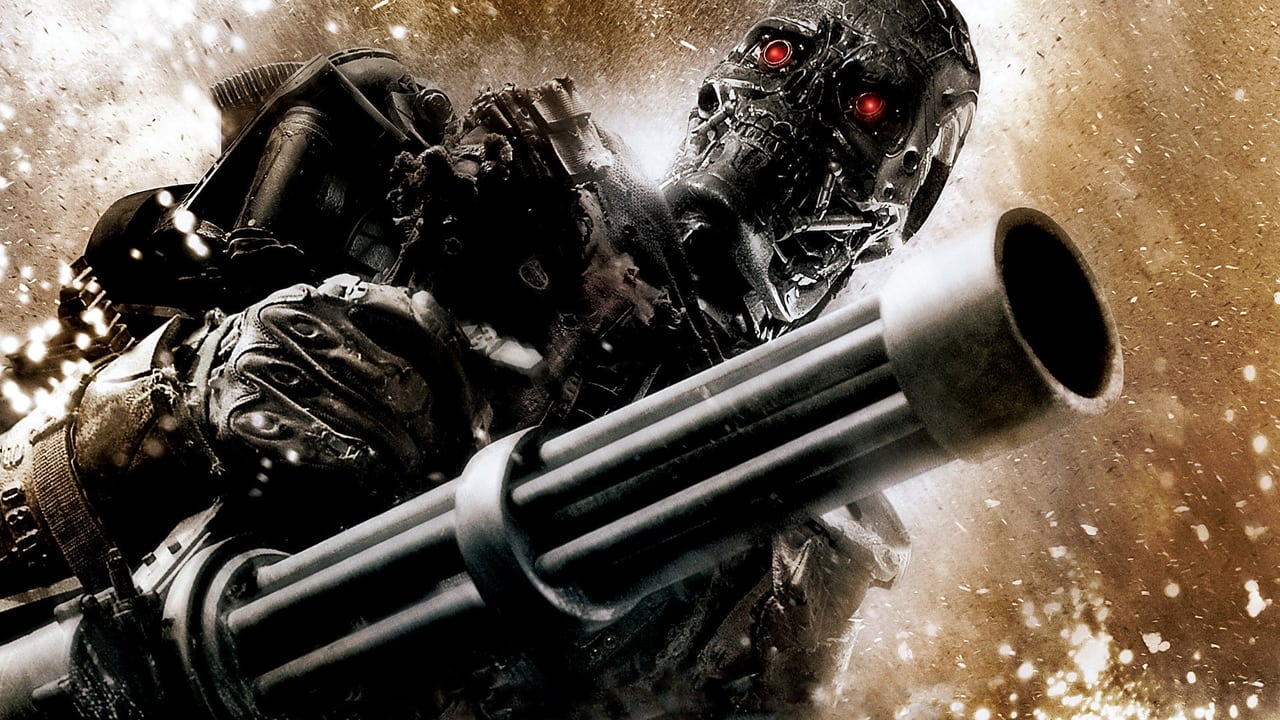
What holds up surprisingly well is the tactile nature of the action. This was a transitional period for CGI, and Salvation leans heavily on the legendary Stan Winston Studio (Winston sadly passed away during production, making this his final Terminator film). The T-600s—the clunky, rubber-skinned precursors to the T-800—are massive, terrifying practical puppets. When a T-600 is dragging its half-destroyed chassis across a floor to get at our heroes, you feel the weight of the metal.
The Harvester sequence at the gas station is a masterclass in scale and sound design. The way the machine "folds" out of a transport ship is terrifying, and the subsequent chase involving "Moto-Terminators" (which were actually based on Ducati frames) has a physical crunch that modern, entirely digital action scenes often lack. McG and cinematographer Shane Hurlbut used a specialized film processing technique to give the movie a grainy, high-contrast look that feels like it’s been buried in a sandbox for a decade. It’s a bold aesthetic choice that effectively communicates a world where the sun is always too bright and the water is always gone.
The Cult of the "What If?"
Over the years, Salvation has grown into a bit of a cult curiosity, largely because of the "behind-the-scenes" drama that almost eclipsed the film itself. Most people remember Christian Bale’s infamous on-set meltdown at Shane Hurlbut, but for fans of the franchise, the real intrigue lies in the original script. Apparently, the initial ending was much darker: John Connor was supposed to die, and Marcus Wright would have had Connor’s skin grafted onto his machine skeleton to keep the "legend" of the Resistance leader alive. Test audiences (unsurprisingly) hated it, and the studio pivoted to the safer heart-transplant ending we see on screen.
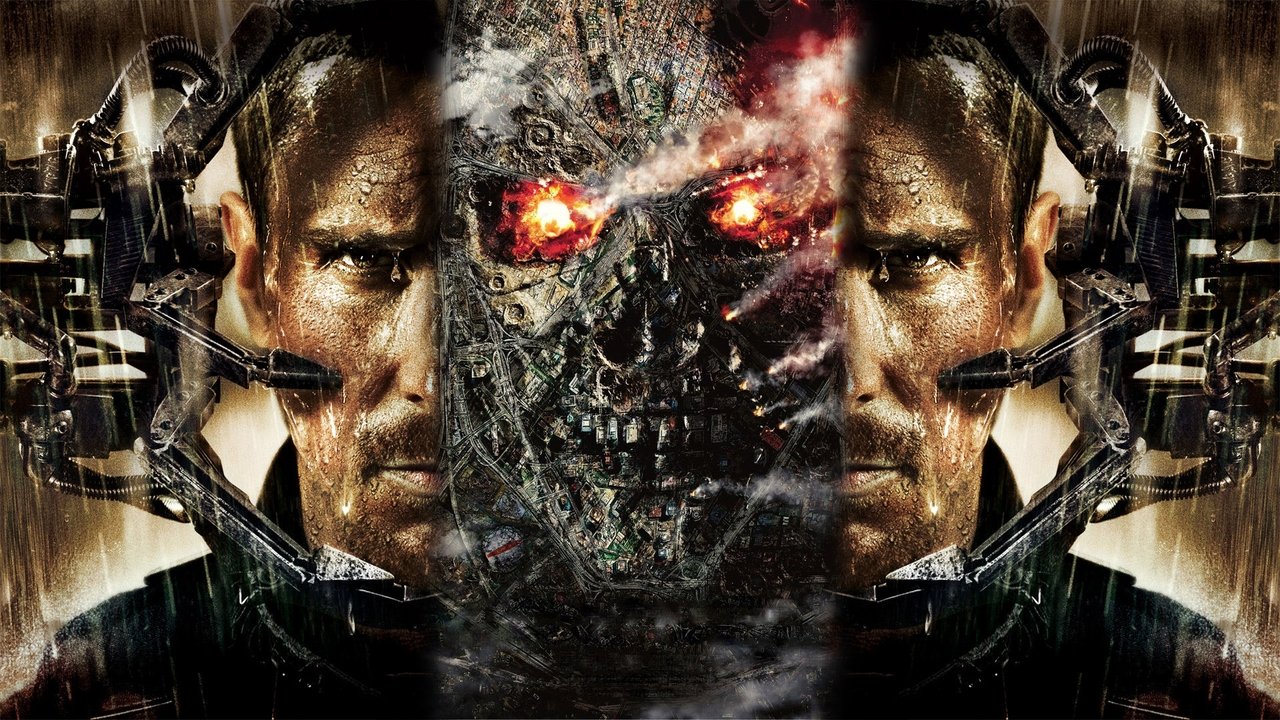
There’s also the fascinations of the "unrated" cut, which added more grit and a brief appearance by Helena Bonham Carter as a digital ghost of Skynet. The film also features a CGI-faced Arnold Schwarzenegger—one of the earliest attempts at digital de-aging and facial replacement. At the time, it looked a bit like a high-end PlayStation 3 cinematic, but in the context of a 2009 blockbuster, it was a jaw-dropping moment of tech-wizardry that signaled where the industry was headed.
Ultimately, Terminator Salvation is a gorgeous, loud, and slightly hollow war movie that deserves points for refusing to play the hits. It lacks the philosophical soul of James Cameron’s entries, but it replaces it with an earnest, dirt-under-the-fingernails grit that I find myself missing in today's overly polished blockbusters. It’s a film that failed to launch a new trilogy, but succeeded in giving us a singular, scorched-earth vision of a future we’ve been hearing about since the 80s. It’s not a masterpiece, but in a world of assembly-line sequels, it’s a fascinating, heavy-metal outlier.
Keep Exploring...
-
Terminator 3: Rise of the Machines
2003
-
Terminator Genisys
2015
-

Terminator: Dark Fate
2019
-
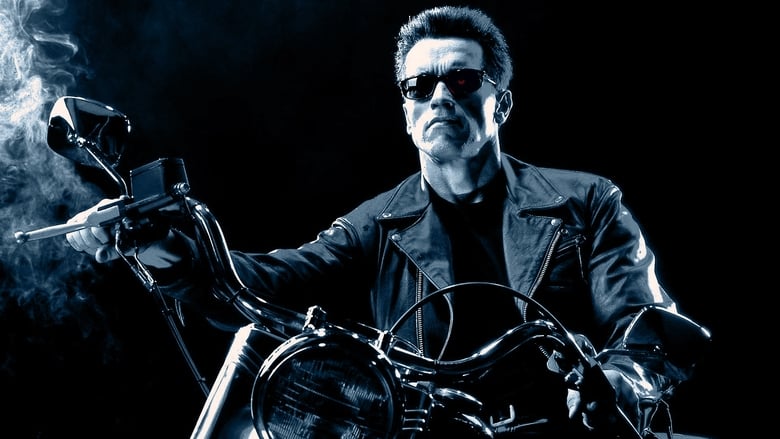
Terminator 2: Judgment Day
1991
-
Surrogates
2009
-

3 Days to Kill
2014
-
Equilibrium
2002
-

Æon Flux
2005
-

The Island
2005
-

X-Men: The Last Stand
2006
-
Next
2007
-
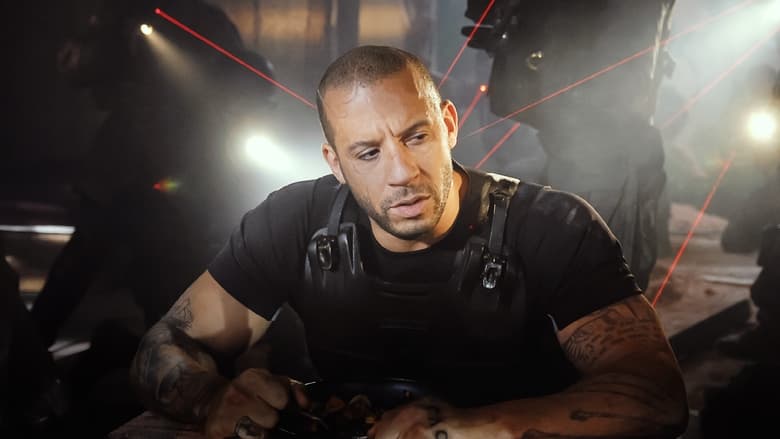
Babylon A.D.
2008
-
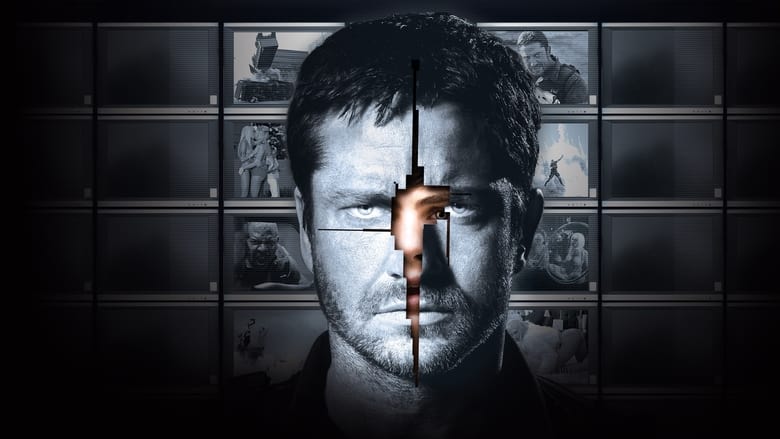
Gamer
2009
-

G.I. Joe: The Rise of Cobra
2009
-
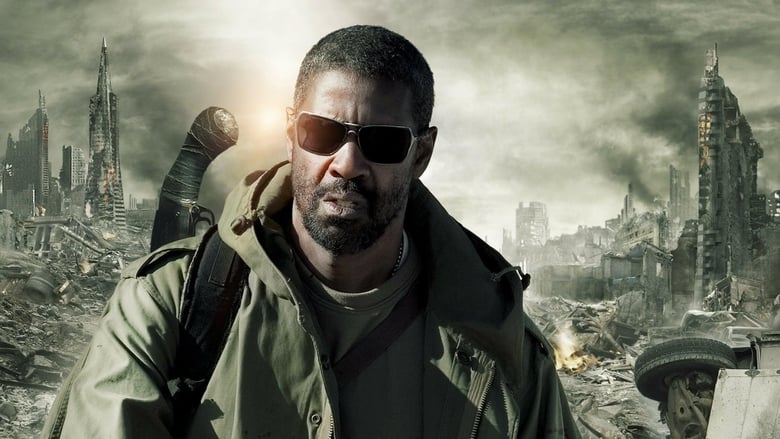
The Book of Eli
2010
-
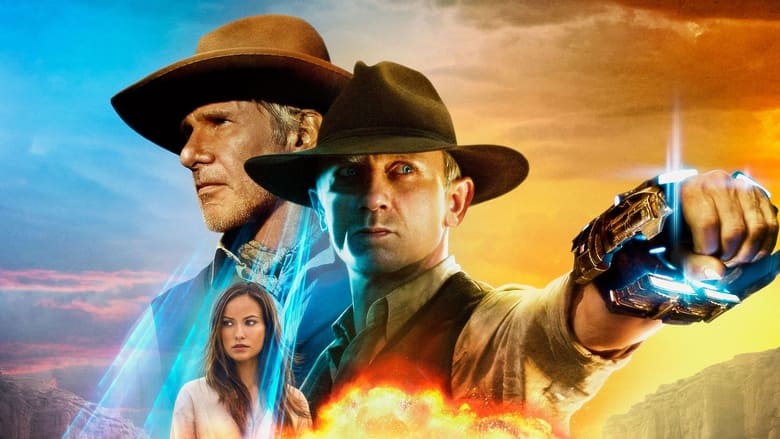
Cowboys & Aliens
2011
-
I Am Number Four
2011
-

Battleship
2012
-
Total Recall
2012
-
Elysium
2013