The Blind Side
"Generosity is the ultimate contact sport."
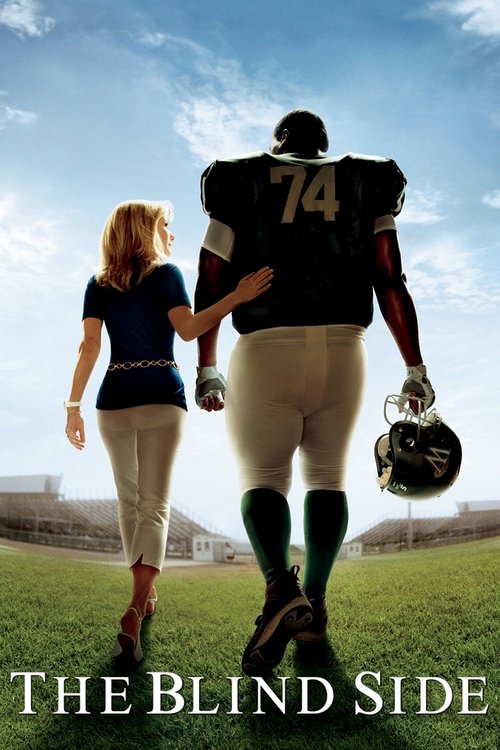
In the late 2000s, Hollywood was obsessed with a very specific kind of cinematic alchemy: the "Unlikely True Story." We were knee-deep in a decade that had already given us Seabiscuit and Pursuit of Happyness, films designed to be warm blankets for a post-9/11, mid-recession audience. But no one—not even the most optimistic suit at Alcon Entertainment—could have predicted that a $29 million drama about a Memphis interior designer and a homeless teenager would out-earn the year’s biggest franchise sequels. I watched this again recently on a humid Tuesday while eating a slightly stale bagel, and it struck me how much this film serves as a time capsule for an era of "pre-algorithm" blockbusters.
The Bullock Power Hour
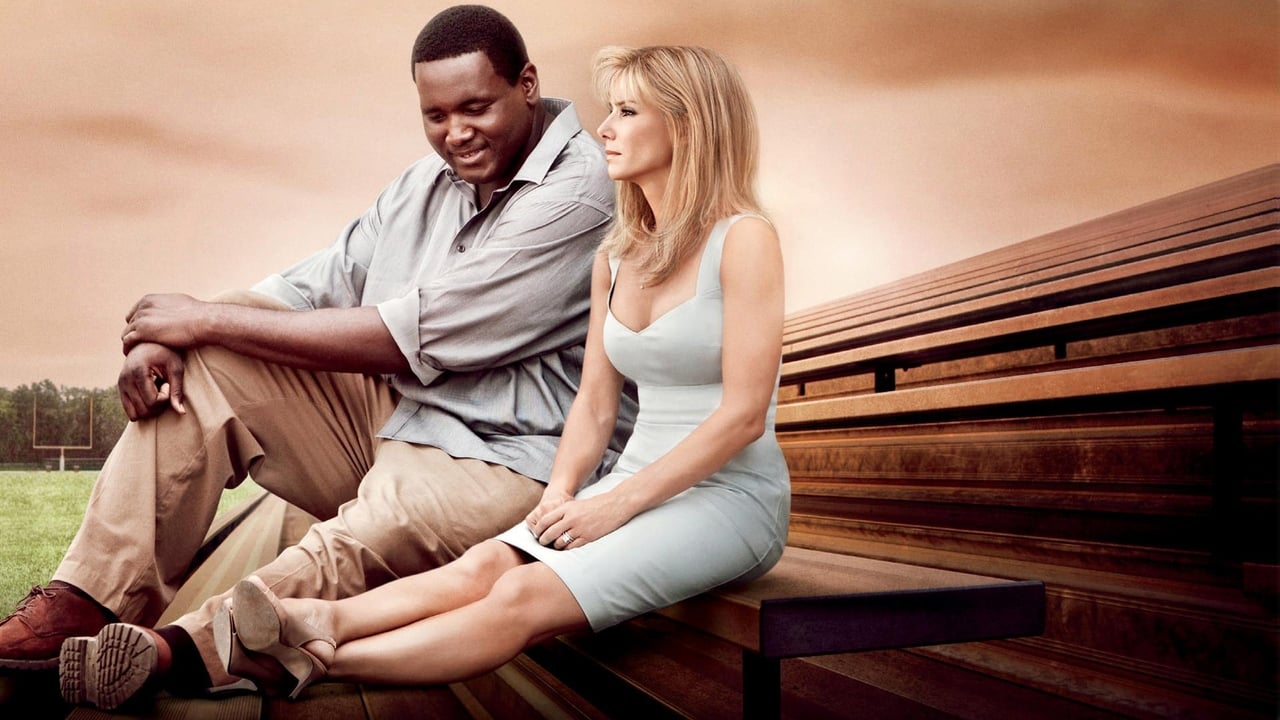
This movie doesn’t just star Sandra Bullock; it is a controlled demolition performed by her charisma. In 2009, Bullock was at a fascinating crossroads. We knew her as the "America's Sweetheart" of the 90s, the girl from Speed and Miss Congeniality. But here, she stepped into the blonde, high-heeled shoes of Leigh Anne Tuohy and essentially willed the film into the cultural stratosphere. Looking back, her Oscar win feels less like a reward for "prestige acting" and more like a coronation for a movie star who finally figured out how to weaponize her likability.
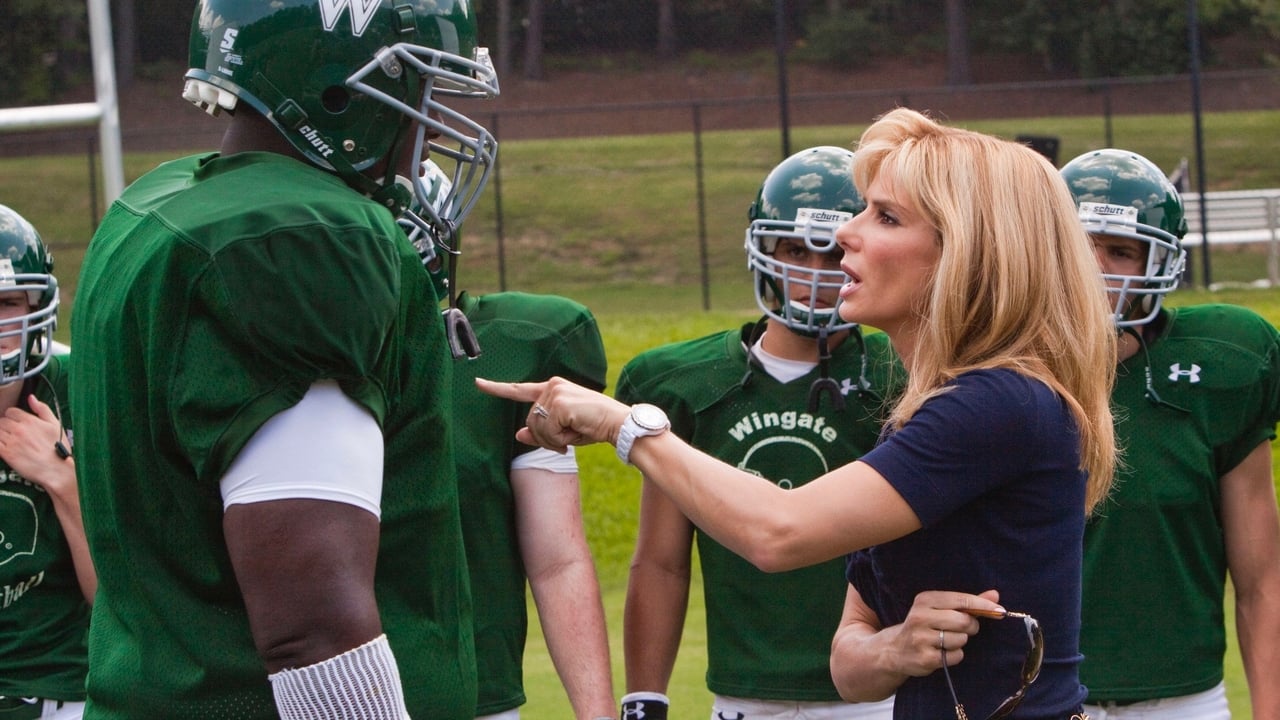
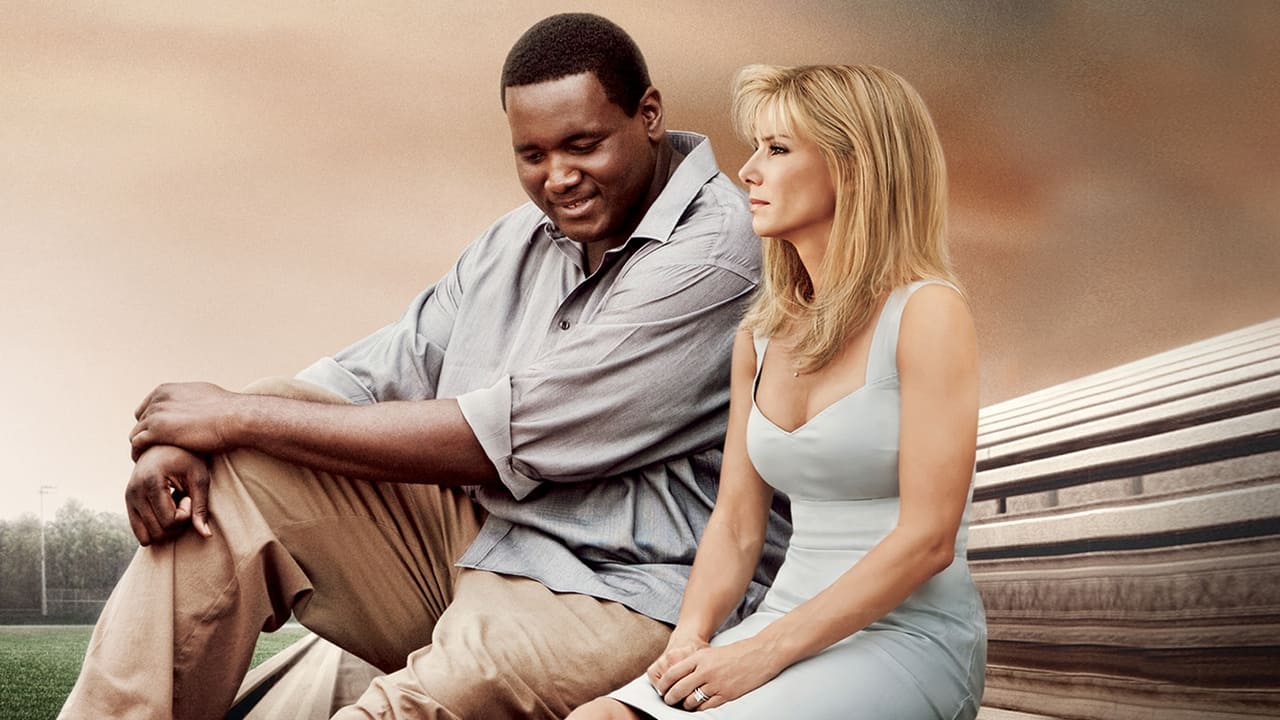
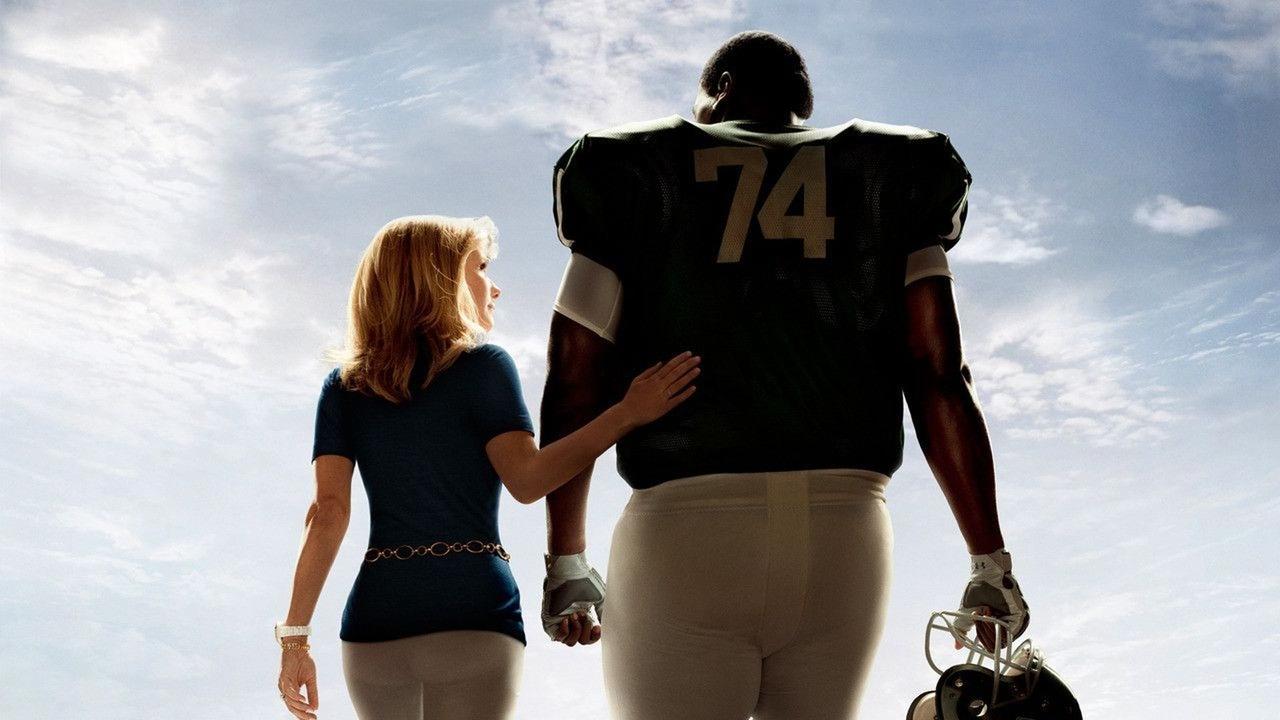
She plays Leigh Anne with a terrifying, locomotive energy. Whether she’s staring down gang members or lecturing a college football coach (Ray McKinnon), she’s the sun that the rest of the cast orbits. Tim McGraw is perfectly serviceable as the "yes-dear" husband, and Quinton Aaron does a mountain of heavy lifting with very little dialogue. Aaron’s Michael Oher is a gentle, silent presence, which allows the film to function as a drama, but also creates its most significant philosophical hurdle: Michael is often a passenger in his own life story.
The Ethics of the "Blind Side"
If we treat The Blind Side as more than just a feel-good Saturday afternoon watch, it becomes a fascinating study in the American gaze. The title itself is a metaphor for protection—the offensive tackle protecting the quarterback’s vulnerable side. But in a more cerebral sense, the film is about what the characters choose not to see. John Lee Hancock’s script leans heavily into the idea of "nurture over nature," but it does so by occasionally flattening Michael Oher’s actual agency.
I’ve always found it interesting that the film treats Michael’s football IQ as something that had to be "unlocked" by Leigh Anne using family metaphors. In reality, Oher was a student of the game long before he met the Tuohys. When you reassess the film today, it’s hard to ignore the "white savior" critiques that have only grown louder in the years since its release. It’s a film that asks us to celebrate a radical act of charity, but it rarely pauses to ask why the system failed Michael so completely in the first place. It chooses the individual "win" over a systemic "why," which is exactly what 2009 audiences, weary from the global financial collapse, were desperate to see.
A Box Office Miracle
We have to talk about the numbers because they are, frankly, insane. The Blind Side didn’t just make money; it became a genuine phenomenon. It is the first film in history to be marketed with a single female star's name above the title to cross the $200 million mark domestically. At one point, it actually beat The Twilight Saga: New Moon in its second week—an unheard-of feat of "legs" in an industry that usually sees a 50% drop-off.
The DVD era was in its twilight (pun intended), but this was a film built for that market. It was the quintessential "gift for Mom" or the movie you’d find playing in the background of every dental waiting room in the country. The trivia reveals how lean the production was: Sandra Bullock actually took a pay cut in exchange for a percentage of the profits. Given that the movie raked in over $300 million worldwide, she ended up with a payday that would make a superhero blush. It was a masterclass in betting on yourself.
Ultimately, The Blind Side is a polished, highly effective emotional machine. It’s a film that knows exactly which buttons to push and when to push them. While the recent real-world legal friction between Michael Oher and the Tuohys casts a bit of a shadow over the "happily ever after" ending, the movie remains a fascinating relic of a time when a simple drama could still be a world-beating blockbuster. It’s not as deep as it thinks it is, but as a vehicle for Sandra Bullock’s supernova-level stardom, it’s still an impressive watch.
Keep Exploring...
-
Saving Mr. Banks
2013
-
The Passion of the Christ
2004
-
Apocalypto
2006
-
The Reader
2008
-
The Proposal
2009
-
Seven Pounds
2008
-
The King's Speech
2010
-
PK
2014
-
The Bridges of Madison County
1995
-
Remember the Titans
2000
-
P.S. I Love You
2007
-
Brokeback Mountain
2005
-
Coach Carter
2005
-

Little Miss Sunshine
2006
-

Flipped
2010
-
The Help
2011
-
Nebraska
2013
-
The Book Thief
2013
-
Closer
2004
-
The Princess Diaries 2: Royal Engagement
2004