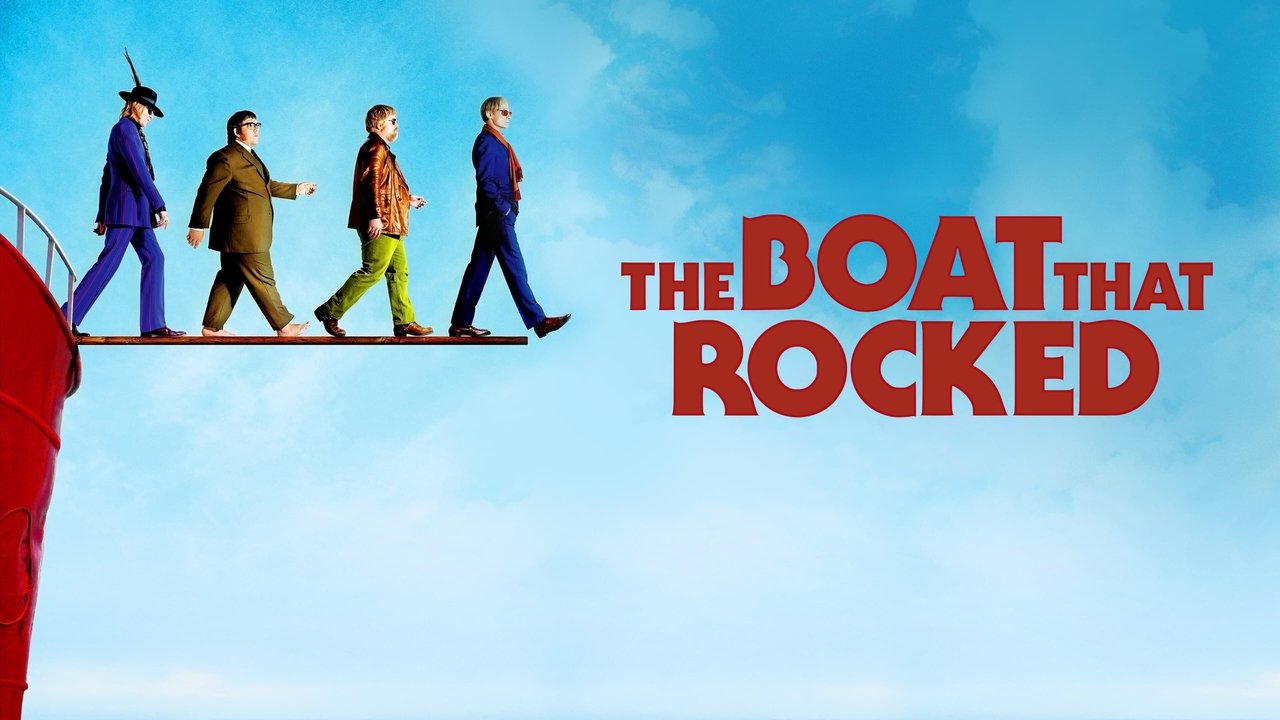
The Boat That Rocked
"Turn it up, man. The law can’t swim."
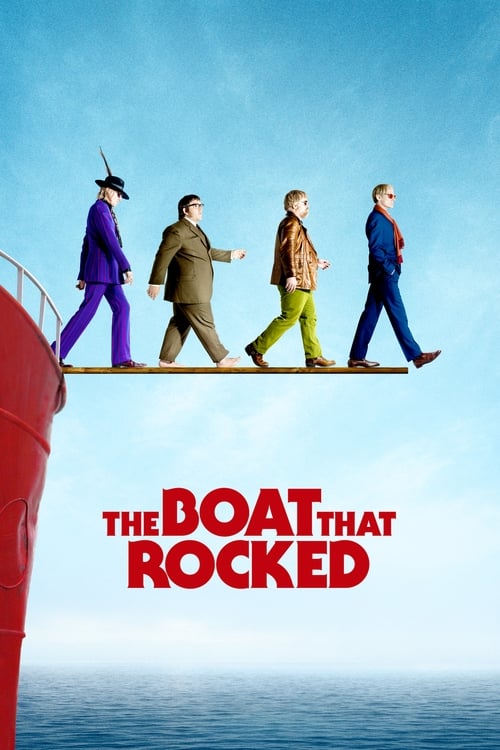
There is a specific, crackling magic that happens when you find a movie that feels like it was made specifically for your own record collection. I remember the first time I saw The Boat That Rocked—known to some of my American friends by the slightly more generic title Pirate Radio—I was sitting in my cramped first apartment, eating a bowl of microwave popcorn that was 40% unpopped kernels, and feeling like I’d just been invited to the best party on the planet. I didn’t have a desk yet, so I was balancing my laptop on a stack of old Rolling Stone magazines, and the irony wasn't lost on me.
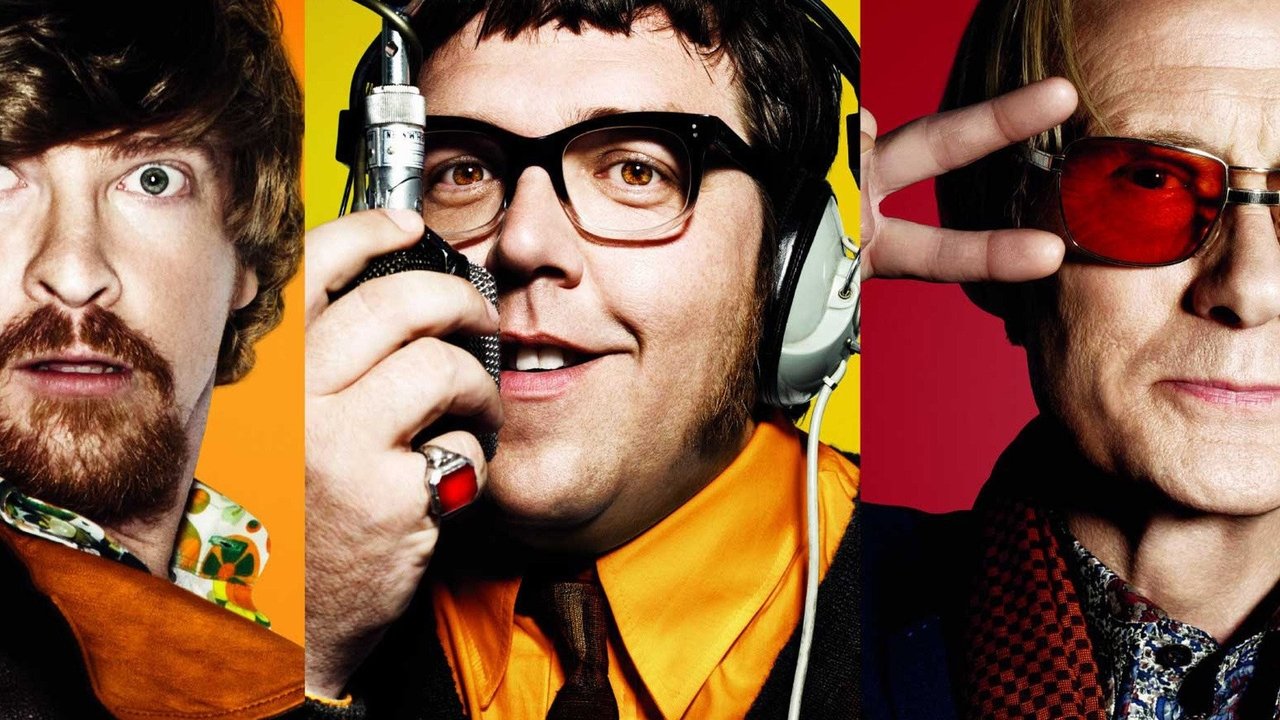
Richard Curtis’s 2009 love letter to the 1960s pirate radio era is a messy, sprawling, overstuffed, and deeply sentimental film. It’s also a total blast. It captures that transition in the late 2000s where we were all starting to move toward streaming, yet still felt a deep, tactile attachment to the idea of "the DJ" as a shaman of cool.
A Floating Island of Misfit Toys
The premise is simple: in 1966, the BBC only played about 45 minutes of pop music a day. In response, a group of rebellious DJs took to the North Sea, broadcasting rock ‘n’ roll from a rusty tanker called the Radio Rock. Our way into this world is Carl (Tom Sturridge), a teenager sent to the ship by his mother (Emma Thompson) to be "straightened out" by his godfather, Quentin, played with a wonderfully aloof, velvet-suited grace by Bill Nighy.
But let’s be honest, we aren’t here for Carl’s coming-of-age story. We’re here for the DJs. This is an ensemble cast that feels like a fantasy football draft of British and American character actors. You’ve got Nick Frost as Dave, the resident "doctor of love" who somehow hooks up with everyone despite looking like he lives in a sweater made of pub floor lint. You’ve got the legendary Philip Seymour Hoffman as The Count, an American DJ who treats music like a holy sacrament.
Philip Seymour Hoffman brings a weight to this role that a lesser actor would have skipped. When he talks about the importance of rock ‘n’ roll, you believe him. His chemistry with Rhys Ifans, who plays the returning superstar DJ Gavin Kavanagh, is electric. Their "chicken" game—climbing to the top of the ship's radio mast—is one of those scenes that captures the literal and metaphorical "highs" of the era. I genuinely think Rhys Ifans should have been given a spin-off movie just for his wardrobe and that strut.
The Curtis Vibe vs. Historical Reality
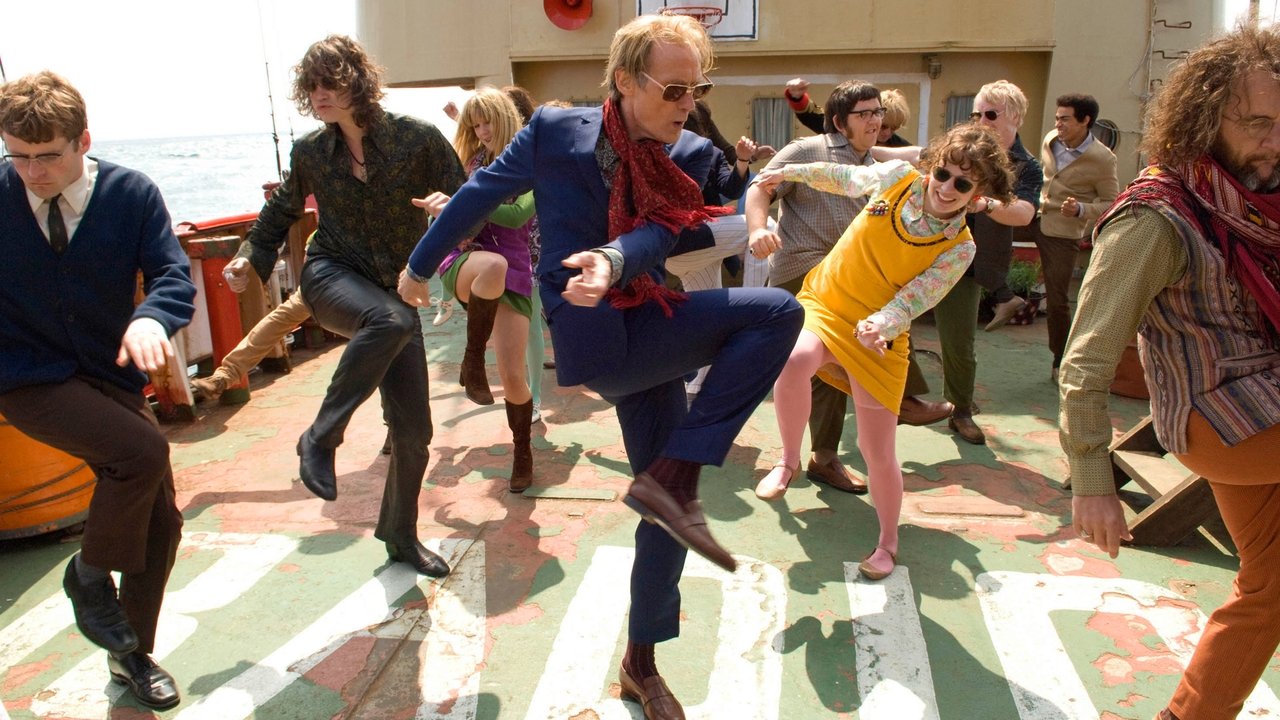
If you’re looking for a gritty, historically accurate documentary about the offshore radio wars of the 60s, you are in the wrong place. Richard Curtis (the mind behind Love Actually and Notting Hill) treats the 60s as a Technicolor playground. The government antagonists, led by Kenneth Branagh as the pinched, tea-sipping Sir Alistair Dormandy, are essentially cartoon villains. They exist only to provide a "The Man" to rebel against.
The government subplot is basically a Saturday morning cartoon, and honestly, the movie would be better if we never left the boat. Every time the camera cuts back to the grey offices of London, I found myself checking my watch, waiting to get back to the hull of the Radio Rock.
The film is long—135 minutes—and it meanders. It’s episodic. It stops for weddings, for birthdays, for heartbreaks. But that’s the point. It feels like a long-playing record. You don't listen to the 1960s for the efficiency; you listen for the groove. The cinematography by Danny Cohen captures the ship with a warmth that makes you ignore the fact that it’s probably cold, wet, and smells like old ham.
DVD Culture and the "Director's Cut" Era
Looking back from 2024, The Boat That Rocked feels like a classic "DVD discovery." It bombed at the box office, making only about $36 million against a $50 million budget. Critics at the time were a bit sniffy about its length and sentimentality. But then it hit the home video market.
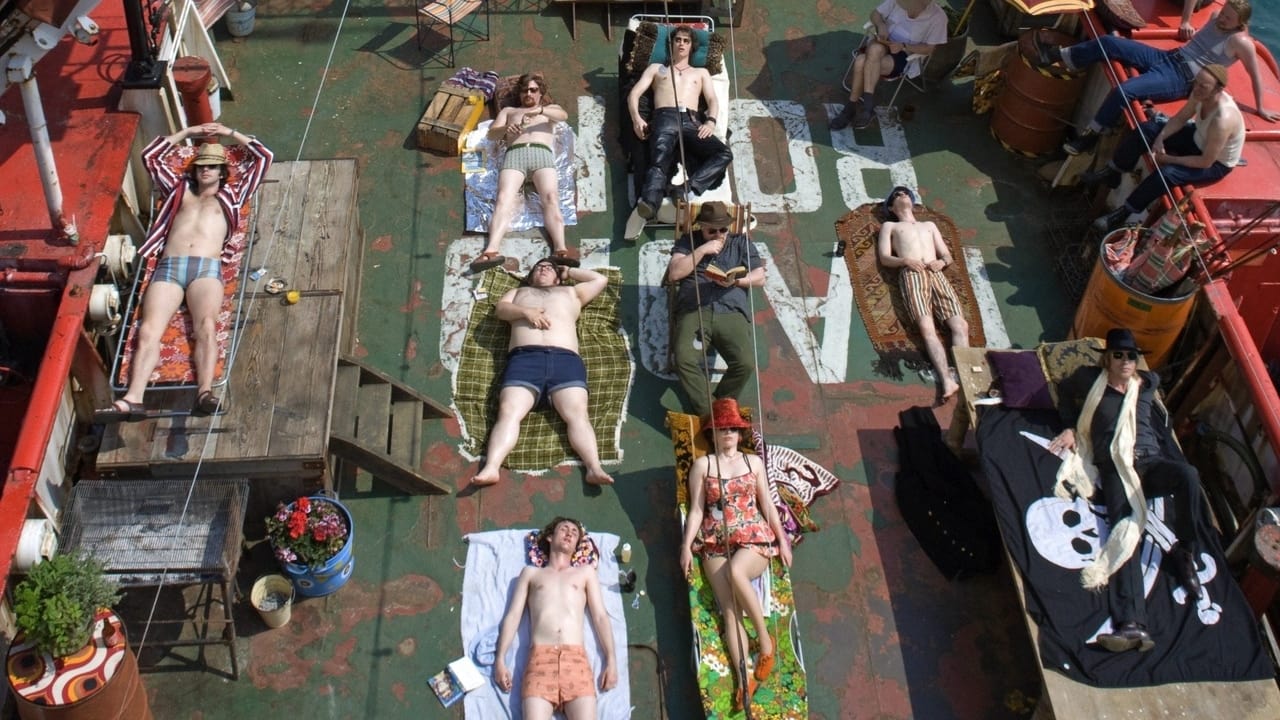
I remember the DVD release being a huge deal among my friends because the deleted scenes were actually good. There’s a version of this film that is even longer, filled with more musical cues and side-quests for the DJs. This was the era where we still valued the "Special Edition" and the behind-the-scenes trivia that made us feel like insiders. For instance, the cast actually lived on the ship for a period during filming to build that "cabin fever" camaraderie, and you can see it in the way they lean on each other.
The soundtrack, supervised by Hans Zimmer, is obviously the backbone. Whether it’s The Kinks, The Who, or Cat Stevens, the music isn’t just background noise; it’s the dialogue. The film’s climax, which involves a sinking ship and a literal sea of floating vinyl records, is the kind of cinematic imagery that stays with you. It’s a bit manipulative, sure, but when the music swells, I defy anyone with a pulse not to feel a lump in their throat.
Ultimately, this is a film about the moments that make life worth living—the ones that happen between the songs. It’s about the fact that even when the "The Man" tries to shut down the broadcast, the music has already leaked into the airwaves. It’s not perfect, it’s far too long, and it’s occasionally silly, but it has a heart the size of a radio mast. If you’ve ever stayed up too late listening to a playlist that reminded you of someone you used to love, this movie belongs to you.
When the credits roll to the sound of "Stay with Me," you’ll realize that while the ship might have sunk, the vibe is unsinkable. It’s a reminder that being "out of control" is sometimes the only way to be truly alive. Turn it up.

Keep Exploring...
-

Love Actually
2003
-

About Time
2013
-
Stranger Than Fiction
2006
-
Mary and Max
2009
-
The Life Aquatic with Steve Zissou
2004
-
Just Like Heaven
2005
-
The Longest Yard
2005
-

We Bought a Zoo
2011
-
The Secret Life of Walter Mitty
2013
-
The Chorus
2004
-

The Darjeeling Limited
2007
-

Camp Rock
2008
-
3 Idiots
2009
-

What If
2013
-
Inherent Vice
2014
-
Punch-Drunk Love
2002
-
Shaun of the Dead
2004
-
Pride
2014
-

Arthur Christmas
2011
-
Fear and Loathing in Las Vegas
1998