The Box
"One choice. A million dollars. Someone you’ve never met."
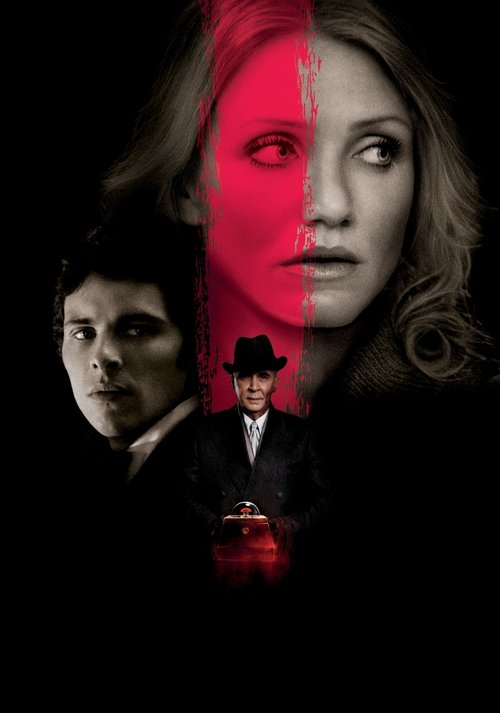
I remember watching The Box in a cramped basement apartment during a rainstorm, while a leaky pipe in the corner provided a rhythmic drip-drip-drip that felt like it was perfectly synced to the film’s mounting dread. By the time the credits rolled, I wasn’t sure if I wanted to recommend it to everyone I knew or warn them to stay far, far away. That is the quintessential Richard Kelly experience.
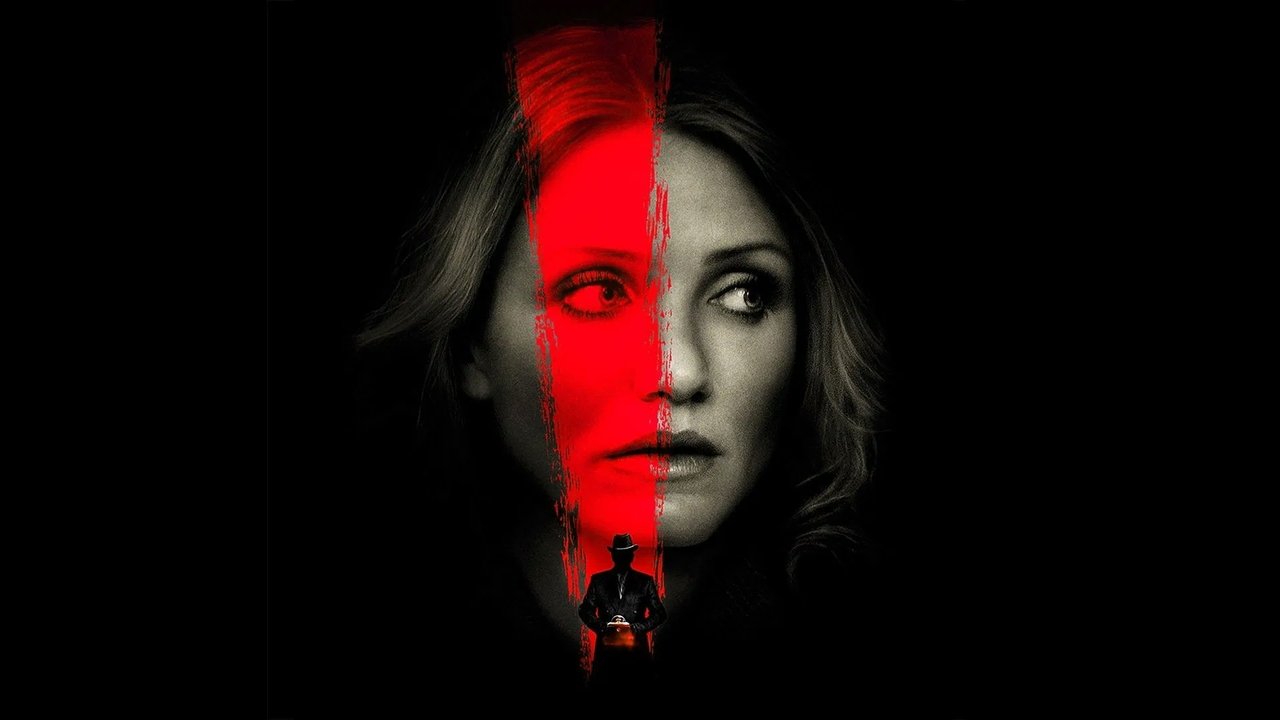
Released in 2009, The Box arrived at a strange crossroads in cinema. We were transitioning out of the gritty, shaky-cam 2000s and into the polished digital era, and Richard Kelly—the wunderkind behind Donnie Darko—was trying to prove he could handle a studio budget without losing his indie-weirdo soul. He didn't just keep his soul; he doubled down on the weirdness, resulting in a film that earned a rare "F" CinemaScore from opening-weekend audiences. For a certain type of film nerd, that "F" is actually a high-priority recommendation.
The Million-Dollar Moral Hangover
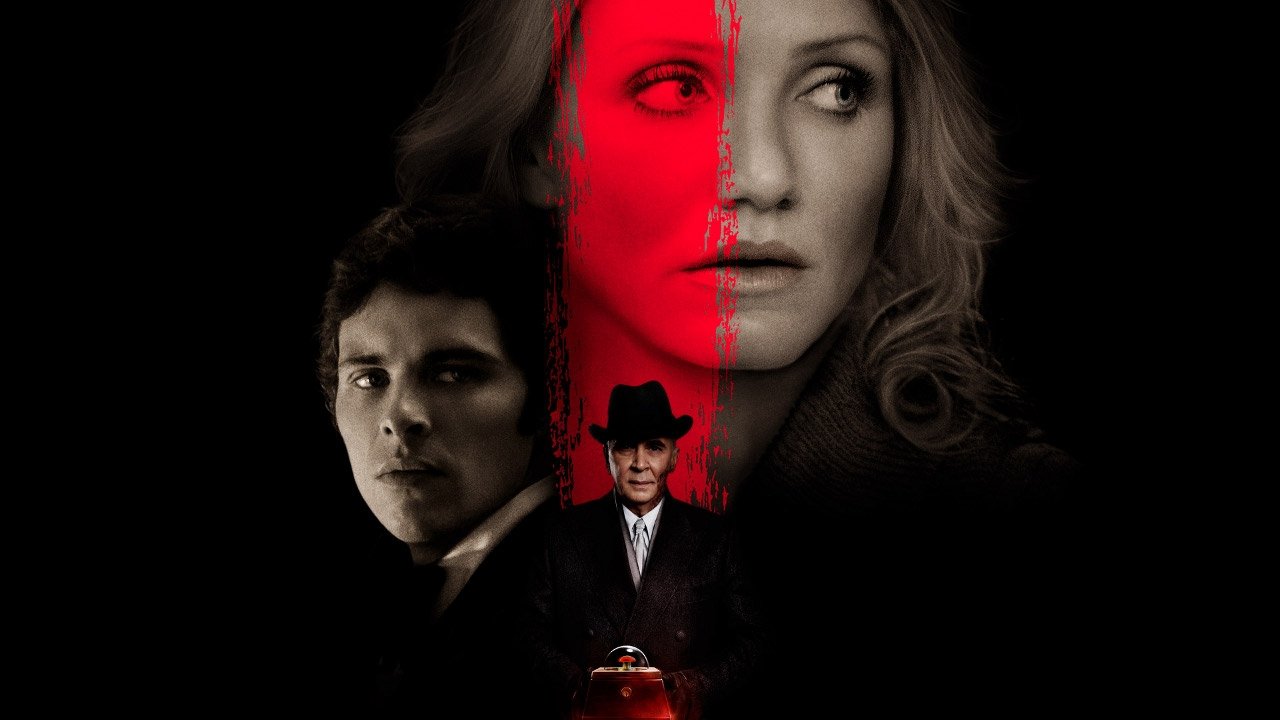
The premise is a classic "what if?" scenario based on a Richard Matheson short story. A mysterious man with a horribly scarred face, Arlington Steward (played with chilling, surgical precision by Frank Langella), arrives at the suburban home of Norma (Cameron Diaz) and Arthur Lewis (James Marsden). He leaves a box with a red button. If they press it, they get $1 million. The catch? Someone they don't know will die.
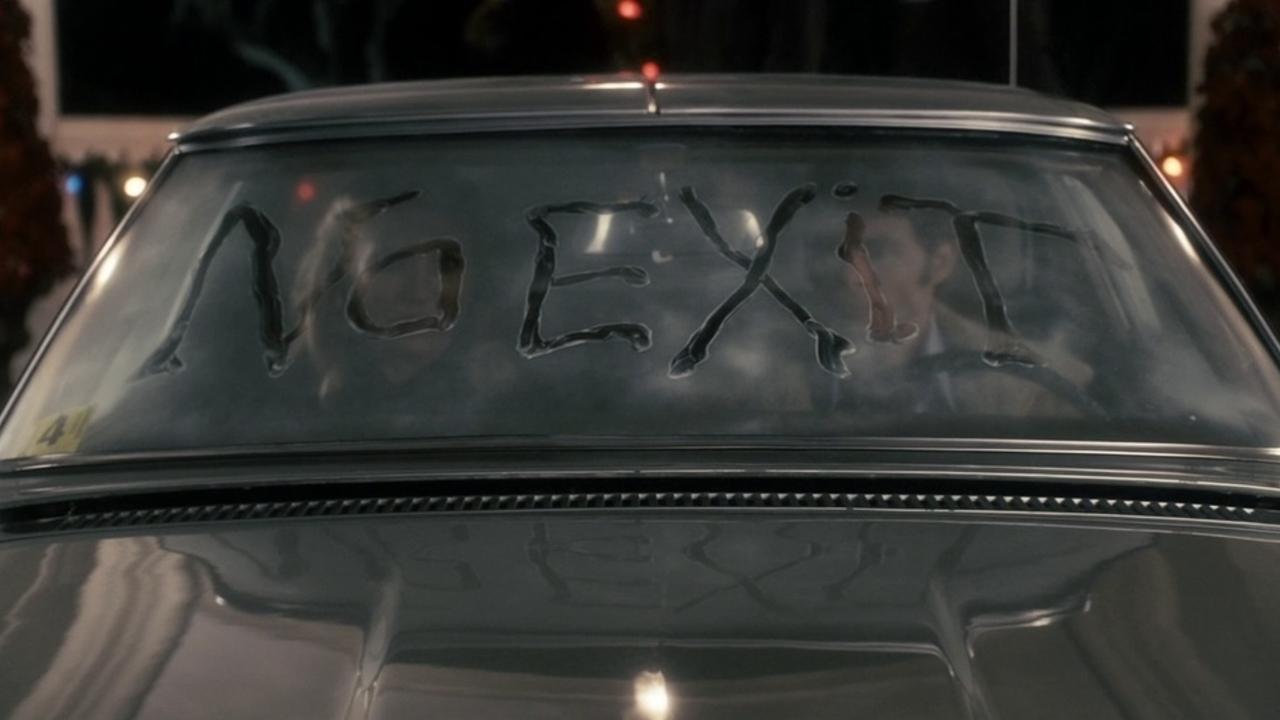
What starts as a tense, 1970s-style morality play quickly descends into something much more ambitious and, frankly, bizarre. Kelly sets the film in 1976, and the production design is immaculate—lots of wood paneling, burnt orange sweaters, and a sense of post-Watergate paranoia that you can almost taste. Cameron Diaz delivers one of her most vulnerable, unglamorous performances here, playing a woman whose physical disability (a foot injury) makes her feel a desperation that the script uses to justify her eventual choice. James Marsden, usually the charismatic lead in films like X-Men or Enchanted, plays Arthur as a man whose scientific mind is his greatest weakness.
When the Thriller Becomes a Fever Dream
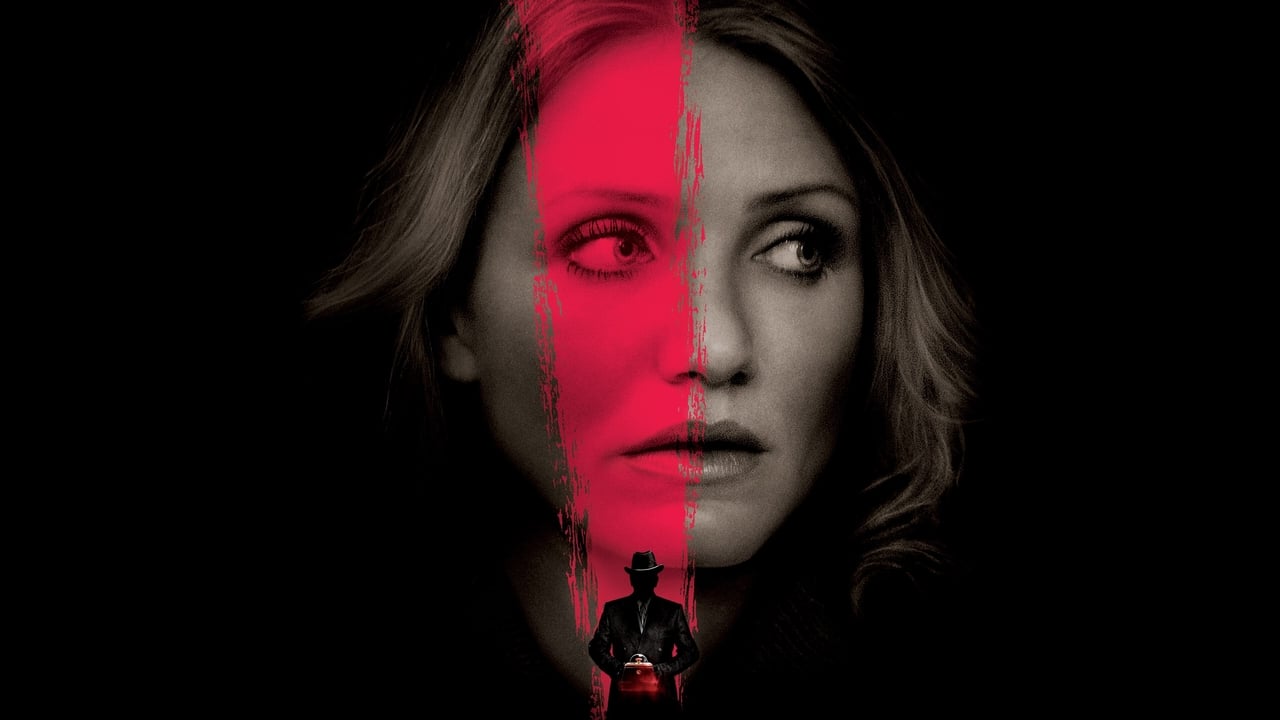
If the movie had stayed a simple psychological thriller, it probably would have been a hit. But the film aggressively decides to become an interstellar fever dream about halfway through. Suddenly, we aren't just talking about a box; we’re talking about NASA, Mars, "The Gateway," and "The Unit."
This is where Kelly’s personal history bleeds into the frame. His father actually worked at NASA’s Langley Research Center during the 70s, and you can feel that specific, technical nostalgia in every scene involving James Rebhorn or the sprawling laboratory sets. The cinematography by Steven Poster (who also shot Donnie Darko) captures this era with a hazy, dreamlike quality that makes the more fantastical sci-fi elements feel like they’re part of a shared cultural hallucination.
Looking back, the CGI used for Frank Langella’s missing cheek still holds up surprisingly well because it’s used sparingly. It’s unsettling in a way that practical effects might have struggled to achieve—it looks like a literal hole in reality. However, the "water coffins" and more overt sci-fi visuals definitely feel like a product of that late-2000s digital transition; they are ambitious but occasionally lack the "weight" of the 70s world they inhabit.
A Masterclass in Being Misunderstood
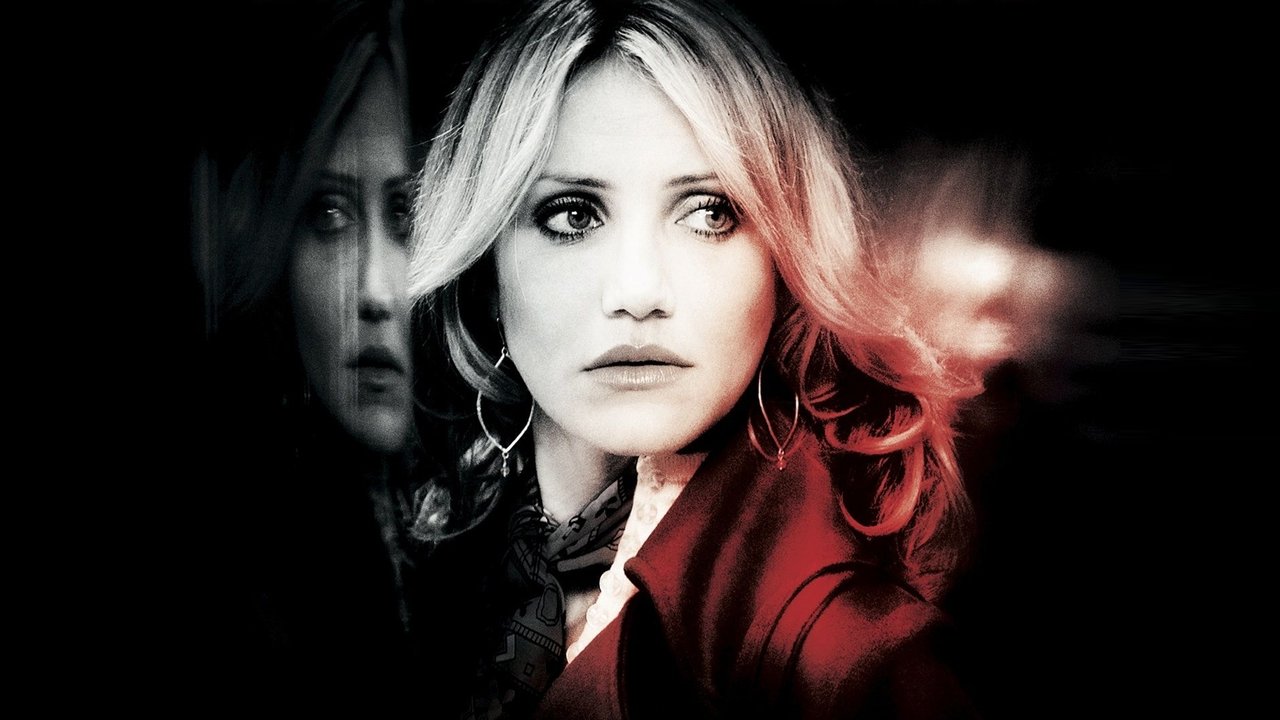
Why did this movie vanish from the public consciousness? It was a victim of its own marketing. The trailers promised a Saw-lite or a standard "be careful what you wish for" horror flick. Instead, audiences got a dense, philosophical meditation on human nature and extraterrestrial judgment. The ending isn’t a twist; it’s a cosmic slap in the face.
I’ve always felt that The Box was a victim of the 2008 financial crisis context, too. In 2009, the idea of a family struggling to pay for their child’s tuition was a bit too real for audiences who wanted escapism. When the movie turns around and judges the characters for their greed, it felt like a lecture many weren't ready to hear.
Interestingly, the score—composed by Win Butler and Régine Chassagne of Arcade Fire—is one of the best "hidden gems" of the era. It’s twitchy, orchestral, and deeply unnerving. It feels less like a movie score and more like the sound of a nervous breakdown. It’s a huge reason why the movie stays under your skin long after you stop trying to make sense of the plot.
The Box is far from perfect. It’s overstuffed, occasionally pretentious, and the third act is a convoluted maze that even a compass and a map couldn’t help you navigate. But I’d rather watch a film that takes a massive, spectacular swing and misses than a movie that never steps up to the plate. It is a fascinating artifact of a time when directors were still allowed to take big studio checks and make something truly, uncompromisingly weird. It’s the most beautifully shot movie that will also make you want to throw your remote at the wall. If you’re in the mood for a movie that feels like a 1970s Twilight Zone episode directed by someone who hasn't slept in three days, this is your winner. Give it a shot—just maybe don’t press any buttons while you’re watching.
Keep Exploring...
-

The Invasion
2007
-
The Forgotten
2004
-
Doomsday
2008
-
Quarantine
2008
-

The X Files: I Want to Believe
2008
-

The Fourth Kind
2009
-

Death Race 2
2010
-
Sky Captain and the World of Tomorrow
2004
-
Land of the Dead
2005
-
Blindness
2008
-
Carriers
2009
-
Race to Witch Mountain
2009
-
Lockout
2012
-

Europa Report
2013
-
Automata
2014
-

Time Lapse
2014
-
Darkman
1990
-

Village of the Damned
1995
-
Lake Placid
1999
-
The One
2001