The Collector
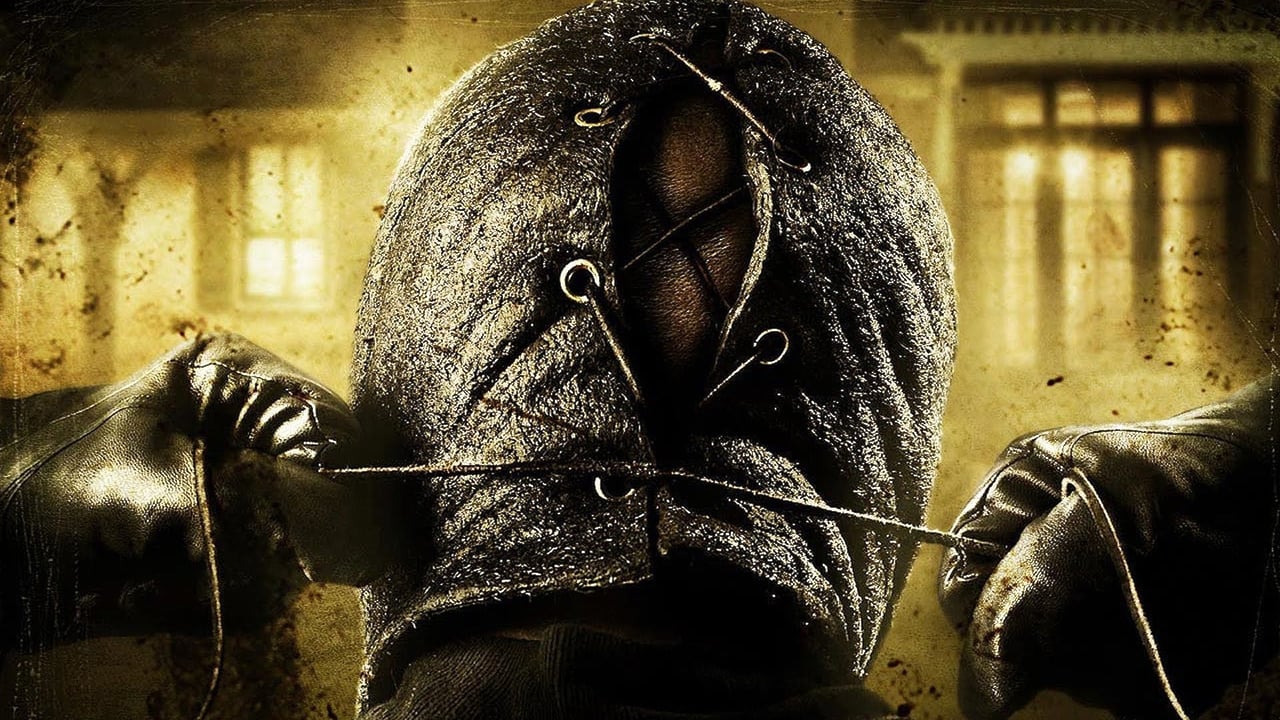
"The wrong house. The right man. The deadliest traps."
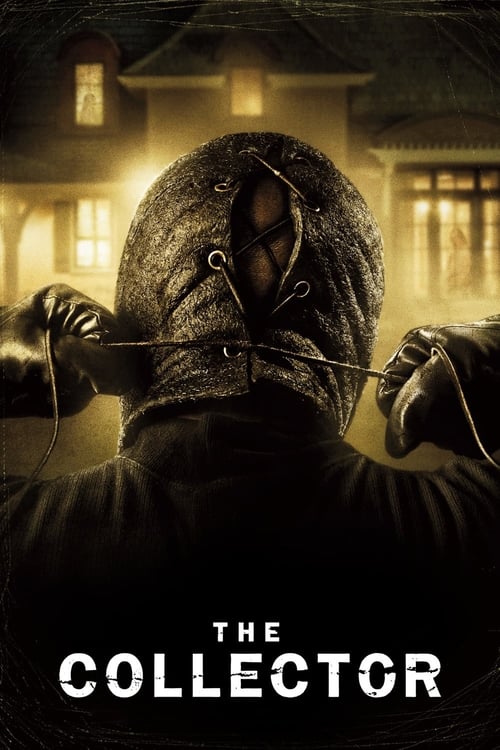
The late 2000s were a weird, grimy time for horror. We were transitioning out of the glossy, post-Scream irony and deep into the "torture porn" era, a subgenre born from post-9/11 anxieties and a sudden obsession with mechanical cruelty. While the Saw franchise was busy collapsing under the weight of its own convoluted soap-opera lore, a little film called The Collector (2009) arrived to remind us that sometimes, all you need is a dark house, a desperate man, and a villain who treats home improvement like an Olympic bloodsport.
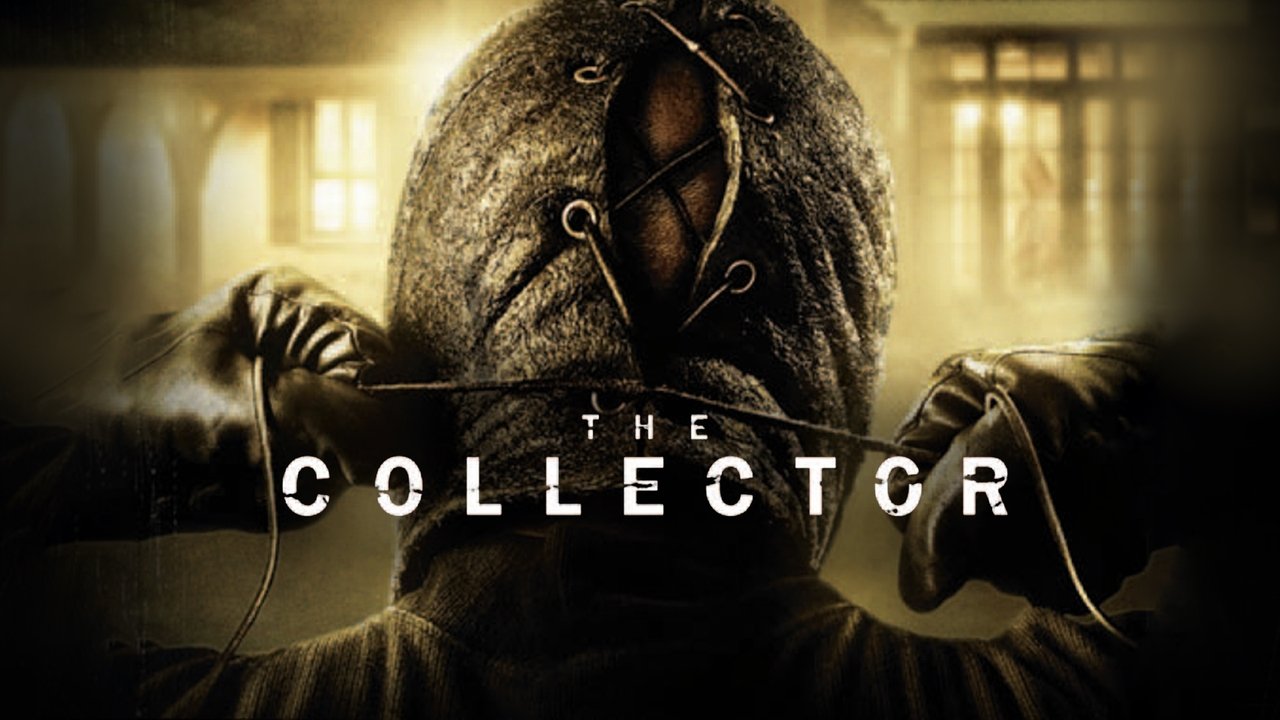
I watched this recently on a DVD I found at a yard sale for fifty cents; the case smelled faintly of old basement and dryer sheets, which, honestly, provided a more immersive sensory experience than any 4D cinema could ever hope to achieve.
The Thief with a Heart of... Well, Survival
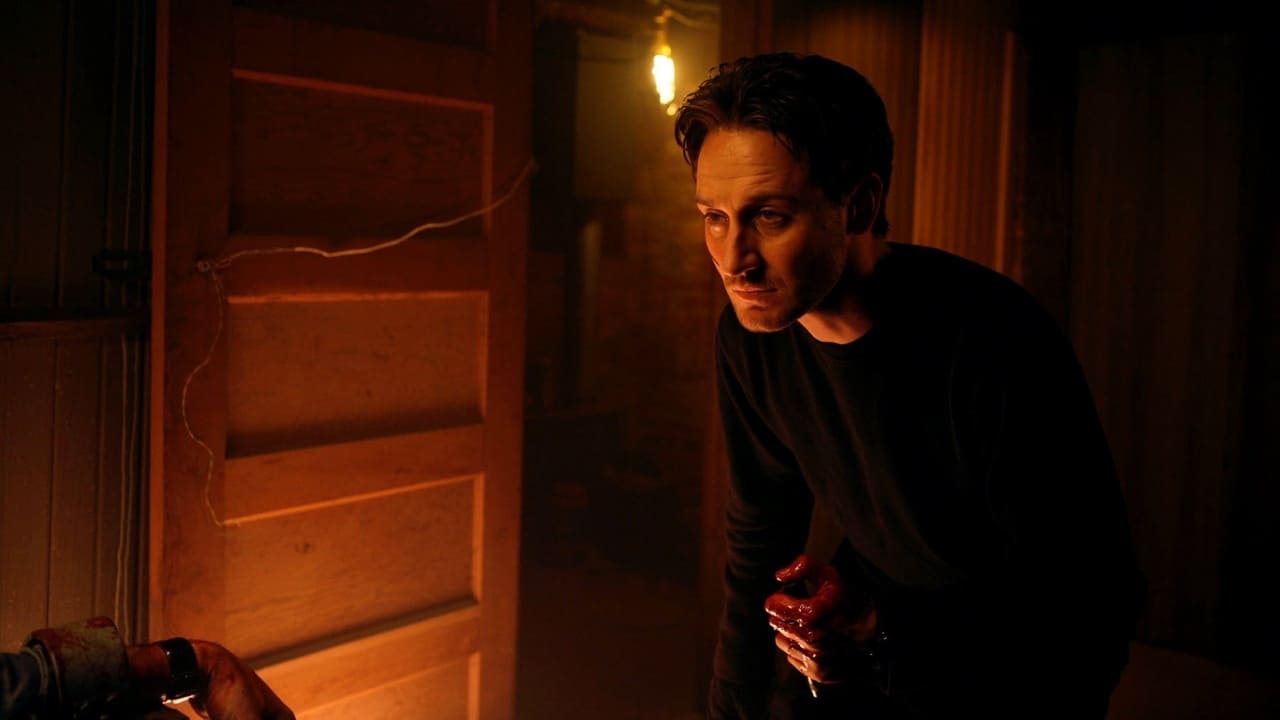
What separates The Collector from the mountain of generic slasher fodder of its era is its protagonist. Arkin, played with a fantastic, jittery intensity by Josh Stewart, isn't some hapless teenager who wandered into the woods. He’s a professional thief. He’s smart, he’s capable, and he’s only breaking into this high-end country home to pay off a debt to his ex-wife.
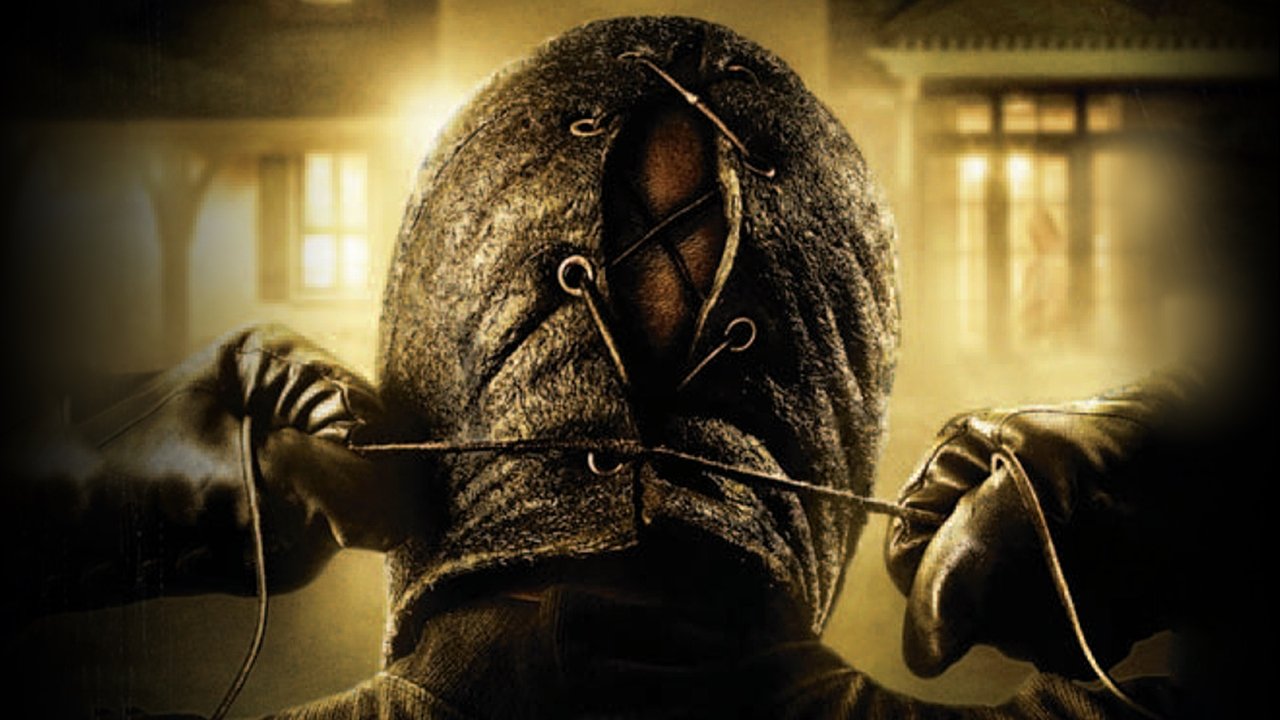
There is a brilliant, agonizing tension in the first twenty minutes where we watch Arkin methodically crack a safe, only to realize he isn’t the only intruder. He’s essentially "The Good Criminal" facing off against "The Ultimate Evil." When he discovers that the family he’s robbing has been taken captive by a masked figure known only as The Collector (Juan Fernández), Arkin has several opportunities to just leave. But he doesn't. This choice transforms the film from a standard heist-gone-wrong into a gritty character study about redemption through a gauntlet of pain. It’s basically Home Alone if Kevin McCallister had a subscription to Fangoria and a serious grudge against humanity.
A Masterclass in Rube Goldberg Sadism
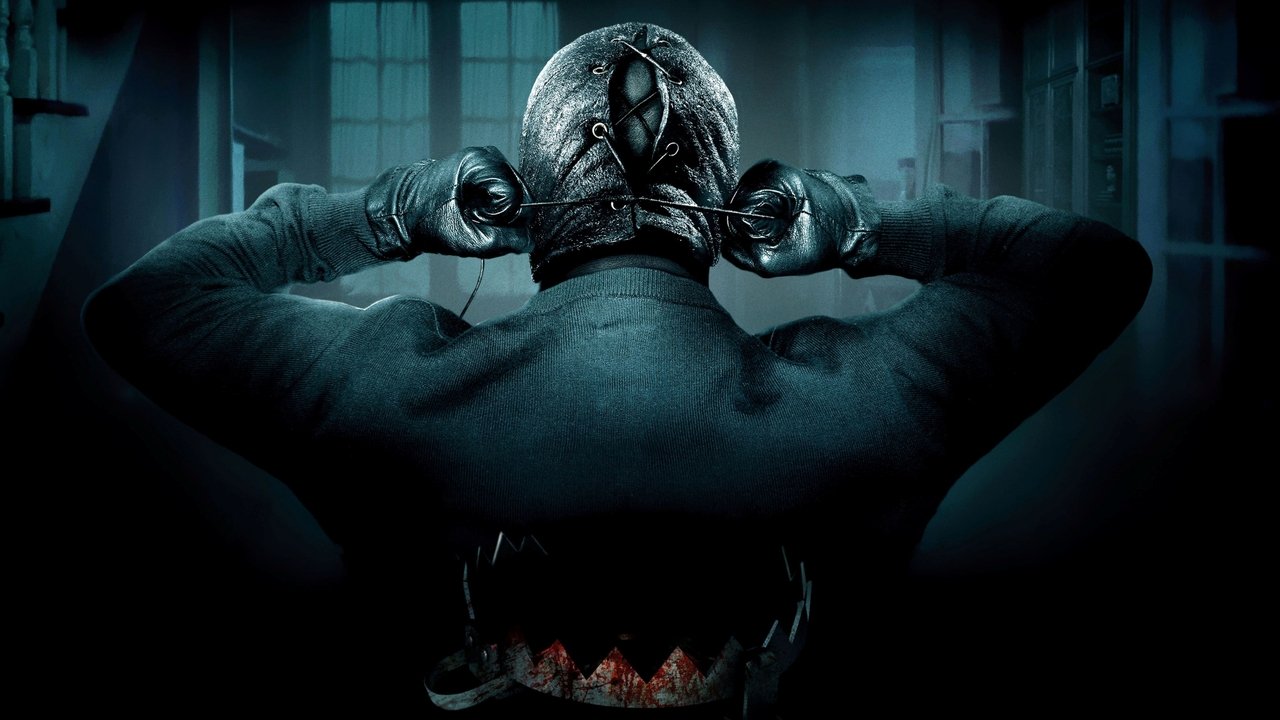
Director Marcus Dunstan and his writing partner Patrick Melton came into this project fresh off writing several Saw sequels, and it shows. However, where Saw often felt clinical and stagnant, The Collector feels alive—and claustrophobic. The house itself becomes a character. Every floorboard is a potential trigger; every doorway is a blade waiting to drop. The house is less of a home and more of a giant, sentient blender.
The cinematography by Brandon Cox leans heavily into that high-contrast, jaundiced look that defined 2000s indie horror. It’s yellowish, grainy, and looks like it was filmed through a layer of sweat and motor oil. This aesthetic perfectly complements the practical effects. In an era where CGI was starting to bleed into horror (often poorly), The Collector stays grounded with physical traps—acid-slicked floors, trip-wires, and some truly gnarly work with fishhooks that will make you want to squint for the rest of the week. The sound design is equally punishing; every snap of a spring and every muffled scream from the Chase family (Michael Reilly Burke, Andrea Roth, and Madeline Zima) hits with a heavy, wet thud.
From Slasher to $114 Million Smash
Looking back from our current era of "elevated horror" and A24 chillers, it’s easy to forget what a juggernaut this film was. Produced by Brett Forbes on a modest $3.4 million budget, it defied the odds to rake in a staggering $114 million at the box office. That kind of ROI is the stuff of studio legend, proving that audiences in 2009 were hungry for a villain who didn't spend twenty minutes explaining his tragic backstory or moral philosophy.
The Collector doesn't talk. He doesn't have a convoluted motive. He just collects. There’s something refreshingly terrifying about that simplicity. Apparently, the script actually started its life as a pitch for a Saw prequel (the "Jigsaw Origins" story), but when that was rejected, Marcus Dunstan pivoted to create his own mythos. It was a smart move; the result feels much more like a classic 80s slasher updated with the mean-spirited engineering of the new millennium. The film's success even launched a cult-favorite sequel, The Collection, which turned the dial up to eleven by taking the traps into an abandoned hotel.
The Collector isn't trying to change your life or offer a deep meditation on the human condition. It’s a lean, 90-minute exercise in sustained dread that respects your intelligence enough to give you a protagonist worth rooting for. It captures that specific 2009 lightning in a bottle—the transition from analog grit to digital precision—while maintaining a visceral, practical heart. If you can stomach the "fishhook incident," it’s one of the most effective thrillers of its decade. Just make sure you check your own floorboards before you go to bed tonight.
Keep Exploring...
-
The Collection
2012
-
Saw IV
2007
-

Saw V
2008
-
Insidious
2011
-
The Grudge
2004
-
The Exorcism of Emily Rose
2005
-
The Ring Two
2005
-
Saw III
2006
-

The Omen
2006
-
Saw VI
2009
-
Insidious: Chapter 2
2013
-
The Conjuring
2013
-
The Purge: Anarchy
2014
-
Wrong Turn 2: Dead End
2007
-
The Woman in Black
2012
-
I Know What You Did Last Summer
1997
-
The Cell
2000
-
Gothika
2003
-
P2
2007
-
After.Life
2009