The Descent: Part 2
"The deepest scars never truly heal."
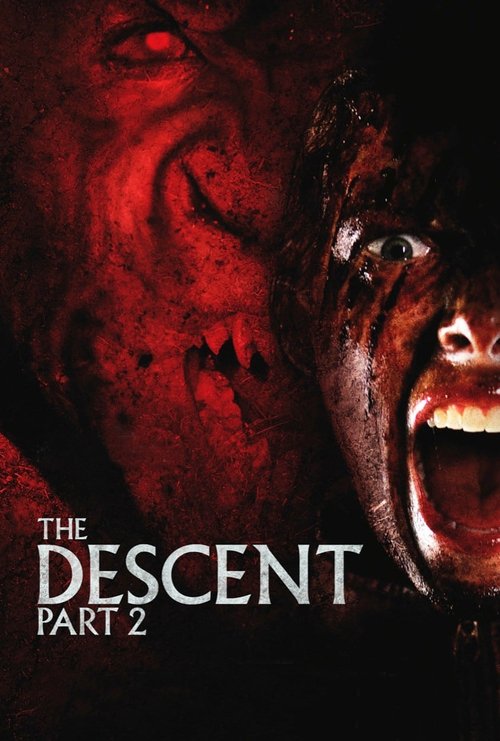
I remember watching this sequel for the first time on a flight to Phoenix next to a woman who was knitting a very long, very grey scarf, which made the claustrophobia of the cave feel oddly cozy by comparison. Following up a masterpiece is a thankless job. When Neil Marshall released The Descent in 2005, he didn’t just make a horror movie; he created a generational touchstone for panic. It was lean, mean, and had an ending that felt like a door slamming shut in a tomb.
So, when The Descent: Part 2 arrived in 2009, I was skeptical. Horror sequels from the late 2000s usually fell into one of two camps: the "straight-to-DVD" bargain bin or the "torture porn" trend popularized by Saw and Hostel. This film somehow straddles a middle ground. It’s a movie that exists because the first one was a hit, yet it tries desperately to respect the DNA of its predecessor while fundamentally misunderstanding why the first one worked so well.
The Problem with Surviving
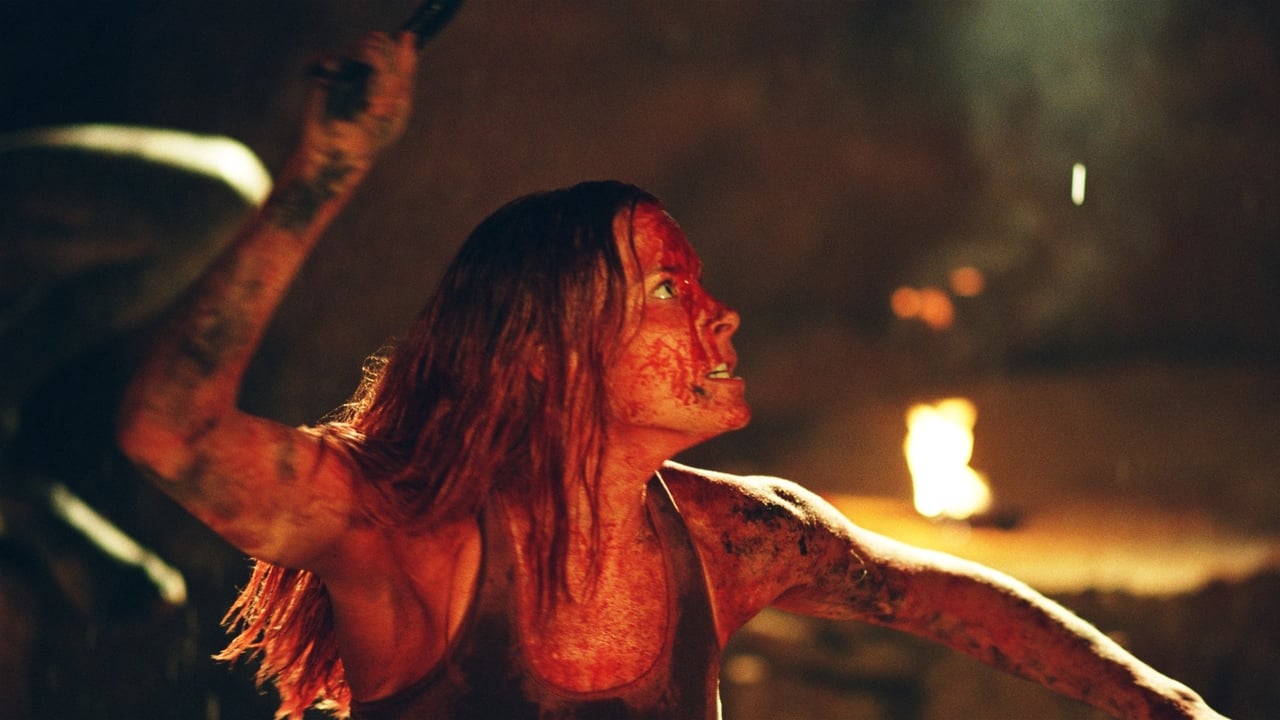
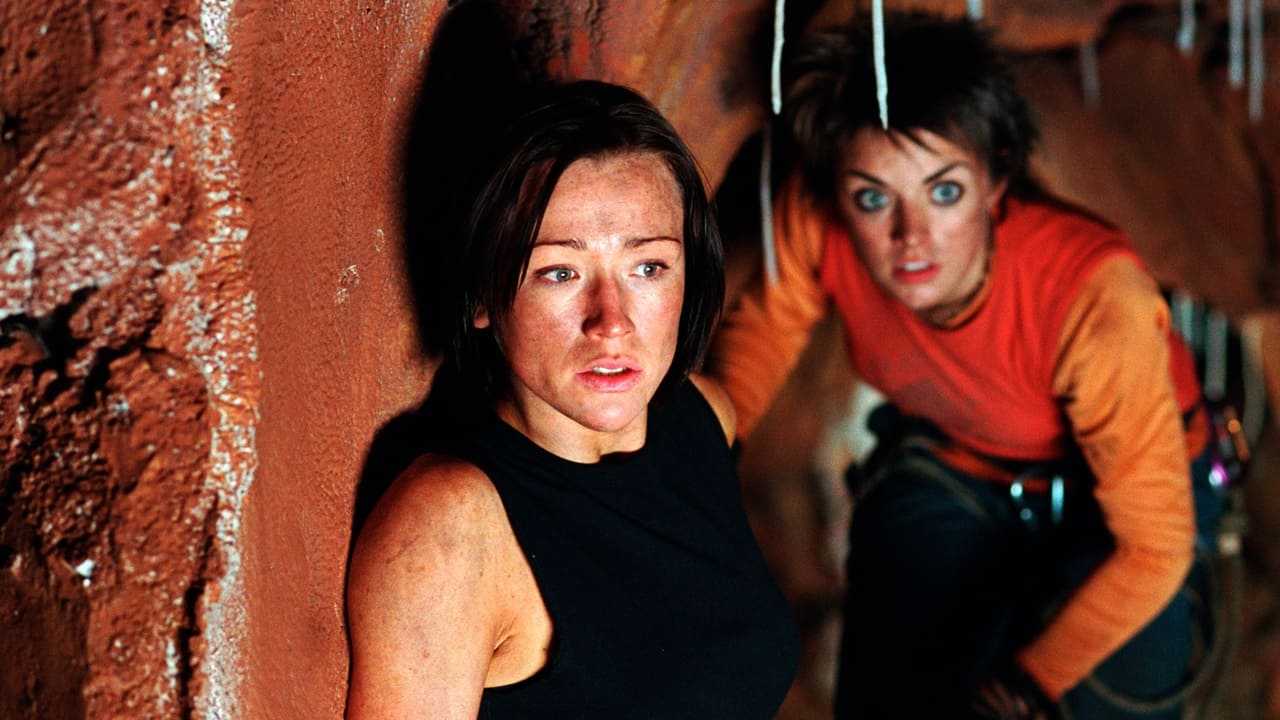
The film kicks off mere moments after the first ended—well, it picks up after the "American" ending. If you watched the original UK cut, Sarah dies in the cave, hallucinating a birthday cake. For the sequel to exist, we have to accept the edited US version where she escapes. Shauna Macdonald returns as Sarah, looking like she’s been put through a woodchipper. She’s amnesiac, traumatized, and covered in blood that isn't hers.
Naturally, the local sheriff, Vaines (Gavan O'Herlihy, who you might remember from Willow or Death Wish 3), decides the best way to find the missing women is to drag the only catatonic survivor back into the abyss at gunpoint. It’s a classic "movie logic" setup that I struggled to swallow. Why would a rescue team bring a woman who can’t even remember her own name back into a subterranean death trap? The plot moves with the grace of a mountain goat on roller skates, but if you can get past the initial "why are we here?" hurdle, there’s actually some fun to be had.
Familiar Faces and New Meat
Once we’re back in the dirt, the film attempts to recapture that 2000s-era indie grit. This was a time when horror was transitioning away from the polished CGI of the late 90s back into something wetter and more tactile. Jon Harris, who edited the first film, takes the director's chair here. You can tell he has a rhythmic soul; the pacing is relentless.
The new team includes Josh Dallas (years before he was Prince Charming on Once Upon a Time) and Anna Skellern. They do their best, but they are essentially "Crawler fodder." The real spark happens when we realize Sarah isn’t the only one who didn't die in the first film. The return of Natalie Mendoza as Juno is the film’s biggest swing. The chemistry between Shauna Macdonald and Natalie Mendoza is the only thing that anchors the movie in actual emotion. Their shared history—betrayal, survival, and a very sharp pickaxe—gives the sequel a weight that the new characters can't provide.
Practical Blood and Digital Shadows
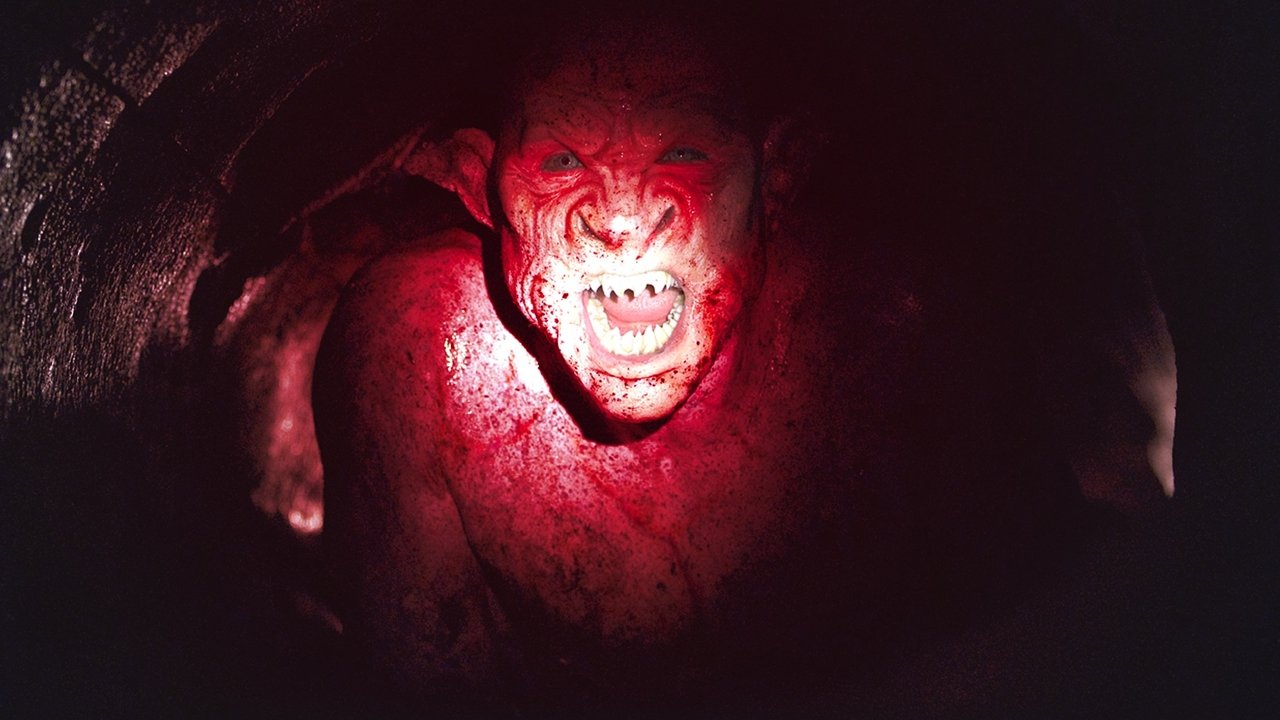
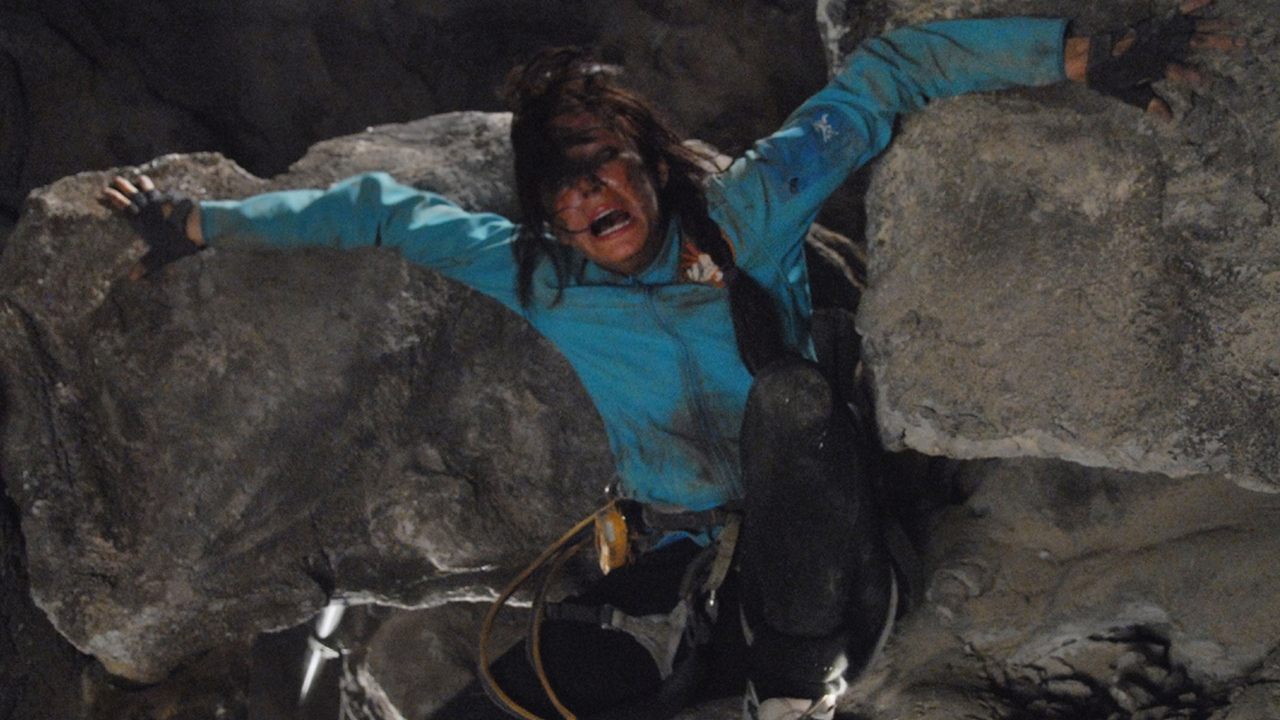
One thing I truly appreciate about this era of horror is the commitment to practical effects. The "Crawlers" still look fantastic. They are pale, blind, and repulsive in a way that feels like they actually belong in the mud. There’s a scene involving a literal "pool of filth" (I’ll let you discover the specifics) that made me gag into my airplane peanuts. It’s gross, tactile, and reminds me of how much we lost when horror shifted toward bloodless CGI ghosts in the 2010s.
However, the cinematography by Sam McCurdy (who also did the first film) feels different here. The first movie used darkness as a character; you felt the walls closing in. In Part 2, things are a bit too "movie-lit." There’s a blueish hue to the caves that makes it feel less like a natural cavern and more like a very expensive set at Pinewood Studios. It's still effective, but the raw, documentary-style dread of the original is replaced by a more standard action-horror vibe.
Why It Vanished
The Descent: Part 2 is a bit of a "lost" sequel. It didn't have the cultural impact of the original, mostly because it couldn't decide what it wanted to be. It tries to be a character study of Sarah’s trauma, but it also wants to be a high-octane monster mash. By 2009, the "indie horror" wave was being swallowed by the "franchise" mentality. This film was caught in the transition.
Looking back, it’s a fascinating relic of that "Sundance-to-Studio" pipeline. It’s more competent than most horror sequels, but it lacks the visionary cruelty of Neil Marshall’s direction. I found it to be a solid B-movie that suffers only because it’s standing in the shadow of an A+. If you can treat it as a "what if" scenario rather than a necessary conclusion, there’s plenty of claustrophobic tension to enjoy. Just don't expect it to make much sense. This movie has the spatial awareness of a goldfish in a blender, but sometimes, watching a goldfish try to fight off cave monsters is exactly what a Saturday night needs.
The film ends on a cliffhanger that we will almost certainly never see resolved, which is perhaps the most 2009 thing about it. It was a time of hopeful franchises and "Unrated" DVD boxes. While it doesn't touch the heights of the original, I’m glad it exists if only to see Shauna Macdonald and Natalie Mendoza go one more round with the monsters in the dark. It’s a messy, loud, and wet trip back into the earth that earns its place as a curious footnote in horror history.
Keep Exploring...
-
The Descent
2005
-
Walking Tall
2004
-
The Covenant
2006
-
The Hitcher
2007
-

Vacancy
2007
-
Quarantine
2008
-
The Eye
2008
-
Untraceable
2008
-

A Perfect Getaway
2009
-
Cirque du Freak: The Vampire's Assistant
2009
-
The Haunting in Connecticut
2009
-
The Last House on the Left
2009
-
The Stepfather
2009
-
The Losers
2010
-
The Ward
2010
-
House at the End of the Street
2012
-
Maniac
2012
-

Curse of Chucky
2013
-
13 Sins
2014
-
Black Sea
2014