The Final Destination
"Death doesn't like to be cheated—especially in 3D."
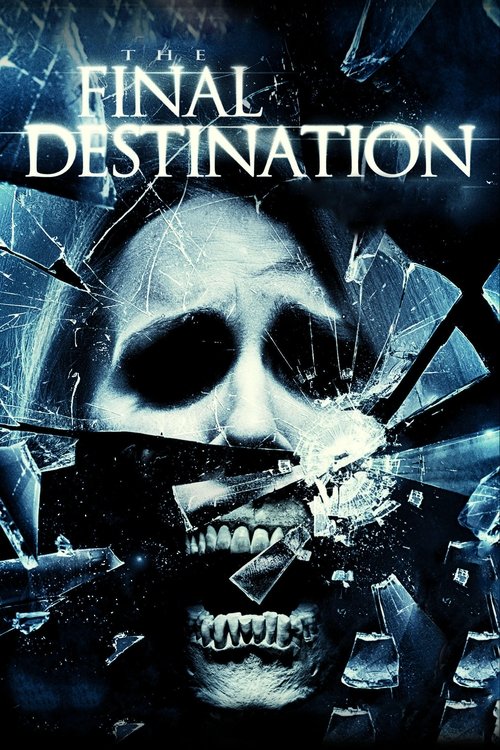
I remember sitting in a theater in 2009, wearing those slightly-too-tight RealD 3D glasses, and having a digital lug nut fly directly at my left eye. At that moment, I realized The Final Destination wasn’t trying to be The Shining. It didn't want to haunt my dreams; it just wanted to poke me in the face for 82 minutes. I actually watched this particular film again last Tuesday while eating a bowl of cereal that was five days past its expiration date, which felt like a fittingly risky way to engage with a franchise about the inevitability of death.
The Rube Goldberg Reaper
By the time the fourth installment rolled around, the Final Destination series had completely abandoned any pretense of being a "slasher" or a "supernatural thriller." It had evolved into its final, purest form: a series of elaborate, mean-spirited engineering puzzles. Director David R. Ellis (who also gave us the high-octane Final Destination 2 and the glorious absurdity of Snakes on a Plane) treats the plot like an annoying hurdle he has to jump over to get to the next kill.
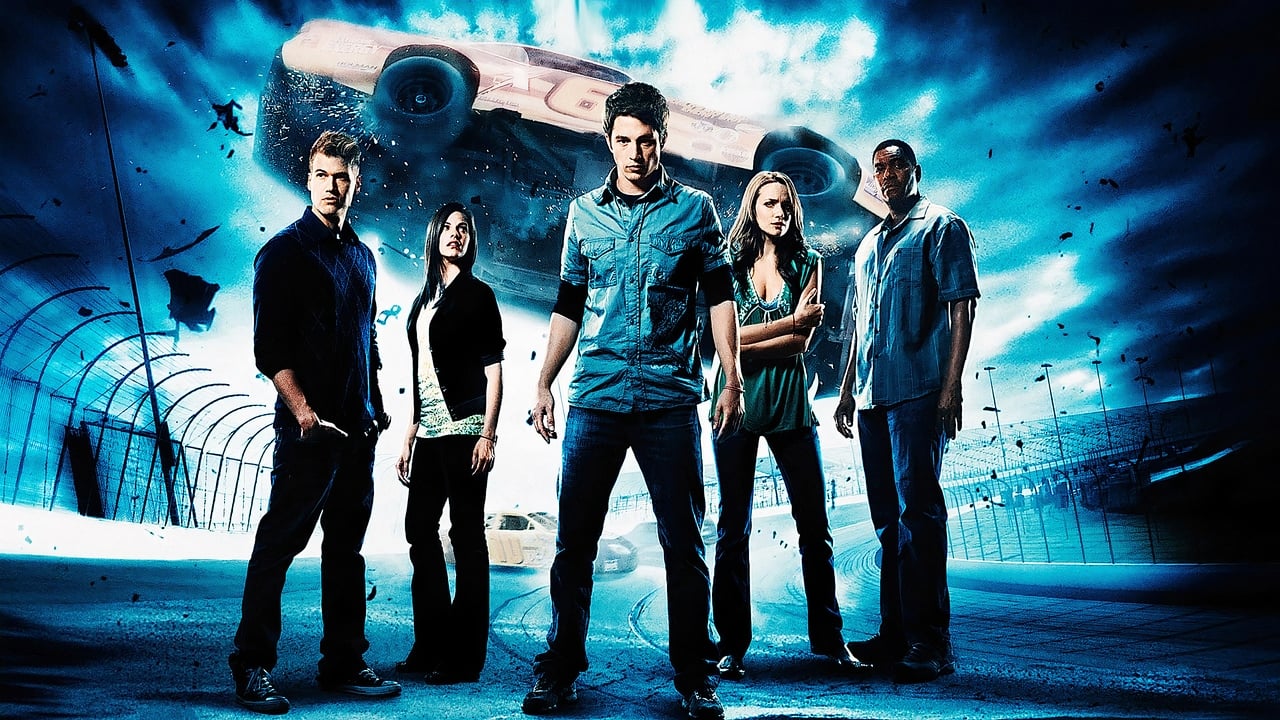
The setup is a well-oiled machine by now. Nick (Bobby Campo) is at a McKinley Speedway race when he has a hyper-violent premonition of a catastrophic crash. He saves his girlfriend Lori (Shantel VanSanten), his buddy Hunt (Nick Zano), and a few others. But as the survivors start dying in the order they were supposed to, it becomes clear that Death is basically a petulant toddler who refuses to lose at Mouse Trap.
The film's atmosphere is pure 2009 "Extreme" energy. Everything is saturated, the music by Brian Tyler (who did Fast & Furious) is aggressive, and the pacing is so fast you’d think the editor had a bus to catch. It’s essentially a 10-year-old’s fever dream of what "cool" horror looks like, and honestly, there’s a certain charm to that lack of subtlety.
The 3D Gimmick and Digital Decay
Looking back, this film is a fascinating time capsule of the late-2000s 3D craze. This was the year of Avatar, and Hollywood was convinced that if things weren't constantly protruding from the screen, audiences would get bored. In The Final Destination, the 3D isn't used for "immersion"—it’s used to shove pipes, glass shards, and severed limbs into your living room.
Watching it now without the glasses, you can see the digital seams. The CGI was ambitious for a mid-budget horror flick, but it hasn't aged with much grace. Some of the blood looks like it was created in a version of MS Paint from the future. Yet, there’s a strange retrospective joy in seeing early digital gore that looks like a PlayStation 3 cutscene. It represents that transitional era where practical effects were being shoved aside for the "infinite possibilities" of the computer, even if the computers weren't quite ready for the task.
High Octane, Low IQ
The performances are exactly what they need to be: functional. Bobby Campo and Shantel VanSanten are perfectly likable, though they spend most of the movie looking mildly confused, as if they’ve misplaced their car keys rather than being hunted by an invisible force of nature. Nick Zano brings some much-needed "jerk" energy as Hunt, providing the movie with its most memorable (and horrifyingly creative) death involving a pool drain.
One of the weirdest highlights is Mykelti Williamson (the legendary Bubba from Forrest Gump) as George, a security guard with a tragic past. He brings a weirdly grounded, soulful energy to a movie that features a flaming tire decapitating a woman. It’s a tonal clash that shouldn't work, but it gives the film a fleeting moment of actual humanity before the next Rube Goldberg device activates.
The Box Office Juggernaut
Despite the critics largely burying it at the time, The Final Destination was a massive commercial success. It cost $40 million and raked in over $187 million worldwide. It was marketed as "The" Final Destination, the big finale of the franchise, and audiences turned out in droves for what they thought was the closing ceremony of a horror institution.
Of course, in Hollywood, "Final" is just another word for "Until the Next Check Clears." It captured that specific pre-MCU moment where horror franchises were the most reliable way to print money. It didn’t need a complex cinematic universe; it just needed a clever way to kill someone with a car wash and a hair clip. The acting in this movie makes a local furniture commercial look like Shakespeare in the Park, but that was never the point. The point was the spectacle of the "Oops! All Berries" version of horror.
This isn't the best entry in the series (that honor stays with the second film), but it is arguably the most "2000s" one. It’s loud, it’s garish, and it’s deeply committed to its own absurdity. If you’re looking for a film that respects the laws of physics or features three-dimensional characters, you are in the wrong neighborhood. But if you want to see Death acting like a disgruntled architect on a Red Bull bender, this is your movie. It’s the cinematic equivalent of a roller coaster—short, loud, and leaves you with a slight headache, but you’re glad you took the ride.

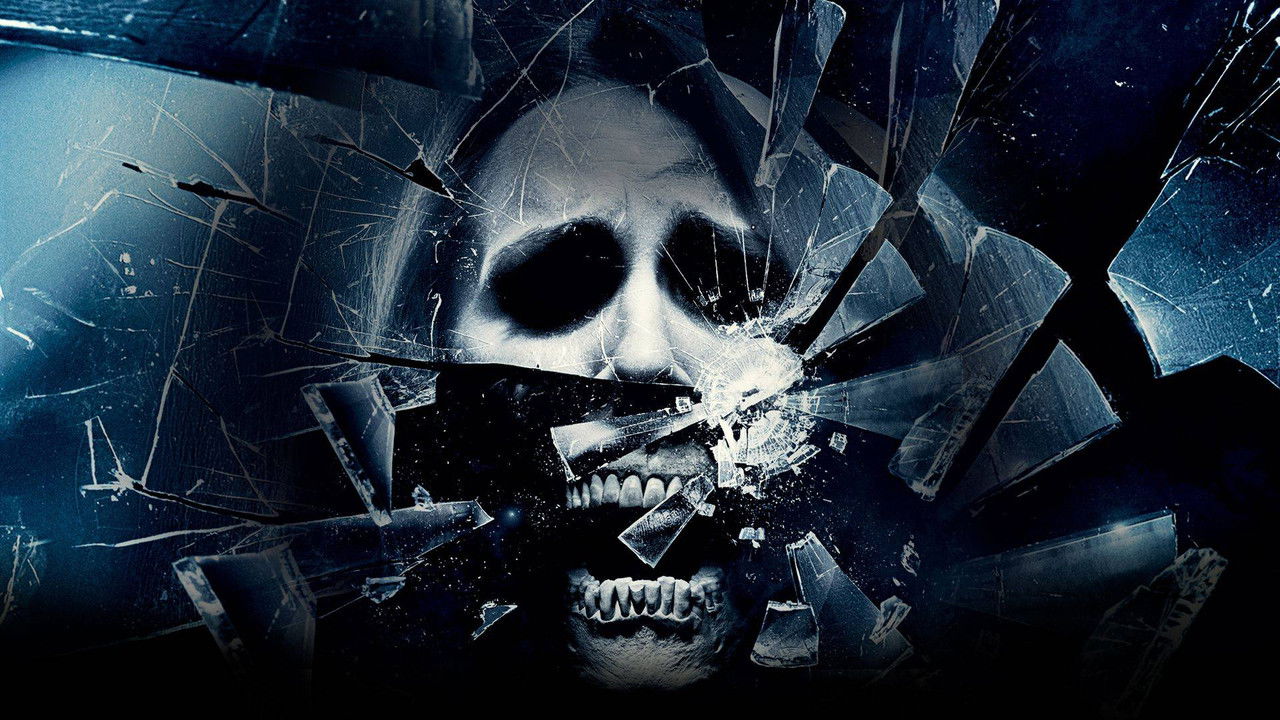
Keep Exploring...
-

Final Destination 2
2003
-
Final Destination 3
2006
-
Final Destination 5
2011
-
Final Destination
2000
-

Final Destination Bloodlines
2025
-
The Grudge
2004
-
Hide and Seek
2005
-

The Omen
2006
-

A Nightmare on Elm Street
2010
-
Paranormal Activity 2
2010
-
I Know What You Did Last Summer
1997
-
Scream 3
2000
-
Gothika
2003
-
Dark Water
2005
-
House of Wax
2005
-
When a Stranger Calls
2006
-
Mirrors
2008
-

The Midnight Meat Train
2008
-
Untraceable
2008
-
Pandorum
2009