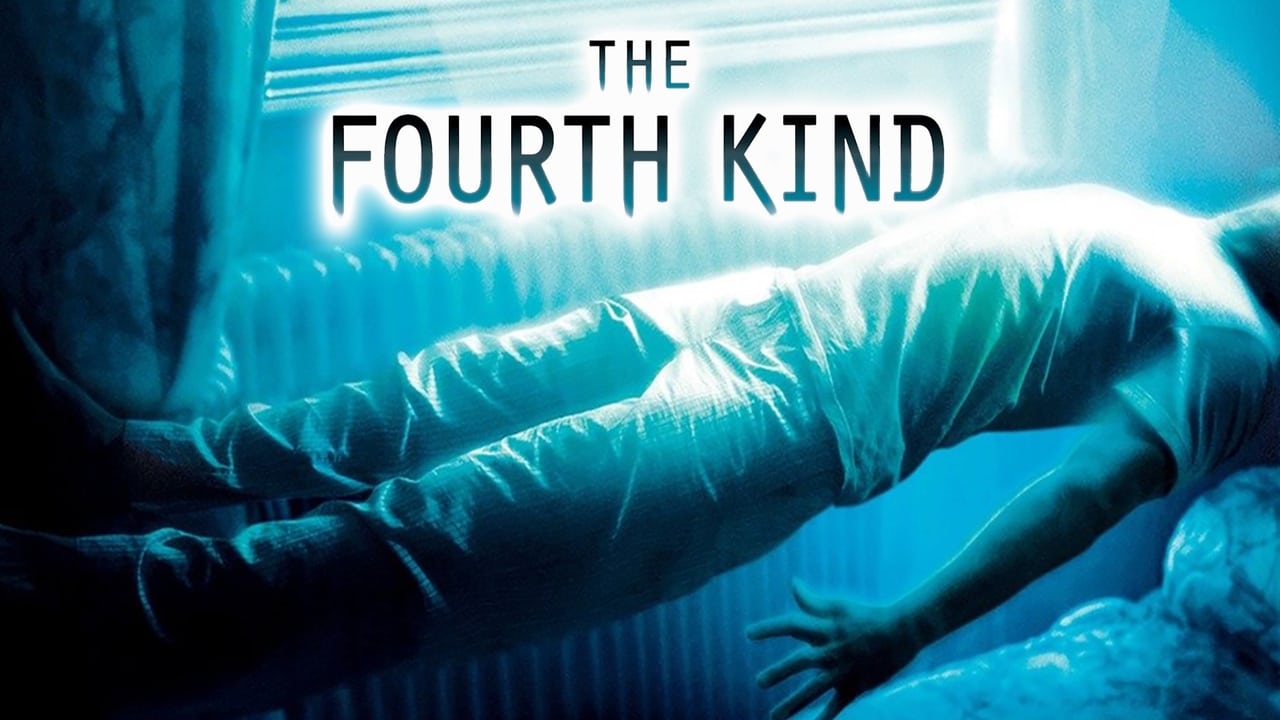
The Fourth Kind
"The evidence is fake. The fear is real."
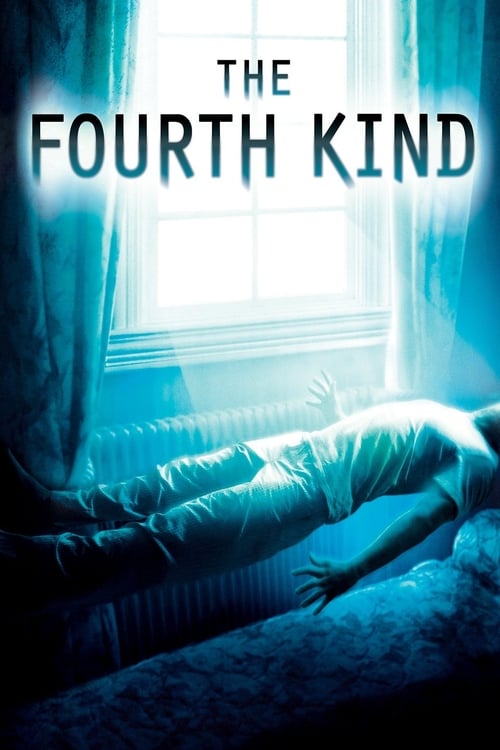
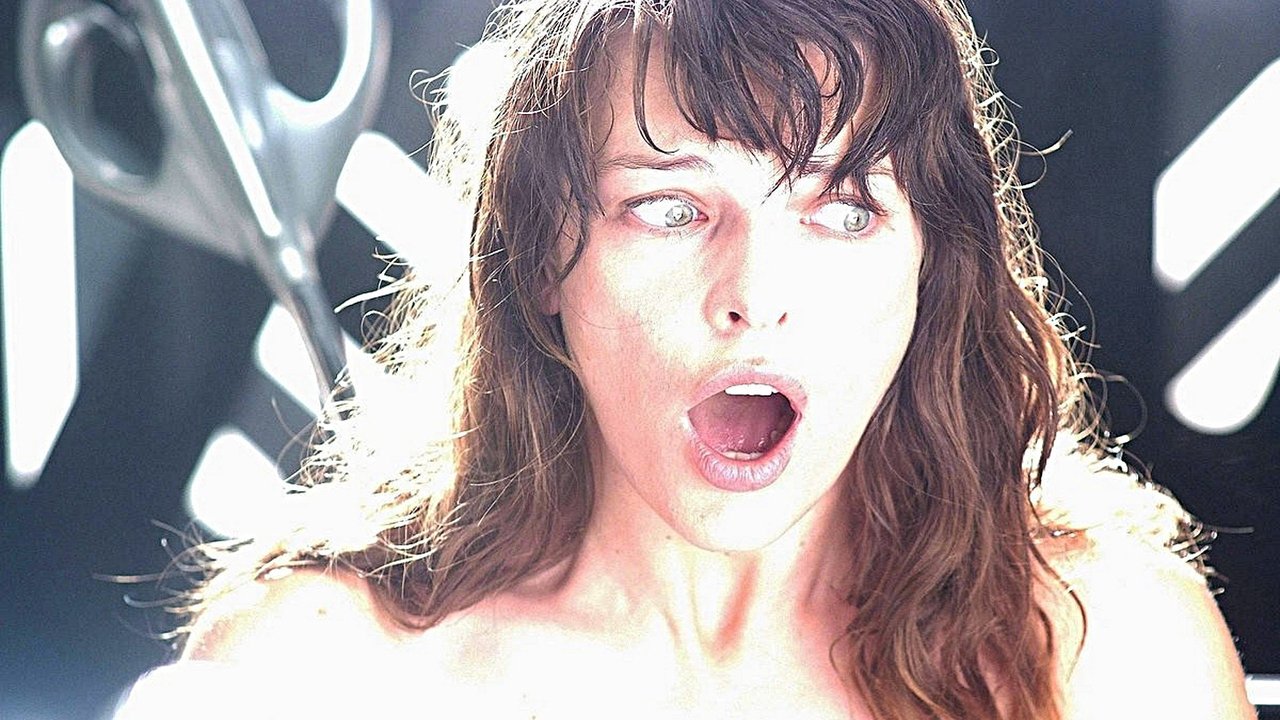
I remember sitting in a dimly lit living room in 2009, clutching a lukewarm slice of pepperoni pizza that had a weirdly metallic aftertaste, when Milla Jovovich first walked toward the camera. She didn't start the movie as Dr. Abigail Tyler; she started it as herself, an actor, looking us dead in the eye to warn us that what we were about to see was supported by "archival footage." At nineteen, I was just naive enough to let my skin crawl. Looking back at The Fourth Kind now, it represents a very specific, frantic window in cinema history where the line between marketing and storytelling didn't just blur—it was obliterated.
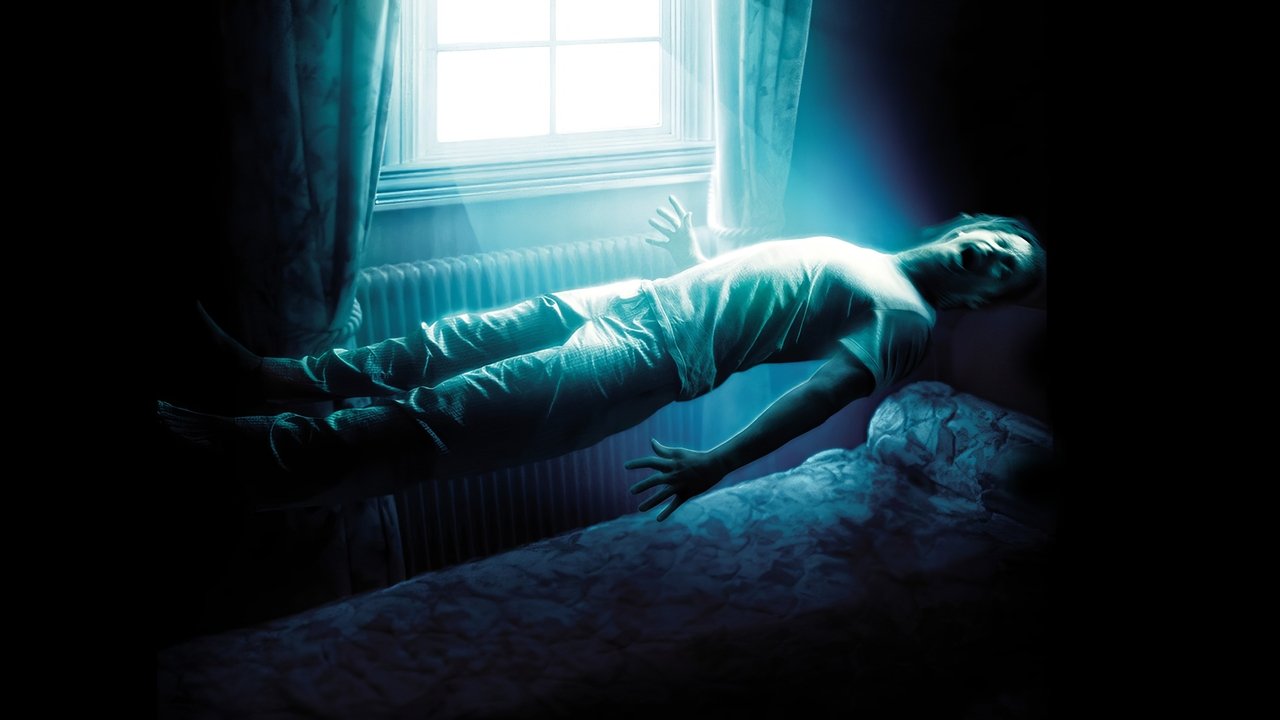
The Great Alaskan Hoax
We were deep in the "Found Footage" fever of the late 2000s. Cloverfield had just leveled New York, and Paranormal Activity was turning every creaking floorboard into a box-office goldmine. But director Olatunde Osunsanmi (who also helmed Evidence) tried something riskier with The Fourth Kind. He didn't just give us shaky-cam; he gave us a "hybrid" experience.
The film constantly splits the screen, showing us the "real" people (played by grainy, distorted actors) alongside the "dramatized" Hollywood versions. It’s a bold, almost clinical approach to horror. By placing Milla Jovovich (The Fifth Element, Resident Evil) next to her "real-life" counterpart, the movie tries to bully you into believing its central lie. It’s the cinematic equivalent of a high-schooler lying about having a girlfriend in Canada—the more specific the details get, the more you realize they’re making it up as they go.
I revisited this last Tuesday while trying to fix a leaky faucet in my kitchen, and the sound of the dripping water perfectly synced up with the movie’s rhythmic tapping sounds—I nearly threw my wrench through the window. That’s the power of this film; even when you know it’s a carnival trick, the atmosphere is thick enough to choke on.
Owls, Sumerian, and Screams
The plot follows Dr. Tyler, a psychologist in Nome, Alaska, who begins to notice a terrifying pattern among her patients: they all see a white owl watching them at night. Under hypnosis, they don't find memories of repressed trauma; they find memories of being pulled through the ceiling by things that speak ancient Sumerian.
Will Patton (Armageddon, Remember the Titans) shows up as the local sheriff, August, and he does what Will Patton does best: he is intensely, aggressively skeptical. He’s the perfect foil for the spiraling Dr. Tyler. Then there’s Elias Koteas (The Thin Red Line, Crash), who brings a much-needed warmth as Abel Campos, the colleague trying to keep Abigail tethered to reality.
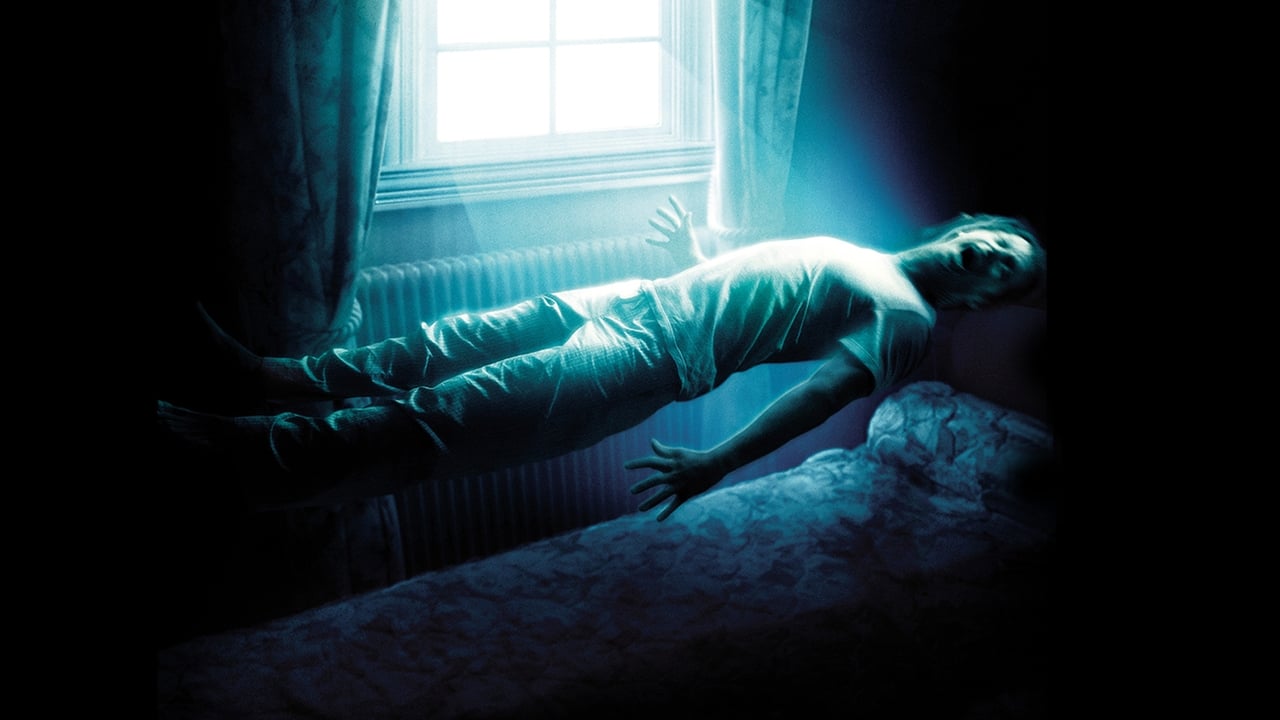
The standout performance, however, might be the sound design. The "archival" audio is a cacophony of distorted screams and electronic interference. When the "real" Tommy Fisher (played by Corey Johnson in the dramatization) begins to levitate and scream in a voice that sounds like a blender full of gravel, the movie makes 'The X-Files' look like a calm Sunday brunch. It taps into a primal fear of the unknown—not the shiny, "take me to your leader" aliens of the 50s, but something colder, older, and entirely indifferent to human suffering.
The Era of the Digital Blur
What makes The Fourth Kind such a fascinating "Modern Cinema" relic is how it used the technology of its time to create dread. In 2009, digital cameras were becoming the norm, and we were still obsessed with the "glitch." The film uses digital distortion and "lost" frames as a narrative tool—whenever the aliens appear, the camera conveniently malfunctions.
It was a clever way to hide a $10 million budget. By not showing the creatures clearly, Olatunde Osunsanmi let our imaginations do the heavy lifting. This was a peak DVD-era movie; I remember the special features being filled with "deleted" archival clips that were just as fake as the movie itself. Universal Pictures actually got into some hot water for this, settling a lawsuit with the Alaska Press Club for creating fake news archives to promote the film. It was the "Post-9/11" era of deep suspicion and "fake news" before that term became a political cudgel. We wanted to be lied to, as long as the lie was scary enough.
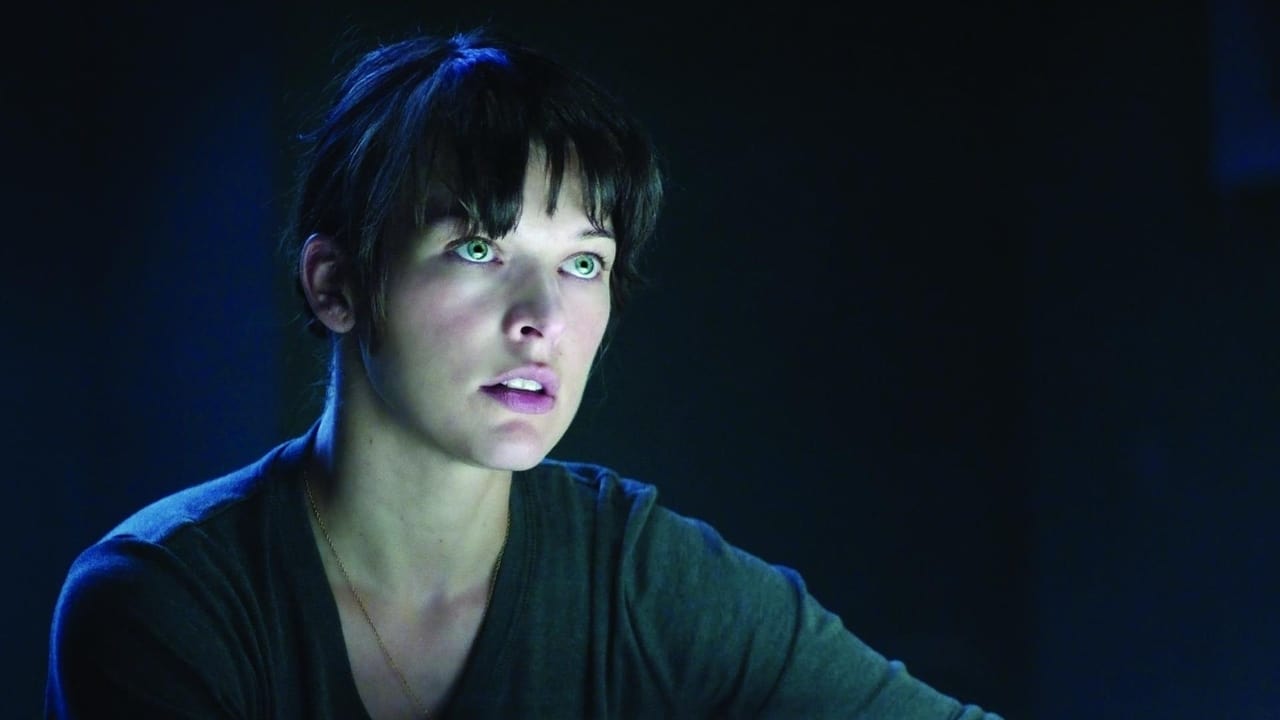
Looking back, the film’s biggest flaw is its own insistence on its "truth." Once you know the "archival" Dr. Tyler is actually actress Charlotte Milchard, the spell breaks. But if you can suspend that cynicism, there is a genuinely chilling core here about the isolation of the frozen north and the terrifying possibility that we aren't the top of the food chain.
The Fourth Kind is a flawed, wildly ambitious experiment that arguably works better as a piece of psychological warfare than a traditional sci-fi movie. It’s a snapshot of a time when we were obsessed with the "hidden" world, right before social media made hiding anything impossible. It’s not a masterpiece, but it’s a hell of a ride if you’re watching it alone at 2:00 AM. Just keep an eye out for the owls.
Even though the "true story" aspect was debunked faster than a Bigfoot sighting, the movie remains an effective exercise in mood. It reminds me of the early days of the internet when a grainy video on YouTube could still feel like a genuine mystery. If you missed this one during the initial found-footage craze, it’s worth a look—just don't expect to sleep through any strange noises on your roof afterward.
Keep Exploring...
-
The Forgotten
2004
-
The Jacket
2005
-

The X Files: I Want to Believe
2008
-
Sky Captain and the World of Tomorrow
2004
-

The Invasion
2007
-
Blindness
2008
-
Time Lapse
2014
-
The Thirteenth Floor
1999
-
Sphere
1998
-
The X-Files
1998
-

Paycheck
2003
-
Pandorum
2009
-
Limitless
2011
-
The Maze Runner
2014
-
Cube Zero
2004
-
Knowing
2009
-
Source Code
2011
-
Super 8
2011
-
Transcendence
2014
-
Mindhunters
2004